Key points:
- African leaders have called for stronger investment in energy, infrastructure, climate finance and industrialisation to drive economic growth across the continent.
- The leaders made the call during a presidential dialogue at the 2026 African Development Bank Annual Meetings in Brazzaville.
- AfDB President Sidi Ould Tah said Africa possesses about $4tn in financial resources that can be leveraged for development.
Main story
African leaders on Wednesday called for increased investment in energy, infrastructure, industrialisation and climate finance as part of efforts to accelerate economic transformation and sustainable development across the continent.
The leaders made the call during a presidential dialogue held at the 2026 Annual Meetings of the African Development Bank (AfDB) Group in Brazzaville, Republic of Congo.
They stressed the need for African countries to strengthen partnerships, attract private capital and develop bankable projects capable of unlocking large-scale financing for development priorities.
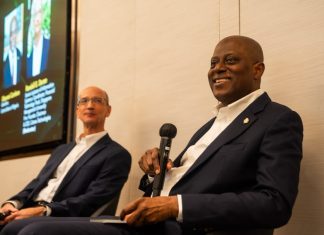
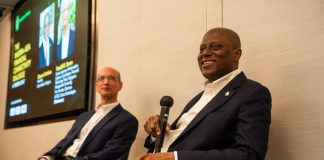
The high-level panel featured President Brice Nguema of Gabon, President Faustin-Archange Touadéra of the Central African Republic, President Denis Sassou Nguesso of Congo, and AfDB President Sidi Ould Tah.
Speaking during the session, Nguema said Gabon was working to transform its natural resources and biodiversity assets into long-term economic growth through eco-tourism and carbon credit initiatives.
“We would like to develop our forests while preserving nature,” the Gabonese president said.
He also called for stronger international compensation mechanisms for Congo Basin countries contributing to global environmental preservation through forest conservation.
Nguesso, on his part, emphasised the importance of diversifying African economies beyond dependence on oil and gas revenues.
The Congolese leader highlighted his country’s plans to expand fertiliser production using its vast deposits of potash, phosphate and natural gas.
He further stressed that energy generation remained critical to Africa’s industrialisation agenda, particularly through the hydropower potential of the Congo River basin.
“It is not possible to achieve development without energy,” he said.
President Touadéra of the Central African Republic appealed for greater international support to help unlock the economic potential of landlocked African nations through investments in roads, electricity and regional transport connectivity.
“We have huge potential. Today we have peace, and there are several sectors that can attract investors,” he said.
Responding to concerns over Africa’s financing gap, AfDB President Sidi Ould Tah said the continent possessed an estimated $4tn in African-held financial resources that could be mobilised for development.
“It is our role at the bank to work with states and financial institutions to design bankable projects and mobilise the necessary financing,” he stated.
The leaders also underscored the importance of investing in Africa’s youth population through education, engineering and technical skills development to support long-term economic growth and industrial transformation.
The issues
Africa continues to face major infrastructure and financing deficits that have slowed industrialisation, economic diversification and regional integration.
According to development experts, inadequate energy supply, poor transportation networks and limited access to affordable financing remain major barriers to economic growth across many African countries.
Climate vulnerability, rising debt burdens and global economic uncertainties have also increased pressure on governments seeking sustainable development financing.
Analysts say attracting private investment and improving project preparation capacity are essential for bridging the continent’s infrastructure gap.
What’s being said
African leaders at the dialogue maintained that the continent possesses enormous natural and human resources capable of driving economic transformation if properly harnessed.
They argued that Africa must move beyond dependence on raw commodity exports by investing in value addition, industrialisation and renewable energy development.
The AfDB reiterated its commitment to supporting member states through project financing, technical support and mobilisation of international investment partnerships.
What’s next
The AfDB Annual Meetings are expected to produce further discussions on financing mechanisms, regional infrastructure projects and economic integration initiatives across Africa.
Stakeholders are also expected to focus on strategies for increasing private sector participation and unlocking domestic capital for development projects.
African governments may further intensify efforts to strengthen policy reforms aimed at improving investor confidence and attracting long-term financing.
Bottom line
African leaders are pushing for a new development approach centred on energy access, infrastructure expansion, industrialisation and climate resilience, as the continent seeks to unlock investment and accelerate sustainable economic growth.