






By Emmanuella Opara | November 4th 2026
KEY POINTS
- Jigawa State Hisbah Board has trained its personnel in basic first aid and emergency response.
- The training covered bleeding control, fainting, fractures, choking, snake bites and other medical emergencies.
- The programme was held in Gumel as part of the board’s monthly end-of-month lecture series.
- Participants called for the training to be extended to all 27 local government areas of the state.
MAIN STORY
The Jigawa State Hisbah Board has trained its personnel in emergency first aid to improve their ability to respond to accidents, injuries and other medical situations during field operations.
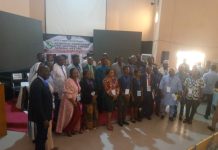
The training, held on Tuesday in Gumel Local Government Area, was organised as part of the board’s monthly end-of-month lecture series aimed at improving the professionalism and operational capacity of its personnel.
The board’s Public Relations Officer, Dauda Hadejia, said the programme was designed to equip operatives with basic medical response skills because of their frequent contact with residents and their presence at public gatherings and emergency scenes.
He explained that the session focused on providing immediate assistance to people who sustain injuries, faint or become involved in accidents before they can be taken to hospital.
Topics covered included methods of controlling bleeding, assisting people who collapse, responding to snake and insect bites, handling fractures and helping individuals experiencing epileptic seizures.
The training also addressed emergency responses to choking incidents and situations involving women in labour.
According to Hadejia, the initiative was considered necessary because Hisbah personnel often encounter emergencies while carrying out their duties and may be among the first people available to assist victims.
One of the participants, Sani Umar, said the knowledge acquired would improve his response to emergencies, particularly in situations involving people who are injured on roads or at public gatherings.
He explained that personnel previously relied mainly on taking injured people to hospitals but had now learnt basic measures that could be taken before medical professionals arrived.
Another participant, Aminu Bello, described the training as timely, noting that the skills would help operatives provide immediate assistance during field assignments.
Bello urged the Hisbah headquarters to extend the programme to other local government areas to ensure more personnel benefit from the training.
THE ISSUES
The training highlights the importance of basic emergency response knowledge among personnel who regularly interact with communities and may encounter accidents or medical emergencies in the course of their duties.
In many emergency situations, the period before a victim reaches a hospital can be critical. Basic first aid, when properly administered, can help reduce further harm while professional medical assistance is being arranged.
However, the effectiveness of such training will depend on regular practical exercises, access to appropriate first aid materials and the ability of personnel to apply the procedures correctly.
WHAT’S BEING SAID
“What we learned today is very important. Before, if we saw someone bleeding, we would only rush him to the hospital, but now we know how to stop the bleeding first,” Sani Umar, a Hisbah personnel, said.
“This first aid training will help us save lives before medical experts arrive. I thank the Gumel Hisbah Command for organising this,” Aminu Bello, another participant, said.
WHAT’S NEXT
Participants have called on the Jigawa State Hisbah Board to extend the training across the state’s local government areas.
Wider coverage could give more operatives access to basic emergency response skills and improve the board’s preparedness during community operations.
BOTTOM LINE
The Jigawa Hisbah Board’s first aid training is an effort to expand the responsibilities of its field personnel beyond public order and community support to include basic emergency assistance. Sustaining the initiative through regular training and wider participation will be important to achieving its intended impact.