





By Emmanuella Opara | November 4th 2026
KEY POINTS
- Nigeria Customs Service intercepted prohibited goods worth N6.19bn in 195 operations over four weeks.
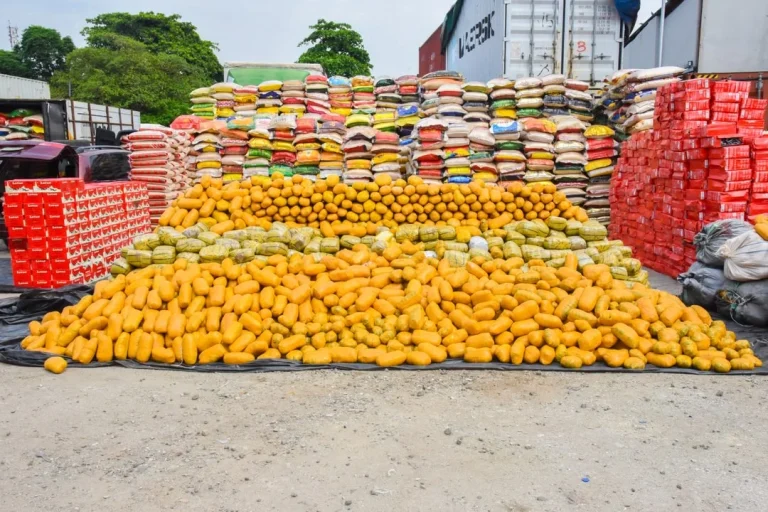
- Seizures included 3,407.83kg of cannabis, cocaine, methamphetamine and 23,220 new machetes.
- The Federal Operations Unit, Zone A, also recovered N683m through revenue enforcement activities.
- Customs warned that the smuggled machetes could pose security risks ahead of the 2027 general elections.
MAIN STORY
The Nigeria Customs Service has intercepted contraband goods with a combined duty-paid value of N6.19bn in four weeks, following 195 enforcement operations by its Federal Operations Unit, Zone A, Ikeja, Lagos.
The seizures covered illicit drugs, prohibited food imports, used vehicles, pharmaceutical products, weapons and other restricted items, as the service intensified efforts to curb smuggling and protect national security.
The Acting Customs Area Comptroller of the unit, Oladapo Afeni, disclosed the figures on Tuesday during his maiden press briefing in Ikeja, where he outlined the results of the unit’s renewed enforcement strategy.
Among the seized items were 5,986 parcels of cannabis weighing 3,407.83kg, 400 grammes of cocaine and 100 grammes of methamphetamine.
Other intercepted goods included imported rice, 173 cartons of frozen poultry products, 6,949 cartons of smuggled spaghetti, 459 bales and 39 jumbo sacks of second-hand clothing, 1,236 used tyres and 8,025 litres of Premium Motor Spirit.
The operation also led to the seizure of assorted pharmaceutical products, including codeine syrup, as well as 250 cartons of sardines without registration numbers from the National Agency for Food and Drug Administration and Control.
Afeni disclosed that the unit also intercepted 23,220 new machetes, 1,250 rounds of 12-calibre cartridges, 21 foreign-used vehicles and eight live pangolins.
Additionally, officers seized a 40-foot container, with identification number SEGU 5347239, carrying 2,760 pieces of office chairs in completely knocked-down form, alongside 11 means of conveyance.
The Customs official attributed the seizures to intelligence gathering, improved surveillance, risk-based examination and stronger cooperation with other government agencies.
He expressed concern over the volume of illicit drugs intercepted, particularly cannabis, warning that their circulation posed public health risks, especially among young people.
He said the seizures would help disrupt illegal supply networks, deprive traffickers of proceeds and limit the harmful consequences associated with drug consumption.
Afeni also raised concerns about the 23,220 machetes intercepted, alleging that their importation without the necessary certificates and permits could create security risks ahead of the coming elections.
He warned that the movement of such prohibited items could facilitate electoral violence and other security threats if smuggling activities were not effectively controlled.
Beyond its anti-smuggling operations, the unit reported recovering N683m between September 30, 2026, and the date of the briefing.
According to Afeni, the recovery came through compliance checks, scrutiny of import declarations, corrections of under-valued consignments and the issuance of demand notices.
He attributed the revenue recovery to improved risk profiling, targeted examination of suspicious declarations, teamwork and engagement with relevant stakeholders.
The comptroller assured importers, licensed customs agents and other members of the trading community that the unit would continue to facilitate legitimate trade while enforcing compliance with import regulations.
He identified false declarations, duty evasion and activities threatening national security as areas requiring sustained enforcement.
THE ISSUES
The scale and variety of the seizures highlight the multiple challenges confronting Nigeria’s border enforcement system. The interception of illicit drugs alongside food products, pharmaceuticals, weapons and other restricted imports points to the broad range of goods entering the country through prohibited channels.
The seizure of 23,220 machetes is particularly significant given the concerns surrounding electoral security. While Customs has warned about their possible use in disrupting peaceful elections, the interception also draws attention to the importance of monitoring the movement of potentially dangerous items before they reach their intended destinations.
The N683m revenue recovery also illustrates the financial implications of import violations. Under-valuation and false declarations reduce the duties payable to the government, making effective cargo examination and compliance monitoring important to revenue collection.
However, the volume of seizures also highlights the continuing enforcement burden on border authorities and the need for intelligence-led operations to prevent prohibited goods from entering the domestic market.
WHAT’S BEING SAID
“The seized items had a combined duty-paid value of N6.19bn,” Oladapo Afeni, Acting Customs Area Comptroller of the Federal Operations Unit, Zone A, said.
WHAT’S NEXT
The Customs unit said it would sustain surveillance, intelligence gathering and collaboration with security and regulatory agencies.
Afeni disclosed that seized narcotics and suspects would be handed over to the National Drug Law Enforcement Agency for further investigation and prosecution, while other prohibited goods would be transferred to the appropriate agencies in line with their statutory responsibilities.
The agencies identified for continued collaboration include the NDLEA, Nigeria Police Force, Department of State Services, Nigeria Immigration Service, Nigerian Army, NAFDAC and the National Environmental Standards and Regulations Enforcement Agency.
BOTTOM LINE
The N6.19bn seizure represents a major enforcement operation by the Nigeria Customs Service, but its broader significance lies in the range of prohibited goods intercepted. Sustaining these operations will be important to tackling smuggling, protecting public health, strengthening revenue collection and reducing the security risks associated with illegal imports.