








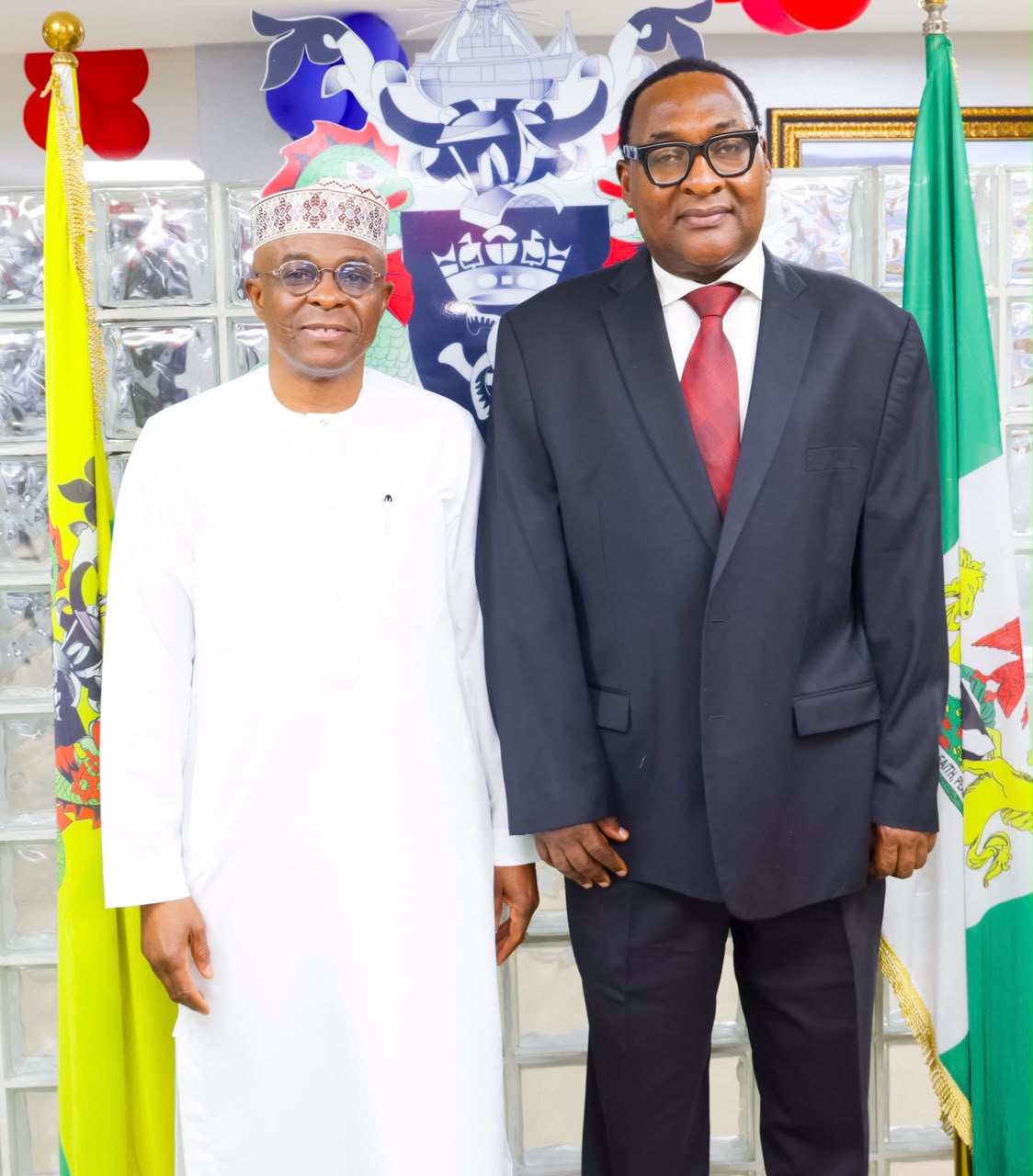
Key Points
- The Nigerian Ports Authority (NPA) is intensifying efforts to address bottlenecks affecting Nigeria’s non-oil exports.
- The transfer of Inland Dry Port management and development functions to the NPA is expected to improve access to port services for businesses outside coastal areas.
- Dedicated Export Processing Terminals are providing facilities for sorting, packaging, quality certification and customs documentation.
- NPA Managing Director, Dr Abubakar Dantsoho, said improved export logistics could strengthen foreign exchange inflows and Nigeria’s participation in global trade.
- The Abuja Chamber of Commerce and Industry (ACCI) has called for stronger collaboration with the NPA to improve trade facilitation and business competitiveness.
Main Story
The Nigerian Ports Authority (NPA) has intensified efforts to address bottlenecks affecting Nigeria’s non-oil exports, with measures aimed at improving cargo processing, expanding export channels and increasing foreign exchange earnings.
The Managing Director and Chief Executive Officer of the NPA, Dr Abubakar Dantsoho, disclosed this during the authority’s special day at the 21st Abuja International Trade Fair, organised by the Abuja Chamber of Commerce and Industry (ACCI) under the theme, “Resilient Trade, Taxation, and the Economy.”
Dantsoho said the authority was strengthening port infrastructure and extending maritime logistics into the hinterland to enable Nigerian exporters to access international markets more efficiently.
He noted that the country’s economic resilience could no longer depend largely on imports and oil revenues, stressing that expanding non-oil exports and integrating businesses into global value chains were critical to sustainable economic growth.
The NPA chief executive identified the Federal Government’s approval for the transfer of Inland Dry Port management and development functions to the authority as a significant step towards improving access to port services for businesses located far from coastal ports.
According to him, the development would particularly benefit exporters in northern and central Nigeria, including Abuja, by reducing the need to transport raw commodities to coastal ports before completing port clearance and documentation.
“By bringing Inland Dry Ports under the operational purview of the NPA, exporters in northern and central Nigeria, including right here in Abuja, no longer need to move raw commodities to coastal ports before undergoing port clearance and documentation,” Dantsoho said.
He added that the authority had introduced dedicated Export Processing Terminals to address operational challenges confronting non-oil exporters. The facilities serve as one-stop centres where sorting, packaging, quality certification and customs documentation can be completed before export cargo is transferred to port terminals.
Dantsoho said the interventions were supporting increased export activity, particularly in agricultural commodities and solid minerals, while helping Nigerian producers meet international delivery schedules.
He identified cocoa, sesame seeds, cashew nuts and hibiscus among the agricultural products that had recorded increased export activity over the past two years. He added that streamlined export channels could strengthen foreign buyers’ confidence in Nigerian products and improve foreign exchange inflows.
The NPA managing director urged businesses in agriculture, manufacturing, processing and solid minerals to take advantage of the emerging infrastructure to expand their participation in international markets.
“To our prospective businessmen and entrepreneurs, now is the time to embrace export trade,” he said.
Also speaking, the Director-General of the Abuja Chamber of Commerce and Industry, Agabaidu Jideani, called for stronger collaboration between the chamber and the NPA to facilitate trade, unlock investment opportunities and strengthen links between the maritime sector and the wider business community.
Jideani said closer engagement between the authority and the organised private sector was necessary to improve the ease of doing business, strengthen supply chains and enhance Nigeria’s participation in domestic, regional and international trade.
He noted that the efficiency, accessibility and competitiveness of Nigerian ports directly affected importers, exporters, manufacturers, distributors, logistics operators and retailers.
The ACCI director-general said the chamber could provide a structured platform for businesses to share their experiences with the NPA, while the authority could use such engagements to educate the business community on port operations, trade facilitation initiatives and opportunities within the maritime sector.
He described the NPA’s participation in the trade fair as an opportunity for dialogue, stakeholder engagement and partnership, adding that ACCI was ready to deepen collaboration through policy discussions, business forums, sensitisation programmes and capacity-building initiatives.
Jideani said sustained cooperation between the NPA and the organised private sector would contribute to more efficient trade, stronger economic linkages and a more competitive business environment.
The Issues
Nigeria’s efforts to diversify its economy depend partly on the ability of non-oil producers to access international markets efficiently. However, export bottlenecks, logistics costs and the distance between production centres and coastal ports can affect the competitiveness of Nigerian goods.
The integration of Inland Dry Ports with seaport operations and the establishment of dedicated Export Processing Terminals are intended to address some of these challenges by bringing essential export services closer to businesses and streamlining cargo processing.
Sustained collaboration between port authorities and the private sector is also important to ensure that trade facilitation measures respond to the practical needs of exporters. Improved infrastructure, efficient procedures and reliable logistics can help businesses meet international delivery requirements and explore new markets.
What’s Being Said
NPA Managing Director, Dr Abubakar Dantsoho, said:
“By bringing Inland Dry Ports under the operational purview of the NPA, exporters in northern and central Nigeria, including right here in Abuja, no longer need to move raw commodities to coastal ports before undergoing port clearance and documentation.”
He also urged businesses to embrace export opportunities, stating:
“To our prospective businessmen and entrepreneurs, now is the time to embrace export trade.”
ACCI Director-General, Agabaidu Jideani, said:
“The efficiency, accessibility and competitiveness of Nigeria’s ports have direct implications for importers, exporters, manufacturers, distributors, logistics operators, retailers and numerous other businesses across our sectoral groups.”
He added that stronger cooperation between the authority and the private sector was essential to improving trade and economic competitiveness.
What’s Next
The NPA is expected to continue implementing measures to improve export processing, strengthen inland logistics and expand access to port services across the country.
The planned integration of Inland Dry Ports with seaport operations and the use of dedicated Export Processing Terminals will be important to the authority’s efforts to reduce export bottlenecks. Collaboration with the ACCI and other private-sector stakeholders is also expected to support awareness of trade facilitation opportunities and improve engagement with businesses.
Bottom Line
The NPA’s export facilitation measures are aimed at making international trade more accessible to Nigerian businesses, particularly non-oil producers operating outside coastal areas. By improving logistics, streamlining export procedures and strengthening private-sector collaboration, the authority seeks to support export growth, improve Nigeria’s competitiveness and increase foreign exchange earnings.












 has intensified efforts to address bottlenecks affecting Nigeria’s non-oil exports, with measures ...)