Key Points
- High prices of imported dental equipment, materials, and hospital operating costs are making dental treatment increasingly difficult for many Nigerians to afford.
- Depreciation of the naira and rising energy expenses are contributing to higher healthcare bills.
- Limited health insurance coverage forces many patients to pay out of pocket, leading some to delay or abandon recommended dental procedures.
- Dentists warn that delayed treatment can result in complications, additional hospital visits, and more expensive interventi
Main Story
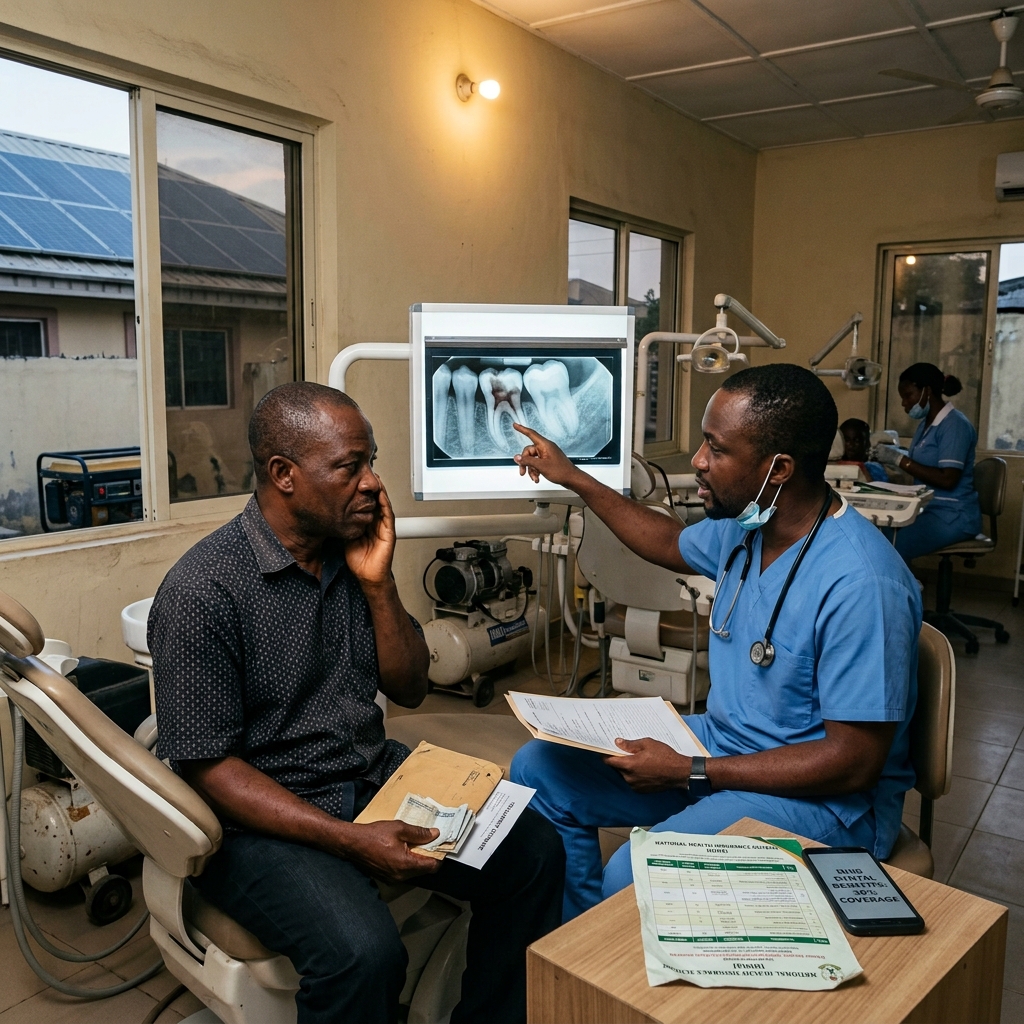
A persistent toothache can make eating, sleeping, and concentrating at work difficult. For many people, the obvious solution is to visit a dentist and get the problem treated. But for some Nigerians, the decision is not that simple.
The cost of consultations, dental examinations, X-rays, medications, and procedures can become a financial burden, particularly for households already struggling with rising living expenses.
As a result, some patients postpone appointments, seek cheaper alternatives, or abandon treatment altogether.
Dr Ridwan Kekere-Ekun, Deputy Medical Director and Chief Dental Officer at General Hospital, Apapa, Lagos, has warned that the high cost of dental care is limiting access to timely treatment in Nigeria.
In an interview with the News Agency of Nigeria on Monday, Kekere-Ekun identified expensive dental materials and equipment, rising hospital operating costs, inadequate government funding, and limited public confidence in health insurance schemes as major factors contributing to the problem.
According to him, many dental materials and pieces of equipment are imported, making treatment costs vulnerable to changes in exchange rates. The depreciation of the naira has increased the cost of obtaining these essential supplies.
Hospitals must also contend with rising energy expenses, including the cost of petrol and diesel used to power generators. These expenses add to the cost of running healthcare facilities and can ultimately be reflected in patients’ bills.
For patients who cannot afford the charges, necessary treatment may become something they have to postpone rather than receive when they need it.
The Issues
The financial challenges facing dental care are connected to broader problems within Nigeria’s healthcare system.
Unlike emergency conditions that often force people to seek immediate medical attention, some dental problems may initially appear manageable. A patient experiencing tooth sensitivity or a mild toothache might decide to wait until the pain becomes unbearable.
Unfortunately, delaying treatment can allow an underlying problem to worsen.
A condition that could have been addressed with a relatively straightforward intervention may eventually require more complicated procedures, additional investigations, or specialist care.
Kekere-Ekun said financial difficulties frequently prevent patients from completing recommended investigations and treatments. Some choose only one procedure when several are needed, while others abandon treatment because they cannot afford the full cost.
He warned that these decisions could lead to further complications, unplanned hospital admissions, longer hospital stays, and extended treatment periods.
The consequences can affect more than a patient’s health. Repeated hospital visits may mean missed working hours, additional transport expenses, and greater financial pressure on families.
For people earning irregular incomes, even a single unexpected medical bill can disrupt household budgets.
Health insurance can help protect patients from paying the full cost of medical treatment themselves. However, where coverage is limited or benefits are inadequate, individuals may still have to finance much of their dental care directly.
Kekere-Ekun identified limited public trust in health insurance schemes as another challenge affecting access to treatment.
When patients do not have effective coverage, they may have to pay separately for consultations, diagnostic tests, prescriptions, and dental procedures.
These expenses can discourage people from seeking help early.
The dentist called for mandatory enrolment in health insurance schemes, accompanied by public education to help Nigerians understand how coverage works and why it matters.
For such measures to be effective, however, insurance schemes must be accessible, transparent, and capable of covering essential dental services. People also need confidence that they can receive appropriate care without facing unexpected costs.
What’s Being Said
Kekere-Ekun urged the government to increase funding for dental units in public hospitals and reduce import duties on dental equipment to make treatment more affordable.
He also recommended investment in preventive dental care through public education, community outreach, free scaling and polishing, and partnerships between public institutions and private healthcare providers.
Preventive care is important because it can help people identify potential problems before they become more complicated. Regular dental check-ups, brushing with fluoride toothpaste, limiting frequent consumption of sugary foods and drinks, and seeking professional advice when symptoms appear can all support better oral health.
However, prevention must go hand in hand with access to treatment. Public awareness campaigns cannot solve the problem if patients who need professional care cannot afford it.
The dentist also called for measures to reduce hospitals’ energy costs, including electricity and diesel subsidies, generator support, and solar installations.
Reducing these expenses could help ease some of the financial pressures facing healthcare facilities, although the effect on patients’ bills would depend on how the savings were managed.
What’s Next
Improving access to dental services will require coordinated action from government, healthcare providers, insurers, and communities.
Public hospitals need adequate funding and reliable infrastructure. Insurance providers need to offer practical coverage for essential dental procedures, while policymakers could review the duties and other costs affecting imported dental equipment.
Expanding community dental programmes could also help reach people who rarely visit dental facilities because of cost, distance, or limited awareness.
For patients, the priority is to seek professional advice early rather than wait for pain to become severe. Anyone experiencing persistent toothache, swelling, bleeding, or other concerning oral symptoms should arrange an assessment with a qualified dental professional.
Bottom Line
The high cost of dental care in Nigeria is more than a financial inconvenience. It can determine whether someone receives treatment early or waits until a manageable problem becomes more serious.
As Kekere-Ekun’s concerns highlight, improving access will require more than asking patients to take better care of their teeth. It will also mean addressing the cost of equipment, hospital operations, insurance coverage, and preventive services.
Dental health should not become a luxury reserved for people who can afford expensive treatment. Making essential dental services more accessible is an important step towards a healthier population and a more equitable healthcare system.