







Key Points
- Nutrition expert Prof. Kola Anigo says Nigeria needs a broader strategy to reduce anaemia among pregnant women.
- He recommends combining MMS with dietary improvement, food fortification and community engagement.
- He calls for stronger state and local government ownership of nutrition programmes.
Main Story

Nigeria needs a coordinated approach that combines micronutrient supplementation, improved diets, food fortification and community participation to reduce anaemia among pregnant women, a nutrition expert has said.
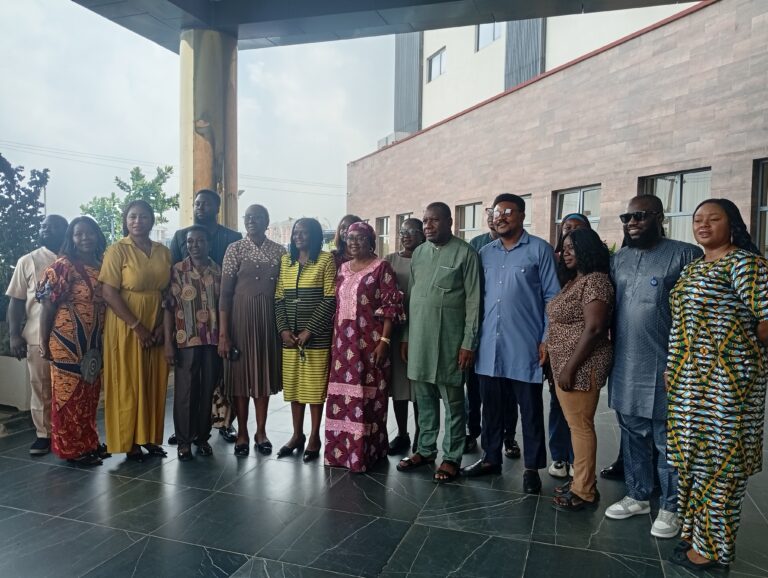
Prof. Kola Anigo, National Coordinator, Academic and Research Network, Scaling Up Nutrition in Nigeria (ARN-SUNN), made the recommendation in Abuja at a media roundtable organised by Civil Society-Scaling Up Nutrition in Nigeria (CS-SUNN).
Speaking on the technical considerations involved in introducing Multiple Micronutrient Supplements (MMS) through routine antenatal care, Anigo said anaemia had several nutritional and health-related causes and should not be addressed solely as an iron deficiency problem.
He identified poor diets, food insecurity and infections among factors that could contribute to anaemia, making a broader intervention necessary.
MMS, he said, could provide a wider range of nutrients than conventional iron-folic acid supplementation because it contains 15 micronutrients compared with the two nutrients provided by the traditional approach.
Anigo said the Federal Ministry of Health and Social Welfare had developed a roadmap for incorporating MMS into routine antenatal care. However, he stressed that implementation would depend largely on state-level planning.
States, he said, would need clear arrangements covering procurement, distribution and delivery through health facilities.
He also warned that supplying MMS would not automatically translate into consistent use by pregnant women. Public awareness, community mobilisation and effective counselling by healthcare workers would therefore be necessary to ensure uptake.
According to Anigo, communities should play a direct role in generating awareness, particularly among women in underserved areas, while health workers should receive adequate training to explain the benefits and correct use of the supplements.
He described successful MMS implementation as a package requiring more than procurement, including service readiness, trained personnel, community participation and demand generation.
The nutrition expert also called for greater ownership of nutrition interventions by states and local governments, arguing that federal policies would have limited impact without effective implementation at the local level.
Anigo said food fortification should remain part of Nigeria’s medium-term response to micronutrient deficiencies, while improving dietary diversity would provide a longer-term solution.
He, however, cautioned that conventional fortification programmes might fail to reach some rural households, particularly communities where subsistence farmers consume a significant proportion of food produced locally.
Fortified products may be available in markets, he said, without reaching households that cannot afford to buy them.
He therefore proposed exploring local solutions, including fortification at community milling points, to reach populations that process their own staple foods.
Anigo said nutrition interventions should be designed around Nigeria’s food systems and economic realities rather than adopting approaches from other countries without adapting them to local conditions.
He said improving dietary diversity remained essential but would require sustained efforts to make nutritious foods both available and affordable.
The Issues
The challenge extends beyond providing pregnant women with supplements. Anigo’s argument is that anaemia has multiple determinants, meaning supplementation alone may not address the full problem.
Implementation is another major concern. The success of MMS will depend on procurement and distribution, but also on whether health facilities are prepared, health workers are trained and women receive enough information and support to use the supplements consistently.
The limits of conventional food fortification also raise questions about how nutrition programmes can reach rural households that depend heavily on food produced outside formal commercial markets.
What’s Being Said
“It’s not all anaemia that is a result of iron deficiency,” — Prof. Kola Anigo, National Coordinator, Academic and Research Network, Scaling Up Nutrition in Nigeria.
“The issue of demand generation is a key activity, a key component of the implementation plan,” — Prof. Kola Anigo, National Coordinator, Academic and Research Network, Scaling Up Nutrition in Nigeria.
“It’s not just because when it comes to the issue of policy and plan, Nigeria, we can stand at number one. But the critical issue is implementation,” — Prof. Kola Anigo, National Coordinator, Academic and Research Network, Scaling Up Nutrition in Nigeria.
“Every country must look at its own problem and be intentional in trying to solve that problem,” — Prof. Kola Anigo, National Coordinator, Academic and Research Network, Scaling Up Nutrition in Nigeria.
What’s Next
States and local governments will need to translate the national MMS roadmap into practical implementation plans covering procurement, distribution, health facility readiness and community mobilisation.
Policymakers and programme implementers will also need to strengthen dietary and food fortification interventions while developing approaches capable of reaching underserved and rural populations.
Bottom Line
Nigeria’s response to anaemia among pregnant women will require more than micronutrient supplementation. An integrated strategy combining MMS, better diets, appropriate food fortification and community-level implementation is needed to address both the immediate and underlying causes of the problem.