







Key points
- More than 2,700 people have died from Ebola in the Democratic Republic of the Congo (DRC), with about 500 new cases emerging weekly.
- UN Secretary-General António Guterres warned that the response is only 48 per cent funded and could run out of resources within weeks.
- Insecurity, displacement and attacks on health workers are complicating efforts to contain the outbreak and prevent cross-border spread.
Main story
More than 2,700 people have died from Ebola in the Democratic Republic of the Congo (DRC), with about 500 new cases emerging weekly as the United Nations appeals for urgent funding to contain the outbreak.
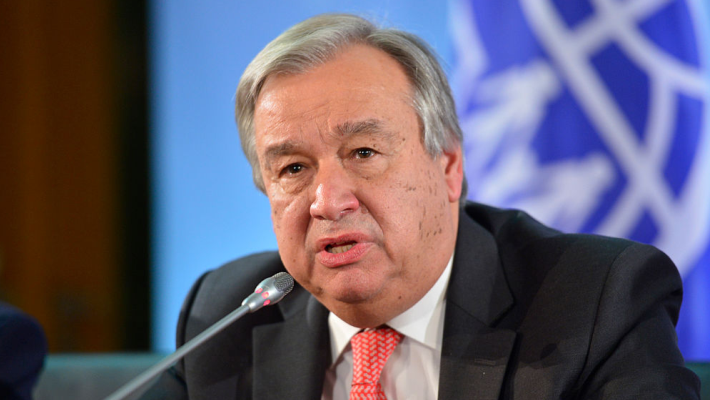
UN Secretary-General António Guterres raised the alarm at the UN Headquarters in New York, warning that the worsening outbreak could claim more lives if the international community fails to expand funding and containment efforts.
Guterres said the humanitarian response was only 48 per cent funded, with existing resources expected to last only a few weeks at a time when operations need to be expanded.
He appealed for an additional $1.1 billion to sustain critical operations and prevent the outbreak from spreading further.
The UN chief said the world already had the knowledge and tools required to contain Ebola, interrupt transmission and save lives, but warned that insufficient international attention could undermine the response.
The World Health Organisation (WHO) said interventions had slowed transmission but had not yet reversed the overall trend, as insecurity, displacement and weak health systems continued to hamper containment efforts.
The outbreak is spreading through areas affected by decades of conflict, where more than 12 million people require humanitarian assistance and protection.
In Ituri Province alone, about one million people have been displaced, making surveillance, contact tracing, treatment and prevention more difficult.
The security situation has also directly affected the health response, with more than 40 healthcare workers killed and treatment centres and ambulances attacked during containment operations.
UN humanitarian agencies said responders were therefore dealing with both the disease and insecurity, which has continued to restrict access to some affected communities.
Despite the challenges, health and humanitarian agencies have expanded their response. The UN Office for the Coordination of Humanitarian Affairs (OCHA) said partners had deployed 35 additional safe and dignified burial teams and 286 community-based teams involving more than 2,500 volunteers and civil protection personnel.
WHO has deployed more than 260 experts and delivered over 330 tonnes of medical and logistical supplies to support treatment, surveillance and other containment activities.
The World Food Programme is supporting frontline operations and medical evacuations through the UN Humanitarian Air Service, while the International Organization for Migration (IOM) has screened more than one million people across the region.
Concern about the outbreak spreading beyond the DRC has also prompted additional preparedness measures in neighbouring countries.
IOM has launched a preparedness plan covering 11 countries, while WHO said Burundi, which borders affected areas of the DRC, was strengthening its laboratory capacity, response guidelines and public awareness.
Burundi has not recorded a confirmed case of the disease, according to WHO.
Meanwhile, Uganda has been declared free of its separate Bundibugyo Ebola outbreak after recording no new confirmed case for 42 consecutive days.
The Ugandan outbreak recorded 20 infections and two deaths before the country reached the internationally recognised benchmark for declaring an outbreak over.
The 42-day period represents twice the upper limit of Ebola’s incubation period and is the established criterion for determining that transmission has been interrupted.
The issues
The Ebola response in the DRC is being complicated by a combination of inadequate funding, insecurity, displacement and weak health systems.
The funding shortfall is particularly concerning because response operations need to expand while existing resources could run out within weeks. At the same time, attacks on healthcare workers and medical facilities are limiting access to affected communities and disrupting containment activities.
The displacement of about one million people in Ituri also makes it harder to trace contacts, monitor transmission and provide treatment, while the proximity of affected areas to neighbouring countries increases the risk of cross-border transmission.
What’s being said
Guterres warned that the international community must provide additional funding before critical Ebola operations are forced to scale back.
WHO said its interventions had slowed transmission but had not yet reversed the overall trend, with insecurity and displacement continuing to complicate the response.
Health agencies said the situation required sustained international support because the outbreak was occurring in communities already affected by prolonged conflict and humanitarian needs.
What’s next
The UN is seeking an additional $1.1 billion to sustain and expand humanitarian and Ebola response operations in the DRC.
WHO, IOM and other agencies will continue surveillance, contact tracing, treatment, vaccination and preparedness activities while neighbouring countries strengthen their capacity to detect and respond to possible imported cases.
Bottom line
The Ebola outbreak in the DRC is becoming increasingly difficult to contain as high transmission, insecurity, displacement and inadequate funding converge.
The UN says the tools to control the disease already exist, but without an additional $1.1 billion, the response risks losing momentum at a critical point.




, with about 500 new cases emerging ...)