Key points
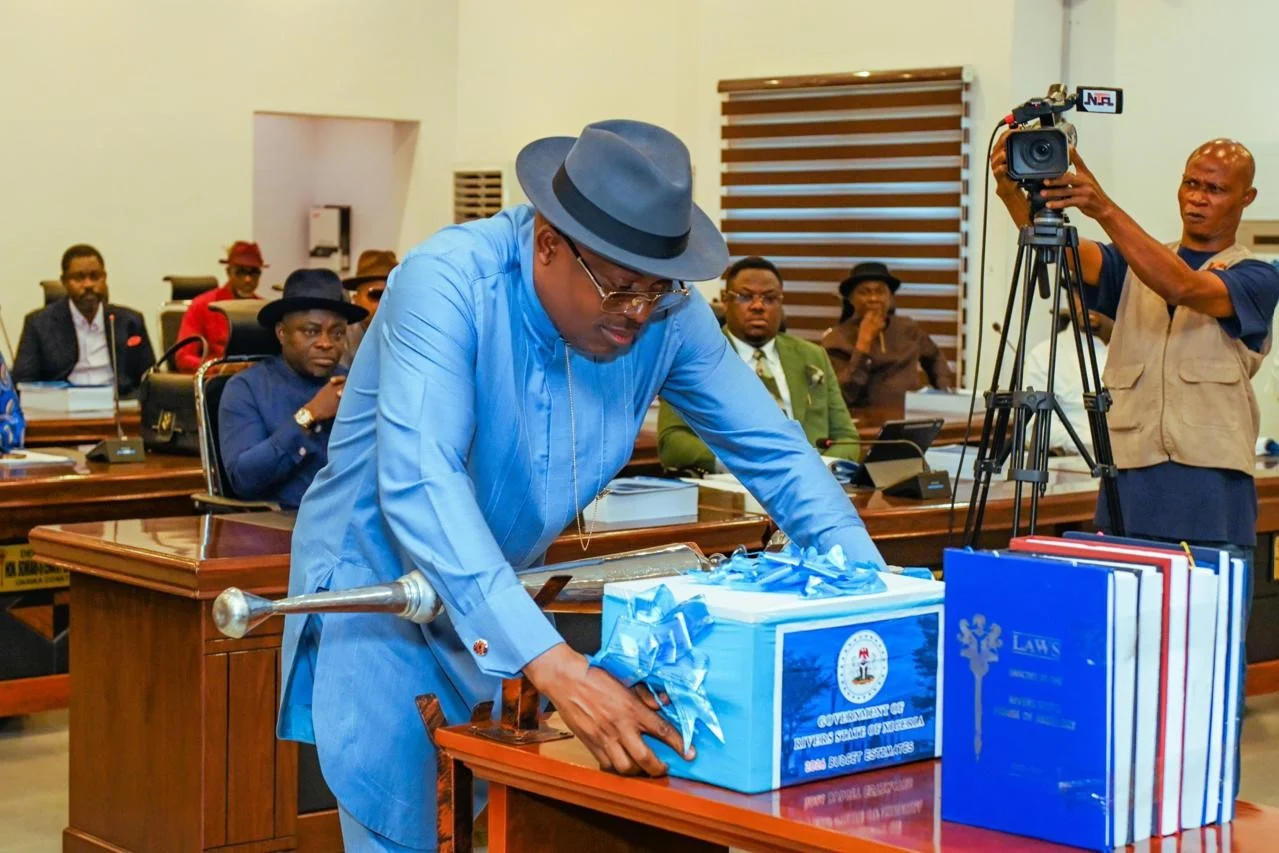
- Rivers State Governor Siminalayi Fubara presented a ₦1.854 trillion 2026 Appropriation Bill to the state House of Assembly on July 10.
- The budget, tagged “Budget of Resilience for Growth and Development,” remains unpassed more than a month after presentation.
- Investigations indicate that fresh agreements reportedly reached between Fubara and the Martin Amaewhule-led Assembly are at the centre of the delay.
- The impasse has reportedly affected the execution of some projects across the state, including the multi-billion-naira Ring Road.
- FCT Minister Nyesom Wike alleged that Fubara had failed to honour about 90 per cent of agreements reached with the lawmakers.
- Stakeholders are demanding transparency and urging both arms of government to resolve their differences and pass the budget.
- The delay has heightened concerns over the shrinking timeframe for implementing the 2026 budget.
Main Story
The fate of Rivers State’s ₦1.854 trillion 2026 budget has become entangled in fresh disagreements between Governor Siminalayi Fubara and the state House of Assembly, with lawmakers yet to pass the appropriation bill more than a month after it was presented.
Fubara presented the budget, tagged “Budget of Resilience for Growth and Development,” to the Martin Amaewhule-led Assembly on July 10, after prolonged political tensions had delayed its presentation.
Although the Speaker expressed concern over the late submission, lawmakers assured the governor that the proposal would receive the necessary legislative attention in the interest of the state.
However, little progress has been publicly reported since the presentation, with concerns mounting over the absence of visible budget defence proceedings and other legislative processes ordinarily required before passage.
Investigations indicate that fresh agreements reportedly reached between the governor and lawmakers before the budget was presented have become a major sticking point.
A source close to the Assembly, who spoke on condition of anonymity, said the agreements were part of efforts to resolve the political crisis and create an atmosphere for the governor to present the appropriation bill.
According to the source, the governor has allegedly failed to fulfil some of the commitments made under the agreement, leading to a breakdown in trust between the Executive and the legislature.
The source said some of the outstanding issues reportedly relate to lawmakers’ benefits, entitlements and constituency projects.
The delay is already raising concerns over governance and project implementation, with some projects across the state reportedly either stalled or proceeding at a limited pace because of the absence of appropriated funds.
The proposed ₦41.4 billion allocation to the House of Assembly has also attracted criticism, with some residents and stakeholders questioning the size of the allocation, while others argue that adequate funding is necessary for the legislature to perform its constitutional functions.
The Issues
At the centre of the dispute is the fragile relationship between the Rivers Executive and Legislature following years of political crisis.
The immediate concern, however, is no longer simply the political disagreement but its potential impact on governance.
Every month spent without an approved budget reduces the time available for implementation, particularly for capital projects and programmes that require procurement, mobilisation and execution.
The delay could also affect contractors, public-sector programmes and communities waiting for roads, healthcare facilities, schools and other infrastructure.
There is an additional accountability question: what exactly is delaying the budget?
With neither side publicly providing a comprehensive explanation of the negotiations surrounding the bill, citizens are left to rely largely on competing claims from political actors and sources within the Assembly.
Stakeholders say greater transparency from both the Executive and Legislature would help prevent the budget process from becoming another casualty of the state’s political tensions.
What’s Being Said
Nyesom Wike, FCT Minister
Wike, a former governor of Rivers State and political ally turned opponent of Fubara, alleged that the governor had failed to honour most of the agreements reached with the lawmakers.
He specifically cited the alleged failure to release funds to the State Assembly Service Commission and provide other benefits.
“I will tell you totally that the governor has failed 90 per cent of what they all agreed on.”
Wike, however, expressed confidence that the budget would eventually be passed and assented to.
Obinna Ebogidi, Convener, Rivers Peace Initiative
Ebogidi urged the Executive and Legislature to explain the status of the budget and resolve whatever issues are delaying its passage.
He said Rivers residents deserved clarity, particularly because lawmakers had initially indicated that the late presentation would receive accelerated consideration.
“The concern is not about rushing the legislative process, but about ensuring that the process does not lose momentum.”
Ebogidi warned that political developments ahead of the 2027 elections should not interfere with governance.
“Irrespective of the political arrangements around 2027, the government must continue to function.”
He said the remaining months of the administration should be measured by tangible development rather than political manoeuvring.
Oscar Imeabe, National President, South-South Youths Initiative
Imeabe expressed concern that the budget remained pending one month after presentation, stressing that budgets serve as the blueprint for development.
“Every day of delay is a day of delayed roads, schools, hospitals, and youth programmes.”
He urged the House of Assembly to prioritise the bill’s passage to enable government to continue implementing development programmes.
What’s Next
The immediate priority is for the Rivers State Executive and House of Assembly to resolve their differences and advance the appropriation bill through the remaining legislative stages.
The Assembly is expected to scrutinise the proposal, conduct the necessary budget defence and make any amendments before passage.
The governor, on his part, would be required to assent to the bill once it is passed.
Stakeholders are also calling for greater transparency around any agreements reached between the Executive and lawmakers, particularly those that could affect public finances.
For Rivers residents, the bigger concern is the impact of continued political negotiations on actual governance. With the 2026 fiscal year already well underway, further delays could significantly compress the period available for implementing capital projects and other government programmes.
Bottom Line
Rivers State’s ₦1.85 trillion 2026 budget is caught between political reconciliation and the urgent demands of governance. While the Executive and Legislature appear to be negotiating unresolved agreements behind the scenes, citizens are increasingly concerned about what the delay means for infrastructure, public services and development.
The central issue is no longer simply when the budget will be passed, but whether Rivers’ political leadership can separate political bargaining from the state’s urgent development needs.
As stakeholders put it, Rivers residents have already endured years of political gridlock. The remaining months of 2026 should therefore be about delivering governance, not extending the crisis.