Key points
- The Federal Government has trained 1,127 youths and women in Plateau State in various vocational and technical skills.
- The beneficiaries were trained in agriculture technology, automobile repairs, confectionery, tailoring, cooking and catering, masonry, grinding and vulcanising.
- The two-week training was implemented under the Renewed Hope Vocational and Skills Training programme through the National Social Investment Programme Agency (N-SIPA).
- Training was conducted across seven centres in Plateau State.
- Beneficiaries received starter packs and cash to enable them to begin applying their skills.
- The government said the initiative was designed to tackle poverty by equipping beneficiaries with practical, income-generating skills.
- Plateau State Government urged beneficiaries to use the training and starter packs productively rather than sell them.
Main Story
The Federal Government has trained 1,127 youths and women in Plateau State in agriculture technology, automobile repairs and other vocational skills as part of efforts to reduce poverty and expand opportunities for self-employment.
The training was conducted under the Renewed Hope Vocational and Skills Training programme through the National Social Investment Programme Agency (N-SIPA).
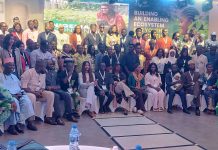
Speaking at the closing ceremony of the training in Kuru, near Jos, the Coordinator of the Social Investment Programme in Plateau, Mrs Mary Fom, said the initiative was designed to equip young people with practical skills capable of improving their livelihoods.
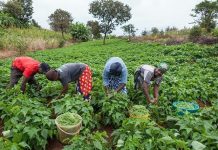
The beneficiaries received training in agriculture technology, automobile repairs, confectionery, tailoring, cooking and catering, masonry, grinding and vulcanising.
Fom said the participants underwent two weeks of intensive training across seven centres in the state and were provided with starter packs and cash to help them commence their businesses.
She urged the beneficiaries to take advantage of the opportunity by starting small, building competence and maintaining high standards in their chosen trades.
According to her, the changing employment landscape means young people must increasingly develop skills that enable them to create solutions and generate income rather than depend solely on conventional white-collar employment.
She also encouraged the beneficiaries to pass their knowledge on to members of their communities, saying this would help multiply the economic impact of the programme.
The Issues
The major challenge is turning vocational training into sustainable livelihoods.
While skills acquisition can improve employability and self-employment, beneficiaries also require access to markets, finance, mentorship, equipment and a stable business environment to ensure that newly established enterprises survive and grow.
The provision of starter packs is therefore significant, but the long-term success of the programme will depend on whether beneficiaries continue to receive support as they move from training to actual business operations.
There is also the need to ensure that the equipment and materials provided are used for their intended purpose rather than sold for immediate financial needs.
What’s Being Said
Mrs Mary Fom, Coordinator, Social Investment Programme, Plateau
Fom urged beneficiaries to turn their newly acquired skills into productive ventures rather than wait for conventional employment.
“The world does not owe you employment but the world certainly and will always pay for problems that get solved.”
She encouraged them to see themselves as economic opportunities rather than job seekers.
“You are no longer waiting or looking for opportunity, you are opportunity yourselves.”
Fom also urged beneficiaries to start small, develop excellence in their trades and train others within their communities.
Mr Samuel Jatau, Secretary to the Plateau State Government
Jatau, represented by Mr Timothy Gayi, Permanent Secretary, Policy in the Office of the SSG, urged beneficiaries to put their training into practice.
He specifically warned them against selling the starter packs provided to support their businesses.
Jatau said the Caleb Mutfwang-led administration would continue to introduce policies and programmes aimed at lifting Plateau residents out of poverty.
He also commended the Federal Government for the initiative, saying it would contribute to the state’s economic prosperity.
What’s Next
The immediate priority is for the 1,127 beneficiaries to transition from training to productive economic activity using the skills, starter packs and financial support provided.
Government and relevant agencies will also need to monitor the beneficiaries and provide appropriate follow-up support to improve the sustainability of the businesses.
The beneficiaries are expected to transfer their skills to others in their communities, potentially creating a wider multiplier effect through apprenticeships, new enterprises and employment.
Bottom Line
The training of 1,127 Plateau youths and women represents an effort to tackle poverty by shifting attention from job-seeking to skills-based entrepreneurship. The real measure of success, however, will be whether the beneficiaries can convert their training and starter packs into sustainable businesses, income and jobs for others.