









Key Points
- NDPHC says optimising electricity infrastructure is critical to Nigeria’s socio-economic development.
- Adighije identifies reliable power as essential for investment, industrialisation and job creation.
- She says the Electricity Act 2023 has opened new opportunities for sub-national electricity markets.
- NDPHC is repositioning to improve asset value through efficiency, governance and strategic partnerships.
Main Story
The Managing Director of Niger Delta Power Holding Company (NDPHC), Jennifer Adighije, has called for greater optimisation of Nigeria’s electricity infrastructure to unlock investment, industrialisation and wider socio-economic development.
Adighije made the call at a Distinguished Alumni Lecture organised by the Department of Electrical and Electronics Engineering, University of Lagos (UNILAG), where she said the country’s ability to achieve sustainable economic growth would depend significantly on the reliability and affordability of its electricity supply.
Speaking on the theme, “Optimising Electricity for Powering Nigeria’s New Socio-Economic Frontiers,” she described electricity as a major determinant of economic competitiveness, noting that countries with dependable power systems were better positioned to attract investment, create jobs and expand industrial activity.
She said ongoing reforms in the electricity sector provided an opportunity to improve access and service delivery while creating conditions for increased private-sector investment.
Adighije identified the Electricity Act 2023 as a significant development in the sector, particularly because it allows states to establish and regulate their own electricity markets.
According to her, the legislation is creating opportunities for competition, innovation and investment while supporting the development of sub-national electricity markets.
She said NDPHC was also repositioning its operations to maximise the value of its assets through improved operational efficiency, stronger governance and strategic partnerships.
Adighije said the company remained committed to supporting the transformation of the electricity supply industry through better asset management and infrastructure optimisation.
Looking ahead, she said emerging technologies would increasingly shape Nigeria’s electricity system, pointing to artificial intelligence, automation, battery storage, smart metering and advanced power electronics as areas that would influence the sector’s future.
She urged engineering students to maintain a culture of continuous learning, professionalism and discipline, stressing that engineering should remain focused on solving societal problems.
“Engineering should be viewed as a vocation dedicated to solving societal challenges and building infrastructure that supports economic growth,” she said.
Adighije expressed confidence that Nigeria’s electricity sector was entering a period characterised by reform, innovation, collaboration and increased investment.
She said optimising the electricity system would be essential to meeting the needs of households, businesses and industries while helping the country realise its economic potential.
The Vice-Chancellor of UNILAG, Prof. Folasade Ogunsola, described the lecture as a celebration of institutional excellence and collaboration.
Ogunsola praised Adighije as a distinguished alumna and said the rapid technological changes associated with the Fourth Industrial Revolution made closer collaboration between academia, industry and government increasingly important.
The lecture brought together academics, industry professionals, students and other stakeholders to discuss electricity reforms, technological innovation and the role of engineering in economic development.
The Issues
Nigeria’s electricity challenge is not only about generating more power but also about making better use of existing infrastructure. Adighije’s position places asset optimisation, improved governance and emerging technologies at the centre of efforts to make the electricity sector more productive and economically impactful.
What’s Being Said
Adighije says reliable and affordable electricity is fundamental to investment, industrialisation, employment and sustainable growth, while the Electricity Act 2023 has created new opportunities for private-sector participation and state-level electricity markets.
What’s Next
NDPHC is expected to continue efforts to improve the efficiency and value of its electricity assets while supporting wider sector reforms and partnerships. Emerging technologies such as battery storage, smart metering and automation are also expected to play a growing role in the sector.
Bottom Line
NDPHC believes Nigeria can extract greater economic value from its electricity system by optimising infrastructure, improving efficiency and using reforms and technology to attract more investment.





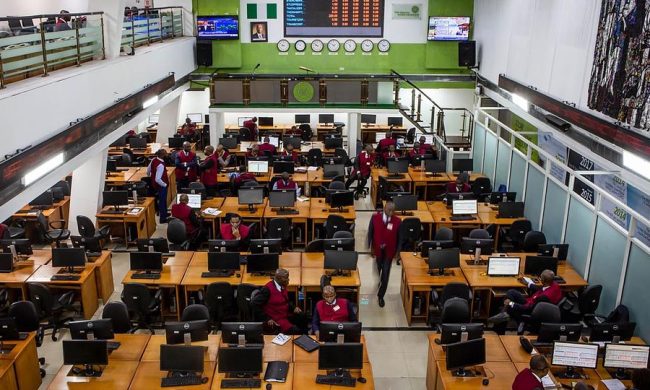




, Jennifer Adighije, has called for greater optimisation ...)