








By Boluwatife Oshadiya | August 5, 2026
Key Points
- Greenwich Alpha ETF led NGX-listed ETFs in July with a 30.41% monthly gain
- Nine of the 12 listed ETFs posted positive returns as the segment recovered from H1 2026 losses
- Total ETF trading value reached ₦2.39 billion, with 12.74 million units exchanged during the month
Main Story
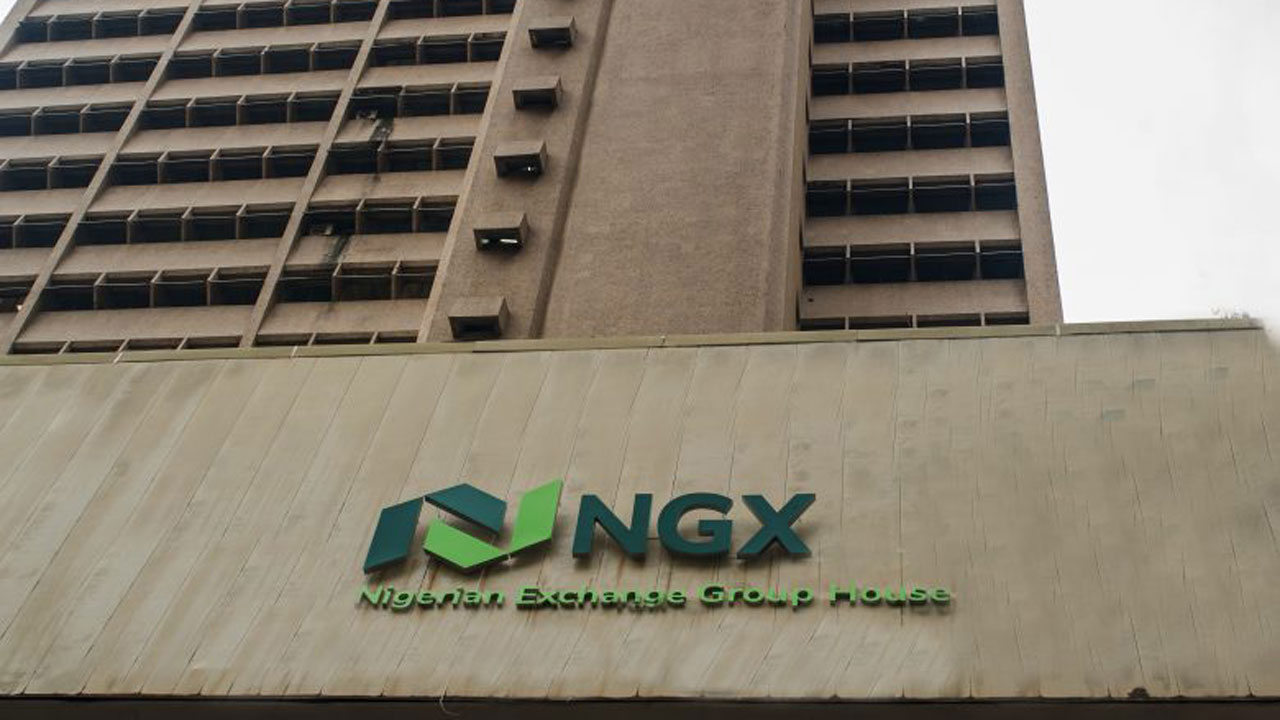
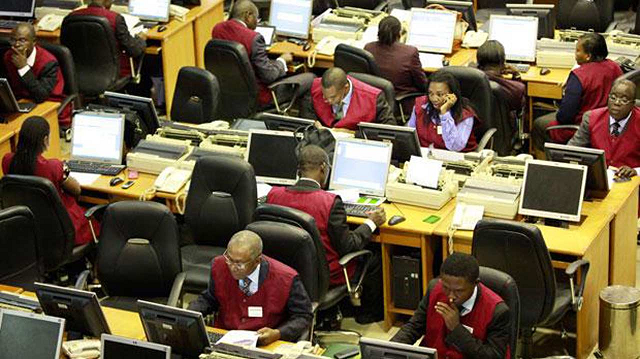
Exchange Traded Funds (ETFs) listed on the Nigerian Exchange (NGX) recorded a broad recovery in July 2026, with nine of the 12 tracked funds closing the month higher, led by the Greenwich Alpha ETF, which gained 30.41%.
Data compiled by Nairametrics Research from NGX trading activity showed the Greenwich Alpha ETF advanced to ₦917.98 in July from ₦703.92 in June, while its market capitalisation increased to ₦5.27 billion from ₦4.04 billion, making it the best-performing ETF during the period.
The positive performance extended across much of the ETF market, with the Vetiva Banking ETF rising 28.29%, followed by the Vetiva Industrial ETF, which gained 24.68%. Other notable performers included the Meristem Growth ETF (+19.28%), SIAML Pension ETF 40 (+18.98%), NewGold ETF (+15.31%), Lotus Halal Equity ETF (+6.50%), Vetiva Consumer Goods ETF (+4.07%) and Meristem Value ETF (+1.41%). The Vetiva S&P Nigeria Sovereign Bond ETF closed largely unchanged.
Overall, ETFs generated a total trading volume of 12.74 million units, valued at ₦2.39 billion during the month. The Vetiva Banking ETF recorded the highest traded volume at 5.73 million units, while the Stanbic IBTC ETF 30 posted the highest transaction value of ₦823.92 million, reflecting its relatively high unit price.
Despite the broad market recovery, two ETFs finished the month in negative territory. The Vetiva Griffin 30 ETF declined 0.56%, while the Stanbic IBTC ETF 30 recorded the sharpest monthly loss, falling 9.62% after delivering exceptional gains during the first half of the year.
Market analysts note that ETF prices on the NGX can sometimes diverge from their underlying Net Asset Value (NAV) because of relatively low market liquidity, meaning price movements may be driven by trading activity rather than changes in the value of the underlying assets.
What’s Being Said
Nine of the twelve tracked ETFs recorded gains in July, marking a meaningful reversal from the broad correction witnessed during the latter stages of the first half of 2026, according to data compiled by Nairametrics Research from Nigerian Exchange trading activity.
Analysts also note that relatively thin liquidity within the ETF market means price movements do not always reflect changes in the underlying value of constituent assets, making trading activity a significant driver of short-term performance.
What’s Next
- Investors will monitor whether July’s rebound can be sustained as trading activity on the NGX strengthens in the third quarter.
- Market participants are also expected to watch second-half corporate earnings and broader equity market performance, which could influence ETF returns in the coming months.
- Liquidity trends across the ETF market will remain a key indicator of whether recent price gains are supported by stronger investor participation.
Bottom Line
The Bottom Line: July’s performance suggests investor sentiment toward NGX-listed ETFs is improving after a difficult first half of 2026. While the broad-based gains point to renewed market confidence, relatively low liquidity means investors should continue to evaluate ETF performance alongside underlying asset values rather than price movements alone.






 listed on the Nigerian Exchange (NGX) recorded a broad recovery in July 2026, with nine of the 12 tracked funds..)