





KEY POINTS
- UN Secretary-General António Guterres has condemned US sanctions targeting the International Criminal Court as an institution.
- US Secretary of State Marco Rubio threatened to dismantle the court unless it ends what Washington considers a threat to American citizens.
- The ICC described the sanctions as an assault on the rule of law and said it would continue its work.
- Independent UN human rights experts urged states to defend the court’s independence and international accountability.
MAIN STORY
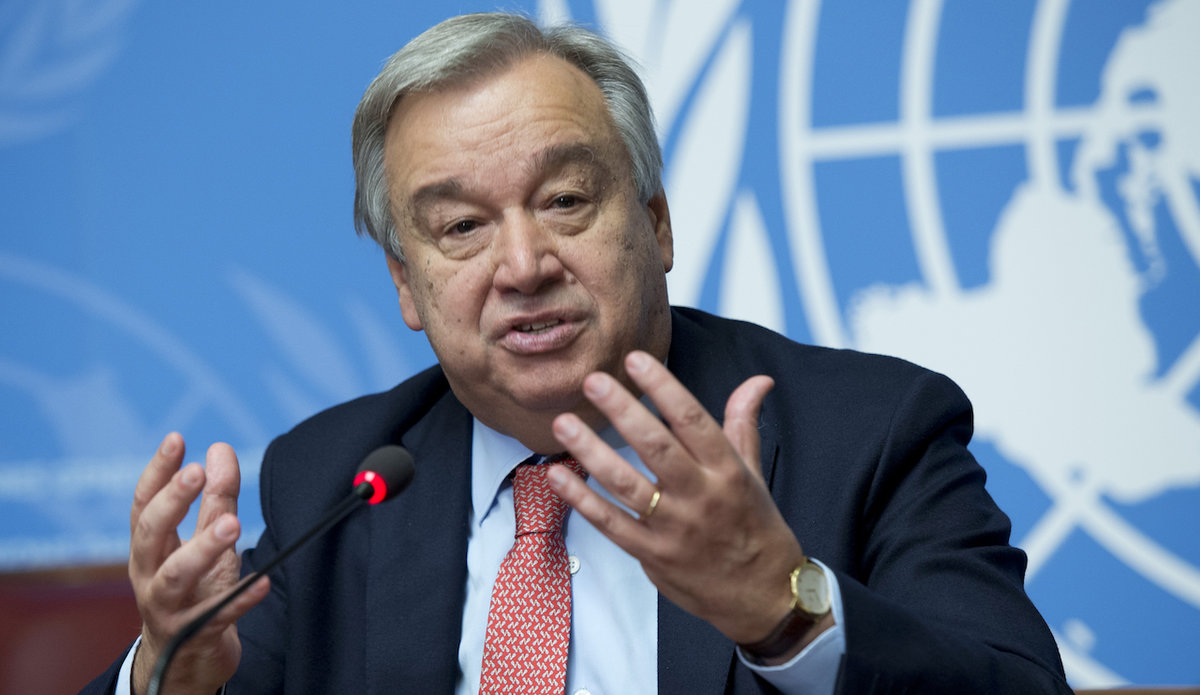
United Nations Secretary-General António Guterres has condemned the United States’ imposition of sanctions against the International Criminal Court (ICC) as an institution, warning that the measures could undermine international criminal justice.
Guterres, through his spokesperson Stéphane Dujarric, described the sanctions as a serious blow to collective efforts to pursue international criminal justice, with the ICC serving as a key pillar of that system.
Dujarric told journalists on Friday that the UN chief was “deeply alarmed” by the expected impact on the court’s ability to carry out its mandate. Guterres also reaffirmed his support for the court’s independence and its officials, urging all states to uphold their commitments under international law.
The UN said it would continue cooperating with the ICC under the relationship agreement approved by the UN General Assembly on September 13, 2004.
The court also condemned the US action, describing it as “an assault on the rule of law and on the very foundations of the international legal order”. It said the sanctions were intended to disrupt its operations and intimidate people who work for or cooperate with it.
ICC President Tomoko Akane said the court would continue carrying out its mandate independently and impartially, based on the law and evidence and in the interests of victims of serious crimes.
The latest measures follow US sanctions already imposed on 13 ICC judges and prosecutors.
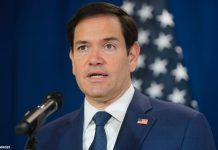
Announcing the sanctions, US Secretary of State Marco Rubio said Washington would prohibit transactions with the court, arguing that the measures would cut off its resources and cripple its ability to operate. He also threatened further action if the ICC did not end what the US considers a threat to its citizens.
“Either the ICC will end its threats, or we will end the ICC,” Rubio said, adding that Washington expected its allies to rein in the court.
THE ISSUES
The dispute centres on the ICC’s independence and the extent to which a country outside the court’s membership can exert pressure on its operations through sanctions. The United States has not joined the court, while the ICC’s supporters argue that its ability to investigate and prosecute serious international crimes must be protected from political intimidation.
The dispute also centres on the International Criminal Court’s authority to pursue individuals accused of serious international crimes and Washington’s concern that the court could subject American citizens and service members to proceedings the US considers politically motivated or unjustified.
The sanctions also raise practical concerns about the court’s ability to operate if financial transactions, resources and cooperation with individuals or organisations connected to it are disrupted.
Independent human rights experts warned that the US action could weaken the wider international system for holding perpetrators of grave crimes accountable. They said the measures could also harm victims of atrocities and their advocates, who rely on the court to pursue justice, accountability and reparation.
However, the central question is how to address concerns about jurisdiction, due process and protection against politically motivated proceedings without weakening the international system established to hold perpetrators of grave crimes accountable. Washington’s objections and the ICC’s defence of its independence are therefore both central to understanding the dispute.
WHAT’S BEING SAID
“The court will continue to fully discharge its mandate, with independence and impartiality, acting only on the basis of the law and the evidence for the sake of the countless victims of grave crimes.” – Tomoko Akane, ICC President
“America never joined the court. We don’t need it. And we don’t want it.” – Marco Rubio, US Secretary of State
“Sanctioning the institution entrusted with delivering justice for the gravest international crimes is an assault on the foundations of international accountability and rule of law.” – Independent UN human rights experts
WHAT’S NEXT
The ICC has said it will continue its work despite the sanctions, while Guterres has called on states to uphold their obligations under international law. Independent human rights experts have urged countries committed to the rule of law to stand together in defence of the court’s independence.
Rubio said the door to diplomacy remained open, but warned that Washington would continue applying pressure unless the ICC addressed its concerns.
BOTTOM LINE
The US sanctions have triggered condemnation from the UN chief, the ICC and independent human rights experts, deepening a dispute over the court’s independence and its role in international justice.