







Key points
- The naira weakened marginally to about N1,855 against the British pound in the official foreign exchange market.
- Sterling strengthened against the US dollar as softer American inflation data weakened the greenback.
- Nigeria’s foreign reserves above $51 billion and Central Bank interventions continue to provide support for the naira.
- Rising global energy prices and inflation concerns are strengthening expectations of tighter monetary policy in the United Kingdom.
Main Story

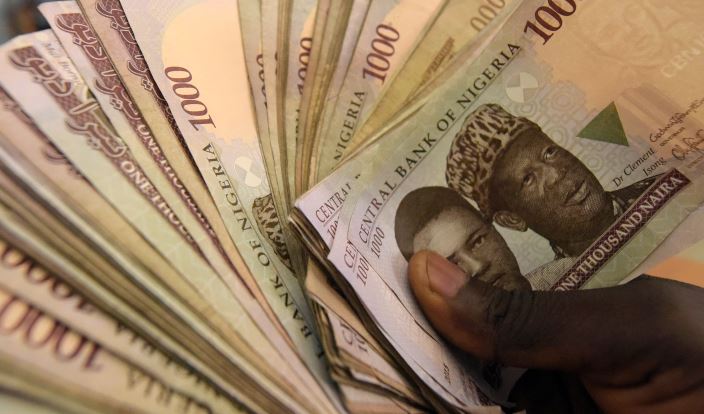
The Nigerian naira marginally depreciated against the British pound on Wednesday, trading at about N1,855/£1 at the Nigerian Foreign Exchange Market (NFEM) as sterling strengthened in the global currency market.
The pound opened around N1,855/£1 on the official market, based on its cross rate against the US dollar, compared with about N1,849/£1 at the previous trading session.
Sterling’s official exchange rate against the naira has fluctuated largely within the N1,825/£1 to N1,890/£1 range in recent sessions.
Against the US dollar, the naira traded between N1,375/$ and N1,380/$ in the official foreign exchange market.
The movement in the pound-naira exchange rate comes as sterling gains ground against the dollar, supported by shifting global interest rate expectations and concerns about inflationary pressures from rising energy prices.
The Issues
Nigeria’s foreign exchange market remains exposed to changes in global currency movements, domestic dollar demand and the Central Bank of Nigeria’s intervention strategy.
The CBN’s managed float system has involved frequent interventions aimed at limiting excessive exchange rate volatility.
Nigeria’s external reserves have also risen above $51 billion, providing a stronger buffer for the naira and supporting expectations of relative stability in the local currency market.
However, renewed commercial demand for dollars could place pressure on the naira.
Dangote Petroleum Refinery’s move to sell petroleum products to some local retailers in US dollars, amid challenges surrounding the naira-for-crude arrangement, could increase corporate demand for foreign currency and potentially weaken the naira’s purchasing power over the longer term.
What’s Being Said
The International Monetary Fund recently assessed the naira as technically undervalued by about 25.6 per cent, despite the currency’s appreciation against the US dollar.
In the United Kingdom, the Bank of England’s monetary policy stance is also providing sterling support.
The BoE’s key policy rate remains at 3.75 per cent, while UK inflation has remained above 3 per cent amid persistent energy and services price pressures.
The combination of sticky inflation and relatively high interest rates has provided a supportive floor for the British currency against major global counterparts.
UK economic growth, meanwhile, remains around an annual rate of 1.0 per cent to 1.2 per cent.
More Insights
The British pound headed for a second consecutive session of gains on Wednesday, trading close to $1.34 during the London session as the US dollar weakened following softer American inflation data.
US Consumer Price Index inflation slowed to 3.5 per cent year-on-year in June from 4.2 per cent in May and came below market expectations of 3.8 per cent.
On a monthly basis, headline inflation declined by 0.4 per cent in June, compared with a 0.5 per cent increase recorded in May.
The weaker inflation figures weighed on the dollar and provided additional support for sterling.
The pound has also benefited from expectations that rising energy prices linked to Middle East tensions could fuel inflation and push the Bank of England towards tighter monetary policy.
Markets are increasingly pricing in the possibility of two UK interest rate increases in 2026, including a potential September hike.
What’s Next
Currency traders will continue to monitor developments in the Middle East, particularly tensions around the Strait of Hormuz and their impact on global oil prices.
Higher energy costs could reinforce inflation concerns in both the United Kingdom and the United States, influencing the policy direction of the Bank of England and the US Federal Reserve.
Markets are also assessing the possibility of a Federal Reserve rate increase in September, with expectations of tighter US monetary policy potentially limiting further weakness in the dollar.
For the naira, attention will remain on CBN interventions, external reserve growth and domestic demand for foreign currency.
Bottom Line
The naira’s slide to N1,855 against the pound largely reflects renewed strength in sterling rather than a sharp deterioration in Nigeria’s foreign exchange market. While stronger external reserves and CBN interventions offer support to the local currency, rising commercial dollar demand and global monetary policy shifts remain key risks to naira stability.