





Key points
- ExxonMobil and its partners will invest $1 billion in the Usan Infill Project, targeting an additional 40,000 barrels of crude oil per day.
- The project marks ExxonMobil’s return to drilling activities in Nigeria, following a suspension of operations in 2016.
- The Federal Government says the investment reflects growing investor confidence in Nigeria’s upstream oil and gas sector following ongoing reforms.
Main Story
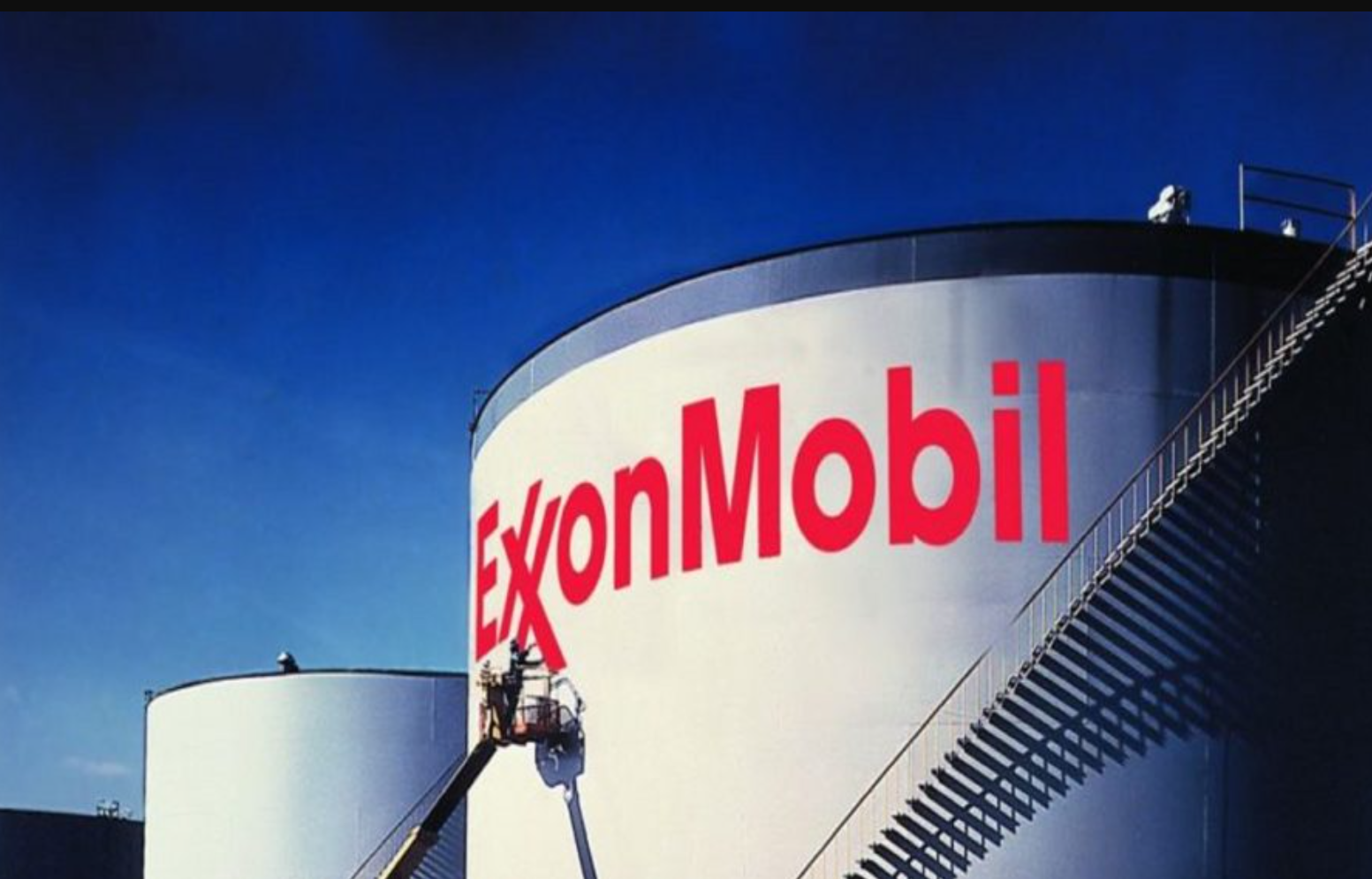
ExxonMobil and its joint venture partners have committed $1 billion to the Usan Infill Project in Nigeria’s offshore oil sector, a strategic investment expected to increase the country’s crude oil production by approximately 40,000 barrels per day (bpd).
The investment was announced during the 25th NOG Energy Week Conference and Exhibition held in Abuja by the Managing Director of ExxonMobil affiliates in Nigeria, Jagir Baxi, as the Federal Government continues efforts to attract fresh capital into the upstream petroleum industry.
ExxonMobil’s Nigerian subsidiary, Esso Exploration and Production Nigeria, operates Oil Mining Lease (OML) 138, which hosts the offshore Usan oil field under a Production Sharing Contract with NNPC Limited.
The project is regarded as one of Nigeria’s key deep-water producing assets and forms part of the country’s broader strategy to boost crude oil output and strengthen investor confidence in the petroleum sector.
The Nigerian Upstream Petroleum Regulatory Commission (NUPRC) described the investment as a significant endorsement of Nigeria’s upstream reforms and improving investment climate.
According to the Commission, the project also marks ExxonMobil’s return to drilling operations in Nigeria after Esso Exploration and Production Nigeria suspended drilling activities in 2016.
The NUPRC disclosed that the Usan Infill Project is expected to deliver first oil within approximately 18 months, following seismic studies that identified additional development opportunities within the field.
Esso Exploration and Production Nigeria operates the block on behalf of a consortium comprising NNPC Limited, Chevron, TotalEnergies, and Nexen, a subsidiary of China National Offshore Oil Corporation (CNOOC).
In a related development, the NUPRC presented Petroleum Prospecting Licences (PPLs) to successful participants in the 2022/2023 Mini Bid Round and the 2024 Licensing Round.
The licences were awarded to 12 companies, covering 19 petroleum prospecting blocks across deep offshore, shallow-water and continental shelf acreages.
Among the beneficiaries were Broron Energy Limited, Petroli Energy Marketing and Supply Limited, Sahara Deepwater Resources Limited, and Tulcan Energy E&P Co.
The Issues
The latest investment underscores several developments shaping Nigeria’s oil and gas industry:
Renewed investor confidence in Nigeria’s upstream petroleum sector following regulatory reforms.
Increased focus on deep-water exploration as international oil companies reduce exposure to onshore operations.
Government efforts to boost crude oil production and strengthen foreign investment inflows.
Continued expansion of offshore exploration through competitive licensing rounds.
The importance of sustaining policy stability to attract long-term capital into the energy sector.
What’s Being Said
Jagir Baxi, Managing Director, ExxonMobil Affiliates in Nigeria
Announced the company’s $1 billion investment in the Usan Infill Project, which is expected to increase Nigeria’s crude oil production by approximately 40,000 barrels per day.
Nigerian Upstream Petroleum Regulatory Commission (NUPRC)
The Commission described the investment as a strong indication of growing investor confidence in Nigeria’s upstream sector and noted that the project represents ExxonMobil’s return to drilling activities after operations were suspended in 2016.
The regulator also disclosed that the project is expected to achieve first oil within about 18 months.
What’s Next
Development work on the Usan Infill Project is expected to commence immediately, with first oil targeted within the next 18 months.
The Federal Government is also expected to continue implementing upstream reforms and licensing rounds aimed at attracting additional investments into offshore exploration and increasing Nigeria’s crude oil production capacity.
Industry stakeholders will monitor the project’s execution alongside other planned investments, including ExxonMobil’s previously announced deep-water expansion strategy.
Bottom Line
ExxonMobil’s $1 billion commitment to the Usan Infill Project signals renewed confidence in Nigeria’s offshore petroleum industry and is expected to strengthen crude oil production, support investment inflows and reinforce the government’s drive to revitalise the upstream sector.