







Key points
- Senate Leader Opeyemi Bamidele says the 11th Senate will consider a six-year single term for Presidents and governors.
- Proposal is part of broader constitutional reforms, including renewed push for state police to tackle insecurity.
- Stakeholders remain divided, with civil society groups demanding stronger accountability and safeguards.
Main story

The Senate has indicated that major constitutional amendments may be considered after the 2027 general elections, including a proposal for a single six-year tenure for the President and state governors.
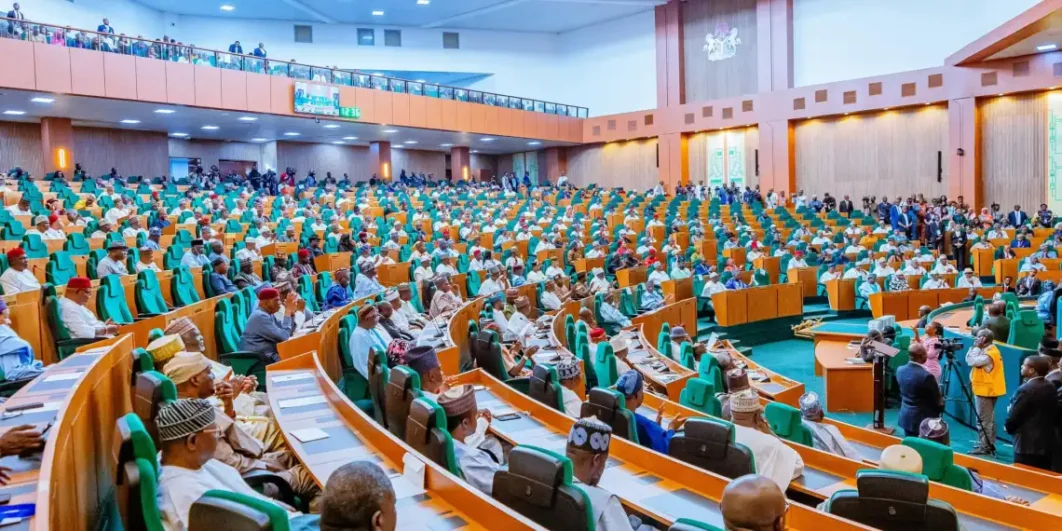
Senate Leader, Opeyemi Bamidele, disclosed this on the floor of the upper chamber, noting that the proposal would be formally pursued by the 11th Senate.
Bamidele said the idea behind the proposed reform is to eliminate distractions associated with re-election campaigns and allow elected leaders to focus fully on governance from the start of their tenure.
He also defended the 10th Senate’s working relationship with the executive arm of government, insisting that its collaborative approach should not be mistaken for weakness or lack of independence.
According to him, several policy interventions and legislative outputs were achieved through constructive engagement rather than public confrontation.
The issues
The proposed single-term presidency and governorship model is expected to spark national debate over democratic accountability, governance efficiency and political stability.
Security reforms also remain a major focus, with renewed calls for the establishment of state police to address Nigeria’s worsening insecurity.
Concerns over rising kidnappings, terrorism and violent crime continue to intensify pressure on lawmakers to restructure the country’s policing architecture.
However, critics warn that decentralised policing must be carefully designed to avoid abuse, political interference and weak oversight mechanisms.
What’s being said
Bamidele argued that subjecting military spending to public probes during active counterterrorism operations could undermine national security efforts.
He maintained that existing legislative oversight committees already monitor defence expenditure and procurement processes.
“Our military men are giving their best under extraordinarily difficult circumstances,” he said, adding that accountability mechanisms remain intact within the National Assembly.
On state policing, prominent Yoruba leader and Aare Ona Kakanfo of Yorubaland, Gani Adams, urged the Federal Government and lawmakers to urgently adopt decentralised policing to combat insecurity.
He said the current centralised structure of the Nigeria Police Force was no longer sufficient to respond to localised security threats, particularly in rural communities.
Retired Major-General Ishola Williams also supported reforms, noting that existing regional security outfits lack adequate capacity and coordination to effectively tackle armed groups.
A coalition of civil society organisations under Open Alliance, however, cautioned that any move toward state policing must include strong accountability systems, transparency frameworks and human rights protections.
The group stressed that policing reforms must go beyond structure and address governance, funding and institutional oversight challenges.
What’s next
The proposed constitutional amendments, including the single-term presidency and state police framework, are expected to be formally debated in the 11th Senate after the 2027 elections.
Stakeholder consultations involving lawmakers, security experts, civil society groups and governance institutions are likely to intensify ahead of any legislative action.
Bottom line
Nigeria is heading into a new phase of constitutional debate, with proposals for a single-term executive tenure and decentralised policing gaining momentum. While supporters argue the reforms could improve governance and security delivery, concerns remain over accountability, implementation capacity and institutional safeguards.