






Key points
- Nigerians spent about N50.7bn on US visa applications between 2023 and 2024 despite declining approval rates.
- Visa issuances dropped by 23%, reflecting tighter US immigration policies and increased scrutiny of applicants.
- Travel experts say rising rejection rates are pushing Nigerians toward alternative destinations.
Main story
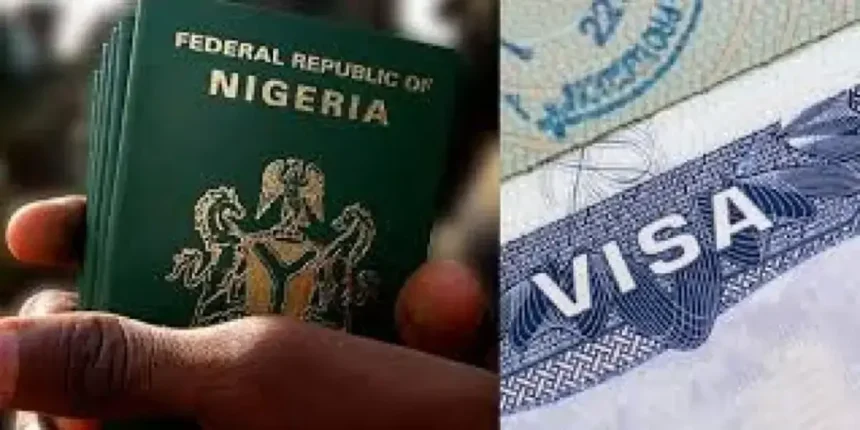
Nigerians spent more than N50bn on United States visa applications between 2023 and 2024, even as approval rates declined amid stricter immigration controls and heightened scrutiny by US authorities.
An analysis of an Intelpoint report based on data from the US Department of State showed that 201,200 non-immigrant visas were issued to Nigerians within the period. At an application fee of $185 per applicant, total spending amounted to approximately $37.2m, equivalent to about N50.7bn at an average exchange rate of N1,360 to the dollar.
The data also revealed a significant decline in visa issuances, which fell by about 23 per cent from 113,900 in 2023 to 87,300 in 2024, a reduction of 26,600 visas.
Business and tourism visas (B1/B2) dominated approvals in 2024, accounting for 83 per cent of total issuances, while student visas (F1) made up about seven per cent. Exchange visitor visas (J1) and other categories accounted for the remainder.
Africa’s most populous nation also remained a notable source market for the United States, contributing about 0.8 per cent of global non-immigrant visa issuances in 2024.
The issues
The decline in visa approvals reflects tightening US immigration policies, increased vetting procedures, and broader global migration controls.
Analysts note that these changes have made access to US visas more competitive, particularly for first-time applicants and travellers with limited international travel history.
The trend is also reshaping travel behaviour, with more Nigerians exploring alternative destinations as approval processes become more stringent and unpredictable.
What’s being said
Former President of the National Association of Nigeria Travel Agencies, Susan Akporiaye, said Nigerians’ travel behaviour is influenced by cultural mobility patterns as much as economic conditions.
“People would say it’s because of the economy, but I share a different view. Nigerians are generally migrants; they love travelling,” she said.
She argued that a majority of Nigerians who travel abroad eventually return home, noting that only a small percentage remain outside the country permanently.
Travel industry operators also confirmed that securing US visas has become increasingly difficult in recent years.
An executive at Travel and Tours Limited, Maureen Chimaobi, said rejection rates have risen significantly, especially for first-time applicants.
“Last year, getting a US visa drastically reduced… It’s almost a no-go area,” she said, adding that many applicants now face unpredictable outcomes despite completing all requirements.
She noted that applicants continue to pay fees, attend interviews, and submit documents, but approvals remain inconsistent.
Chimaobi also observed that other destinations such as the UK and some European countries still offer relatively better approval chances, although scrutiny has also increased.
What’s next
With tightening US visa policies and growing rejection rates, travel experts expect more Nigerians to shift toward alternative destinations with comparatively easier entry requirements.
Industry stakeholders also anticipate continued changes in global visa regimes, particularly as countries strengthen border security and migration controls.
Bottom line
Despite spending over N50bn on US visa applications within two years, many Nigerians continue to face declining approval rates as stricter immigration policies reshape travel patterns and push applicants toward alternative international destinations.