








Key points
- Tomato prices in Anambra have more than doubled due to supply shortages caused by persistent rainfall and flooding in major producing states.
- Traders say flooding has disrupted farming activities and transportation routes, limiting deliveries from northern Nigeria.
- Consumers are increasingly turning to alternatives such as pepper, tatashe and tomato paste as prices remain high.
Main story

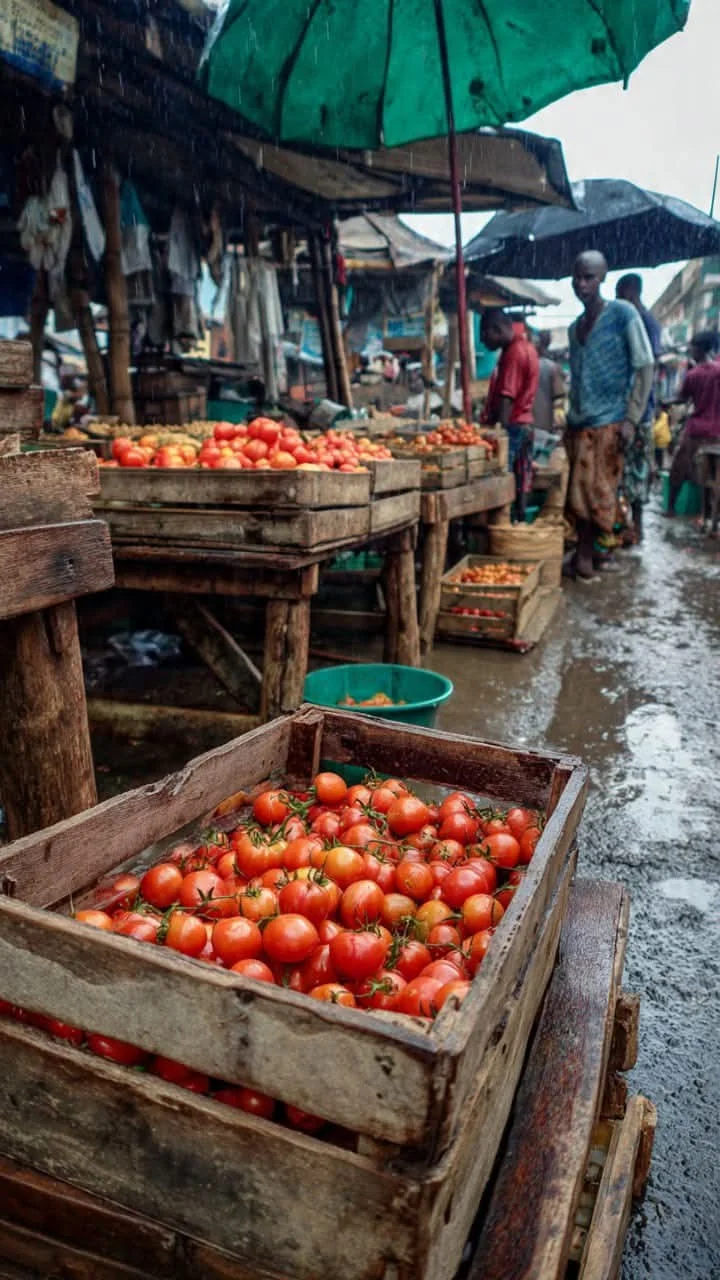
Tomato traders across major markets in Anambra State have attributed the current scarcity and sharp increase in tomato prices to persistent rainfall and flooding in key tomato-producing regions of Nigeria.
A survey conducted by the News Agency of Nigeria (NAN) at Eke-Awka, Ose, Onitsha and Nkpor markets revealed that the price of a basket of tomatoes has risen significantly from between N65,000 and N70,000 to between N100,000 and N150,000.
Speaking at Eke-Awka Market, a tomato wholesaler, Mr Uchenna Amanambu, said heavy rainfall in Jos and Makurdi, two major tomato-producing areas, had negatively affected farming activities and reduced output.
He noted that flooding along major transportation routes had further disrupted the movement of tomatoes to markets across the country, worsening the supply shortage.
Another wholesaler, Mrs Ifeoma Uzonna, said traders were struggling to maintain adequate supplies due to irregular deliveries from northern Nigeria.
“Before now, trucks arrived almost every week with large quantities of tomatoes, but these days we receive fewer supplies and sometimes wait longer for deliveries. The scarcity has pushed prices up significantly,” she said.
At Ose Market, traders described the shortage as one of the most severe experienced this year. Mrs Celestina Ezeokafor said the impact of the rains on farms had reduced harvests, forcing many consumers to cut back on purchases.
“Some customers who usually buy tomatoes in baskets now purchase half baskets or smaller quantities because of the high cost,” she said.
Retailers also reported changes in consumer behaviour as households increasingly seek more affordable alternatives. Mr Emeka Obi said many families were substituting tomatoes with tatashe and pepper to reduce cooking expenses.
Similarly, traders at Nkpor Market in Idemili South Local Government Area said the scarcity had affected both sales volume and consumers’ purchasing power.
The issues
The shortage highlights the vulnerability of Nigeria’s agricultural supply chain to adverse weather conditions and poor infrastructure.
Flooding has not only reduced tomato harvests in producing states but has also damaged critical road networks used to transport agricultural produce to markets in the South-East.
The situation has exposed broader concerns about food security, transportation challenges and the impact of climate-related disruptions on agricultural production and commodity prices.
What’s being said
Traders insist that the current price increase is not driven by profiteering but by a combination of reduced supply and rising transportation costs.
“The cost of moving goods has gone up and this ultimately affects market prices. Traders are not making excessive profits; we are simply adjusting to the realities of supply and transportation challenges,” said Mr Chinedu Nwafor.
Mrs Ngozi Chukwu, a trader at Nkpor Market, advised households to utilise alternative ingredients such as pepper, onions and tatashe while waiting for tomato supplies to stabilise.
What’s next
Market stakeholders are optimistic that supplies will improve in the coming months as rainfall subsides and harvesting from irrigated farms increases.
Traders expect tomato prices to gradually decline once transportation routes become more accessible and larger volumes of produce return to the market.
Agricultural experts have also called for greater investment in climate-resilient farming practices and infrastructure to reduce the impact of seasonal flooding on food production and distribution.
Bottom line
Persistent rainfall and flooding in major tomato-producing regions have significantly disrupted production and distribution, leading to a sharp increase in tomato prices across Anambra State. While traders remain hopeful of improved supplies in the coming months, consumers are likely to continue feeling the impact of high prices until harvests recover and transportation challenges ease.