








Key points:
- Economic analyst Dele Oye says the Dangote Refinery can save Nigeria over N15tn annually in fuel import costs.
- He argues that increased local refining could generate about $11bn in foreign exchange savings and exports yearly.
- Oye urged NNPCL to prioritise support for domestic refineries instead of defending continued fuel importation.
Main story
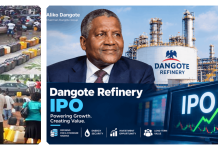
Chairman of the Alliance for Economic Research and Ethics LTD/GTE, Dele Oye, has said the Dangote Refinery possesses the capacity to save Nigeria more than N15 trillion annually in fuel import costs while generating approximately $11 billion in foreign exchange through local refining and petroleum exports.
Oye asserted the ongoing legal dispute between the refinery and the NNPC Limited over the continued issuance of fuel import licences to marketers.
In a statement, Oye criticised NNPCL’s defence of fuel import licences, arguing that the position undermines Nigeria’s drive for energy self-sufficiency, industrial growth and economic sovereignty.
According to him, Nigeria spent an estimated N15.42 trillion on petrol imports in 2024, describing the figure as a significant drain on the country’s foreign exchange reserves and an indication of structural weaknesses within the energy sector.
He stated that the Dangote Refinery, with a refining capacity of 650,000 barrels per day, could satisfy more than 90 per cent of Nigeria’s domestic fuel demand if fully integrated into the country’s supply chain.
Oye argued that stronger reliance on domestic refining would significantly reduce pressure on foreign exchange reserves, stabilise the naira and improve macroeconomic conditions.
He further maintained that the continued importation of refined petroleum products discourages local industrial investment and perpetuates Nigeria’s dependence on foreign refineries.
“NNPCL’s insistence on maintaining import licences for foreign-sourced products while a domestic facility can meet demand is tantamount to penalising the player who built the stadium while rewarding those who merely show up to play,” Oye said.
The economist also referenced provisions of the Petroleum Industry Act (PIA) 2021 and the Nigerian Oil and Gas Industry Content Development Act, which prioritise domestic refining and local value addition within the petroleum sector.
According to him, fuel importation should only serve as a temporary intervention where local refining capacity remains insufficient.
Speaking during an interview on Arise News, Oye said NNPCL’s role should focus on supporting local refining initiatives and removing barriers discouraging indigenous investment in the oil and gas industry.
The dispute followed NNPCL’s opposition to Dangote Refinery’s legal attempt to challenge import licences issued to rival petroleum marketers.
In its court filings, NNPCL argued that restricting fuel imports could create monopoly concerns and threaten product supply stability across the country.
However, Oye dismissed the monopoly argument, insisting that Dangote Refinery had instead reduced NNPCL’s longstanding dominance in petroleum importation.
The issues
Nigeria has remained heavily dependent on imported refined petroleum products despite being one of Africa’s largest crude oil producers.
Analysts say the country’s reliance on fuel imports has continued to place significant pressure on foreign exchange reserves, contribute to naira volatility and expose the economy to global supply disruptions.
The debate surrounding Dangote Refinery also raises broader concerns about market competition, regulatory policy, energy security and the pace of Nigeria’s transition toward domestic refining.
Stakeholders argue that balancing market liberalisation with support for local refining capacity remains a major policy challenge for the government.
What’s being said
Oye maintained that Nigeria’s economic interests would be better served by prioritising domestic refining and reducing dependence on imported fuel.
He argued that local refining capacity could create jobs, strengthen industrial growth and conserve scarce foreign exchange resources.
NNPCL, however, insists that maintaining fuel import licences remains necessary to ensure healthy market competition and prevent supply shortages.
What’s next
The legal dispute between Dangote Refinery and NNPCL over fuel import licences is expected to continue attracting attention from regulators, marketers and industry stakeholders.
Analysts will also be monitoring the refinery’s integration into Nigeria’s domestic fuel distribution network and its impact on fuel pricing, supply stability and foreign exchange demand.
The Federal Government may face increasing pressure to clarify policy direction regarding local refining, fuel imports and competition within the downstream petroleum sector.
Bottom line
The growing debate over Dangote Refinery and fuel importation reflects Nigeria’s broader struggle between sustaining market competition and achieving long-awaited energy self-sufficiency through domestic refining capacity.