



Key points
- Aguiyi-Ironsi’s family has called on the Federal Government to apologise for his 1966 killing.
- The family also seeks compensation and genuine national reconciliation.
- They insist the former Head of State was wrongly blamed for the January 1966 coup.
Main story
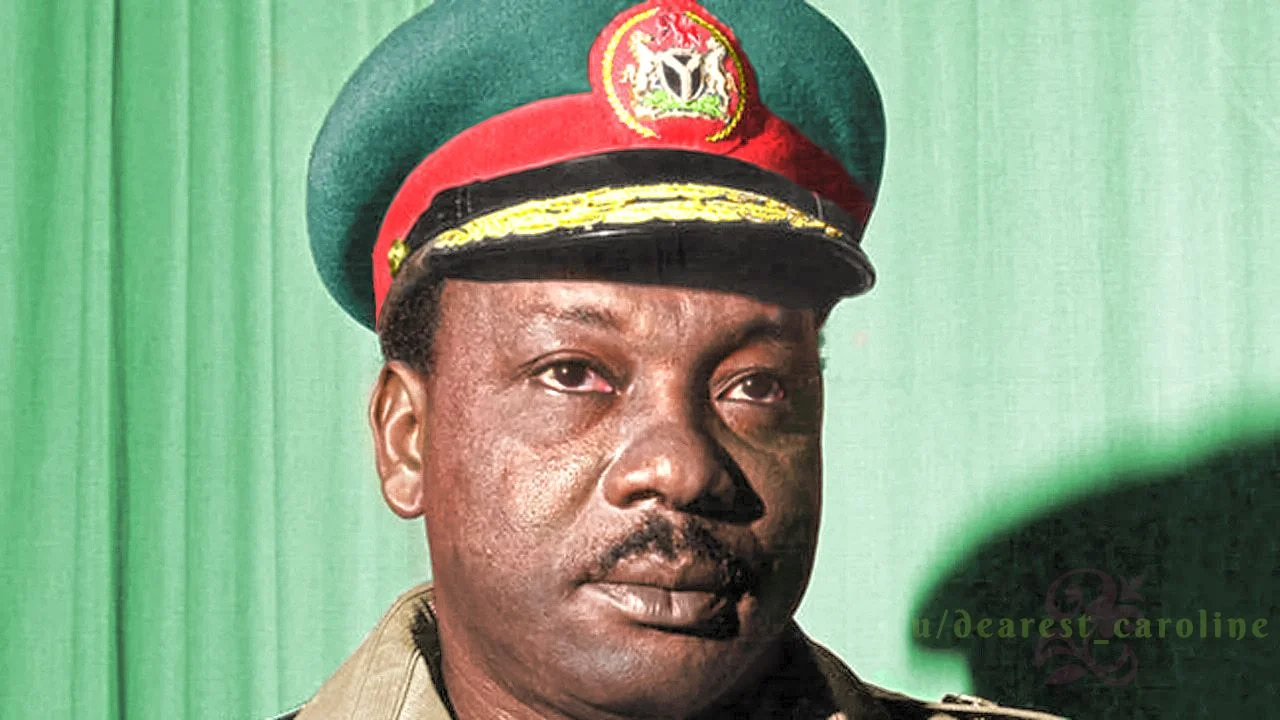
The family of Nigeria’s first military Head of State, Gen. Johnson Aguiyi-Ironsi, has called on the Federal Government to issue a formal apology, pay compensation and pursue genuine reconciliation over his assassination during the 1966 military counter-coup.
Speaking in an interview with Arise News, the head of the family, Imo Aguiyi-Ironsi, said the former Head of State was unjustly killed for a coup in which he played no role.
According to him, Aguiyi-Ironsi assumed leadership only because he was the most senior military officer after the January 15, 1966 coup and was subsequently killed because of that position rather than any wrongdoing.
He noted that the former Head of State served for only six months before he was assassinated during the July 29, 1966 counter-coup.
The family maintained that Aguiyi-Ironsi was not involved in planning the January coup and described him as a visionary leader whose legacy deserved national recognition rather than continued controversy.
Imo Aguiyi-Ironsi expressed hope that those in positions of authority would respond to the family’s appeal for justice and reconciliation.
The issues
The renewed demand revives longstanding debates over Nigeria’s handling of the events surrounding the 1966 coups, which remain among the country’s most sensitive historical episodes. While successive governments have acknowledged aspects of Nigeria’s civil war history, calls for formal apologies, restitution and broader reconciliation over the political violence of that era remain unresolved.
What’s being said
“I think the family needs apology. The family needs to be compensated. We need sincere apology. We need sincere reconciliation.” — Imo Aguiyi-Ironsi, Head of the Aguiyi-Ironsi family.
“He occupied the seat of head of state for only six months, and he was taken away from us. Not because of a sin he committed, because he wasn’t part of the January 1966 coup.” — Imo Aguiyi-Ironsi, Head of the Aguiyi-Ironsi family.
“Only because of his position as the most senior military officer, he was told to take charge. And then that cost him his life.” — Imo Aguiyi-Ironsi, Head of the Aguiyi-Ironsi family.
What’s next
It remains unclear whether the Federal Government will respond to the family’s demands. The renewed appeal could reignite discussions on historical justice, national reconciliation and official recognition of victims of Nigeria’s political crises.
Bottom line
The Aguiyi-Ironsi family’s demands underscore the enduring legacy of Nigeria’s 1966 political upheavals and raise fresh questions about how the country confronts unresolved chapters of its history through acknowledgement, reconciliation and possible restitution.