






Key points
- The Nigerian Navy announced it has acquired more than 100 warships and boats since its establishment 70 years ago.
- Naval commanders disclosed the fleet metrics during an interdenominational church service marking the 70th anniversary in Rivers State.
- Fleet history records show the navy commenced operations in 1956 with 11 ships bequeathed by the British Royal Navy.
- Defense updates revealed that the service is actively acquiring additional platforms, including warships, helicopters, and drones.
- Anti-piracy operations have successfully curtailed maritime crime in Nigeria’s territorial waters and the Gulf of Guinea for over three years.
Main Story
The Nigerian Navy says it has acquired more than 100 warships and boats since its establishment 70 years ago.
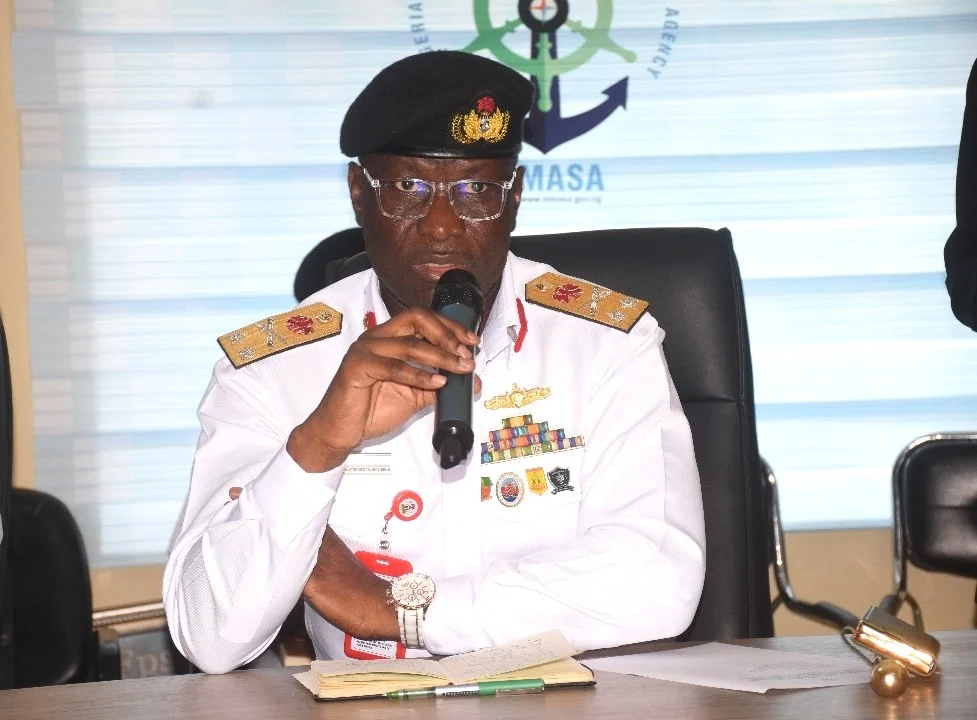
Rear Adm. Ebiobowei Zipele, Flag Officer Commanding, Naval Training Command (NAVTRAC), disclosed this on Sunday, during an interdenominational church service to mark the Nigerian Navy’s 70th anniversary in Onne, Rivers.
Zipele described the anniversary as significant, noting that the navy had demonstrated resilience, dedication and commitment to its constitutional responsibilities since 1956. He said that the navy, established in 1956, had grown into an elite fighting force that had effectively protected Nigeria’s territorial waters from both domestic and foreign threats.
To evaluate historical fleet growth, Zipele noted that the Nigerian navy started in 1956 with 11 ships bequeathed by the (British) Royal Navy, but today we have over 100 ships and boats in our fleet.
He added that in spite of the successes recorded over the years, the navy was still acquiring more platforms, including warships, helicopters and drones, to further strengthen maritime security.
The naval boss revealed that the navy had successfully curtailed piracy in Nigeria’s waters and the Gulf of Guinea (GoG) for more than three years, which has restored investor’s confidence and improved commercial activities within the maritime sector.
Furthermore, maintaining absolute territorial control requires deep institutional cooperation due to the geographical scale of the coastlines. Zipele noted that the navy had performed creditably with available resources in protecting Nigeria’s territorial waters and maritime interests, adding that the establishment of an air arm unit had further strengthened operations.
According to him, although the navy has recorded notable successes, it can not secure Nigeria’s vast territorial waters alone.
He explained that the size of the nation’s maritime domain necessitated collaboration with relevant stakeholders to enhance security operations, commending President Bola Tinubu for supporting the navy with improved operational resources and equipment.
The Issues
- Securing expansive regional maritime boundaries requires continuous high-tech asset acquisitions like drones and helicopters.
- Coordinating multi-agency coastal patrol frameworks demands tight operational links between naval units and civil customs or port authorities.
- Combating sophisticated domestic oil theft and illegal bunkering networks requires persistent military deployment across deep riverine terrains.
What’s Being Said
- Evaluating the historical origin of the national fleet, Rear Adm. Ebiobowei Zipele stated that “the Nigerian navy started in 1956 with 11 ships bequeathed by the (British) Royal Navy, but today we have over 100 ships and boats in our fleet.”
- Outlining the cross-sector security frameworks utilized by the state, he explained that “The government adopted a ‘whole-of-society’ approach because the Nigerian navy cannot be everywhere at the same time.”
- Discussing the economic impacts of local maritime patrol successes, he noted that “The achievement has restored investor’s confidence and improved commercial activities within the maritime sector.”
- Addressing prospective military recruits regarding institutional expectations, he advised that “There is no greater sacrifice than laying down our lives for our country.”
What’s Next
- Logistics commands will integrate the incoming batches of newly acquired warships, helicopters, and drones into active coastal defense squads.
- Joint patrol teams will execute collaborative maritime security exercises alongside NIMASA, the Nigerian Ports Authority, and Customs services.
- Recruitment officers will deploy patriotism-centered screening guidelines for incoming cadres looking to enter the naval training commands.
Bottom Line
Expanding from an initial fleet of 11 bequeathed British ships in 1956 to more than 100 modern vessels and an active air arm unit today, the Nigerian Navy is leveraging improved federal funding and a collaborative whole-of-society security model to maintain a three-year suppression of piracy across the Gulf of Guinea.