








Key Points
- Nigeria has scheduled the export of four key crude grades at 807,000 barrels per day (bpd) in May, a 3.1 per cent increase from April.
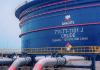
- The Nigerian National Petroleum Company Limited (NNPCL) introduced the Cawthorne Blend, marking the launch of Nigeria’s first new crude oil terminal in 50 years.
- A first shipment of 950,000 barrels was lifted from the FSO Cawthorne, a licensed offshore production support asset for OML 18.
- Global energy routes are shifting; Saudi crude exports via the Red Sea jumped to 4.6 million bpd last week to bypass the Strait of Hormuz.
Main Story

Despite escalating Middle East tensions, Nigeria is reportedly increasing its crude oil exports, with May schedules set at 807,000 bpd.
According to preliminary loading programmes seen by Reuters, this represents a rise from the 783,000 bpd scheduled for April.
Amidst this volume growth, the NNPCL recorded a milestone with the introduction of a new light sweet crude, the Cawthorne Blend, into the global market. The crude was lifted through the FSO Cawthorne, Nigeria’s newest oil terminal and the first such facility commissioned in half a century.
The lifting of the initial 950,000 barrels follows the formal licensing and gazetting of the terminal by the Nigerian Upstream Petroleum Regulatory Commission (NUPRC).
The facility provides critical storage and offtake capabilities for OML 18 and nearby assets.
This development is seen as a reinforcement of the reforms championed by President Bola Ahmed Tinubu in his capacity as the Minister of Petroleum Resources, aimed at strengthening national energy security through indigenous infrastructure.
The Issue
The launch of the FSO Cawthorne comes at a time of high global volatility. While Nigeria expands its export footprint, drone attacks on terminals in Oman and threats near Saudi Arabia have raised fears of prolonged supply disruptions. The Strait of Hormuz, which handles one-fifth of global energy, remains effectively closed to commercial shipping. This has forced major producers to redirect flows; Saudi Arabia, for instance, has shifted its exports to the Yanbu port in the Red Sea, with volumes rising from 770,000 bpd earlier this year to over 4.6 million bpd.
What’s Being Said
- Dr Tosin Etomi, Head of Commercial and Planning at Asharami Energy (Sahara Group), called the lifting a “defining moment” for the OML 18 partnership and the wider sector.
- Sahara Group commended the NNPCL for its leadership, noting that the FSO Cawthorne utilises artificial intelligence-enabled monitoring to enhance operational efficiency and safety.
- Etomi added that the milestone aligns with a strategy focused on “operational excellence, indigenous participation, and infrastructure capable of sustainably supporting Nigeria’s production ambitions.”
- Reuters analysts noted that U.S. crude stockpiles were expected to fall by 1.3 million barrels as of last week, following a period of reaching their highest levels since mid-2024.
What’s Next
- The NNPCL and its partners will continue to scale the export of the Cawthorne Blend as the terminal enters full active service.
- Regulatory bodies including the NPA, Nigeria Customs, and NMDPRA are expected to maintain support for seamless offshore operations.
- Global markets will remain focused on U.S. inventory data and the potential for further disruptions to Middle Eastern oil infrastructure.
- Industry observers are monitoring whether the increased export volumes will provide the fiscal buffer needed to offset rising domestic energy costs.
Bottom Line
Nigeria is successfully launching new infrastructure and increasing export volumes precisely when global supply routes are most threatened. The FSO Cawthorne represents a major technological and strategic update to the country’s upstream sector, though its success remains tied to the broader stability of an international market currently gripped by conflict.