







By Boluwatife Oshadiya | March 11, 2026
Key Points
- Dangote Refinery accounted for about 92% of Nigeria’s petrol supply in February
- Federal Government has not issued any petrol import licences in 2026, according to regulators
- Petrol pump prices remain above ₦1,200 per litre despite a ₦100 refinery price cut
Main Story
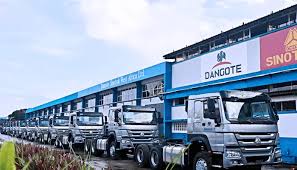
Nigeria’s petrol supply structure is undergoing a dramatic shift as the Dangote Petroleum Refinery now accounts for about 92 percent of the country’s daily fuel supply following a pause in petrol import licences by the Federal Government.
Data released by the Nigerian Midstream and Downstream Petroleum Regulatory Authority (NMDPRA) shows domestic refineries supplied about 36.5 million litres of Premium Motor Spirit (PMS) per day in February, compared with just three million litres imported daily.
The figures bring Nigeria’s total daily petrol supply to roughly 39.5 million litres for the month, marking one of the lowest levels of fuel importation in years as domestic refining capacity expands.
Industry sources confirmed that the NMDPRA has not issued any licences for petrol imports in 2026, reflecting growing confidence that local refining can meet national demand.
The development marks a significant shift from Nigeria’s historic reliance on imported fuel. For decades, the country remained one of the world’s largest petrol importers due to limited domestic refining capacity.
However, the ramp-up of operations at the 650,000-barrel-per-day Dangote refinery — the largest single-train refinery in the world — is gradually reducing that dependence.
Despite the increase in local supply, petrol prices at retail outlets have remained elevated. Filling stations across Lagos, Ogun, and Abuja continued to sell petrol between ₦1,200 and ₦1,330 per litre even after the refinery reduced its gantry price by ₦100 to ₦1,075 per litre.
The refinery said the price cut reflected falling global crude oil prices, which had recently retreated after surging earlier in the week due to escalating Middle East tensions.
What’s Being Said
“It’s correct that we’ve not issued import licences this year. Local production has met national requirements, so there is no need for importation,” a senior official at the NMDPRA said.
“Dangote is gradually enjoying a monopoly in the downstream sector, and that is not healthy for any market,” an oil industry operator said, warning that competition could decline if imports remain halted.
“The price of fuel will normalise once global crude prices stabilise after the Middle East conflict,” said Chinedu Ukadike, spokesman for the Independent Petroleum Marketers Association of Nigeria (IPMAN).
What’s Next
- Regulators are expected to monitor domestic fuel supply closely to ensure stable distribution across Nigeria.
- Oil marketers may push for the reopening of import licences if domestic supply fails to meet demand.
- Global oil price volatility linked to Middle East tensions could continue influencing local petrol prices in the coming weeks.\