








KEY POINTS
- UN Secretary-General António Guterres praised women-led civil society groups for challenging entrenched systems of privilege.
- He warned of a growing global backlash against women’s rights driven by disinformation and cultural conflicts.
- Participants at the CSW70 town hall raised concerns over funding gaps and a proposed merger involving UN gender agencies.
MAIN STORY

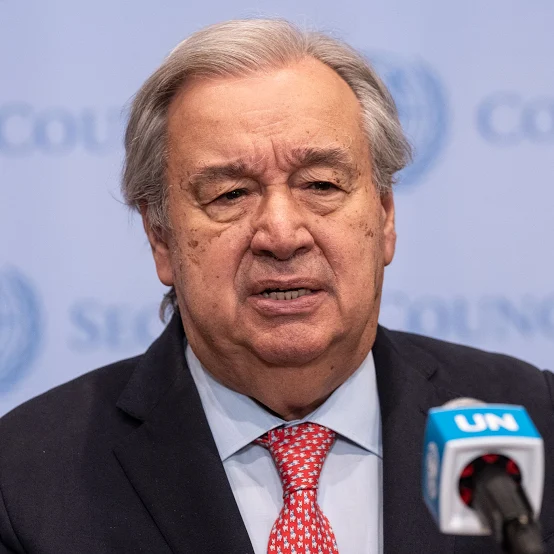
The Secretary-General of the United Nations, António Guterres, has commended women-led civil society organisations for their role in challenging entrenched systems of privilege and advancing gender equality worldwide.
Guterres made the remarks during a town hall meeting held on the sidelines of the 70th Session of the Commission on the Status of Women (CSW70) at the UN Headquarters in New York.
The global gathering, which opened on March 10 and is scheduled to run until March 19, brings together government representatives, activists and development stakeholders to discuss progress and challenges in advancing women’s rights.
Addressing participants, the UN chief described civil society groups as “foundation shakers” whose efforts are driving justice, dignity and equality for communities across the globe.
THE ISSUES
Despite decades of progress in gender equality, global institutions warn that women’s rights face renewed threats amid political tensions, misinformation campaigns and growing cultural divisions.
Experts say power imbalances remain evident across political systems, economic structures and emerging technological sectors, including artificial intelligence.
These challenges, observers note, have contributed to shrinking civic spaces and mounting pressure on women’s rights advocates in many parts of the world.
WHAT’S BEING SAID
Guterres cautioned that the global environment for gender advocacy is becoming increasingly difficult.
“A bitter wind is blowing around the world. That wind is hardening attitudes and fuelling a backlash against women’s rights,” he said.
He added that such resistance is often driven by disinformation, fear and cultural polarisation, warning that these forces seek to silence women and roll back hard-won gains.
During the session, participants from different countries also raised questions about a proposed merger between UN Women and the United Nations Population Fund (UNFPA).
The proposal, according to Guterres, is intended to strengthen the impact of gender-focused programmes by pooling resources while maintaining the mandates of both institutions.
Nigerian law professor Joy Ngozi Ezeilo also highlighted concerns about shrinking public space for advocacy, funding shortages and government crackdowns on civil society organisations.
She called on governments to reaffirm their commitment to gender equality, stating that women’s rights remain fundamental human rights.
WHAT’S NEXT
As the CSW70 discussions continue, stakeholders are expected to deliberate on strategies for protecting women’s rights, strengthening gender equality institutions and addressing new challenges posed by technological and political changes.
Guterres reiterated the UN’s commitment to advancing gender equality and pledged continued support for activists and organisations advocating women’s rights globally.
BOTTOM LINE
With rising global resistance to gender equality, the UN chief is urging civil society groups to remain steadfast in challenging systemic barriers and pushing for lasting reforms that secure the rights and dignity of women and girls worldwide.