Key points
- NCDC Director-General Dr Jide Idris says governance, digital integration and strategic investments are critical to improving healthcare outcomes across Africa.
- Healthcare leaders call for stronger public-private partnerships, long-term financing and interoperable digital health systems to drive transformation.
- Experts warn that fragmented healthcare technologies, weak infrastructure and poor execution continue to limit healthcare efficiency and access.
Main story
Healthcare leaders, policymakers, investors and innovators have called for stronger governance structures, integrated digital systems and increased investment to transform healthcare delivery across Africa.
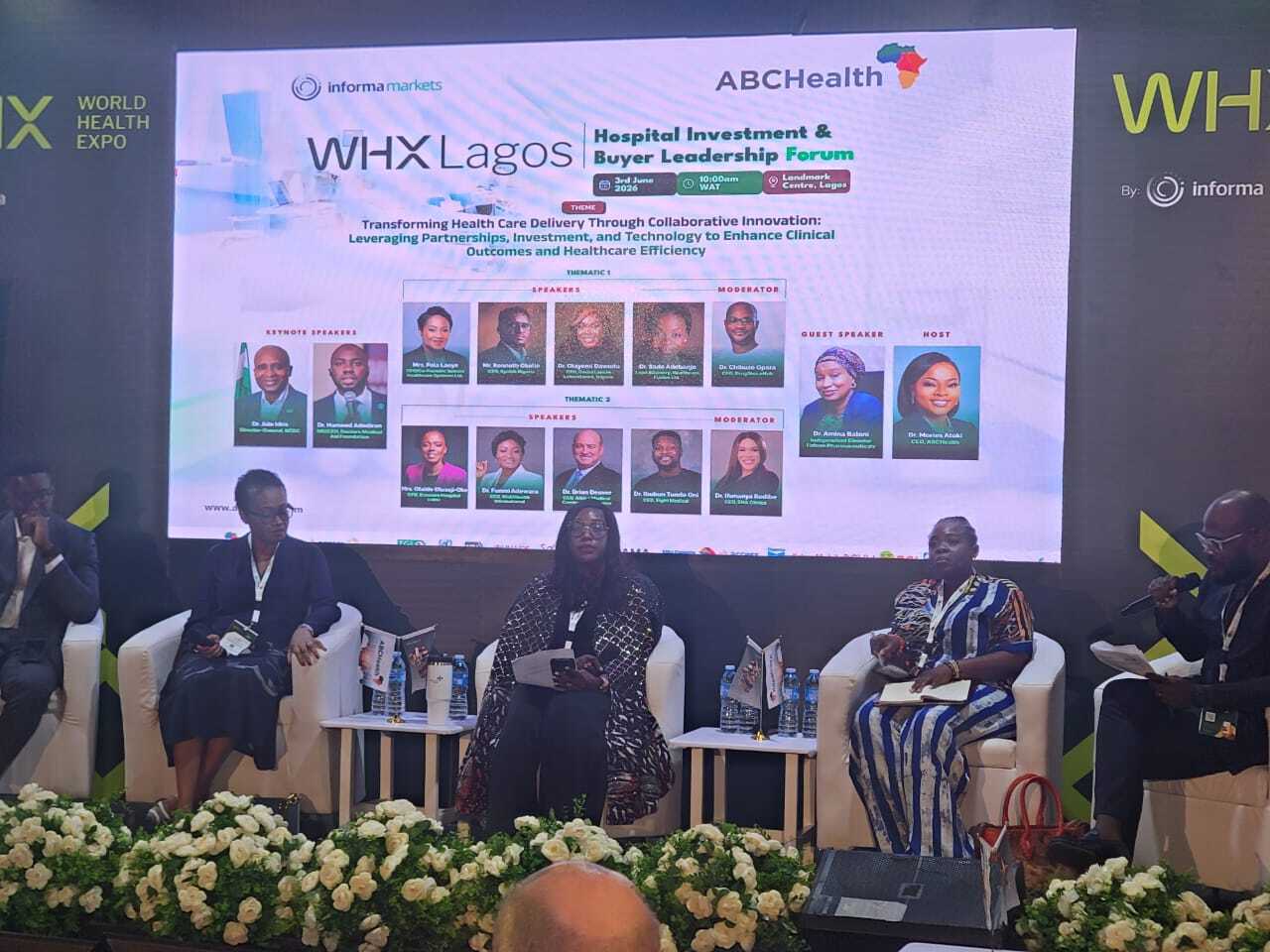
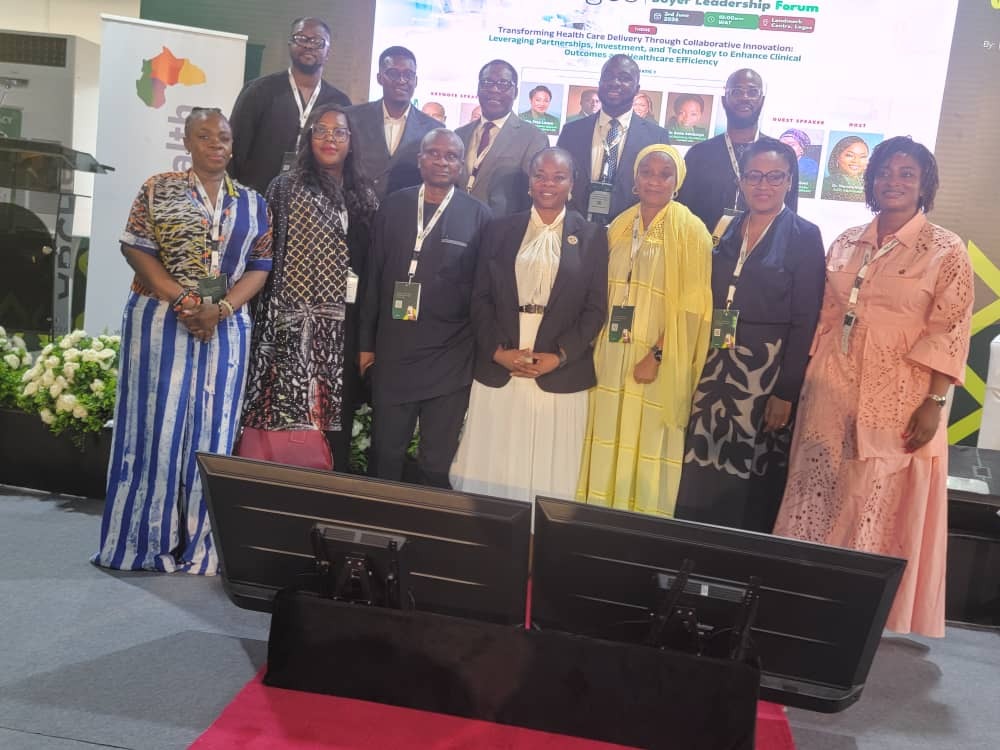
The call was made at the Hospital Investment and Buyer Leadership Forum held during the World Health Expo (WHX) Lagos, where stakeholders examined how partnerships, innovation and financing can improve clinical outcomes and healthcare efficiency across the continent.
Speaking on the theme, “Transforming Healthcare Delivery Through Collaborative Innovation: Leveraging Partnerships, Investment and Technology to Enhance Clinical Outcomes and Healthcare Efficiency,” Director-General of the Nigeria Centre for Disease Control and Prevention (NCDC), Dr Jide Idris, said Africa’s healthcare systems are facing mounting pressures from rapid population growth, urbanisation and changing disease patterns.
He noted that despite increasing investments in healthcare infrastructure and technology, many hospitals continue to struggle with inadequate facilities, workforce shortages, fragmented supply chains and weak digital integration.
According to Idris, healthcare transformation should not be measured by the number of hospitals constructed or technologies acquired but by tangible improvements in patient care, service delivery and health outcomes.
“The subject before us is both practical and urgent: how we convert investment, innovation and partnership into safer care, stronger hospitals, improved outcomes and more resilient health systems,” he said.
The NCDC chief argued that successful healthcare reform requires deliberate integration of governance, financing, workforce development, infrastructure, commodities, accountability mechanisms and service delivery systems.
He identified five key shifts needed to drive healthcare transformation, including moving from infrastructure expansion to functional readiness, adopting interoperable digital systems, strengthening buyer-led procurement, treating healthcare financing as a strategic investment and building collaborative healthcare ecosystems.
Idris stressed that technology should serve as an enabler of better healthcare delivery rather than operate as isolated systems.
“The issue is no longer whether hospitals adopt technology, but whether technology is interoperable, secure, maintainable and aligned with national systems,” he said.
On healthcare financing, he maintained that governments alone cannot meet Africa’s growing healthcare needs, urging greater participation from private investors, development finance institutions, insurance providers and domestic capital markets.
“Healthcare should be treated as a strategic sector within Africa’s development agenda. Capital follows confidence, and confidence is built through transparency, strong governance and investable projects,” he added.
The issues
Africa’s healthcare sector continues to grapple with significant structural challenges, including inadequate infrastructure, shortage of skilled healthcare professionals, fragmented health information systems and limited access to long-term financing.
Experts at the forum noted that while digital health technologies have expanded rapidly across the continent, many systems remain disconnected, resulting in inefficiencies, duplication of effort and poor continuity of patient care.
Additionally, healthcare projects often struggle to attract sustainable financing due to regulatory uncertainty, weak governance structures and limited investor confidence.
The stakeholders argued that addressing these challenges requires coordinated action among governments, healthcare providers, investors, technology companies and development partners.
What’s being said
Managing Director and Chief Executive Officer of Doctors Medical Centre, Dr Hameed Adediran, said healthcare transformation cannot be achieved by individual organisations working in isolation.
“The future belongs to ecosystems. No single organisation can transform healthcare alone. We must build networks of government, private sector, academia, civil society and communities working towards shared outcomes,” he said.
Healthcare investor and Co-founder/Chief Executive Officer of Iwosan Investments, Fola Laoye, emphasised the need for patient capital and long-term financing to support healthcare growth across Africa.
According to her, healthcare investments deliver both economic returns and social impact through improved access to quality healthcare services.
Similarly, Founder and Chief Executive Officer of MobiHealth International, Dr Funmi Adewara, identified poor execution and limited scalability as major obstacles to healthcare innovation.
She revealed that MobiHealth’s telemedicine platforms have impacted more than 500,000 people across Africa and highlighted the company’s deployment of solar-powered telemedicine clinics in underserved communities.
However, Adewara expressed concern over the continued fragmentation of healthcare technologies.
“Most solutions are operating in silos. The data are not connecting and there is no continuity of care. We need interoperable systems that allow patient information to move seamlessly across different levels of care,” she said.
What’s next
Stakeholders say the next phase of healthcare transformation must focus on strengthening governance frameworks, improving interoperability among digital health platforms and attracting long-term investments into healthcare infrastructure and service delivery.
Experts also advocated greater collaboration between governments, private-sector players, development finance institutions and healthcare innovators to build resilient and patient-centred healthcare systems.
The discussions are expected to shape future policy recommendations, investment decisions and collaborative initiatives aimed at improving healthcare outcomes across Africa.
Bottom line
The consensus from WHX Lagos is clear: Africa’s healthcare transformation will depend less on acquiring new technologies and building more facilities, and more on effective governance, integrated systems, strategic investments and partnerships that deliver measurable improvements in patient care. Without these foundations, experts warn that even the most advanced healthcare innovations may fail to achieve meaningful impact.