





KEY POINTS
- British Prime Minister Andy Burnham will meet senior European Union officials in Brussels on Friday to discuss improving relations.
- Both sides are expected to consider easing travel and mobility rules for young people and reducing some Brexit-related trade barriers.
- The meeting comes as debate grows in Britain over whether the country should eventually rejoin the EU.
- A return to membership remains unlikely in the near term because it would require lengthy negotiations and unanimous approval from all EU member states.
MAIN STORY
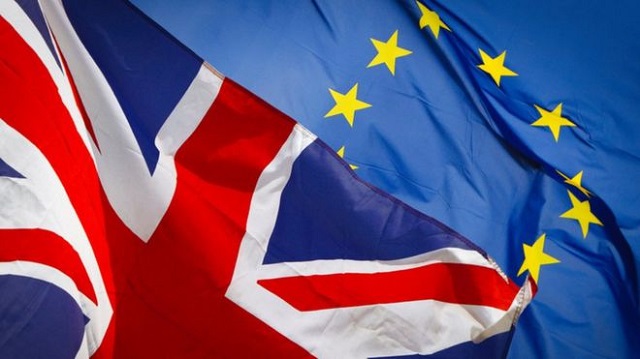
The United Kingdom and the European Union are preparing to discuss closer cooperation as they seek to improve relations a decade after Britain voted to leave the bloc.
British Prime Minister Andy Burnham is expected to meet European Council President António Costa and European Commission President Ursula von der Leyen in Brussels on Friday for the second summit between both sides since the UK formally left the EU in 2020.
The discussions are expected to focus on easing restrictions affecting young people who want to live or work across borders and reducing some of the administrative barriers introduced by Brexit.
The meeting comes as Burnham has reopened debate about Britain’s long term relationship with the EU since taking office in July. He had planned to present options for the country’s future relationship with the bloc before the summit but has since extended the timeline.
Former British defence secretary David Lammy has called for rejoining the EU to become a central part of the governing party’s manifesto for the next general election, which must take place by 2029.
However, a return to EU membership is not expected in the near future. Any application would require negotiations with the bloc and unanimous approval from all existing member states.
THE ISSUES
Brexit changed Britain’s relationship with its largest regional trading bloc, introducing new requirements for businesses, workers and travellers moving between the UK and EU countries.
The proposed discussions on youth mobility and reducing administrative barriers suggest both sides are looking at practical ways to improve cooperation without immediately reopening the question of full membership.
For businesses, reducing Brexit-related red tape could make it easier to trade, recruit workers and manage cross-border operations. However, the extent of any economic benefit would depend on the specific rules both sides agree to change.
The political debate in Britain has also shifted. Brexit has not resolved the divisions that surrounded the 2016 referendum, while critics increasingly link the country’s economic difficulties to its departure from the EU.
Within the bloc, the consequences of Brexit remain significant. EU foreign policy chief Kaja Kallas recently described the experience as a source of “trauma” for the bloc.
WHAT’S BEING SAID
Former British defence secretary David Lammy has suggested making a return to the EU a key part of the manifesto for the next general election.
EU foreign policy chief Kaja Kallas has spoken of the “trauma” Brexit caused within the bloc.
WHAT’S NEXT?
Friday’s meeting is expected to establish areas where Britain and the EU can improve cooperation. The outcome will show whether both sides can make progress on mobility and reducing administrative barriers without reopening negotiations over full membership.
BOTTOM LINE
The UK and EU are exploring ways to make their relationship work more smoothly after Brexit. While discussions on mobility and red tape could produce practical changes, they do not amount to a move towards Britain’s return to the bloc.