






KEY POINTS
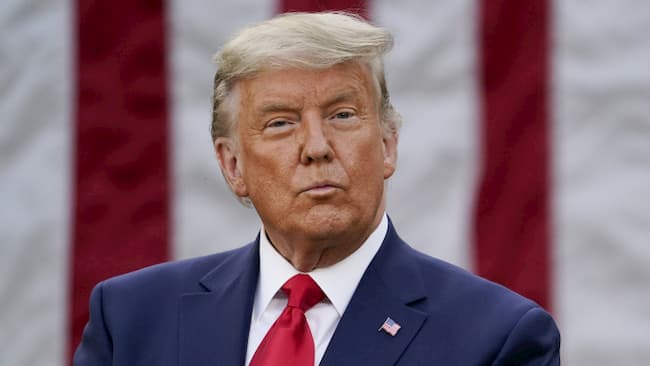
- US President Donald Trump says he is considering his next move against Iran.
- Iran’s Islamic Revolutionary Guard Corps says it struck a Togo flagged tanker over an alleged illegal passage through the Strait of Hormuz.
- UN investigators say there are reasonable grounds to believe the US was responsible for two attacks in Iran that may constitute war crimes.
- Saudi Arabia and Yemen’s Houthis have exchanged attacks, with at least five people reportedly killed.
MAIN STORY
The conflict involving the United States and Iran has intensified as US President Donald Trump weighs his next move and Iran reports an attack on a tanker in the Strait of Hormuz.
Trump told Axios that he was approaching a major decision on whether to “annihilate” his Iranian opponents, while saying that “anything could happen” as he considers his options.
Meanwhile, Iran’s Islamic Revolutionary Guard Corps said it struck a tanker flying the Togo flag after accusing the vessel of attempting an “illegal passage” through the Strait of Hormuz.
The latest developments come as a UN fact finding mission investigates alleged violations during the conflict.
The mission said there were “reasonable grounds” to believe that the United States was responsible for two attacks in Iran, including a February strike on a school in Minab. The investigators said the attacks constituted war crimes.
The findings have been disputed by the United States, which has previously denied responsibility for the Minab incident’s circumstances and rejected allegations concerning another strike.
Elsewhere, tensions have also increased between Saudi Arabia and Yemen’s Houthis, with intensified attacks reportedly killing at least five people, including three children.
THE ISSUES
- The Strait of Hormuz remains a major point of tension, with Iran’s reported action against a tanker adding a maritime dimension to the wider conflict.
- The UN findings have increased scrutiny of military operations in Iran, although the conclusions remain contested by the United States.
- Trump’s comments indicate that Washington is still considering its next course of action, leaving the direction of the conflict uncertain.
- The reported Saudi Houthi attacks show that military tensions are also continuing beyond the direct confrontation between the United States and Iran.
WHAT’S NEXT
Attention will remain on Trump’s decision over the next phase of US policy towards Iran, while developments around the Strait of Hormuz and the wider regional conflict continue to be monitored.
BOTTOM LINE
The conflict is generating simultaneous military and diplomatic pressure across Iran and the wider Middle East, with the United States, Iran, Saudi Arabia and the Houthis involved in separate but connected developments.