






By Boluwatife Oshadiya | April 20, 2026
Key Points
- Donald Trump warns of strikes on Iran’s power plants and bridges if Monday talks fail
- Planned negotiations in Islamabad follow collapse of earlier 21-hour discussions on April 12
- Rising tensions around the Strait of Hormuz threaten global energy supply and aviation costs
Main Story
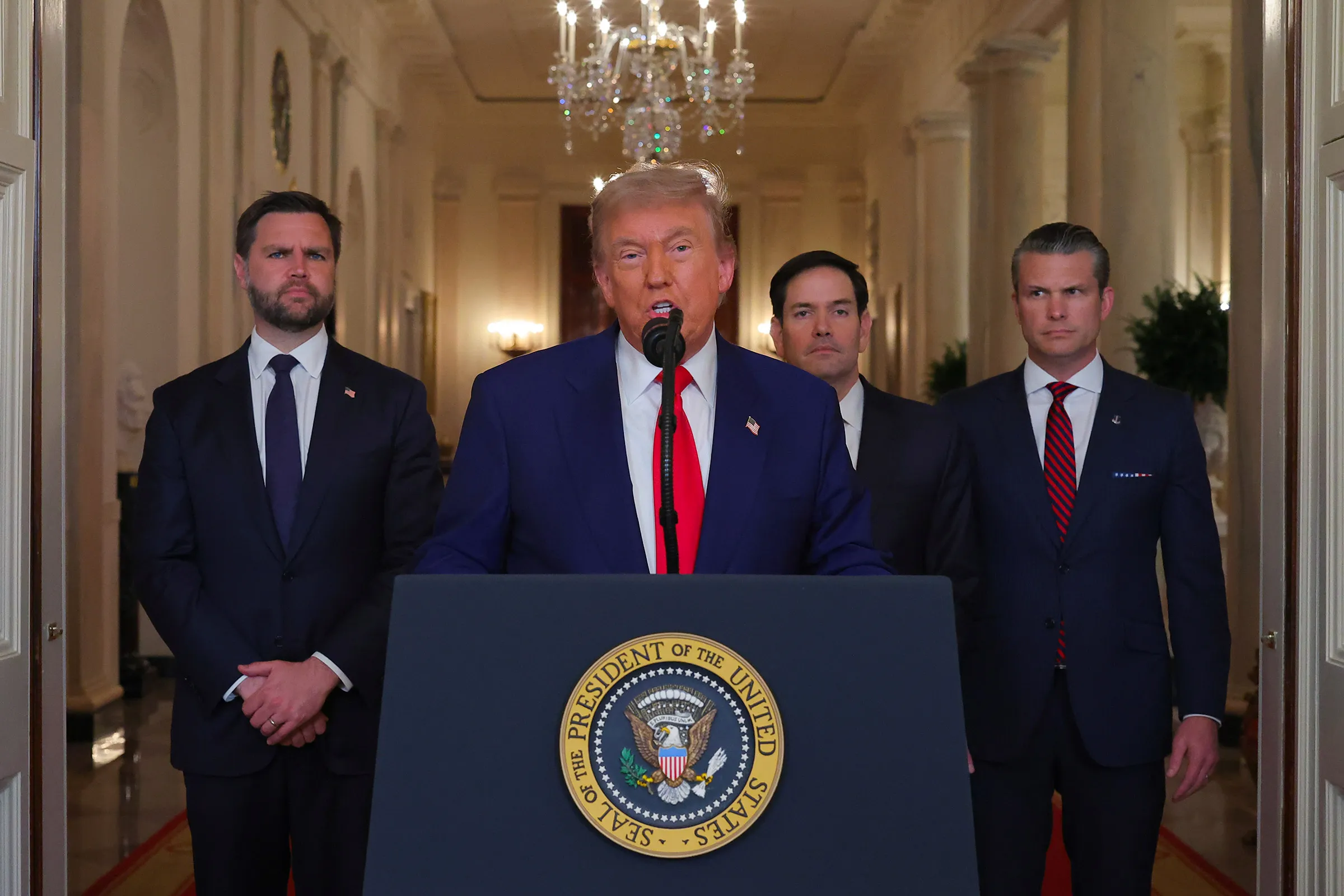
The President of the United States, Donald Trump, has threatened military action against Iran’s critical infrastructure if renewed negotiations scheduled for Monday, April 20, fail to produce an agreement, escalating geopolitical tensions with potential global economic consequences.
Trump issued the warning on Sunday via Truth Social, stating that the United States would respond forcefully if diplomatic efforts collapse. The talks, expected to take place in Islamabad, Pakistan, represent a renewed attempt to resolve disputes following weeks of failed negotiations and mounting pressure in the Middle East.
“We’re offering a very fair and reasonable DEAL… if they don’t, the United States is going to knock out every single Power Plant, and every single Bridge, in Iran. NO MORE MR. NICE GUY!” Trump said in the post.
The latest diplomatic push comes after a breakdown in talks on April 12, which lasted 21 hours but failed to resolve key disagreements, according to U.S. Vice President JD Vance. In response, Washington imposed stricter maritime controls, including a naval blockade affecting Iranian shipping routes.
Trump also alleged that Iran violated a ceasefire by firing at vessels in the Strait of Hormuz, including a French ship and a UK-linked freighter, and warned of further disruptions in the vital energy corridor.
The Issues (Optional)
The escalation underscores growing instability in the Strait of Hormuz, a critical chokepoint that handles approximately 20% of global oil shipments. Any sustained disruption threatens to tighten global energy supply, drive up crude prices, and intensify inflationary pressures across major economies.
The crisis is already affecting aviation markets, with fuel supply constraints pushing prices sharply higher. In Nigeria, jet fuel costs have surged from about ₦900 per litre in February to over ₦3,300 by mid-April, placing significant strain on airline operations and raising the risk of service disruptions.
What’s Being Said
“The talks failed to resolve key issues between both sides,” said JD Vance, confirming the breakdown of earlier negotiations.
The International Energy Agency warned that sustained disruption in oil flows could significantly reduce aviation fuel availability in Europe within weeks if supply pressures persist.
In Nigeria, Aviation Minister Festus Keyamo said government engagement with airlines is ongoing to prevent operational shutdowns amid rising costs.
What’s Next
- U.S. and Iranian representatives are expected to meet in Islamabad on Monday evening for renewed negotiations
- Nigeria’s Federal Government has scheduled an emergency aviation sector meeting for April 22, 2026
- Global markets will closely monitor developments in the Strait of Hormuz for potential supply shocks
Bottom Line (Optional)
The Bottom Line: The standoff between the U.S. and Iran is no longer just a diplomatic issue—it is a direct threat to global energy stability. Failure of the Islamabad talks could trigger a supply shock with immediate consequences for oil prices, aviation costs, and inflation-sensitive economies like Nigeria.