






KEY POINTS
- The US has proposed new tariff ceilings of between 10 per cent and 20 per cent for 14 major trading partners, with higher rates possible if trade negotiations fail.
- China faces a proposed rate of 20 per cent if its trade truce with Washington holds, rising to 40 per cent if the agreement collapses.
- The measures follow an eight-month US investigation into alleged excess industrial capacity and foreign government support for manufacturing.
- The proposals have renewed concerns about trade tensions, higher import costs and pressure on global stock markets.
MAIN STORY
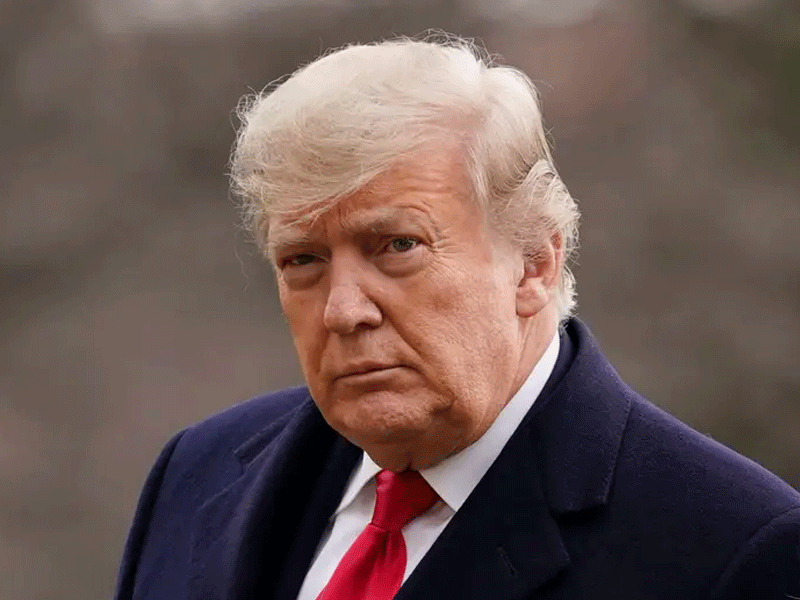
US President Donald Trump has proposed new tariffs on imports from 14 major trading partners, including China, Japan and the European Union, renewing his administration’s protectionist trade policy despite his Republican Party’s losses in the US midterm elections.
The US Trade Representative’s (USTR) office proposed maximum potential tariff rates ranging from 20 per cent to 40 per cent to counter what Washington describes as excess industrial capacity and government support for manufacturing in the affected economies.
However, the administration said it intends to cap the actual duties at lower rates agreed under trade deals that have been concluded or remain under negotiation.
The proposals followed an eight-month investigation into alleged unfair trade practices. The administration is seeking to strengthen the legal basis for Trump’s tariffs after the US Supreme Court struck down his broad global duties in February.
The latest measures rely on Section 301 of the Trade Act of 1974, which allows the US to respond to foreign trade practices it considers unfair.
THE ISSUES
China faces the highest proposed tariff ceiling among the countries covered by the investigation.
The USTR proposed a capped rate of 20 per cent if the existing trade truce between Washington and Beijing remains in place. If the agreement, which expires on January 10, collapses, the rate could rise to 40 per cent.
The proposed rate would be added to duties of roughly 25 per cent imposed on Chinese goods during Trump’s first term, although certain products would be excluded from the new measures.
Vietnam could face a capped rate of 20 per cent if it reaches a trade agreement with Washington, rising to 35 per cent if negotiations fail.
Other proposed rates include 18 per cent for Cambodia, Indonesia, Malaysia, Thailand and Bangladesh. Japan, South Korea, Taiwan, the European Union and Switzerland would face a proposed rate of 15 per cent, including existing Most Favoured Nation duties.
India would face a 17 per cent rate if it concludes a trade agreement with the US, or 25 per cent if negotiations fail. Singapore’s proposed ceiling is 10 per cent.
The administration said the tariffs were intended to address industrial policies involving manufacturing subsidies, suppressed wages and labour costs, and other forms of government support that it believes undermine US manufacturers.
China rejected the allegations, arguing that claims of industrial overcapacity were being used as a political tool.
“The so-called issue of ‘industrial overcapacity’ does not really exist and should not be used as a pretext for political manipulation,” a spokesperson for China’s embassy in Washington said.
The proposed duties would not be added on top of certain existing tariffs imposed under separate investigations or national security measures covering products such as steel, aluminium and automobiles.
WHAT’S BEING SAID
US Trade Representative Jamieson Greer said the proposed tariffs were designed to address practices that weaken the US manufacturing base.
He told CNBC that the proposed rates reflected trade agreements reached over the past year, which also reduced barriers to US exports.
“We’re sticking to that in terms of our proposals because we think a lot of these deals we made actually solve a lot of the problems we see in excess capacity or can go toward it,” Greer said.
However, the proposals have attracted criticism from Democrats, who argue that tariffs are increasing costs for American consumers.
Senator Ron Wyden, an Oregon Democrat expected to chair the Senate Finance Committee when the new Congress begins in January, said Trump was renewing a policy voters had rejected.
“Not even a month after voters rejected his disastrous trade agenda, Trump has decided to yet again increase prices for Americans,” Wyden said.
WHAT’S NEXT
The proposed tariffs will not take effect immediately. A public hearing is scheduled for January 25 before the administration proceeds with the measures.
The USTR excluded Mexico and Norway from the current proposals because investigations into their trade practices are still under way.
The proposals also come as the US administration faces pressure to maintain existing trade agreements while addressing concerns about foreign industrial subsidies.
Former USTR official Nathaniel Halvorson said there was bipartisan support in Congress for addressing excess industrial capacity, particularly in China. He warned that reversing the tariffs could also undermine some existing trade agreements.
Meanwhile, US stock markets came under pressure on Wednesday amid renewed concerns about trade barriers and a broader technology stock selloff. Major US indexes opened more than 1 per cent lower, while the Nasdaq fell by more than 3 per cent.
BOTTOM LINE
Trump’s latest tariff proposals show that his administration intends to maintain pressure on major trading partners even after the Supreme Court struck down his earlier global tariff measures. Although negotiated trade agreements could limit the actual rates, the proposals add another layer of uncertainty for businesses and investors exposed to international trade.
Reuters