








Key points
- The Transmission Company of Nigeria has commenced the second phase of compensation for persons affected by the 330kV Mando–Rimin Zakara transmission line project.
- More than 2,000 claimants were screened and verified for payment during the exercise in Shika, Zaria.
- The project, supported by the Federal Government and the African Development Bank, is expected to strengthen power supply across Kaduna, Zaria, and Kano industrial corridors.
Main story
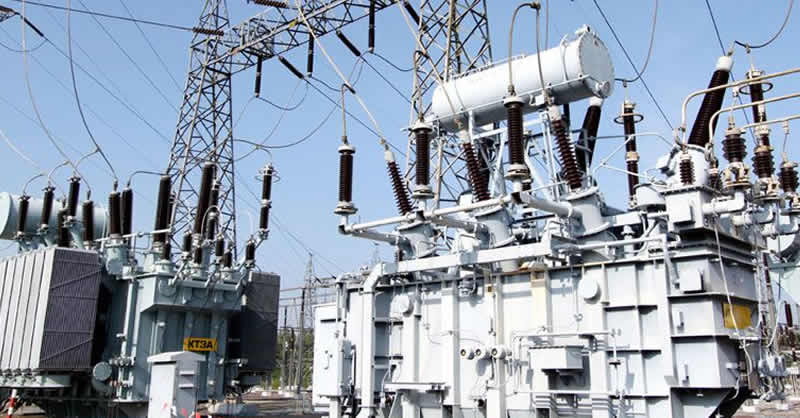
The Transmission Company of Nigeria (TCN) has commenced the second phase of compensation for Project Affected Persons (PAPs) impacted by the 330kV Double Circuit QUAD Conductor Mando–Rimin Zakara Transmission Line Project in Kaduna State.
The exercise, which began in Shika, Zaria, involves the screening and verification of over 2,000 claimants before compensation payments are made.
TCN’s General Manager, Public Affairs, Ndidi Mbah, disclosed that affected persons were required to present original documents for authentication as part of the verification process.
According to her, the exercise is aimed at ensuring that only legitimate beneficiaries are compensated in line with the company’s commitment to transparency, accountability, and due process.
Mbah explained that the clearing of the Right of Way (RoW) remains a critical requirement before the commencement of transmission infrastructure projects.
“In line with its standard operational procedures, TCN prioritises the clearing of the Right of Way before the commencement of any transmission project. This step ensures safety, protects infrastructure integrity, and enables seamless project execution,” she said.
The Project Manager, Omobola Sobo, revealed that approximately 5,500 Project Affected Persons had been identified along the Mando–Rimin Zakara transmission corridor, with the current phase covering about 2,000 beneficiaries.
She commended district heads and community leaders for supporting sensitisation efforts and encouraging residents to cooperate with the compensation process and project implementation.
Sobo also acknowledged the support of TCN Managing Director, Sule Abdulaziz, as well as the African Development Bank, toward the successful execution of the project.
Speaking during the exercise, the District Head of Rigasa, Muhammed Idris, said although it may be difficult to achieve complete satisfaction among all affected persons, TCN had maintained transparency and sustained engagement with community leaders throughout the process.
He expressed optimism that the transmission project would improve electricity supply and stimulate socio-economic growth across affected communities in Kaduna and neighbouring states.
Some beneficiaries also commended the company for what they described as a transparent compensation process.
One of the beneficiaries, Lawal Abubakar, appreciated TCN for the initiative and pledged continued support and cooperation from the host communities.
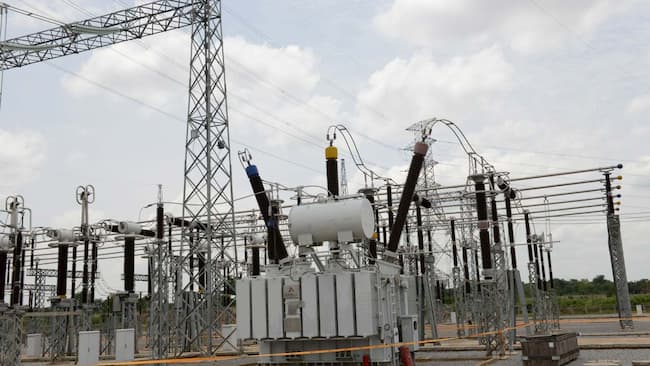
The transmission line project will extend from the Mando Transmission Substation to the Rimin Zakara Transmission Substation, with a Turn-In Turn-Out (TITO) connection at the new 2×150 Megavolt Ampere (MVA) 330/132/33kV substation in Jaja, Zaria.
The project is being funded with support from the Federal Government and the African Development Bank as part of broader efforts to strengthen electricity transmission infrastructure in Northern Nigeria.
The issues
Nigeria’s power sector continues to face challenges linked to inadequate transmission infrastructure, frequent grid constraints, and limited electricity distribution capacity.
Large-scale transmission projects such as the Mando–Rimin Zakara line are critical to improving power evacuation, stabilising supply, and supporting industrial growth in major commercial and manufacturing corridors across Northern Nigeria.
However, compensation for affected communities and the proper management of Right of Way disputes remain sensitive issues that can delay infrastructure projects if not handled transparently.
What’s being said
TCN officials say the compensation process demonstrates the company’s commitment to fairness, transparency, and community engagement during project implementation.
Community leaders and beneficiaries have also praised the company for involving local stakeholders and maintaining open communication throughout the exercise.
Stakeholders believe the project will significantly improve electricity transmission capacity and support economic activities across Kaduna, Zaria, and Kano.
What’s next
The second phase of compensation and verification is expected to continue across affected communities along the transmission corridor.
Following the completion of compensation and right-of-way clearance, construction and reinforcement activities on the transmission line project are expected to accelerate.
Authorities also anticipate that the project will strengthen grid stability and improve power supply to critical industrial and residential areas in Northern Nigeria.
Bottom line
The commencement of the second phase of compensation for affected communities marks another milestone in the implementation of the Mando–Rimin Zakara transmission project. With improved stakeholder engagement and infrastructure investment, the project is expected to boost electricity transmission capacity and support economic development across Northern Nigeria.





 has commenced the second phase of compensation for Project Affected Persons ...)