




By Boluwatife Oshadiya | June 25, 2026
KEY POINTS
• Senate approves constitutional amendment bill creating state police services across Nigeria
• Governors will be empowered to appoint state Commissioners of Police subject to legislative confirmation
• Proposal now requires approval by at least two-thirds of state Houses of Assembly before becoming law
MAIN STORY
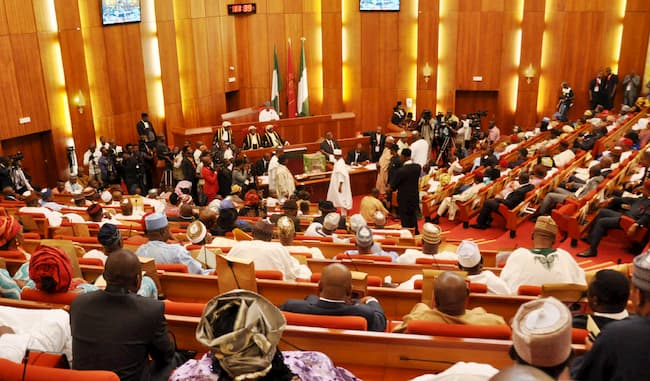
Nigeria moved closer to establishing state police on Wednesday after the Senate passed a landmark constitutional amendment bill designed to decentralise policing and strengthen the country’s security architecture.
The legislation, approved following a clause-by-clause consideration and manual voting process, will allow states to establish their own police services operating alongside the existing Federal Police Service. Senate President Godswill Akpabio announced the passage after lawmakers overwhelmingly backed the proposal during plenary.
A central provision of the bill empowers governors to appoint Commissioners of Police for their respective states, subject to confirmation by state Houses of Assembly. While the Federal Police Service will continue to be led by the Inspector-General of Police, each participating state will maintain its own police command under a state-appointed commissioner.
The legislation also grants governors the authority to issue lawful directives on public safety and public order while introducing safeguards aimed at preventing political abuse. State police commissioners are expressly prohibited from targeting individuals, political parties or groups solely for criticising a government.
The Senate’s action comes weeks after the House of Representatives approved a similar measure, marking the most significant progress yet in a reform that has been debated for decades. Supporters argue that decentralised policing will improve intelligence gathering, emergency response and local security coordination amid rising cases of terrorism, banditry, kidnapping and communal violence across the country.
WHAT’S BEING SAID
“The legislation was carefully designed to address fears that governors could misuse state-controlled police formations while providing a workable framework for local security management,” said Senate Leader Opeyemi Bamidele during debate on the bill.
“The state police forces will operate alongside the federal police as part of efforts to tackle worsening insecurity across the country,” according to details of the Senate-approved constitutional amendment.
WHAT’S NEXT
• The constitutional amendment must secure approval from at least two-thirds of Nigeria’s 36 state Houses of Assembly
• Harmonisation processes between both chambers of the National Assembly may be required where necessary
• The proposal will proceed for presidential assent once all constitutional requirements are fulfilled
BOTTOM LINE
The Bottom Line: The Senate’s approval represents the strongest push yet toward restructuring Nigeria’s policing system. If ratified by the states, the reform could fundamentally alter how security is managed across the federation while testing whether decentralised policing can address long-standing security challenges without creating new political risks.