President Bola Tinubu has directed the full implementation of compulsory health insurance across all Ministries, Extra-Ministerial Departments, and Agencies (MDAs), in line with the provisions of the National Health Insurance Authority (NHIA) Act, 2022. The directive was contained in a statement issued on Wednesday by the Special Adviser to the President on Information and Strategy, Bayo Onanuga.
The NHIA Act mandates compulsory health insurance for all Nigerians and empowers the Authority to expand health coverage nationwide. Tinubu, in his directive, instructed the Secretary to the Government of the Federation to issue a service-wide circular to MDAs, while also calling for constructive engagement with the private sector to ensure businesses are not unduly constrained in complying with the law.
Onanuga outlined five key elements of the directive:
Employee Enrolment: All MDAs must enrol their staff under the NHIA insurance plan, with the option of supplementary private coverage.
Procurement Compliance: Any entity participating in public procurement must present a valid NHIA-issued Health Insurance Certificate as part of eligibility requirements.
Licenses and Approvals: MDAs must require applicants to present valid NHIA Health Insurance Certificates before issuing or renewing licenses, permits, and other official approvals.
Digital Verification: The NHIA will establish an electronic platform to verify Health Insurance Certificates, ensuring transparency and accessibility.
Internal Monitoring: MDAs are mandated to work with NHIA to develop internal procedures for verifying certificates and ensuring compliance.
Tinubu emphasised that the reforms are designed to entrench accountability and broaden access to healthcare, while ensuring the NHIA Act is fully operationalised.
The Presidency has announced that Nigeria remains firmly on course to achieve its annual non-oil revenue target, citing reforms and improved compliance as key drivers of the surge. In a statement issued on Wednesday by the Special Adviser to the President on Information and Strategy, Bayo Onanuga, the Presidency described the performance as the country’s strongest fiscal outcome in recent history.
According to official figures, non-oil revenues between January and August 2025 rose to ₦20.59 trillion, representing a 40.5 percent increase from the ₦14.6 trillion recorded during the same period in 2024.
“Nigeria’s fiscal foundations are being reshaped. For the first time in decades, oil is no longer the dominant driver of government revenue,” Onanuga said.
He credited the growth to structural reforms, including improved tax enforcement, Customs automation, and the digitisation of revenue collection. Of the total, non-oil income accounted for three out of every four naira, with ₦15.69 trillion derived from non-oil sources.
The statement highlighted that the Nigeria Customs Service collected ₦3.68 trillion in the first half of 2025—₦390 billion above target—reflecting “systemic changes, not one-off windfalls.”
While acknowledging that inflation and exchange rate adjustments contributed to the uptick, the Presidency stressed that the gains were primarily reform-led.
President Bola Tinubu, speaking during a visit by the Buhari Organisation at the State House on Sunday, pointed to the revenue growth as evidence of improving public finance. He noted that the Federal Government had stopped borrowing from domestic banks, thereby easing pressure on the local credit market.
The fiscal improvements have also filtered to sub-national governments. For the first time, monthly allocations to the 36 states and 774 local councils exceeded ₦2 trillion in July, driven by increased Federation Account disbursements. According to the Presidency, this development has expanded fiscal space for states to invest in infrastructure, agriculture, and social services, in line with Tinubu’s inclusive growth agenda.
“Resources are being directed closer to the people,” the statement added, but cautioned that revenue levels still fall short of the President’s aspirations for higher investments in education, healthcare, and infrastructure.
Despite the progress, oil revenues remain subdued due to falling crude prices and unmet production targets. The Presidency acknowledged the shortfall but said it does not alter the positive trajectory of non-oil revenue growth.
The Budget Office will provide a final year-end validation of fiscal targets. “Revenues are rising, the base is broadening, and reforms are working. The priority now is to translate these gains into real relief for citizens—putting food on the table, creating jobs for young people, and building better roads, schools, and hospitals,” the Presidency concluded.
The Federal Government has unveiled a restructured national curriculum for secondary schools, introducing innovative subjects such as artificial intelligence (AI), programming, fact-checking, and journalism as part of efforts to modernize Nigeria’s education system.
Although the complete document has yet to be formally released, excerpts were made public by Dada Olusegun, the Senior Special Adviser to the President on Social Media. The new framework is designed to streamline the learning experience, reduce subject overload, encourage practical skill acquisition, and bring Nigerian education closer to global standards.
Broad Stakeholder Consultations
The updated curriculum is the product of extensive collaboration involving the Nigerian Educational Research and Development Council (NERDC), West African Examinations Council (WAEC), National Examinations Council (NECO), National Business and Technical Examinations Board (NABTEB), and the National Board for Technical Education (NBTE), alongside other stakeholders in the education sector.
A key highlight of the reform is the reduction in the number of subjects students are expected to undertake at different levels. Junior Secondary School (JSS 1–3) will now feature 12 to 14 subjects, while Senior Secondary School (SSS 1–3) will take 8 to 9 subjects, with a sharper concentration on five core areas.
New Learning Areas
Journalism has been introduced as a module within the English Language subject for senior secondary students, equipping them with communication, research, and fact-checking skills. Programming modules have also been included across junior and senior secondary levels, while Digital Literacy—one of the flagship subjects—now incorporates robotics and artificial intelligence components.
English & Communication: Academic writing, literary analysis, research methods, public speaking, journalism, and fact-checking.
Sciences: Advanced physics, chemistry, biology, biotechnology, and environmental science.
Technology & Innovation: Programming (Python, JavaScript, HTML/CSS), AI and robotics, data science, cybersecurity, and digital entrepreneurship.
Social Sciences: Government, law, economics, philosophy, ethics, entrepreneurship, and global history.
Languages: Advanced mother tongue studies and proficiency in international languages such as French, Arabic, or Chinese.
Creative Arts & Innovation: Music, fine arts, drama, film, and media production.
Physical & Health Education: Mental health awareness, leadership in sports, CPR training, and advanced fitness.
Research & Project Work: Independent final-year projects covering research, data collection, analysis, and presentation.
A Global Shift in Education
The government’s decision to embed journalism, coding, and AI into the national curriculum signals a shift towards preparing Nigerian students for the demands of the digital economy. By integrating technology, media literacy, and critical thinking into classroom instruction, the new framework is expected to produce a generation equipped to compete and innovate on a global scale.
Crypto market analysts are warning of a potential 12% drop in Bitcoin’s value this month, citing fragile sentiment, reduced trading activity, and wider macroeconomic headwinds.
At press time, Bitcoin was trading at $111,592, while Ethereum stood at $4,368 and XRP at $2.86. Despite a modest 1.35% gain in the last 24 hours, Bitcoin’s market capitalization remains subdued at $2.22 trillion, down from the start of August. The overall crypto market capitalization has fallen to $3.74 trillion, its lowest level in three weeks.
Historically, September has proven to be a difficult month for Bitcoin. The cryptocurrency has recorded losses in nine of the past 14 Septembers, including an 8% dip in 2017 and a 14% decline in 2019. Drawdowns also occurred in 2020, 2021, and 2022, though the trend was broken in 2023 and 2024.
Institutional interest has played a significant role in Bitcoin’s performance. While several major corporations, including Strategy and Metaplanet, have continued to add Bitcoin to their reserves, exchange-traded funds (ETFs) tell a different story. August saw Ethereum ETFs attract $3.87 billion in net inflows, while Bitcoin ETFs registered $751.12 million in net outflows.
Meanwhile, data from Glassnode revealed that Bitcoin whale holdings—wallets with between 100 and 10,000 BTC—have steadily declined since November 2024. The average holdings now stand at 488 BTC per whale, the lowest since December 2018, reflecting a broader distribution of supply.
Despite the short-term risks, analysts note that long-term institutional adoption and ETF approvals remain key drivers for potential upside in Bitcoin’s trajectory.
Syria has restarted exports of heavy crude oil for the first time in years, signaling efforts to revive its war-torn energy sector and reassert its presence in global markets.
The Ministry of Energy confirmed that 600,000 barrels of heavy crude were shipped on Monday from the Tartus terminal aboard the tanker Nissos Christiana, destined for B Serve Energy Company. The statement described the move as part of broader state directives to expand international cooperation and rebuild the oil industry.
The government said more shipments would follow in the coming months. Officials hailed the resumption as a turning point for an industry once central to Syria’s economy before the civil war.
In June, Syria resumed limited exports of refined petroleum products from the Baniyas refinery, also located in Tartus province, marking its first international shipment in over a decade. Baniyas, 35 kilometers north of Tartus, remains Syria’s largest refining facility and an important oil hub.
Before the conflict erupted in 2011, crude oil contributed roughly 20% of GDP, 50% of state revenues, and nearly half of export earnings. Syria pumped about 390,000 barrels per day in 2010, but output collapsed to just 40,000 barrels per day in 2023.
For much of the war, Syria relied heavily on Iranian crude imports to generate electricity, but those supplies were disrupted after the ouster of Bashar al-Assad in late 2024. Assad fled to Russia, ending nearly six decades of Ba’ath Party rule. A transitional government under President Ahmad al-Sharaa has since taken steps to restore the oil sector as a cornerstone of economic recovery.
Global oil benchmarks slipped on Wednesday as weakening demand prospects in the United States weighed on sentiment, while traders remained cautious ahead of a key OPEC+ gathering scheduled for next week.
Brent crude fell 0.5% to $68.63 per barrel from its previous settlement of $68.97, while U.S. benchmark West Texas Intermediate (WTI) slipped 0.5% to $64.98 from $65.34.
The pressure on prices followed fresh data showing continued weakness in U.S. manufacturing. The Institute for Supply Management (ISM) reported that the manufacturing PMI edged up slightly to 48.7% in August from July’s reading, but still fell short of forecasts and remained below the 50% expansion threshold.
In a parallel development, a U.S. appeals court ruled that most tariffs introduced during former President Donald Trump’s administration were illegal, though the ruling’s implementation was delayed until October 14 to allow time for a possible Supreme Court review. Analysts warned that overturning the tariffs could force the government to return billions in collected revenue, potentially deepening fiscal deficits.
On the supply front, the U.S. Treasury imposed sanctions on a network accused of disguising Iranian crude as Iraqi oil, further tightening restrictions on Tehran’s exports after the breakdown of nuclear negotiations. These measures, coupled with ongoing geopolitical strains, provided some support for oil futures.
Markets also monitored trade tensions between Washington and New Delhi after U.S. authorities doubled tariffs on certain Indian imports to 50%, citing India’s continued purchase of discounted Russian crude. The move comes as Saudi Arabia and Iraq reportedly halted crude shipments to a major Indian refinery with Russian links, further disrupting global flows.
Attention now shifts to the September 7 OPEC+ meeting, where members are expected to maintain current output levels. However, analysts caution that any fresh increase in production could trigger fears of oversupply.
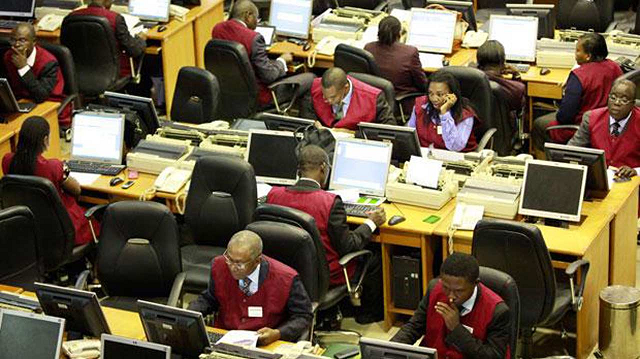
The Nigerian Exchange (NGX) extended its losing streak for the sixth consecutive session on Wednesday as investors continued to offload equities in favor of safer investment instruments.
The All-Share Index (ASI) fell 0.45% to 138,780.55 points, trimming the year-to-date return to 34.23%. Market capitalization shed ₦394.45 billion to close at ₦87.42 trillion, marking a loss of nearly ₦2.27 trillion over the past six sessions.
The selloff was most pronounced in mid- and large-cap stocks, including LEGENDINT, PZ, and UBA, as heightened risk aversion drove investors toward commercial papers and Federal Government savings bonds.
Trading activity presented a mixed picture. While the total volume of trades increased by 19.34% to 482.76 million units, the total value of transactions slumped by 50.52% to ₦19.67 billion across 28,193 deals.
ACCESSCORP led trading volumes with 8.92% of total shares exchanged, followed by FIDELITYBK (8.32%), GTCO (7.22%), UBA (6.93%), and AIICO (6.03%). In value terms, ARADEL dominated with 32.84% of total market turnover.
Among the gainers, NSLTECH topped the chart with a 9.09% price increase, while CONHALLPLC (+8.53%), JOHNHOLT (+7.94%), and CADBURY (+5.45%) also posted notable advances. On the flip side, LEARNAFRCA, LEGENDINT, and DAARCOMM led the losers with a 10% dip each, alongside sharp declines in UNIVINSURE (-9.60%), CAP (-7.41%), and INTBREW (-5.08%).
Sectoral performance skewed negative, with the Insurance index plunging 4.46% and Consumer Goods slipping 1.32%. Losses were also recorded in Banking (-0.55%), Oil & Gas (-0.44%), and Commodities (-0.08%). The Industrial sector stood out with a modest 0.23% gain.
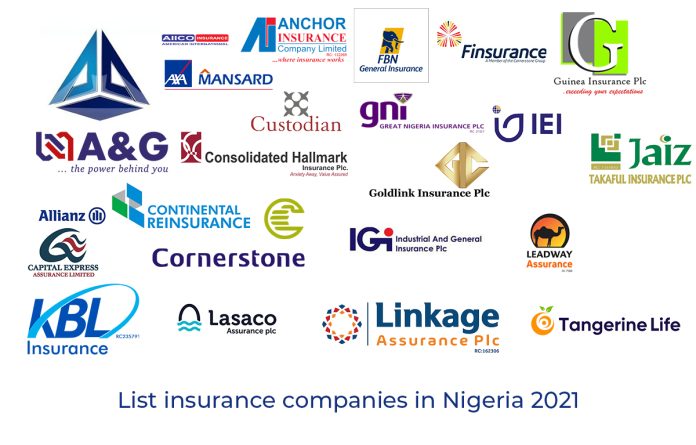
The Insurance index on the Nigerian Exchange tumbled sharply as profit-taking and negative sentiment drove selloffs in major listed insurers, particularly AXA Mansard and AIICO Insurance.
The bearish momentum erased significant value from the insurance sector, and analysts warned that the absence of new catalysts could prolong the trend. Stockbrokers noted that the local bourse had reached overbought levels in recent weeks, making the correction both fast and severe.
Despite the setback, the Nigerian Exchange has maintained a healthy year-to-date return of 36%, underpinned by earlier rallies triggered by the new Insurance Act. However, uncertainties remain over whether insurers can meet recapitalization requirements within the one-year compliance window.
At Wednesday’s close, the Insurance index posted the steepest sectoral loss, plunging 4.46%. AXA Mansard fell 9.95%, while AIICO slid 7.02%, alongside additional pressure on Universal Insurance Plc.
Other sectors also posted declines, with Consumer Goods (-1.32%), Banking (-0.55%), Oil & Gas (-0.44%), and Commodities (-0.08%) weighed down by losses in NB (-5.71%), UBA (-2.03%), OANDO (-3.09%), and ARADEL (-0.45%). The Industrial sector was the sole bright spot, advancing 0.23%.
Investors appear to be shifting toward safer assets, including government bonds and other naira-denominated debt instruments, amid rising yields in the fixed-income market.
Currency markets are always buzzing. Some days, the moves are subtle—mere ripples on the screen. Other days, they’re dramatic swings that shake businesses, investors, and even everyday households. Right now, three currencies are stealing the spotlight: the euro, the British pound, and the South African rand. Each is being pushed and pulled by a cocktail of economic data, political decisions, and shifting expectations from central banks.
And let’s be honest—if you live in a country like Nigeria where foreign exchange touches everything from fuel prices to food imports, these moves aren’t just “global finance stories.” They trickle right into everyday life.
Euro Holds Firm Above $1.16 as Dollar Softens
The euro has been flexing some muscle, holding steady at $1.16, its strongest point in over a month. But the real story isn’t Europe’s sudden strength—it’s America’s moment of weakness.
The US labor market, once described as “red-hot,” is now cooling. Fresh data from the JOLTS report showed job openings slid by 176,000 in July, landing at 7.18 million—the lowest figure since September 2024. Traders were expecting 7.4 million, so this was a miss. A softer labor market strengthens the case for the Federal Reserve to cut rates in September, and that undercuts the dollar’s appeal.
Now, Europe isn’t without its own headaches. Inflation in the eurozone accelerated to 2.1% in August—slightly above the ECB’s 2% target. That complicates life for policymakers. On one hand, inflation is a touch hotter than they’d like; on the other, economic growth is fragile. The likeliest outcome? The European Central Bank will sit tight at its next meeting, neither cutting nor hiking.
Meanwhile, politics lurks in the background. Germany is talking up infrastructure spending to modernize its economy, and in France, Prime Minister François Bayrou faces a confidence vote on September 8. Political uncertainty can easily ripple into currency markets, and traders are already factoring it in.
For context, just two years ago in 2022, the euro actually slipped below parity with the dollar—a psychological blow at the time. To see it now climbing back above $1.16 is a reminder of how quickly sentiment can flip.
Pound Climbs Above $1.34, but Challenges Remain
Sterling has made a comeback, crossing $1.34. Like the euro, it’s riding on the back of dollar weakness. But the pound’s story is layered with domestic uncertainty.
The UK is approaching its Autumn Budget, and Chancellor Rachel Reeves has a tough job: balance fiscal targets without scaring voters or markets. Will she cut spending? Will she hike taxes? Either move carries political baggage. For investors, the uncertainty itself is a problem.
Adding to the mix, Bank of England Governor Andrew Bailey struck a cautious tone in Parliament this week. He said there’s “considerably more doubt” about when rates can be reduced. Translation? Traders shouldn’t expect a rate cut this year. Markets have pushed their bets to April 2026 for the next BoE move.
And let’s not forget the shadow of Brexit. Even though it’s been years since the vote, its aftershocks still rattle the economy—think trade barriers, labor shortages, and reduced EU access. All of these weigh on sterling’s long-term prospects, even when short-term moves look bullish.
So yes, the pound is enjoying the moment, but whether it can hold those gains is another question entirely.
Rand Edges Stronger, Powered by Gold and Policy Chatter
The South African rand isn’t always in the same headlines as the euro or pound, but when it moves, it often reflects deeper global shifts. This week, it edged stronger toward 17.6 per dollar.
Two forces are at play here. First, gold. South Africa remains one of the world’s key gold producers, and the rand tends to rise and fall with bullion prices. As gold strengthened this week, thanks to weaker US data, the rand found support.
Second, domestic monetary policy. The South African Reserve Bank (SARB) and the Treasury issued a rare joint statement confirming that they’re reviewing the country’s inflation target, which has been 3–6% since 2000. Governor Lesetja Kganyago has argued for tightening that band, ideally anchoring expectations closer to 3%. His reasoning is straightforward: lower inflation targets can help reduce debt and create more predictable price stability.
If the review results in a shift, it could boost investor confidence in South Africa’s financial discipline, strengthening the rand’s credibility in global markets. But for now, its near-term fortunes remain tied to commodities and the global dollar trend.
Dollar Movements: When the US dollar weakens, it affects Nigeria directly because most of our external trade and oil sales are dollar-denominated. A softer dollar can ease pressure on the naira in international transactions, though domestic supply issues remain.
Euro Strength: Nigeria imports heavily from the EU—machinery, pharmaceuticals, and vehicles. A stronger euro makes these imports more expensive, potentially pushing up local inflation.
Pound Dynamics: The UK remains a major trade and remittance partner for Nigeria. When the pound strengthens, remittances from the Nigerian diaspora in Britain are worth more in naira terms—a subtle but real boost for many households.
Rand Movements: While Nigeria and South Africa are sometimes economic rivals, a stronger rand signals investor confidence in African markets more broadly. That can influence foreign portfolio flows into Nigeria as well.
So, even if you’re not trading currencies on MetaTrader 4 or following Bloomberg terminals, these moves shape prices on supermarket shelves, remittance flows into bank accounts, and even government budget assumptions.
What Traders and Businesses Should Watch
For traders, the big question is whether the Fed actually follows through with a September rate cut. If they do, the dollar could weaken further, giving more breathing room to currencies like the euro, pound, and rand.
Businesses, especially importers, should pay attention to euro strength—it could mean higher costs on goods sourced from Europe. On the other hand, exporters or service providers who earn in dollars may find global demand softening if the greenback loses too much ground.
In Africa, policy decisions in South Africa could create ripples for regional investors. If the SARB does lower its inflation target, it might set a precedent for other African economies debating how to handle inflation and debt.
Conclusion: Currency Moves as Signals
At the end of the day, currencies are more than numbers on a screen. They’re signals of how investors, policymakers, and even ordinary people are feeling about the future.
The euro’s gains reflect doubts about the US economy. The pound’s rise is clouded by domestic fiscal headaches. The rand’s slight strength shows how commodities and policy tweaks shape emerging-market currencies. And for Nigeria, all of these shifts matter, whether it’s the cost of fuel imports or the value of diaspora remittances.
The forex market is messy, unpredictable, and sometimes frustrating—but it’s also one of the clearest mirrors of global confidence. Traders may chase charts and headlines, but for everyone else, these moves quietly shape the financial reality we live in every single day.
Interswitch Group, one of Africa’s leading integrated payments and digital commerce companies, has emphasized the imperative for strategic regulatory engagement and partnership for African technology players who desire to scale their operations effectively across the continent.
Africa’s burgeoning Fintech ecosystem presents a unique opportunity to deepen financial inclusion, foster economic integration, and drive digital innovation. However, the current licensing and regulatory landscape, marked by a variety of approaches in regulating fintechs with often high barriers to entry and fragmented oversight, poses significant barriers to growth and cross-border scalability. In response, the Africa Fintech Network (AFN) has consistently championed a harmonized fintech licensing initiative aimed at fostering a more coordinated and enabling regulatory environment across the continent.
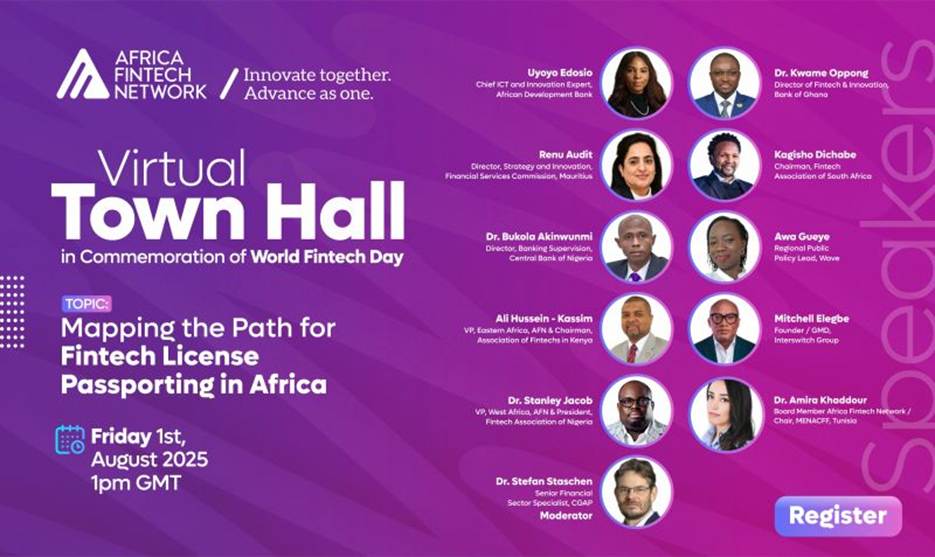
Speaking at an AFN Webinar to commemorate World Fintech Day on 1st August, themed ‘Mapping the Path for Fintech License Passporting in Africa’, Interswitch Group CEO, Mitchell Elegbe shared extensive insights and learnings from Interswitch’s journey from nascent player to pan-African fintech and payments champion operating across multiple regions of the continent.
The core premise of this initiative by the AFN is that a mutually recognized licensing framework will accelerate innovation, streamline compliance, and enhance regional collaboration, contributing to boosting intra-African trade and financial inclusion. It is believed, as evidenced in other jurisdictions, that reducing regulatory friction and duplicative licensing burdens, fintech and digital finance firms can scale faster, improve operational efficiency, and focus on delivering inclusive, market-driven solutions across borders.
As Africa’s foremost fintech unicorn, Elegbe was tasked to share his perspective based on experiences with licensing and regulations given Interswitch’s operations in multiple countries. According to him, Interswitch Group operates with multiple distinct licenses from regulators across jurisdictions like Nigeria, Kenya, Uganda, Gambia and Mauritius with each respective license application accompanied by distinct licensing procedures, application processes and expiration dates.
He asserts that “We are therefore often tasked with managing the expectations of our partners during the period between the expiration date and the renewal date about our status to operate. Also, there is the challenge of overlapping regulations as fintechs in many countries in Africa are regulated by multiple bodies such as Central Banks and Telecom Regulators, which leads to duplicated licensing processes, conflicting compliance requirements and delays in approvals.
He also acknowledged that Regulatory frameworks are not static and while fintechs must remain agile to adapt to existing frameworks, these constantly changing frameworks affect the renewal of license applications as the expectation is that implementation of the requirements are tied to license renewals.
Elegbe underscored specific initiatives Interswitch has undertaken to invest in proactive and effective regulatory relationship management to include hiring experienced local compliance officers on ground in the countries the companies operates/invests in, participating in policy dialogues such as the AFN’s and actively engaging and sharing feedback on regulatory drafts, among others. He emphasized the need for operators to collaborate with regulators on areas of concern and seek clarity where necessary.
Elegbe also essentially spoke to the importance of embracing maturity modelling by African businesses; emphasizing that Maturity modeling, across respective critical functions and disciplines is crucial for organizations because it provides a framework for assessing and improving performance, identifying weaknesses, and fostering continuous improvement. He asserted that in Interswitch’s case, has it has grown and scaled operations across markets, maturity modelling has helped the business understand current capabilities, benchmark industry best practices, and develop strategies for growth and optimization. According to him “By highlighting areas needing attention, maturity models enable organizations to make informed decisions, allocate resources effectively, and ultimately achieve their goals.”
To mark World Fintech Day on 1st August, The Africa Fintech Network hosted the Virtual Town Hall, which also featured other speakers including Ali Hussein Kassim, Chairman of Association of Fintechs in Kenya, Dr Bukola Akinwunmi, Director of Banking Supervision at Central Bank of Nigeria (CBN), Adedoyin Odunfa, MD/CEO at Digital Jewels and Dr. Patrick Conteh, CEO at Africa Fintech Network, as the first public forum, to address the growing need for a harmonized fintech licensing framework across Africa. This event brought together key players, regulators, innovators, policymakers, and investors, to explore how fintech license passporting can address regulatory barriers, support cross-border growth, and expand access to financial services.
The town hall reflects AFN’s commitment to work with stakeholders in building practical solutions that support a more connected and thriving fintech ecosystem across the continent. The Town Hall dialogue is aimed at gaining a high-level understanding of the current fintech licenses’ environment and how to potentially position a licenses passporting scheme amid the related challenges. Insights from international experience and from the Ghana/Rwanda initiative would be useful in this regard.
Interswitch remains a leading technology-driven company focused on the digitization of payments and commerce across Africa. Founded in Nigeria in 2002, Interswitch disrupted the traditional cash-based payments value chain in Nigeria by supporting the introduction of electronic payments processing and switching services, and launched Verve, Africa’s premier and leading domestic EMV-standard chip and pin payments card scheme.
Today, Interswitch is a leading player with critical mass across Africa’s developing financial ecosystem and is active across the payments value chain, providing a full suite of omni-channel payment solutions. Interswitch’s vision is to make payments a seamless part of everyday life in Africa, and its mission is to create transaction solutions that enable individuals and communities to prosper across Africa. Interswitch’s broad network and robust payments platform have been instrumental to the development of the Nigerian payments ecosystem and provide Interswitch with the infrastructure to expand across Africa.
The pursuit of higher education remains a cornerstone of national development, yet for many brilliant Nigerian students, financial constraints can limit their academic journey. At Stanbic IBTC Holding, we recognise this challenge and have consistently demonstrated our commitment to nurturing the next generation of leaders through our annual University Scholarship Programme.
As we announce the 2025 edition of this initiative, we are thrilled to offer 200 exceptional students who have excelled in their UTME examinations the opportunity to pursue their academic dreams without financial barriers. This year’s scholarship package includes full tuition coverage from our ₦160 million educational fund and an additional ₦800,000 for each recipient’s trust fund—an investment in their immediate educational needs and long-term financial security.
Since its launch in 2019, our scholarship programme has become a beacon of hope for thousands of Nigerian students. The rigorous selection process identifies candidates who have demonstrated academic excellence and have the potential to become transformative leaders in their chosen fields.
The impact of this initiative extends beyond individual beneficiaries. It contributes to strengthening Nigeria’s human capital development. By investing in education today, we’re contributing to a more skilled workforce, innovative thinkers, and ethical leaders for tomorrow.
For aspiring applicants, we encourage you to focus on excelling in your UTME examinations. Your academic performance could open the door to this life-changing opportunity. The application portal opens following the release of UTME results, and we look forward to welcoming the next cohort of scholars into the Stanbic IBTC family.
Education remains the most powerful catalyst for personal and national transformation. Through this scholarship programme, Stanbic IBTC continues to demonstrate our steadfast belief in the potential of Nigerian youth and our commitment to helping them realise their dreams.
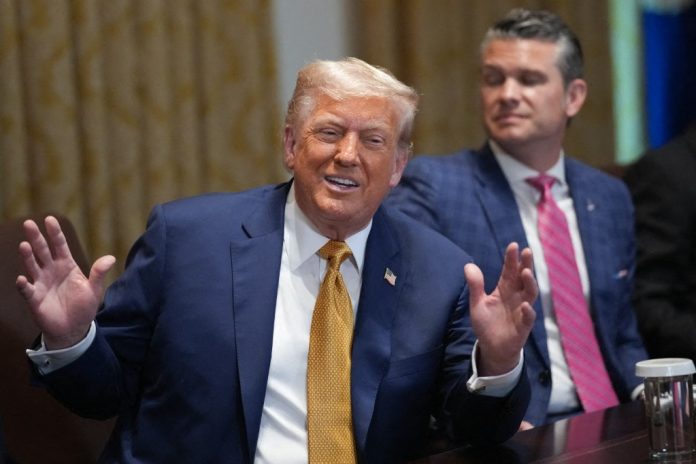
WASHINGTON, DC - JULY 08: U.S. President Donald Trump (L) speaks during a Cabinet Meeting at the White House on July 08, 2025 in Washington, DC. Trump discussed a wide range of topics during the portion of the meeting that was open to members of the media. Also pictured is Secretary of Defense Pete Hegsety (R). Andrew Harnik/Getty Images/AFP (Photo by Andrew Harnik / GETTY IMAGES NORTH AMERICA / Getty Images via AFP)
The United States Government has provided the World Food Programme (WFP) with $32.5 million to support food and nutrition interventions in Nigeria. In a statement issued on Wednesday by Aishah Gambari of the U.S. Embassy in Abuja, the funds are targeted at saving lives through food and nutrition assistance in conflict-affected areas.
According to the statement, the contribution will enable WFP to reach 764,205 beneficiaries across the Northeast and Northwest. This includes 41,569 pregnant and breastfeeding women and girls, as well as 43,235 children, who will receive complementary nutrition top-ups through electronic food vouchers.
The WFP, the world’s largest humanitarian organization, is funded entirely by voluntary donations from governments, corporations, and private individuals. The U.S. remains its largest single donor, contributing over $2.9 billion in 2023 alone.
As the United Nations’ food-assistance arm, WFP operates in more than 120 countries, delivering emergency food relief and supporting long-term food security. Its work spans nutrition projects for mothers and children, school feeding programs, and resilience-building against climate-related shocks.
In recognition of its global impact, WFP received the 2020 Nobel Peace Prize for efforts in combating hunger, promoting peace, and preventing the use of hunger as a weapon of war.
The National Youth Service Corps (NYSC) has resumed the payment of arrears, making its first disbursement on Wednesday after a two-month pause since the last payment on June 3. The arrears are tied to the recently approved ₦77,000 monthly allowance for corps members by the Federal Government.
On April 5, the NYSC Director-General, Brigadier General Olakunle Nafiu, assured that both serving and recently discharged corps members would benefit from the increment once funds were released. Speaking at the Batch A 2025 Pre-Mobilisation Workshop in Abuja, Nafiu said:
“Once funds are released to us to offset the arrears, we will pay them. Even our corps members who passed out recently will benefit. We have their bank details. Nigerians should not fret about that because the government is both responsible and responsive to their needs.”
Some ex-corps members who received the payments on Wednesday described the move as unexpected but encouraging, noting that it reaffirmed the value of their contributions during service.
The arrears cover the period between July 2024 and March 2025, easing frustrations over the delayed implementation of the new allowance, which the Federal Government introduced as part of efforts to cushion economic hardship for Nigerian youth.
In August 2025, businesses in Nigeria sustained a positive trajectory, with the index staying in the expansion zone since the start of the year. The NESG–Stanbic IBTC Business Confidence Monitor reported a slight rise in the Current Business Index to 107.3 points, up from 105.4 points in July 2025.
This recovery was driven by stronger performance in technology, finance, manufacturing, energy, and logistics, supported by targeted investments and ongoing reforms. However, these gains were tempered by structural bottlenecks affecting operational efficiency and business profitability.
Apart from the contraction in Agriculture, the sectoral review showed improvements across industries and broader economic activities. Trade posted the strongest rebound after the previous month’s decline. Meanwhile, Manufacturing (106.2), Non-manufacturing (116.2), Trade (114.1), and Services (103.7) all advanced in August compared to July 2025. Conversely, Agriculture slipped into contraction territory, recording 95.6 index points. Key sub-indices of the BCM, including investment, exports, access to credit, and prices, registered lower values relative to July 2025. The cost of doing business also rose in August, reversing the marginal relief of the previous month. Additionally, input prices continued to worsen during the period. Major constraints restricting growth and performance in August 2025 were limited financing access, unclear economic policies, unreliable electricity supply, high lease and rental costs, and persistent insecurity.
Comment from Stanbic IBTC
Business conditions in Nigeria improved in August relative to July as growth seen across the Manufacturing, Non-manufacturing, Services, and Trade sectors were enough to neutralise the contraction witnessed by the Agricultural sector in the month. Within Agriculture, crop production recorded the most significant decline, likely seasonal in nature, as August is the lean season based on Nigeria’s agricultural calendar, ahead of the main harvest season starting in September. Hence, the Agricultural sector output may increase in September and October, likely due to higher output associated with the harvest season.
Meanwhile, the Manufacturing sector rebounded in August after the contraction witnessed in July, supported by the Food, Beverage and Tobacco; Textile, Apparel and Footwear; Wood and Wood Products; and Pulp, Paper and Paper Products sub-sectors. Services (103.7 points vs July: 101.9 points) also remained within the expansionary territory for the sixth consecutive month, supported by the ongoing improvement in FX liquidity conditions, softer price pressures, and relative stability of the domestic currency.
Nigeria’s rebased economy shows real GDP increasing by 3.13% y/y in Q1:25 – slower than the 3.76% y/y revised growth in Q4:24 – and also the lowest since Q1:24 when the economy grew by 2.27% y/y. At 78.6%, relative to 70.0% in Q4:24, services contributed the most to GDP growth in Q1:25, but agriculture shrank to 0.5% in Q1:25, from 19.7% in Q4:24. Industries in Q1:25 contributed an impressive 20.9%, from 10.4% in Q4:24, in line with our long-held view that industries should start contributing more to real GDP growth from 2025 amid the structural shift introduced into the sector by the operations of Dangote Refinery. Overall, the Nigerian economy is still on track to grow by 3.5% y/y in 2025 from 3.4% y/y growth seen in 2024 supported by softer inflation, improvement in FX liquidity conditions, and structural reforms
Stanbic IBTC Bank, a subsidiary of Stanbic IBTC Holdings, has been named Commercial Bank Brand of the Year at the Brand Handlers Summit and Awards in Lagos, reinforcing its place as one of Nigeria’s most influential and customer-focused financial brands.
The Brand Handlers Summit and Awards celebrate excellence in brand building, innovation and customer engagement across diverse industries. By winning this award, Stanbic IBTC Bank has shown consistent visibility for its strategic efforts in creating meaningful connections with customers, leveraging technology, and positioning itself as a trusted partner in financial solutions.
Over the years, Stanbic IBTC Bank has stood out in Nigeria’s banking industry through its bold storytelling, forward-thinking campaigns, and a customer-first approach. From digital transformation projects that simplify banking to sustainability initiatives that drive social impact, the bank’s brand has consistently aligned with its promise of moving clients forward.
Speaking on the award, Wole Adeniyi, Chief Executive, Stanbic IBTC Bank, expressed gratitude for the recognition while emphasising the collective effort behind the achievement. He said, “We are honoured to be named the Commercial Bank Brand of the Year at the Brand Handlers Summit and Awards. This award speaks to the trust our clients place in us, the dedication of our employees, and the innovative spirit that drives everything we do. At Stanbic IBTC Bank, our brand story has always been about people and empowering them to achieve their personal and business goals. This award, just like many other awards that we have won, inspires us to keep raising the bar in customer experience, digital excellence and brand leadership in Nigeria’s financial services industry.”
The Commercial Bank Brand of the Year award adds to Stanbic IBTC’s growing list of industry recognitions, reinforcing its leadership position in Nigeria’s banking sector and its role as a catalyst for sustainable growth.
The Independent National Electoral Commission (INEC) and the National Identity Management Commission (NIMC) have agreed to strengthen their collaboration in a bid to harmonise identity management and voter registration processes across Nigeria.
Speaking during a courtesy visit by the NIMC leadership to INEC headquarters in Abuja on Wednesday, INEC Chairman, Prof. Mahmood Yakubu, described the partnership as a transformative step toward electoral reform.
Yakubu noted that both agencies hold the country’s largest biometric databases—INEC for electoral records and NIMC for citizenship identification—underscoring the scale and potential of their cooperation.
“We look forward to the day when your database will serve as the single source of truth for citizenship identification in Nigeria. When that time comes, the national register of voters may simply draw from the citizenship register, as is the case in many countries around the world,” he said.
The INEC chairman added that such integration could one day allow Nigerians to vote from any location, regardless of where they initially registered, describing it as an ambitious but achievable vision.
As part of immediate measures, NIMC will deploy personnel to selected INEC Continuous Voter Registration (CVR) centres nationwide. This arrangement will enable citizens to obtain their National Identification Number (NIN) while registering to vote.
Yakubu revealed that a pilot scheme was conducted in Anambra State between July 8 and 20, 2025, and the initiative will now be scaled up nationwide. NIMC is expected to announce the designated CVR centres and provide further guidelines for the process.
“We welcome this partnership with NIMC, which aligns with our commitment to work with national institutions to strengthen electoral integrity and improve access for citizens,” Yakubu said.
On her part, NIMC’s Director-General, Abisoye Coker-Odusote, pledged the commission’s full commitment, describing the initiative as a crucial step toward building a unified and reliable identity system for Nigerians.
“Our focus is integration, organisation, and trust. Working hand in hand with INEC, we are creating a system Nigerians can rely on—not just for elections, but for access to essential services nationwide,” she stated.
INEC launched its nationwide CVR exercise on August 18, 2025. Data from the commission shows that as of August 31, 2,532,062 Nigerians had pre-registered online. In-person registration, which began on August 25, has so far recorded 72,274 completed enrolments.
The Independent National Electoral Commission (INEC) and the National Identity Management Commission (NIMC) have agreed to strengthen their collaboration in a bid to harmonise identity management and voter registration processes across Nigeria.
The Nigerian Exchange (NGX) All-Share Index (ASI) continued its downward trend, dropping 14 basis points during Wednesday’s intraday trading, driven by sustained sell-offs in banking stocks. The local bourse has been on a bearish run for three weeks, following earlier rallies that pushed equities to record highs. A lack of fresh market catalysts has dampened momentum, prompting risk-averse investors to shift capital toward fixed-income securities as yields rise, reversing prior trends.
According to Alpha Morgan Capital Limited, the NGX ASI reflected a 0.14% loss by midday, signaling weak investor sentiment. Stockbrokers noted that the decline was primarily fueled by sell-offs in mid- to high-capitalized stocks, particularly in the banking sector. Notable losers included INTBREW (-3.39%), OANDO (-3.09%), STANBIC (-2.00%), GTCO (-1.58%), UBA (-1.50%), AIICO (-1.17%), ACCESSCORP (-1.16%), FIDELITYBK (-0.71%), ZENITHBANK (-0.69%), and FIRSTHOLDCO (-0.31%).
The shift in investor preference toward fixed-income assets coincides with the Central Bank of Nigeria’s (CBN) tight liquidity measures, including a recent ₦600 billion Open Market Operation (OMO) auction that absorbed ₦620.65 billion, keeping interbank rates elevated at around 26.5%. This has pressured rate-sensitive banking stocks, contributing to the bearish market tone. Meanwhile, investors await half-year earnings reports from major banks like Zenith Bank, GTCO, UBA, and Access Holdings, which could influence future trading.
The broader investment landscape remains challenging, with global monetary policy tightening and domestic liquidity constraints shaping market dynamics. The upcoming Nigerian Treasury Bills auction worth ₦480 billion and the OPEC+ meeting on September 7 are expected to further impact investor decisions. Analysts anticipate continued volatility in the NGX unless positive earnings or macroeconomic developments spark renewed buying interest.
Providus Bank Limited is set to take over the operations and corporate identity of Unity Bank Plc, pending shareholder approval of the proposed merger between both institutions.
According to a court-ordered notice, Unity Bank shareholders are scheduled to meet on September 26, 2025, to vote on the scheme of merger. The decision will determine whether Unity Bank will cease to exist as a standalone entity and become part of an enlarged Providus Bank.
If the merger is approved, Unity Bank’s entire share capital will be cancelled, effectively dissolving the lender’s independent corporate status. Providus Bank’s certificate of incorporation would then serve as the legal identity of the combined financial institution.
The scheme consideration provides Unity Bank shareholders with two options:
Cash payout: N3.18 per share for every Unity Bank share held.
Equity swap: 18 Providus Bank ordinary shares of N0.50 each in exchange for every 17 Unity Bank shares.
Additional resolutions to be discussed at the meeting include:
The continuation of all existing legal proceedings involving Unity Bank under the Providus Bank name once the merger is sanctioned by the court.
Authorisation for Unity Bank’s directors to make regulatory adjustments as required by the Central Bank of Nigeria (CBN) and the Securities and Exchange Commission (SEC).
A mandate for Unity Bank’s solicitors to obtain all necessary court approvals to bring the merger into full effect.
The court has appointed Unity Bank’s Chairman, Hafiz Mohammed Bashir, or in his absence, Managing Director Ebenezer A. Kolawole, to preside over the meeting, which will take place at OOPL Hotel in Abeokuta. Shareholders may attend in person or be represented by proxy, with the merger requiring approval from at least three-quarters in value of the shares held.
If sanctioned, the merger will mark the end of Unity Bank’s independent operations, while positioning Providus Bank as a stronger player in Nigeria’s mid-tier banking sector. Analysts suggest the deal could significantly reshape the nation’s financial landscape by consolidating assets, liabilities, and customer bases into a single institution.
The Federal Government has officially declared Friday, September 5, 2025, as a public holiday in commemoration of this year’s Eid-ul-Mawlid, the Islamic celebration marking the birth of Prophet Muhammad.
The announcement was contained in a statement released on Wednesday by the Permanent Secretary of the Ministry of Interior, Dr. Magdalene Ajani, who signed on behalf of the Minister of Interior, Dr. Olubunmi Tunji-Ojo.
In the statement, the government extended warm felicitations to Muslims in Nigeria and across the world, urging them to embrace the Prophet’s exemplary values of humility, compassion, love, tolerance, and peace.
The Federal Government also called on citizens of all religious backgrounds to use the occasion to pray for the peace, security, and stability of the nation, while supporting government efforts aimed at strengthening unity and development.
“The Honourable Minister of Interior wishes all Muslims a peaceful and joyous Eid-ul-Mawlid celebration,” the statement read. “The commemoration of the birth of the Holy Prophet provides another opportunity to deepen bonds of brotherhood, promote harmony, and uphold the Prophet’s message of service to humanity and mutual respect.”
Citizens were further encouraged to remain law-abiding, vigilant, and supportive of government policies designed to foster national cohesion and sustainable growth.
Eid-ul-Mawlid, which falls in the third month of the Islamic calendar (Rabi’ al-Awwal), is widely observed in Nigeria through prayers, processions, sermons, and acts of charity. As one of the officially recognised public holidays in the country, it underscores Nigeria’s strong Islamic heritage and tradition of celebrating key religious festivals.
Over the years, the holiday has served as a platform for both clerics and government leaders to renew calls for peace and unity, especially as Nigeria continues to navigate security and economic challenges.
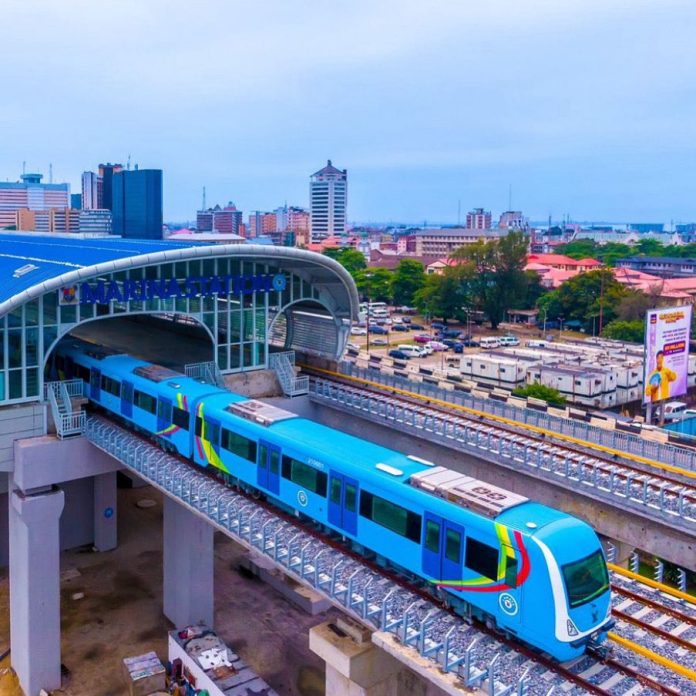
Lagos State Governor, Babajide Sanwo-Olu, has announced a 50 per cent reduction in fares on the Lagos Rail Mass Transit Blue Line to commemorate its second anniversary.
The governor, in a message shared via his official X handle on Wednesday, disclosed that the Blue Line had safely transported more than five million passengers since it commenced operations in 2023. He noted with pride that the service has recorded no accidents in its two years of operation.
“In these two years, the Blue Line has carried more than five million passengers safely, without a single accident,” Sanwo-Olu said.
According to him, the rail service now runs trains every 10 minutes, completing over 90 trips daily, significantly reducing journey times for commuters across the state.
“These achievements show that when we work with dedication and purpose, we can build systems that truly serve the people. This project belongs to all of us, and it is your belief in a greater Lagos that makes progress possible,” he added.
The governor further revealed that fares on the Blue Line would be cut by half on Thursday, September 4, 2025, as part of the anniversary celebration.
“If you have not yet experienced the Blue Line, I encourage you to take a ride and see what we have built together,” Sanwo-Olu urged.
Commissioned in 2023, the Blue Line is a flagship component of Lagos State’s integrated mass transit system, designed to ease traffic congestion and improve mobility in Africa’s most populous city.\