








Home Blog Page 85

Thursday Chronicles: Why Is Everything Suddenly Expensive?

It is a beautiful Thursday. Or at least it should be — except your ₦10,000 now behaves like ₦1,500, Noodles is suddenly a luxury item, and one cup of rice is beginning to act like it graduated from Harvard. You step out to buy groceries, and your spirit returns home before your body because you cannot understand why tomatoes are looking at you like you’re not their mate.

Once upon a time, you could walk into a market with ₦5,000 and come out with ingredients for jollof rice, stew, and probably even snacks for later. Now, that same amount only buys onions, regret, and a motivational speech from the seller.

Everyday things have become sacred. Bread is now a delicacy. Garri is suddenly shy. Eggs are behaving like they need bodyguards. Even sachet water has started acting brand new. In fact, you start to question your lifestyle. “Should I be eating this much?” “Is it really necessary to drink water three times a day?” “Who told me to be brushing my teeth morning and night when toothpaste is now this expensive?”

The worst part is how prices change like mood swings. You walk into a shop today, see a bottle of groundnut oil at ₦2,800. You frown, leave, come back two days later to buy it out of hunger, and it’s now ₦3,400. The shopkeeper just shrugs and says, “Dollar went up.” At this point, we’re all basically forex traders, monitoring exchange rates just to plan dinner.

Transportation doesn’t help either. Whether you enter keke, okada, or bus, you’re paying more for less comfort. You hold onto ₦500 tightly, thinking it will take you to two different places. Joke’s on you — it ends halfway, and you have to start begging the driver like you’re negotiating dowry. Petrol price goes up, and suddenly even your legs are threatening to resign from walking. You begin to consider remote work, not for peace or productivity, but because transport fare is giving real heartbreak.

Let’s talk about data. Yes, internet data, our new best friend and biggest betrayer. You load ₦2,000, blink twice, open Instagram and scroll through three reels — boom. Message from MTN: “You have used 95% of your data.” How? When? You didn’t even watch anything in HD. Meanwhile, your network is moving slower than NEPA during rainy season, but they still chop your data with pride.

But while the price of everything is going up, salaries are sitting still like a lazy landlord. In fact, some are reducing. You spend more, earn less, and still manage to show up smiling. You attend weddings, buy aso-ebi, spray money like you’re Dangote’s niece — but deep down, you’re calculating what you’ll eat next week. Being a Nigerian adult right now is like being a magician. You keep pulling out miracles from empty pockets.

Despite it all, Nigerians continue to adapt in ways that are both inspiring and funny. Someone will price meat from ₦5,000 to ₦1,800 with confidence. Another person will turn two tomatoes into a pot of stew. People now do mental math like accountants in front of suya spots: “If I remove ₦500 here, balance this there… I can still buy zobo.” Everyone has become a financial analyst out of survival.

We now take budgeting seriously. “No impulse spending” is no longer a TikTok trend, it is survival strategy. You write a shopping list that looks like it’s for a family of ten, but come back with two plastic bags and silent tears. You cut costs, cut cravings, even cut friends who always invite you out when you’re trying to save. You start drinking more water, not because of fitness, but because you’re hungry and water is still cheaper than food — for now.

And in the midst of all this, you still see people pushing through. Small businesses are springing up. People are learning new skills online. Someone is turning puff-puff into a catering empire. Others are taking courses in tech, content creation, and digital marketing. Nigerians are finding a way. We always do.

But let’s be honest — it is exhausting. The daily stress of calculating every naira, planning meals like a military operation, and adjusting your dreams to match your wallet is not normal. You want to plan a vacation, but even visiting your cousin in another state now looks like an international trip. You want to start a skincare routine, but you’re now asking yourself, “Can Dettol also moisturize?”

And yet… here you are. Still moving. Still smiling. Still finding joy in small things — a good meal, a funny meme, a 1-minute power supply that lets you charge your phone. It may not be perfect, but it’s something.

So, the next time you feel overwhelmed by how expensive everything has become, remember that you’re not alone. Everyone is fighting the same fight, side-eyeing onions, walking past shops slowly to calculate prices, and smiling politely at waiters while internally checking their bank balance. We’re all just trying to make it — one expensive tomato at a time.

Thanks again for reading this week’s Thursday Chronicles.
If your wallet is on life support, your pocket is recovering from trauma, or your heart broke at the fuel station, don’t worry, you’re in the club. We meet again next week, same place, same truth, same hilarious therapy. Until then, drink water, breathe deeply, and try not to shout at your bank app.

Euro Strengthens As Dollar Weakens, ECB Maintains Policy Rates

salary of a woman. euro banknotes in hands on a green background. Income of women in European countries

The euro advanced to $1.17 against the U.S. dollar on Thursday, buoyed by a broader dollar retreat following fresh U.S. inflation and unemployment data that reinforced expectations of interest rate cuts from the Federal Reserve later this year.

The greenback came under renewed pressure after the Bureau of Labor Statistics (BLS) reported that the U.S. Consumer Price Index (CPI) rose by 0.4% in August on a monthly basis, pushing annual inflation to 2.9% from 2.7% in July. The increase was largely attributed to rising housing and energy costs.

While stronger inflation data often fuels uncertainty over the Fed’s policy stance, market analysts noted that Chair Jerome Powell may prioritize labor market indicators in determining the timing of monetary easing.

Meanwhile, the European Central Bank (ECB) opted to keep interest rates steady during its policy meeting on Thursday, while presenting revised projections for the eurozone economy.

According to the ECB, euro area GDP is now expected to expand by 1.2% in 2025, an upward revision from the June forecast of 0.9%. Projections for 2026 were trimmed to 1.0%, while the 2027 outlook held steady at 1.3%.

Officials stressed that monetary policy decisions will remain data-driven, balancing steady inflation, low unemployment, resilient growth, and global trade headwinds.

Commenting on the ECB’s stance, ING economists highlighted “a summer marked by several encouraging developments—from a limited U.S.-EU trade deal to solid Q2 GDP figures, improving business sentiment, and a modest inflation pickup—justifying a wait-and-see approach.”

Naira Weakens As Dollar Demand Outpaces FX Supply

The naira depreciated further against the U.S. dollar at the Nigerian Foreign Exchange Market (NFEM) on Thursday, weighed down by persistent foreign currency demand from corporates and other market players.

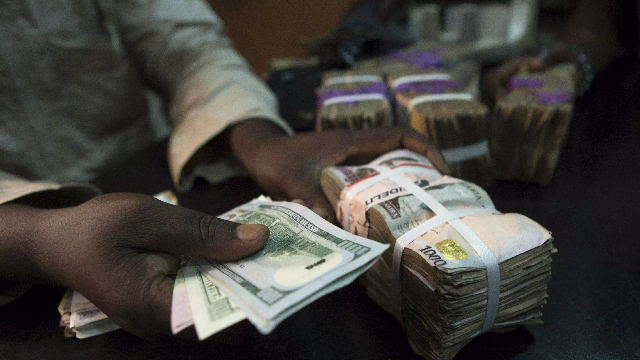
According to data from the Central Bank of Nigeria (CBN), the naira closed at ₦1,502.13 per dollar, slipping from the previous day’s rate of ₦1,500.92. During intraday trading, the local unit reached a high of ₦1,503.50, before settling at ₦1,503 on the spot market.

Traders noted that while inflows from exporters and non-bank corporates improved, overall dollar liquidity remained relatively weak compared to demand. This imbalance has continued to pressure the local currency, even as the CBN maintains steady interventions at the official window.

Nigeria’s gross external reserves, however, edged higher to $41.62 billion on Wednesday. Despite the build-up, the apex bank has yet to conduct open market operations to absorb excess liquidity.

Meanwhile, global oil markets remain volatile, with Brent crude and U.S. WTI trading below $67 per barrel. Prices have been weighed down by concerns over supply adjustments, U.S. inventory growth, and geopolitical uncertainties linked to Russia.

Although rising U.S. inflation has stirred global caution, expectations for a dovish Federal Reserve stance continue to support sentiment across commodities. At the same time, shifting oil supply dynamics—with Russia pivoting exports to Asia, OPEC+ enforcing discipline, and the U.S. boosting production—are reshaping market flows.

Nigerian Stock Market Regains N89 Trillion As Investors Snap Up Bargains

Stock Exchange Closes Trading Week With N30bn Gain

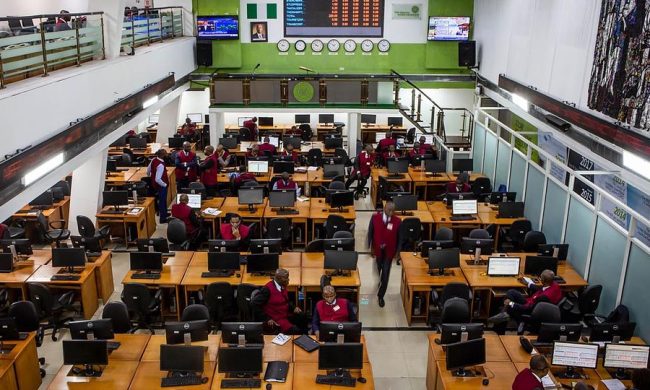
The Nigerian Exchange (NGX) rebounded on Wednesday, regaining a market capitalization of N89 trillion, as investors returned to undervalued equities after weeks of persistent selloffs.

Sustained bargain hunting fueled the rally, with investors re-establishing positions in fundamentally strong stocks with long-term growth potential.

Key indicators reflected the positive trend as the All-Share Index (ASI) rose by 300.48 points to close at 140,665.84, representing a 0.21% gain. Market capitalization also climbed by ₦190.13 billion, settling at ₦89.00 trillion.

Despite the rebound, overall market activity slowed. Total trading volume dropped by 50.74%, while the value of transactions fell by 69.47%. In total, 378.18 million units worth ₦12.41 billion were exchanged across 22,935 deals.

JAPAULGOLD topped the volume chart, accounting for 11.16% of total trades, followed by ZENITHBANK (7.41%), UBA (7.24%), ACCESSCORP (6.72%), and NB (4.91%). ZENITHBANK also emerged as the leader in trade value, contributing 15.06% of total market value.

The day’s top gainers included GUINNESS, LIVINGTRUST, and CILEASING, each rising by 10.00%. Other notable advancers were ETRANSACT (+9.68%), REGALINS (+9.42%), CAP (+9.23%), and NCR (+8.96%).

Conversely, twelve stocks declined, with NEM leading the losers’ list after falling -9.94%, followed by MANSARD (-4.76%), ELLAHLAKES (-4.29%), and CONHALLPLC (-4.28%).

Market breadth remained positive with 41 gainers and 12 losers. Sectoral performance was mixed: banking gained +0.78%, consumer goods added +0.21%, and industrial stocks edged higher by +0.04%. Insurance slipped -1.16%, while oil & gas was unchanged.

Federal Government Scraps 5% Telecom Excise Duty on Calls And Data

The Federal Government has officially revoked the 5% excise duty on telecommunications services, a levy that previously applied to voice calls and data subscriptions.

The National Orientation Agency confirmed the policy reversal in a statement released on its official X (formerly Twitter) handle on Thursday. According to the agency, the Executive Vice Chairman of the Nigerian Communications Commission (NCC), Dr. Aminu Maida, announced that President Bola Tinubu directed the removal of the tax during deliberations on the recently enacted Finance Act.

Maida emphasized that the President’s decision was designed to ease financial pressures on millions of mobile subscribers across the country while advancing Nigeria’s digital economy.

“This intervention is expected to bring relief to over 171 million active telecom users nationwide, many of whom have already faced steep tariff hikes of up to 50% earlier in the year,” the NCC chief explained.

The excise duty, introduced under former President Muhammadu Buhari in 2022, had sparked widespread criticism from both operators and consumer advocates. Industry stakeholders, led by the Association of Licensed Telecom Operators of Nigeria (ALTON), warned that the levy would stifle growth in the sector and further burden consumers struggling with inflation and high living costs.

At the time, the Ministry of Finance defended the tax as part of broader efforts to diversify government revenues amid declining oil receipts, arguing that such levies aligned with international best practices.

With the latest revocation, operators and consumers alike expect a reduction in cost pressures across the telecom industry, a move analysts say could stimulate higher usage and investment in broadband infrastructure.

Nigeria Records Sharp Decline In Crude Oil Losses – NUPRC

OPEC+ Maintains Monthly Crude Oil Output Increase At 400,000bpd

Nigeria’s oil sector has achieved a historic milestone, with crude oil losses dropping to their lowest level in nearly two decades, according to new data from the Nigerian Upstream Petroleum Regulatory Commission (NUPRC).

Figures released on Thursday show that crude losses in July fell to 9,600 barrels per day (bpd)—the lowest since 2009, when losses stood at 8,500 bpd.

From January to July 2025, total crude losses amounted to 2.04 million barrels, averaging 9,600 bpd. This represents a 50.2% reduction compared to the entire 2024 calendar year, when 4.1 million barrels were lost at a daily average of 11,300 bpd.

The latest numbers mark a dramatic turnaround from 2021, when Nigeria recorded its highest losses in 23 years, with 37.6 million barrels lost at a daily average of 102,900 bpd. By comparison, losses have fallen by 94.57% in just four years.

The Commission attributed the progress to a mix of regulatory reforms, security collaboration, and strategic oversight since the implementation of the Petroleum Industry Act in 2021.

Among the initiatives credited with reducing losses are comprehensive metering audits across upstream facilities and the approval of 37 new crude evacuation routes to counter oil theft.

“The consistent decline highlights the effectiveness of both kinetic and non-kinetic measures in tackling systemic issues,” NUPRC said in a statement.

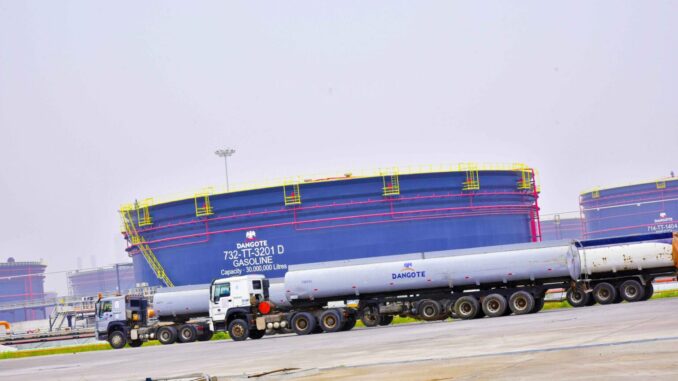
Dangote Refinery To Begin Free Fuel Distribution, Cuts Petrol Price To N841 per Litre

The Dangote Petroleum Refinery has announced plans to commence its highly anticipated free fuel distribution initiative on Monday, alongside a downward adjustment in petrol pump prices.

A statement by the Group’s spokesperson, Anthony Chiejina, confirmed that the programme will be rolled out in phases, beginning with Lagos, Abuja, Kwara, Delta, Rivers, Edo States, and other parts of the South-West.

Under the revised pricing framework, petrol will retail at N841 per litre in Lagos and the South-West, while consumers in Abuja, Edo, Kwara, Rivers, and Delta States will purchase the product at N851 per litre. The company noted that the price cut would take effect simultaneously with the launch of the free distribution scheme.

“The distribution programme officially kicks off on Monday, starting with key states and the Federal Capital Territory,” Chiejina said, adding that logistics have been strengthened with the arrival of over 1,000 trucks to facilitate smooth delivery.

The initiative, initially scheduled for August, was postponed due to supply chain disruptions in China. Dangote explained that more states will be incorporated into the scheme as additional trucks arrive in the country.

In a related development, the refinery confirmed the rollout of a large fleet of compressed natural gas (CNG)-powered trucks to enhance efficiency and cut logistics costs across its domestic fuel distribution chain.

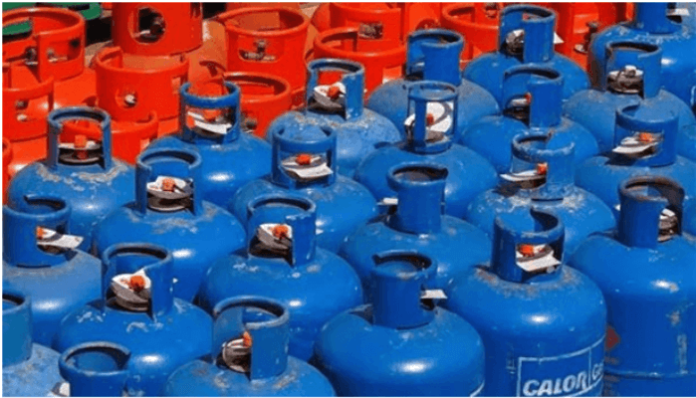
“Even though CNG prices doubled just last week, our plan to deploy 10,000 CNG trucks this year remains on course,” the company stated.

Industry stakeholders view the twin move of fuel distribution and price cuts as a significant step toward easing the burden on consumers and stabilizing Nigeria’s energy supply.

Interbank Rates Show Mixed Movement As Banks Halt Borrowings From CBN Lending Facility

Nigeria’s interbank market recorded mixed rate movements this week as fluctuations in banking system liquidity shaped short-term interest benchmarks. Analysts noted that funding conditions remained broadly positive, with commercial banks maintaining strong participation at the Central Bank of Nigeria (CBN) Standing Deposit Facility (SDF), where excess funds are sterilized despite the relatively low returns.

On the other hand, demand at the Standing Lending Facility (SLF) has significantly slowed. Market observers attributed the decline to the persistent liquidity surplus in the financial system, coupled with the apex bank’s decision to withhold new Open Market Operation (OMO) bills, even after the maturity of earlier issuances injected fresh inflows.

For the tenth consecutive trading session, the SLF window remained inactive, underlining limited borrowing pressure in the market. While the CBN has avoided mopping up liquidity, a marginal shake-up was observed following dollar outflows from the system. The apex bank sold $20.7 million to commercial banks on Tuesday in an attempt to stabilize foreign exchange supply and support the naira, substituting for an expected OMO auction.

Money market rates moved unevenly, with Cowry Asset Limited reporting that the Nigerian Interbank Offered Rate (NIBOR) saw slight changes on Thursday. The overnight rate inched up by 4 basis points to 26.83%, while the Open Repo Rate (OPR) increased by 8 basis points to 26.50%. The overnight lending rate, however, held steady at 26.96%.

In the treasury bills space, yields on Nigerian Interbank Treasury Bills True Yield (NITTY) climbed across all maturities. The 1-month, 3-month, 6-month, and 12-month tenors advanced by 4, 25, 12, and 8 basis points, respectively. Despite these upticks, the average NT-Bills yield slipped by 6 basis points to 18.73%, reflecting sustained investor appetite in the secondary market.

Crude Oil Prices Edge Lower As U.S. Inventories Build And Production Hits New Highs

Crude oil prices eased slightly in Thursday’s session as the global market absorbed fresh data showing a sharp rise in U.S. inventories and production levels, raising concerns over weakening demand in the world’s largest oil consumer.

Brent crude futures slipped 0.1% to $67.41 per barrel at press time, while U.S. West Texas Intermediate (WTI) futures declined 0.3% to $63.50 per barrel. The pullback comes after both benchmarks rallied more than $1 in the previous session, when geopolitical flare-ups in the Middle East and Eastern Europe briefly spurred risk premiums.

On Wednesday, oil traders had responded to Israel’s strike targeting Hamas leadership in Qatar and Poland’s activation of NATO-backed air defenses to counter suspected Russian drones over its airspace during Ukraine strikes. However, despite the elevated geopolitical backdrop, traders appeared to conclude that neither incident posed an imminent threat to global energy flows.

The recent rebound in crude prices, which followed a three-month low recorded on 5 September, has now given way to renewed scrutiny of market fundamentals. Weakening consumption indicators across major economies have heightened supply-demand imbalances. China’s crude imports continue to expand, albeit at a slower pace, while India’s agreements with Russia provide alternative supply channels. Meanwhile, U.S. import volumes remain volatile.

According to the U.S. Energy Information Administration (EIA), commercial crude inventories rose by 3.9 million barrels for the week ending 5 September, far exceeding analysts’ expectations of a 1 million barrel drawdown. Gasoline stocks climbed by 1.5 million barrels, also defying projections of a decline.

Strategic petroleum reserves—excluded from commercial inventory levels—were up 500,000 barrels to 405.2 million. U.S. oil output climbed by 72,000 barrels per day (bpd), reaching approximately 13.49 million bpd for the week ending 16 May, further cementing the country’s position as the world’s leading crude producer.

At the same time, U.S. crude imports dropped by 471,000 bpd to 6.27 million bpd, while exports fell by 1.1 million bpd to 2.745 million bpd. In its Short-Term Energy Outlook released on 10 September, the EIA projected that U.S. production would average 13.4 million bpd in 2025.

The build-up in inventories comes amid signals of cooling U.S. economic activity. A weaker labor market and declining producer prices are fueling expectations of slowing demand, further clouding the outlook for oil consumption in the near term.

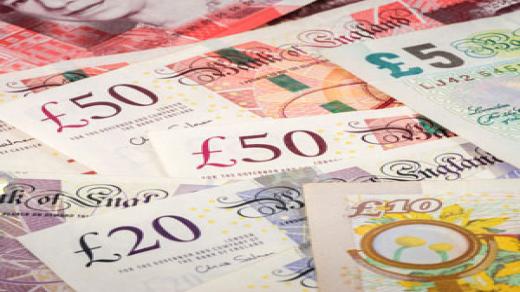
British Pound Holds Steady At $1.3520 As Markets Await UK GDP And U.S. Inflation Data

The British pound maintained a steady position at $1.3520 in Thursday’s early European trading hours, with investors showing restraint ahead of the upcoming UK gross domestic product (GDP) release scheduled for Friday. The GBP/USD pair reflected limited movement across major trading platforms as the forex market braced for continued volatility amid persistent economic uncertainty.

Sterling dipped slightly by 0.1% to $1.3508 against the U.S. dollar after the release of America’s producer price index (PPI) figures. At the same time, the pound gained 0.1% to trade at €1.1552 versus the euro, highlighting its resilience against the bloc’s currency.

Despite Thursday’s cautious mood, the pound has seen a solid year-to-date performance, rising about 8% since the first week of January. Moreover, the exchange rate remains positioned above the 50-day, 100-day, and 200-day moving averages, underscoring technical strength.

Attention in global markets is now fixed on the release of U.S. consumer price index (CPI) data and the policy direction of the European Central Bank (ECB), both expected later today. Analysts anticipate that headline inflation in the U.S. could rise 2.9% year-on-year in August, with markets pricing in over a 90% probability that the Federal Reserve will implement a 25 basis-point rate cut, according to the CME FedWatch Tool.

Although FX volatility has risen modestly since the start of September, it still lags behind the heightened swings observed earlier in the summer. Geopolitical tensions—including Israel’s strike in Qatar and reports of Russian drones intercepted over Poland—have yet to spark a major currency market reaction.

“U.S. data remain the most likely catalyst for any significant FX market volatility at this point. We expect the August CPI release to print at 0.3% month-on-month, which aligns with consensus,” noted Francesco Pesole, FX analyst at ING.

On Wednesday, the U.S. PPI report revealed weaker-than-expected results, with both headline and core indexes slipping -0.1% month-on-month. July’s data was also revised lower, showing a 0.7% increase compared with the initially reported 0.9%. The sharpest decline came from trade services, which fell -1.7% month-on-month—a measure often used as a proxy for corporate profit margins.

The data suggests that, for now, American firms are absorbing higher input costs tied to tariffs rather than passing them on to consumers. “The risks are tilted to the downside for the dollar today. A relatively soft CPI report could open the door for investors to return to shorting USD positions,” Pesole added.

Nigeria LNG Harnesses Artificial Intelligence To Strengthen Gas Supply And Exports

Nigeria Liquefied Natural Gas Limited (NLNG) has announced the integration of Artificial Intelligence (AI) into its operations, a move the company says will transform efficiency, safety, and productivity across its extensive gas infrastructure.

Mr. Olakunle Osobu, Deputy Managing Director of NLNG, disclosed this innovation while addressing over 50,000 participants from 150 countries at the Gastech Exhibition and Conference in Milan, Italy. The session was themed “Operational Excellence Through the Application of Artificial Intelligence Technologies.”

Osobu explained that adopting AI is not only strategic but also essential, given the scale of NLNG’s operations and its mission to boost both domestic gas supply and exports.

“With more than 10,000 operators and technicians working simultaneously, leveraging AI has become compulsory to maintain precision, safety, and efficiency,” Osobu said.

He emphasized that NLNG’s zero-incident policy and culture of continuous improvement require intelligent systems capable of guiding operations and simplifying complex decisions.

“We have embedded AI into every aspect of our work—from safety management to machine performance. The result is a leaner, more efficient, and highly productive operation,” he noted.

A major breakthrough has also been recorded in workforce training. Osobu revealed that operator training, which previously took six to twelve months, now takes just two to three months using AI-powered systems. This efficiency has cut costs and enhanced productivity.

AI has also revolutionized equipment management, enabling machinery to run faster and smarter while generating actionable insights that optimize decision-making.

“AI has allowed us to embrace smart work over hard work. It is the future of our industry, and we are fully invested in it,” Osobu stressed.

Mr. Jude Ohanyere, Senior Mechanical Engineer for Static Equipment at NLNG, also highlighted ongoing life-extension assessments for critical assets such as the Main Cryogenic Heat Exchanger (MCHE).

He explained that NLNG has partnered with Honeywell, the original equipment manufacturer, to ensure the MCHE can continue operating efficiently for the next 10 to 25 years.

“Reliability of our core assets translates into fewer outages, stronger supply commitments, and reduced gas flaring,” Ohanyere said.

The company emphasized that its integration of AI not only benefits its operations but also strengthens Nigeria’s energy mix and positions the nation as a frontrunner in digital energy solutions across Africa.

The Gastech forum continues to serve as a major platform for global energy leaders to explore innovations across gas, LNG, hydrogen, AI, and climate solutions.

Nigeria Sets Ambitious Target Of 25% Industrial Growth By 2035

Nigeria has unveiled an ambitious target to expand the industrial sector’s share of the nation’s Gross Domestic Product (GDP) to 25 percent by 2035, according to the Federal Government’s newly validated strategic industrial framework.

Senator John Owan, Minister of State for Industry, made the announcement at the Gastech Exhibition and Conference in Milan, Italy, during a panel discussion themed “Powering Growth and Prosperity in High Potential Economies Through Widened Access to Affordable, Reliable and Flexible Energy.”

Owan described the framework as a landmark achievement under President Bola Tinubu’s administration, stressing that it signaled a shift from decades of underutilized potential to a new era of structured industrial policy.

“For the first time in decades, Nigeria now has a comprehensive strategic industrial framework. We are determined to transform our economy,” Owan declared.

He noted that the industrial sector currently contributes about 10 percent to GDP but is expected to rise to 25 percent within the next decade under the new plan. This transformation, he explained, is designed to reposition Nigeria from being resource-dependent to becoming a globally competitive and innovative economy.

The minister highlighted President Tinubu’s consistent advocacy for Compressed Natural Gas (CNG) as a key driver of industrialization and economic growth. He further underscored Nigeria’s demographic advantage, pointing to its large youth population as a catalyst for Africa’s industrial future.

“Nigeria is ready. Africa is the next frontier, and we are reforming our economy to meet global standards,” Owan said.

He praised Tinubu’s reformist policies, citing decisive actions such as the removal of the fuel subsidy and the unification of exchange rates as vital measures that stabilized the economy and improved access to foreign exchange for businesses.

Reaffirming Tinubu’s global investment drive, Owan stressed that the country is now better positioned than ever to attract international investors.

“Now is the best time in our history. Nigeria is open and ready for business. The international community should take advantage of Africa’s readiness for transformation,” he said.

Owan also reiterated that Nigeria was more of a “gas nation” than an “oil nation,” emphasizing that energy policies are now strategically anchored on gas resources to drive sustainable development.

Meanwhile, Mr. Olalekan Ogunleye, Executive Vice President of Gas, Power and New Energy at NNPC Limited, reinforced the centrality of natural gas in Nigeria’s economic blueprint. He said Nigeria’s 210.5 trillion cubic feet of proven gas reserves must be fully optimized to boost domestic supply and enhance exports.

He revealed that NNPC is revising the gas master plan to strengthen Nigeria’s role as a reliable global supplier. Projects such as the Train 7 LNG expansion are projected to increase output by 30 percent, with discussions ongoing for Train 8 and Train 9 expansions.

Ogunleye also highlighted the African Atlantic Gas Pipeline project, which is being developed in collaboration with Morocco to connect 16 African countries and position Nigeria as a leading continental supplier.

“Global firms are already renewing their interest in Nigeria’s deep-water gas assets, and the opportunities for investment have never been greater,” he said.

The Gastech conference remains one of the world’s largest energy gatherings, attracting policymakers, industry leaders, and investors to deliberate on sustainable solutions for global energy markets.

Tinubu Directs FEC Committee To Lower Food Prices Nationwide

President Bola Tinubu has instructed a Federal Executive Council (FEC) committee to take urgent measures aimed at reducing the cost of food across the country.

The directive was revealed by Senator Sabi Abdullahi, Minister of State for Agriculture and Food Security, during a one-day capacity-building workshop for journalists covering the Senate in Abuja.

Abdullahi explained that the president’s order seeks to guarantee the safe movement of agricultural products through major routes nationwide, thereby reducing transportation costs—a major contributor to food price hikes.

“The president has given a clear directive, and a dedicated FEC committee is already working to ensure the safe passage of agricultural commodities across our trade routes,” Abdullahi stated.

He stressed that high logistics expenses have been a key factor inflating food prices, and the government is now determined to remove these barriers as part of its broader vision for food sovereignty.

According to Abdullahi, food sovereignty encompasses more than availability; it also requires accessibility, affordability, and proper nutrition on a sustainable basis.

Other programmes, including the Farmer Soil Health Scheme and a reform initiative for cooperative societies, are also being prepared for implementation.

He revealed that the soil health scheme is ready for launch, while reforms in the cooperative sector are expected to create a stronger framework for resource mobilization and improved livelihoods for Nigerians.

“Cooperatives remain a democratic yet productive system for economic empowerment, and the president has shown strong interest in reforming this sector to drive growth,” he said.

The workshop, themed “Parliamentary Reporting: Issues, Challenges and Responsibilities,” also featured Senator Yemi Adaramodu, Chairman of the Senate Committee on Media and Public Affairs, alongside other resource persons including Senator Ita Enang and Prof. Abubakar Sulaiman, Director-General of the National Institute for Legislative and Democratic Studies (NILDS).

Evergreen Business News Topics That Drive Consistent Traffic

Nigerian Newspapers: Latest Business News Headlines For November 10, 2021

If you’ve ever run a business news website, you’ll know the traffic rollercoaster all too well. Breaking news stories can send clicks soaring one day, only for them to vanish the next. It’s exciting, sure—but not exactly reliable if you’re thinking long term. That’s where evergreen content steps in. These are the articles that don’t lose their shine: timeless topics that readers search for again and again, regardless of market trends or political seasons.

So, what kinds of stories fit this bill, and how do you shape them into steady traffic drivers? Let’s break it down.

Why Evergreen Content Works So Well

Evergreen topics aren’t about being flashy. They’re about solving problems, answering universal questions, and giving people information they’ll need tomorrow, next year, and maybe even a decade from now. Think about it: people will always want to know how to manage their money, how to start a business, or what inflation really means for their salary.

And here’s the real magic: search engines love this type of content. Because it stays relevant, it keeps pulling in organic traffic long after publication. Update it every year or two with fresh numbers or examples, and you’ve basically got a content asset that pays dividends—almost like compound interest, but for clicks.

Core Evergreen Topics for Business News Sites

Here are some of the “always in demand” categories that can keep your site buzzing with steady readership:

1. Personal Finance Basics

From budgeting and saving strategies to debt management tips and retirement planning, finance guides never go out of style. A simple “How to Create a Monthly Budget That Actually Works” can become one of your most bookmarked articles.

2. Investing Fundamentals

Whether the stock market is booming or shaky, people are constantly searching “how to start investing.” Beginner guides on ETFs, mutual funds, and diversification always find an audience—especially during uncertain economic times.

3. Entrepreneurship & Startups

“How to write a business plan” or “funding options for small businesses” are timeless topics. Aspiring entrepreneurs search for these every year, making them perfect for a steady stream of traffic.

4. Leadership & Management Skills

Effective leadership, handling workplace conflict, or motivating teams—these never lose relevance. An explainer on “Servant Leadership vs. Authoritarian Leadership” could be just as useful today as it was ten years ago.

5. Economic Concepts Simplified

Explaining inflation, recessions, GDP, and interest rates in simple terms can establish your site as a trusted educational resource. Think of it as making economics “speak human.”

6. Career Development

Guides on resume writing, interview prep, salary negotiation, or climbing the corporate ladder remain highly searched. Young professionals and career switchers keep these queries alive.

7. Marketing & Sales Strategies

SEO fundamentals, email marketing basics, and customer acquisition tactics are evergreen because businesses—small or big—always need new customers.

8. Business Technology Tools

How-to guides on CRMs, project management platforms like Trello, or collaboration tools like Slack stay relevant as long as businesses run on software (which is basically forever).

Articles breaking down contract basics, intellectual property, or compliance regulations such as GDPR principles are constantly in demand by small business owners.

Cover big-picture, long-term shifts—like the steady growth of e-commerce—rather than short-lived product launches. These overviews age better and continue to draw traffic.

The Content Formats That Work Best

It’s not just what you write about—it’s how you present it. Evergreen content becomes powerful when packaged in reader-friendly, SEO-friendly formats:

  • How-To Guides: Step-by-step tutorials that people can follow and return to later.
  • Listicles: Quick, scannable formats that Google often highlights in search snippets.
  • FAQs and Explainers: Perfect for answering voice search queries.
  • Resource Roundups: Curated lists of tools, books, or podcasts that attract backlinks.
  • Case Studies (Timeless Ones): Lessons from famous business successes or failures that remain relevant regardless of the year.
  • Infographics & Visuals: Engaging, highly shareable, and perfect for social channels.
  • Ultimate Guides: Comprehensive 2,000+ word resources that establish authority and keep ranking for years.
  • Videos or Podcasts: Multimedia formats that extend your reach beyond just text.

Balancing Evergreen with Breaking News

Of course, you don’t want your site to feel static. Breaking news and timely commentary still matter—they generate spikes in traffic and establish credibility in real-time reporting. But here’s the trick: aim for a mix. Roughly 70% evergreen, 30% news. This way, you build a reliable foundation of long-term traffic while still riding the occasional news wave.

Final Thoughts

Building a successful business news website isn’t just about chasing the next viral headline. It’s about creating a library of resources that people will keep returning to, month after month, year after year. Evergreen content—personal finance guides, startup advice, career tips, and clear economic explainers—lays that foundation.

And when you combine it with engaging formats like how-to guides, listicles, or multimedia, you’re not just getting clicks—you’re building authority. It’s like planting trees: the earlier you start, the sooner you’ll enjoy the shade.

National Grid Collapse: NLC Condemns FG As Blackout Persists And Restoration Efforts Continue

TCN To Reconnect 2 Discos On May 1

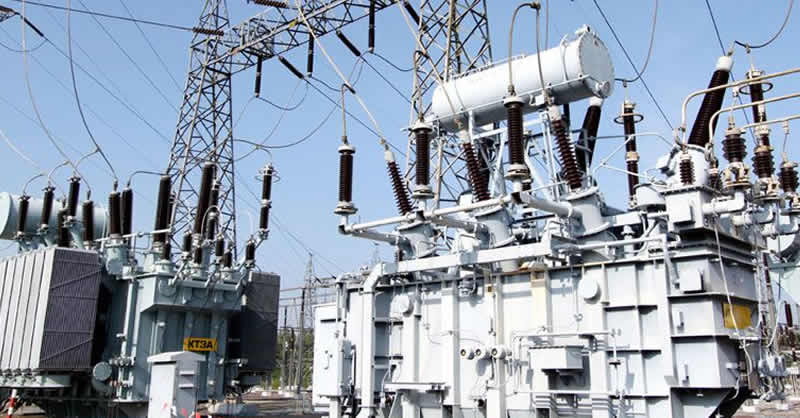
Nigeria was plunged into yet another nationwide blackout on Wednesday after the national electricity grid collapsed, drawing sharp criticism from the Nigeria Labour Congress (NLC) and raising renewed concerns about the viability of the country’s power sector.

The Federal Government attributed the system failure to one of the electricity generation companies (GenCos), while the NLC blasted the administration for what it described as the chronic mismanagement of the privatised power industry.

Nationwide Outage and Grid Performance

Electricity supply across the country went off at about 11:20 a.m., according to industry data. Before the collapse, power generation had reached a peak of 3,972 megawatts by 10 a.m., dropping sharply to 2,917 MW at 11 a.m., and further plummeting to just 20.80 MW by midday. All 21 power plants feeding into the grid recorded zero output by noon, underscoring the scale of the system breakdown.

By 6 p.m., partial restoration had begun, with about 1,505 MW already returned to the grid. The Abuja Electricity Distribution Company (AEDC) confirmed the disruption, telling customers that the outage stemmed from a nationwide system collapse.

“Please be informed that the power outage currently being experienced is due to a loss of supply from the national grid at 11:23 a.m., affecting supply across our franchise areas,” AEDC said in a statement, assuring customers that efforts were underway to restore normal service.

System Operator’s Explanation

The Nigerian Independent System Operator (NISO) issued an update explaining that the collapse followed the tripping of a GenCo, which triggered a significant load imbalance and cascaded into a total shutdown.

“The system disturbance occurred at 11:20 hrs on 10/09/2025 due to the tripping of a GenCo, which caused a severe load drop cascading to other GenCos,” NISO said.

The operator confirmed that restoration efforts began at 11:45 a.m., starting with Abuja through supply from the Shiroro power plant, and promised a full-scale investigation to determine both the immediate and underlying causes of the failure.

Labour Union Rejects FG’s N4tn Bailout Plan

In a strongly worded statement, the NLC rejected the Federal Government’s proposed N4 trillion ($2.7 billion) financial intervention in electricity companies, calling it a reckless misuse of public funds.

“The NLC has been made aware of a promised N4tn government payment for these same failed operators. We reject this outright! To sink another kobo of public money into the pockets of these private entities is an act of economic betrayal against the Nigerian people,” NLC President Joe Ajaero declared.

The union accused the government of rewarding failure instead of addressing structural inefficiencies that have crippled the sector.

Decade of Collapses and Lingering Questions

Nigeria’s national grid has suffered approximately 105 collapses in the last decade, with 93 of those occurring under the administration of former President Muhammadu Buhari (2015–2023). Since President Bola Tinubu assumed office in mid-2023, the country has continued to experience recurrent collapses, including one in February 2025.

The NLC described the repeated breakdowns as evidence of a failed privatisation experiment. “This latest collapse is a stark indictment of this administration and the entire neoliberal, pro-market charade that has defined the power sector since its so-called privatisation,” the union stated.

Allegations of Political Patronage in Regulation

The labour body also faulted what it called incompetence and political patronage in the appointment of regulators, citing the controversial selection of a former local government chairman with no energy expertise to head the Nigerian Electricity Regulatory Commission (NERC).

“This is not an appointment for competence; it is a political settlement, a reward for loyalty in a system that thrives on patronage at the expense of merit,” Ajaero said.

Call for Public-Led Investment and Sector Audit

The NLC urged the government to redirect the proposed N4tn bailout into a state-led initiative focused on expanding generation and transmission capacity. The union also demanded a comprehensive public audit of the sector since privatisation, insisting that Nigerians will no longer tolerate systemic darkness.

“Since the government has N4tn to invest in the sector, we suggest that the funds must be redirected towards a public-led initiative to build new generation capacity and revitalise the transmission infrastructure instead of handing it over to the GenCos and DisCos,” the NLC stated.

The labour body concluded with a warning: “This is not a plea; it is a declaration of intent. The light must come on, by any means necessary.”

Retiring Smart In Nigeria: 5 Reasons Dividend Stocks Could Be Your Golden Ticket

Retirement. It’s the dream, isn’t it? Kicking back with a cold drink, maybe traveling to see the grandkids in Abuja or finally taking that trip to Calabar. But let’s get real—retirement in Nigeria isn’t all palm trees and sunsets. With inflation chewing through your savings faster than a Lagos traffic jam eats your patience, you need a plan that’s smarter than just stashing cash under the mattress. Enter dividend stocks. These beauties can give your retirement a serious boost, and I’m here to tell you why.

The Pension Pinch: Why Savings Alone Won’t Cut It

Picture this: you’ve worked 30 years, diligently contributing to your Retirement Savings Account (RSA). You retire at 60 with, say, N15 million. Sounds like a decent nest egg, right? But under the Programmed Withdrawal system, that might give you N100,000–N120,000 a month. If you go for a Life Annuity, it’s closer to N90,000–N110,000. Break that down, and you’re looking at N3,000–N4,000 a day.

Now, let’s talk reality. A single trip to the market for groceries can set you back N10,000. Add in healthcare, electricity, and maybe helping a relative with school fees—poof, your pension is stretched thinner than garri in a big family. And here’s the kicker: many Nigerians retire with even less, some as low as N7 million, which translates to a measly N50,000 monthly. Yikes.

Here’s the thing—pensions are great for the basics, but if you want to live in retirement, not just survive, you need something more. That’s where dividend stocks come in, offering a way to keep your money working harder than you ever did.

What’s So Special About Dividend Stocks?

You know what’s great about dividend stocks? They’re like owning a mango tree that drops ripe fruit every season and grows bigger over time. You get regular cash payouts (dividends) to spend or reinvest, plus the potential for your investment to grow in value. On the Nigerian Exchange (NGX), companies like Zenith Bank, GTCO, and Dangote Cement have been dishing out dividends like clockwork for years.

In 2024, over 17 dividend-paying stocks saw share price gains of 40% or more. By mid-2025, nearly 100 stocks on the NGX were outpacing inflation, with more than 20 boasting consistent dividend histories. That’s not just numbers on a screen—that’s real money in your pocket, helping you keep up with rising costs.

How to Pick the Winners

Not all dividend stocks are created equal, though. Some companies flash big dividends today but fizzle out tomorrow. So, how do you separate the wheat from the chaff? It’s all about digging a little deeper. Here’s what to look for:

  • Free Cash Flow: Does the company have enough cash to keep paying dividends without borrowing?
  • Payout Ratio: Are they paying out a reasonable chunk of their profits, or stretching themselves thin?
  • Earnings Stability: Do their profits grow steadily, or do they yo-yo with every market hiccup?
  • Future Prospects: Is the company in an industry that’s got legs for the long haul?

Focus on these, and you’re more likely to pick stocks that’ll keep your retirement fund humming.

Top Picks to Watch

Let’s shine a light on a few companies that are doing it right. These aren’t just random names—they’re solid players with a track record of rewarding investors:

  • Dangote Cement: This giant churned out nearly N2 trillion in free cash flow over five years, backing its juicy N30 per share dividends in 2023 and 2024. It’s a cornerstone for any portfolio.
  • Zenith Bank and UBA: Zenith’s profits hit N2.4 trillion with 35% annual growth, while UBA’s clocked in at 48%. Both are banking on Nigeria’s growing economy.
  • GTCO and Access Holdings: These financial heavyweights combine trillion-naira profits with generous dividends, making them reliable picks.
  • Seplat Energy: Paying quarterly dividends and earning in dollars? That’s a hedge against naira woes right there.
  • Okomu Oil and Presco: These agricultural stars are cash machines, thriving on Nigeria’s demand for palm oil.
  • Beta Glass: Not the flashiest name, but with N34 billion in profits and strong cash flow, it’s a quiet winner.

These companies aren’t just surviving—they’re thriving, and they’re sharing the wealth with investors.

Building Your Retirement Game Plan

So, how do you make this work for your retirement? Start early—your 40s or 50s are ideal. By investing in dividend stocks now, you can reinvest those payouts to grow your holdings, thanks to the magic of compounding. Later, when you’re ready to retire, switch to cashing out the dividends to pad your pension.

Let me explain why this matters. Say you invest N5 million in a mix of these stocks with an average 5% dividend yield. That’s N250,000 a year in dividends alone, plus potential share price growth. Compare that to a fixed deposit yielding 10% (N500,000), which barely keeps up with inflation and doesn’t grow over time. Stocks, when chosen wisely, give you both income and growth.

Of course, there’s no such thing as a free lunch. Share prices can dip, and companies might trim dividends during tough times. But compared to relying on pensions alone or low-yield bonds, dividend stocks are like a trusty okada—they’ll get you where you need to go, even if the ride’s a bit bumpy.

A Little Something Extra

Here’s a quick aside: don’t sleep on diversification. Spread your investments across sectors—banking, energy, agriculture—to cushion against market shocks. And if you’re new to this, platforms like Bamboo or Trove make it easy to buy NGX stocks with just a few clicks. You don’t need to be a financial guru to get started, but a chat with a trusted financial advisor can help you avoid rookie mistakes.

Your Retirement, Your Rules

Retirement in Nigeria doesn’t have to mean pinching pennies or saying no to that family vacation. Dividend stocks, when picked with care, are more than just investments—they’re your ticket to peace of mind. They’re the difference between scraping by and savoring life’s little joys, like treating your grandkids to ice cream or finally building that dream house in the village.

So, here’s the big question: are you just saving for retirement, or are you investing to live it? The choice is yours, but I know which one I’d pick.

Week 11 Pool Result For Sat 13, Sep 2025, UK 2025/2026

Week 11 Pool Fixtures for Sat 17 Sept 2022 – UK 2022/2023

Week 11 pool results 2025: Football pools results, live football pool result today, pool result today saturday matches, pool results for this week, british and aussie pool result, football pools results and fixtures, pools panel results today, pool panel results and live score pool result today. We publish half-time results first of its kind.

Week 11 Pool Results: Football pools results for this week 11 2025 are published on this website immediately after full-time confirmation of live score results. We also publish the outcome of postponed matches by the football pools panel at half-time as decided by the football pools. This week’s Week 11 Pool Results are made available in partnership with Bizwatch Nigeria.

WEEK: 11; SEASON: UK 2025/2026; DATE: 13-September-2025
Football Pools ResultsHTFTStatus
1ArsenalNott’m For.-:--:-EKO
2BournemouthBrighton-:--:-Saturday
3BrentfordChelsea-:--:-LKO
4BurnleyLiverpool-:--:-Sunday
5Crystal P.Sunderland-:--:-Saturday
6EvertonAston Villa-:--:-Saturday
7FulhamLeeds-:--:-Saturday
8Man CityMan United-:--:-Sunday
9NewcastleWolves-:--:-Saturday
10West HamTottenham-:--:-LKO
11CharltonMillwall-:--:-EKO
12CoventryNorwich-:--:-Saturday
13Oxford Utd.Leicester-:--:-EKO
14PrestonMiddlesbro-:--:-EKO
15Sheff Wed.Bristol C.-:--:-Saturday
16SouthamptonPortsmouth-:--:-Sunday
17StokeBirmingham-:--:-Saturday
18SwanseaHull-:--:-Saturday
19WatfordBlackburn-:--:-Saturday
20West BromDerby-:--:-Saturday
21WrexhamQ.P.R.-:--:-Saturday
22A.WimbledonRotherham-:--:-Saturday
23BarnsleyReading-:--:-Saturday
24Bradford C.Huddersfield-:--:-EKO
25Burton A.Lincoln-:--:-Saturday
26ExeterPort Vale-:--:-Saturday
27Leyton O.Bolton-:--:-Saturday
28LutonPlymouth-:--:-Saturday
29MansfieldStevenage-:--:-Saturday
30NorthamptonBlackpool-:--:-EKO
31PeterboroWycombe-:--:-Saturday
32StockportCardiff-:--:-Saturday
33Wigan A.Doncaster-:--:-Saturday
34AccringtonColchester-:--:-EKO
35Bristol R.Barrow-:--:-Saturday
36ChesterfieldMilton K.D.-:--:-Saturday
37CrawleyCheltenham-:--:-EKO
38CreweBarnet-:--:-Saturday
39FleetwoodWalsall-:--:-Saturday
40GillinghamNotts Co.-:--:-Saturday
41GrimsbyCambridge U.-:--:-Saturday
42OldhamBromley-:--:-Saturday
43ShrewsburySalford C.-:--:-Saturday
44AberdeenLivingston-:--:-Saturday
45DundeeMotherwell-:--:-Saturday
46FalkirkSt Mirren-:--:-Saturday
47HibernianDundee Utd.-:--:-LKO
48KilmarnockCeltic-:--:-Sunday
49RangersHearts-:--:-Saturday

Dollar To Naira Exchange Rate For 11th September 2025

Dollar To Naira Exchange Rate Today (Wed. July. 19, 2023)

The exchange rate between the Naira and the US dollar, according to the data released on the FMDQ Security Exchange, the official forex trading portal, showed that the naira closed at 1510.00 per $1 on Thursday, September 11th , 2025. The naira traded as high as 1498.00 to the dollar at the investors and exporters (I&E) window on Tuesday.

How much is a dollar to naira today in the black market?

Dollar to naira exchange rate today black market (Aboki dollar rate):

The exchange rate for a dollar to naira at Lagos Parallel Market (Black Market) players buy a dollar for ₦1530 and sell at ₦1510 on Wednesday 10th September, 2025, according to sources at Bureau De Change (BDC).

Please note that the Central Bank of Nigeria (CBN) does not recognize the parallel market (black market), as it has directed individuals who want to engage in Forex to approach their respective banks.

Dollar to Naira Black Market Rate Today

Dollar to Naira (USD to NGN)Black Market Exchange Rate Today
Buying Rate₦1530
Selling Rate₦1510

Dollar to Naira CBN Rate Today

Dollar to Naira (USD to NGN)CBN Rate Today
Highest Rate₦1507
Lowest Rate₦1498

Please note that the rates you buy or sell forex may be different from what is captured in this article because prices vary.

Resident Doctors Hand Federal Government Fresh 24-Hour Deadline Over Unmet Demands

The Nigerian Association of Resident Doctors (NARD) has once again issued a stern 24-hour ultimatum to the Federal Government, demanding immediate resolution of its outstanding grievances. This comes after the expiration of the association’s earlier 10-day notice, which lapsed on September 10, 2025.

The decision was reached following an extensive six-hour National Executive Council (NEC) meeting held virtually on Wednesday.

NARD’s President, Dr. Tope Osundara, confirmed that while the government had made verbal assurances to address the issues raised, the association would only be satisfied with concrete action.

Key Demands of the Resident Doctors

In a communiqué released on September 1, 2025, and jointly signed by Dr. Osundara; NARD’s General Secretary, Dr. Oluwasola Odunbaku; and Publicity and Social Secretary, Dr. Omoha Amobi, the resident doctors outlined their demands, which include:

  • Immediate payment of the 2025 Medical Residency Training Fund (MRTF) to beneficiaries.
  • Settlement of five months’ arrears arising from the 25–35 per cent Consolidated Medical Salary Structure (CONMESS) review.
  • Payment of backlogged salaries and allowances.
  • Disbursement of the 2024 accoutrement allowance arrears and prompt release of specialist allowances.
  • Restoration of the Medical and Dental Council of Nigeria’s recognition of West African postgraduate membership certificates.
  • Issuance of membership certificates to qualified candidates by the National Postgraduate Medical College of Nigeria.
  • Full implementation of the 2024 CONMESS.
  • Resolution of welfare issues affecting doctors in Kaduna State.
  • Urgent intervention in the welfare of resident doctors at Ladoke Akintola University of Technology (LAUTECH) Teaching Hospital, Ogbomoso.

Looming Strike Action

Resident doctors play a pivotal role in Nigeria’s public healthcare system, managing a significant portion of patient care in both federal and state hospitals. A withdrawal of services by the association often cripples hospital operations, leaving patients without critical care.

Speaking with journalists on Thursday, Dr. Osundara explained that the association had exhausted its patience after repeated delays.

“The Federal Government reached out to us on Wednesday, assuring us that our issues would be addressed. However, after thorough deliberations, we resolved to grant them 24 hours to release the Medical Residency Training Fund, upgrade our membership certificates through the Medical and Dental Council of Nigeria, and act on our other demands,” he said.

The NARD president warned that if the Federal Government fails to take decisive steps, the association will commence a nationwide strike on Friday, September 12, 2025. According to him, over 2,000 resident doctors across Nigeria are still awaiting payment of the MRTF, a situation he described as “deeply demoralizing” for frontline healthcare workers.

Growing Concerns in the Health Sector

Healthcare experts have cautioned that another strike by resident doctors could further strain Nigeria’s already overstretched medical system. Many patients, especially those with chronic conditions, could be left unattended, while hospital wards risk being overwhelmed.

Observers note that this development adds to the growing list of industrial disputes in the health sector, underscoring the urgent need for the government to implement long-term solutions to medical workers’ welfare challenges.

Federal Government Approves 26 Trades For Technical Colleges Under New Curriculum

Rape Education

The Federal Government has officially unveiled a list of 26 trade disciplines that will form the backbone of its overhauled technical education curriculum, set to take effect from the 2025/2026 academic session.

The announcement was made in Abuja by Minister of Education, Dr. Maruf Tunji Alausa, alongside Minister of State, Professor Suwaiba Sa’id Ahmad, with details confirmed in a statement signed by Bon Folasade, the Ministry’s Director of Press and Public Relations.

As part of the reform, all Federal Science and Technical Colleges will be converted into Federal Technical Colleges, with each institution mandated to offer between six and ten specialized trade courses. The new structure will also introduce Citizenship and Heritage Studies, in addition to science and language-based core subjects.

Full List of the 26 Approved Trades

  • Bricklaying, block laying, and concreting
  • Woodwork, carpentry, and joinery
  • Plumbing and pipe fitting
  • Computer hardware and GSM repair/maintenance
  • Refrigeration and air-conditioning works
  • Mechanised agriculture (mechanisation / smart agriculture)
  • Autobody works
  • Catering craft practice
  • Solar PV installation and maintenance
  • Fashion design and garment making
  • Livestock farming/animal husbandry
  • Fish farming (aquaculture)
  • Motorcycle and tricycle repairs
  • Painting, decoration, and finishes (interior design)
  • Welding and fabrication
  • Auto-electrical wiring
  • Automobile mechanics
  • Beauty therapy and cosmetology
  • Creative media (digital media production/operations)
  • Electronic systems maintenance craft
  • Furniture making and upholstery
  • Networking and system security (including satellite TV antenna installation and maintenance)
  • Social media content creation and management
  • Tiling and cladding (tiling and decorative stonework/floor-cover installation)
  • Automobile CNG conversion and maintenance
  • Leather works

Students will now be required to take between nine and ten subjects, including one core trade, five to six general subjects, two to three trade-related subjects, and one elective.

The Education Ministry emphasized that the reform aims to streamline technical learning, reduce academic overload, and align training with modern industry demands across construction, energy, agriculture, automotive, creative, and digital sectors.

“The new curriculum is designed to build strong trade competencies, meet global standards, and equip young Nigerians with practical skills for emerging job markets,” the statement added.

BizWatchNigeria.Ng
Privacy Overview

This website uses cookies so that we can provide you with the best user experience possible. Cookie information is stored in your browser and performs functions such as recognising you when you return to our website and helping our team to understand which sections of the website you find most interesting and useful.