Navy troops disrupted three illegal refining sites in Egbema, Rivers.
About 85,000 litres of suspected illegally refined AGO were recovered.
The operation followed intelligence on renewed illegal refining activities.
Navy says sustained operations are limiting the reactivation of illegal refining sites.
Main Story
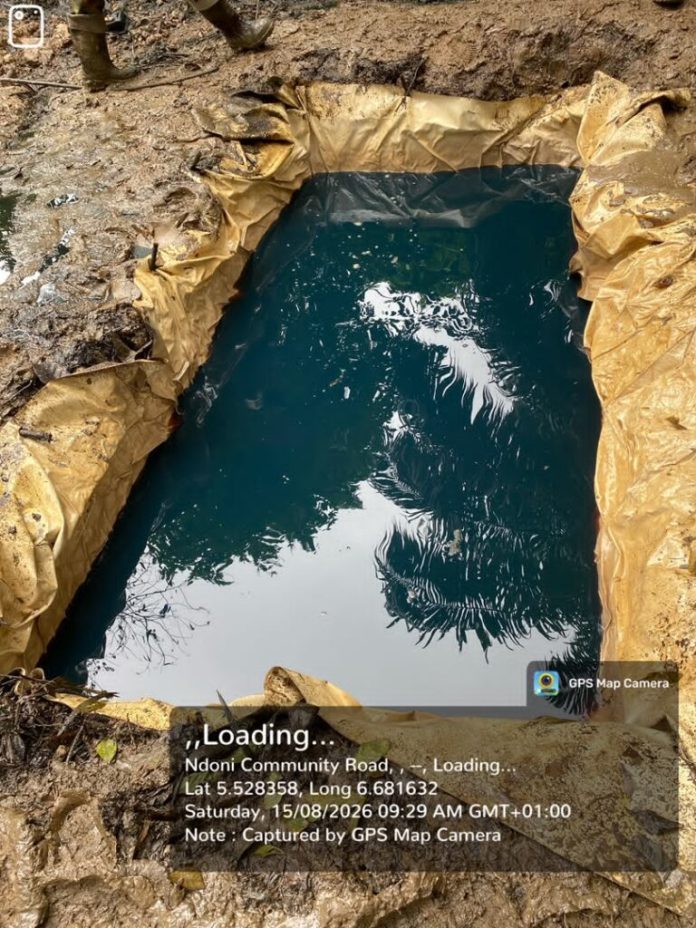
The Nigerian Navy has shut down three illegal refining sites in Rivers State and recovered about 85,000 litres of products suspected to be illegally refined Automotive Gas Oil (AGO).
The operation was carried out by personnel of Nigerian Navy Ship (NNS) PATHFINDER under Operation DELTA SENTINEL in the Egbema area of Ogba-Egbema-Ndoni Local Government Area.
Director of Naval Information, Capt. Abiodun Folorunsho, disclosed this in an operational report issued on Sunday in Abuja.
He said the operation followed intelligence indicating that criminal groups were continuing illegal refining activities in the area.
According to him, the naval team found three refining locations containing eight dugout pits, sacks and reservoirs holding the suspected illegally refined products.
The recovered materials and the affected sites were dealt with in line with established procedures for tackling crude oil theft and illegal refining.
The latest operation came about two weeks after NNS PATHFINDER also disrupted two illegal refining sites in the area on Aug. 3.
Folorunsho said the repeated operations were aimed at preventing illegal refining operators from rebuilding facilities and establishing new footholds in the area.
He said continued pressure on the networks had contributed to a reduction in the reactivation of previously disrupted illegal refining sites.
The Issues
Illegal refining and crude oil theft remain a challenge to Nigeria’s oil industry, with security agencies continuing operations to dismantle illicit production facilities and petroleum supply networks.
What’s Being Said
“The repeated disruption of illegal refining activities in the area reflects the navy’s sustained efforts to prevent criminal elements from regaining operational footholds and rebuilding illicit refining infrastructure.” – Capt. Abiodun Folorunsho, Director of Naval Information.
What’s Next
The Navy said it would continue operations against illegal refining networks while protecting critical oil and gas infrastructure and national economic assets.
Bottom Line
The latest operation is part of sustained naval efforts to disrupt illegal petroleum production in Rivers and prevent operators from rebuilding refining sites after previous facilities have been dismantled.
Joint laboratory is supporting solar research and photovoltaic technology development in Egypt.
Egypt produced its first locally made half-cut solar cell in 2023.
The facility has developed solar applications for electricity, water pumping and purification.
Partners plan to turn the laboratory into a regional renewable energy innovation centre.
Main Story
A China-Egypt research partnership is helping to expand photovoltaic technology development and local solar manufacturing in Egypt.
The China-Egypt Belt and Road Joint Laboratory on Renewable Energy, located on Karaman Island in Sohag, southern Egypt, brings together researchers from both countries to develop and test solar technologies.
The facility operates in cooperation with Egypt’s Academy of Scientific Research and Technology (ASRT) and has established research and production capabilities covering several stages of photovoltaic development.
One of its major achievements came in October 2023, when Egypt produced its first locally manufactured half-cut solar cell. The country followed this with its first locally produced high-efficiency half-cell solar module the following month.
Mohamed Zahran, an ASRT professor, attributed the breakthroughs partly to the laboratory’s support for research and local production.
The laboratory has equipment for photovoltaic manufacturing and testing, alongside facilities designed to support research under desert conditions.
The partnership combines Egypt’s strong solar resource with China’s experience in photovoltaic technology, equipment and supply chains. Egypt receives about 3,000 hours of full sunshine annually, creating favourable conditions for solar power development.
Researchers have also used the facility to develop demonstration projects covering both grid-connected and off-grid solar systems. Other applications include solar-powered water pumping and water purification.
Aref Eliwa, an ASRT professor, said the laboratory had created a platform for scientists from both countries to work jointly on technologies suited to Egypt’s environmental conditions.
The collaboration has also focused on technical challenges affecting solar-cell performance, including issues associated with high-resistance dense-grid cells.
According to the researchers, the work has contributed to improving cell efficiency and developing photovoltaic products better suited to local solar conditions.
The partners are now looking to expand the laboratory beyond research and testing by developing it into a regional renewable energy innovation centre.
The planned expansion will cover joint research, technology demonstrations, technical training and the promotion of renewable energy solutions.
The Issues
Egypt is seeking to expand its domestic solar technology capabilities while adapting photovoltaic products to its environmental conditions. The China-Egypt partnership provides technical expertise and research infrastructure to support that effort.
What’s Being Said
“The joint lab is the core driver behind these achievements, providing comprehensive support for our technological breakthroughs and independent production.” – Mohamed Zahran, professor at the Academy of Scientific Research and Technology.
“Through the invaluable platform of the joint lab, scientists from China and Egypt can carry out deep cooperation and drive joint innovation.” – Aref Eliwa, professor at the Academy of Scientific Research and Technology.
What’s Next
The partners plan to develop the laboratory into a regional renewable energy innovation centre, with expanded research, technology demonstration, training and renewable energy activities.
Bottom Line
The China-Egypt laboratory is moving beyond solar research into local technology development and manufacturing, with plans to use the facility as a platform for renewable energy innovation across Egypt and potentially the wider African market.
Tinubu says government-owned refineries are being restructured for commercial viability.
He says CNG expansion must translate into lower costs for Nigerians.
NUPENG raises concerns over the casualisation of oil and gas workers.
Tinubu says subsidy savings are supporting infrastructure and economic reforms.
Main Story
President Bola Tinubu has said the Federal Government is working to make its refineries economically viable as part of broader reforms in the petroleum sector.
Tinubu spoke on Thursday at the Presidential Villa, Abuja, while meeting a delegation from the Nigeria Union of Petroleum and Natural Gas Workers (NUPENG), led by its President, Sulaimon Oladiti.
The president said the government was reviewing the financial and operational structure of the refineries to ensure that their return to production would translate into lasting economic value.
He said simply getting the facilities running would not be enough, stressing that their operations must eventually justify the resources committed to them.
Tinubu said his administration had inherited longstanding problems in the sector and had taken responsibility for addressing them.
He also discussed the government’s Compressed Natural Gas (CNG) programme, saying its expansion was intended to ease transportation costs and improve the country’s energy security.
The president, however, expressed concern that the financial benefits of the programme were not reaching commuters quickly enough.
He said transport operators benefiting from cheaper CNG should pass the gains on to passengers.
Tinubu also credited economic reforms, including the removal of fuel subsidy, with creating fiscal space for government investment in infrastructure.
He cited the Lagos-Ibadan Expressway, Abuja-Kaduna-Kano Road and Sokoto-Badagry Highway among projects receiving funding following the reforms.
The president appealed for continued public support and patience, arguing that the benefits of the reforms would require time to fully emerge.
Oladiti, in his remarks, raised concerns about the employment practices of some oil and gas companies, particularly the use of casual workers in the upstream sector.
He said NUPENG had raised the matter with some companies without achieving the desired outcome and asked Tinubu to intervene.
The union leader also welcomed the efforts to restore the refineries and called for the rehabilitation of depots operated by the Nigerian Pipelines and Storage Company.
The Issues
The government is attempting to balance refinery rehabilitation with the need to ensure that the facilities eventually operate without continued dependence on public funds.
What’s Being Said
“The refineries that you mentioned are going to come back to work.” – President Bola Tinubu.
“Whatever benefit that is coming from CNG is going into the pockets of truck owners. It is not spreading as fast as I would like it, but it should spread.” – President Bola Tinubu.
What’s Next
The government is expected to continue work on the refinery reforms and expand the CNG programme, while NUPENG is seeking action against casualisation in the oil and gas industry.
Bottom Line
Tinubu said the government’s priority was not merely to restart the refineries but to put them on a stronger economic footing so they can operate sustainably.
Now you can find the Week 10 pool fixtures 2026: pool fixtures for this week, this week pool fixtures, football pools results and fixtures, pool fixtures this week, classic pool fixtures, Aussie pool fixtures, UK pool fixtures, advance pool fixtures, Australia pool fixtures, pool panel results, pool result today Saturday, pool results and fixtures this week, fortune soccer pool fixtures.
Find all the Week 10 pool fixtures on Bizwatchnigeria.ng as soon as they are released by the FPA (Football Pools Authority).
Pool Fixtures For This Week: 10; SEASON: UK 2026/2027
Now you can find the Week 9 pool fixtures 2026: pool fixtures for this week, this week pool fixtures, football pools results and fixtures, pool fixtures this week, classic pool fixtures, Aussie pool fixtures, UK pool fixtures, advance pool fixtures, Australia pool fixtures, pool panel results, pool result today Saturday, pool results and fixtures this week, fortune soccer pool fixtures.
Find all the Week 9 pool fixtures on Bizwatchnigeria.ng as soon as they are released by the FPA (Football Pools Authority).
Wumi Iledare says refinery revival should be judged by commercial performance, not just production.
He wants clear targets and timelines for Port Harcourt, Warri and Kaduna refineries.
He says crude supply must be reliable and competitively priced.
Iledare warns that poor planning could lead to another costly rehabilitation cycle.
Main Story
Petroleum economist Prof. Wumi Iledare has urged the Federal Government to ensure that the rehabilitation of the country’s state-owned refineries is backed by a commercially viable operating plan.
Iledare said returning the Port Harcourt, Warri and Kaduna refineries to production would have little value if the facilities continued to depend on government funding without generating sufficient returns.
He spoke with the News Agency of Nigeria (NAN) on Sunday in Lagos, following President Bola Tinubu’s recent assurance that the government was working to restore the refineries to sustainable operations.
Tinubu had said on Aug. 13 that the facilities were undergoing restructuring and technical assessments as part of efforts to make them productive and profitable.
Iledare said the government should set specific deadlines and measurable targets for the facilities rather than treating the resumption of production as the end goal.
He also called for public disclosure of key information, including the amount being invested, expected production levels and the milestones against which the rehabilitation programme would be assessed.
According to him, the refineries require professional management and sufficient funds for maintenance if they are to remain operational after rehabilitation.
He said their business structure should also give managers enough operational independence while ensuring that performance is regularly assessed.
Iledare identified crude availability and pricing as another major issue that would determine whether the refineries could remain commercially viable.
He said the government needed to establish predictable arrangements for supplying crude to the facilities and ensure that the cost of the feedstock did not undermine their ability to compete.
The petroleum economist said production figures alone would not provide an adequate assessment of the refineries.
He said factors such as operating expenses, the quantity and quality of refined products, capacity utilisation and profit margins should form part of the evaluation.
Iledare also stressed the need to determine whether the refineries could compete effectively with other sources of petroleum products once they resume operations.
He warned that failure to address these issues could leave the country repeating a familiar pattern in which refineries undergo rehabilitation, operate for a period, shut down and require further public funding.
The Issues
The government faces the challenge of ensuring that billions of naira committed to refinery rehabilitation translate into sustainable and commercially viable operations.
What’s Being Said
“Politics must not trump economics.” – Prof. Wumi Iledare, Professor Emeritus of Petroleum Economics and Policy Research, Louisiana State University.
“The real policy test is whether they can function efficiently, competitively, sustainably and profitably without becoming a recurring burden on the public purse.” – Prof. Wumi Iledare.
What’s Next
The government is expected to proceed with the restructuring and technical assessment of the state-owned refineries while establishing the framework for their future operations.
Bottom Line
Iledare said the success of the refinery programme should ultimately be measured by whether the facilities can operate efficiently, compete in the market and justify the capital invested in them, rather than simply by whether they resume production.
The exchange rate between the Naira and the US dollar, according to the data released on the FMDQ Security Exchange,the official forex trading portal, showed that the naira closed at 1360 per $1 on Monday, August 17th 2026. The naira traded as high as 1356 to the dollar at the investors and exporters (I&E) window on Sunday. This is brought to you by Bizwatch Nigeria.
Dollar to naira exchange rate today black market (Aboki dollar rate):
The exchange rate for a dollar to naira at Lagos Parallel Market (Black Market) players sell a dollar for ₦1420 and buy at ₦1407 on Saturday 15th August, 2026, according to sources at Bureau De Change (BDC).
Please note that the Central Bank of Nigeria (CBN) does not recognize the parallel market (black market), as it has directed individuals who want to engage in Forex to approach their respective banks.
Dollar to Naira Black Market Rate Today
Dollar to Naira (USD to NGN)
Black Market Exchange Rate Today
Selling Rate
₦1420
Buying Rate
₦1407
Dollar to Naira CBN Rate Today
Dollar to Naira (USD to NGN)
CBN Rate Today
Highest Rate
₦1360
Lowest Rate
₦1356
Please note that the rates you buy or sell forex may be different from what is captured in this article because prices vary.
FGNPC supported the Visiola Foundation’s 2026 STEM Summer Camp.
Students developed renewable energy prototypes during the programme.
FGNPC says early STEM investment is important to Nigeria’s energy transition.
The company says partnerships are needed to strengthen technical capacity in the power sector.
Main Story
The FGN Power Company (FGNPC) has reaffirmed its commitment to developing technical capacity and encouraging innovation in Nigeria’s electricity sector through its support for the Visiola Foundation’s 2026 Science, Technology, Engineering and Mathematics (STEM) Summer Camp.
The week-long programme, which ended with a closing competition in Abuja, exposed participating students to practical applications of STEM and renewable energy.
Participants designed and built renewable energy prototypes before presenting their projects to a panel of judges.
FGNPC Managing Director, Kenny Anuwe, served as Chief Judge at the closing competition and assessed the projects based on technical understanding, presentation, creativity, usefulness and potential impact.
Anuwe said developing young Nigerians was essential to building the technical workforce required to transform the power sector.
He said FGNPC could not drive the development of the sector alone and would continue to work with public and private organisations involved in capacity building.
The company said its support for the camp was consistent with its broader efforts to develop engineers and other professionals needed in the electricity industry.
Anuwe also highlighted FGNPC’s Siemens Energy Education & Development and Power Training Institute workstreams, which focus on strengthening engineers’ skills in areas including power system simulation, network studies and system planning.
He said the participation of private companies, non-governmental organisations and financiers remained important to addressing challenges in the power sector.
The company said the students were assessed on their ability to identify renewable energy challenges, develop functional solutions and explain the technology behind their prototypes.
It added that the programme aligned with its objective of developing future engineers, scientists, innovators and energy professionals.
FGNPC said early investment in STEM education would help create a pipeline of talent capable of contributing to Nigeria’s energy transition and the development of a more reliable and efficient power sector.
The Issues
Nigeria’s power sector requires stronger technical capacity and a pipeline of skilled professionals capable of supporting infrastructure development, innovation and the energy transition.
What’s Being Said
“The Federal Government cannot build the power sector alone; it requires the support of key public and private sector partners.” – Kenny Anuwe, Managing Director, FGN Power Company.
“This is why we remain open to partnerships with organisations such as the Visiola Foundation, which help expand capacity-building opportunities.” – Kenny Anuwe, Managing Director, FGN Power Company.
What’s Next
FGNPC said it would continue collaborating with organisations such as the Visiola Foundation on initiatives that strengthen technical capacity and expose young Nigerians to practical STEM applications.
Bottom Line
FGNPC says early investment in STEM education and stronger partnerships can help build the technical talent needed for Nigeria’s energy transition and the long-term development of the power sector.
Babaginda Applaud's FG's Effort, Fight Against Coronavirus
Annette Ikponmwonba | August 17, 2026
Key Points
President Bola Tinubu congratulates Ibrahim Babangida on his 85th birthday
Tinubu credits Babangida with lasting contributions to Nigeria
The president says Babangida continues to contribute to national discourse
Main Story
President Bola Tinubu has congratulated former military Head of State, retired Gen. Ibrahim Babangida, on his 85th birthday, describing him as an outstanding Nigerian leader, Tinubu said Babangida’s military career culminated in his emergence as Nigeria’s leader following the 1985 coup, according to a statement issued by Presidential Spokesperson Bayo Onanuga on Monday in Abuja.
The president said Babangida’s eight year rule left enduring marks on Nigeria’s political, economic and geographical landscape.
“Like him or not, former President Babangida impacted Nigeria in ways no other leader has. His eight-year reign left enduring marks on our political, economic, and geographic landscape,” Tinubu said.
Tinubu also credited the former military leader with expanding the Nigerian economy, establishing infrastructure and creating agencies and institutions that continued to serve national interests.
The president said Babangida’s decisions also contributed to the creation and continued existence of several states in the federation.
“But for his foresight, wisdom, and sense of equity and fairness, many states in the federation might not exist today,” Tinubu said.
He added that Babangida’s contributions to national development would keep his name and legacy prominent in Nigeria’s history.
What’s Being Said
Tinubu described Babangida as an outstanding Nigerian leader and praised his continued contribution to national discourse after leaving public office.
“Even in retirement, living a quiet life at my Minna Hilltop residence in Niger State, General Babangida continues to offer valuable counsel and guidance to the nation. His advice and wise counsel remain an inspiration to younger generations.” — President Bola Tinubu.
What’s Next
Babangida is expected to continue his private life and engagement with national discourse from his Minna residence
Tinubu wished the former military leader continued good health, strength and many more years of service to Nigeria
The Bottom Line:
Tinubu’s birthday message places Babangida’s eight-year military rule within a broader assessment of his influence on Nigeria’s political, economic and institutional development. It also highlights the former leader’s continued relevance to national discourse decades after leaving public office.
Police arrested 33-year-old Jacob Irewa over the alleged attack on his wife.
The victim sustained injuries and is receiving treatment in a Lokoja hospital.
Police say the suspect admitted to setting his wife on fire.
The suspect is expected to face an attempted culpable homicide charge after investigation.
Main Story
The Kogi Police Command has arrested a 33-year-old man, Jacob Irewa, over the alleged attempt to set his wife ablaze during a domestic dispute in Lokoja.
The incident occurred on Friday, Aug. 14, at Oworo Estate, Felele, according to the Police Public Relations Officer, ASP Afusat Saliu.
Saliu said the victim, Mrs Berida Irawo, sustained injuries and was taken to Honey Gold Hospital in Felele for treatment.
She said the B Division Surveillance Team, Felele, responded to a distress call and arrested Irewa at the scene.
According to the police, the dispute reportedly started after Irawo burnt some of her husband’s clothes without his consent.
The disagreement allegedly escalated when Irewa threatened his wife, took petrol from his motorcycle and set her on fire.
Saliu said the suspect admitted during questioning that he had set his wife ablaze.
She said investigators had commenced a comprehensive probe to establish the circumstances of the incident and gather additional evidence.
The police said Irewa would be charged with attempted culpable homicide after the investigation is concluded.
The Issues
The incident has raised concerns over domestic violence and the escalation of marital disputes into life-threatening attacks.
What’s Being Said
“The command will not condone any action capable of endangering lives. We encourage citizens to seek peaceful and legal means of settling disagreements.” – CP Naziru Kankarofi, Kogi Commissioner of Police.
What’s Next
Police said investigations would continue before the suspect is charged with attempted culpable homicide.
Bottom Line
The Kogi Police Command has vowed to pursue the case while urging residents to report domestic abuse early to prevent disputes from escalating into violence.
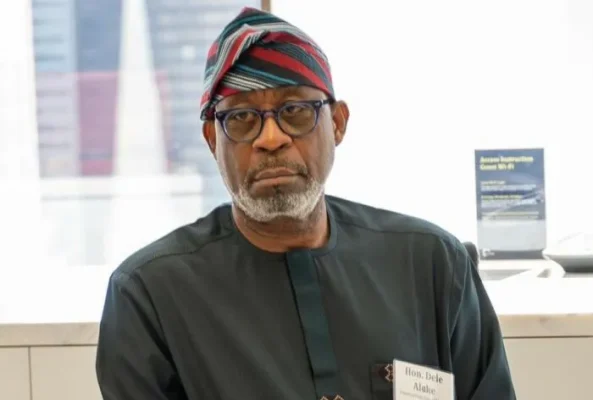
Dele Alake warns illegal miners against extracting minerals from abandoned pits without licences.
Seven miners died after an abandoned pit collapsed in Plateau.
The minister says investors can repurpose abandoned pits for energy, tourism and fishery projects.
He says 59 abandoned mine pits have been rehabilitated so far.
Main Story
The Federal Government is seeking private-sector partnerships to reclaim thousands of abandoned mining pits across Plateau State and convert them into productive economic assets.
The Minister of Solid Minerals Development, Dele Alake, made the call while responding to the death of seven miners in the collapse of an abandoned tin pit at Kassa in Barkin Ladi Local Government Area of the state.
Alake said the incident underscored the dangers posed by abandoned mining sites, particularly when people enter them without the required licences and safety measures.
He urged artisanal miners to obtain permits and operate through cooperatives, saying licensed operators could receive technical training from the ministry and gain access to more sustainable income opportunities.
Beyond preventing further accidents, the minister said the government was exploring ways to give the abandoned sites new economic uses.
According to him, more than 4,000 pits were created by Amalgamated Tin Mines Ltd. and companies that succeeded it, including Consolidated Tin Mines Ltd. and Nigerian Tin and Allied Products Ltd.
He said the sites could be redeveloped for energy generation, tourism and fisheries, with private-sector participation providing a faster route to their rehabilitation and productive use.
The ministry, he said, had already rehabilitated 59 abandoned pits.
Alake also disclosed that the government had begun using satellite-based Geographic Information System mapping and Artificial Intelligence to identify and assess legacy tin pits.
The programme, being piloted in Plateau through partnerships with ImPPPact Nigeria Alliance and Intomatics, is expected to help the government develop workable methods for reclaiming the remaining sites.
The minister directed prospective investors to the Nigerian Mining Cadastral Office and the ministry’s Mines and Environmental Compliance Department for information on opportunities in the sector.
He also encouraged investors to explore the Solid Minerals Development Fund’s financing programme.
The government is further developing an Environmental Protection and Rehabilitation Fund through which mining companies would contribute towards restoring mine sites where they fail to carry out rehabilitation after closure.
The Issues
The minister said abandoned mine pits posed safety risks and required coordinated efforts to prevent further deaths while also converting the sites into productive assets.
What’s Being Said
“The challenge before the state and the Federal Government is how to turn these potential pits of death into centres of joyful prosperity.” – Dele Alake, Minister of Solid Minerals Development.
“Very soon, we shall conclude discussions with the fund managers. Thenceforth, mining companies must pay to the fund so that it can rehabilitate mine pits if the companies do not do so during closure.” – Dele Alake, Minister of Solid Minerals Development.
What’s Next
Alake said the Environmental Protection and Rehabilitation Fund would require mining companies to contribute funds for the rehabilitation of mine pits where operators fail to reclaim them after mine closure.
Bottom Line
The Federal Government is seeking to curb deaths from abandoned mining pits through licensing, rehabilitation, private-sector investment and stronger environmental safeguards.
Hayden Panettiere, known for her roles in Heroes and Nashville, died at age 36
Her father, Skip Panettiere, announced her death
The family did not disclose her cause of death and appealed for privacy as they mourn
Main Story
American actress Hayden Panettiere has died at the age of 36, with her father, Skip Panettiere, announcing her death on Monday on behalf of the family, In a statement, Skip Panettiere described his daughter as an “incredible light and a force of nature” who brought joy to her family, friends and millions of viewers.
“It is with profound sadness that we share the tragic passing of our beloved Hayden,” Skip Panettiere said in the statement issued on behalf of the family.
“We ask for privacy as our family takes time to process this unimaginable loss.” Skip Panettiere, father of Hayden Panettiere, The family did not disclose the cause of death.
The News Agency of Nigeria (NAN) reports that Panettiere began her acting career as a child before establishing herself across television, film and voice acting.
She gained widespread recognition for playing Claire Bennet in the television series Heroes and Juliette Barnes in the musical drama series Nashville.
Her film credits included Remember the Titans, Raising Helen, Ice Princess and Scream 4. She also reprised her role as Kirby Reed in the Scream franchise, appearing in the 2023 film.
What’s Being Said
The family described Panettiere as an “incredible light and a force of nature” who brought “immeasurable love and joy” to those who knew her and to audiences who watched her work. Skip Panettiere, father of Hayden Panettiere.
The family has appealed for privacy while it processes the loss.
What’s Next
Panettiere’s family is expected to make further arrangements following her death
No cause of death has been disclosed by the family
Further details will depend on information released by the family or relevant authorities
The Bottom Line:
Panettiere leaves behind a career spanning television, film and voice acting, having transitioned from a successful child acting career into prominent adult roles. Her death at 36 marks the loss of an actress whose work reached audiences across multiple generations.
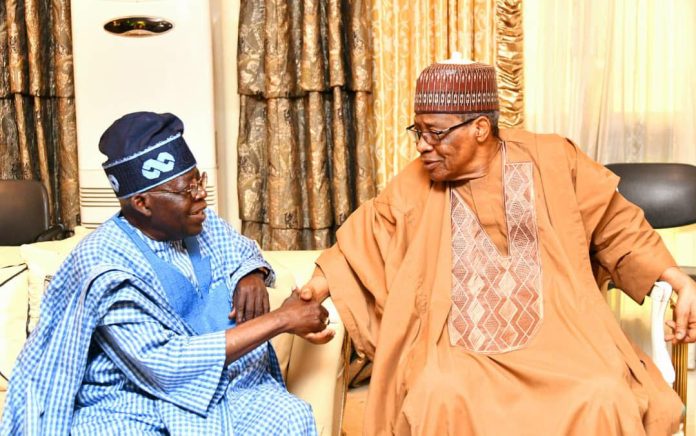
President Bola Tinubu congratulates retired Gen. Ibrahim Babangida on his 85th birthday.
Tinubu says Babangida left lasting marks on Nigeria’s political, economic and geographical landscape.
He credits the former military leader with establishing infrastructure, agencies and institutions.
Tinubu says Babangida continues to contribute to national discourse through his counsel.
Main Story
President Bola Tinubu has congratulated former military Head of State, retired Gen. Ibrahim Babangida, on his 85th birthday, describing him as an outstanding Nigerian leader.
Tinubu said Babangida’s military career culminated in his emergence as Nigeria’s leader following the 1985 coup.
This is contained in a statement issued by the Presidential Spokesperson, Bayo Onanuga, on Monday in Abuja.
The president said Babangida had impacted Nigeria in significant ways, leaving enduring marks on the country’s political, economic and geographical landscape.
“Like him or not, former President Babangida impacted Nigeria in ways no other leader has. His eight-year reign left enduring marks on our political, economic, and geographic landscape,” Tinubu said.
He said Babangida expanded Nigeria’s economy, established enduring infrastructure and created agencies and institutions that continued to serve the national interest.
Tinubu also credited Babangida’s foresight, wisdom and sense of equity with contributing to the creation of several states in the federation.
The president said Babangida’s name and legacy would remain indelible in Nigeria’s history because of his contributions to national development.
He also acknowledged Babangida’s continued contribution to national discourse despite his retirement from public life.
“Even in retirement, living a quiet life at my Minna Hilltop residence in Niger State, General Babangida continues to offer valuable counsel and guidance to the nation.
“His advice and wise counsel remain an inspiration to younger generations,” Tinubu said.
The president wished the former military leader continued good health, strength and many more years of service to the nation.
The Issues
Tinubu’s tribute focused on Babangida’s impact on Nigeria’s political, economic and geographical development during his years in power.
What’s Being Said
Tinubu said Babangida’s contributions remained significant and that his counsel continued to offer value to the nation.
What’s Next
Tinubu wished Babangida continued good health, renewed strength and many more years of service to the country.
Bottom Line
Tinubu described Babangida as a leader whose contributions left lasting marks on Nigeria and whose counsel remains relevant to younger generations.
Seye Oladejo says Adeleke’s victory has challenged the one-party state narrative.
He says the outcome shows that voters can still determine electoral outcomes.
Oladejo urges the governor to focus on development during his second term.
He says the election offers lessons ahead of the 2027 general elections.
Main Story
A former APC spokesman in Lagos State, Seye Oladejo, has described Gov. Ademola Adeleke’s re-election in Osun as a triumph for democracy.
Oladejo said the outcome had also challenged the growing narrative that Nigeria was drifting towards a one-party state.
He said this in a statement on Monday, describing Adeleke’s victory as evidence of the resilience and competitiveness of Nigeria’s democratic system.
Oladejo said the movement of politicians across party lines and defections to the ruling All Progressives Congress (APC) had raised concerns about the future of opposition politics.
He, however, said the Osun election provided a reality check to those concerns, noting that Adeleke secured re-election on a platform outside the ruling party.
According to him, the result showed that voters could still make independent choices and that no political party could claim permanent control of electoral outcomes.
“There is nothing in democracy called the ‘invincibility of the ruling party.’ Absolutely nothing.
“No ruling party, regardless of its structure, influence, resources, incumbency or political pedigree, possesses a permanent certificate of victory,” Oladejo said.
He urged political parties, including the APC, to avoid complacency and approach every election as a fresh contest requiring them to earn voters’ support.
Oladejo also said the electorate should not be regarded as politically predictable, adding that voters could make different choices based on candidates, performance and prevailing circumstances.
The APC chieftain said President Bola Tinubu’s democratic credentials should also be assessed by how elections were handled when outcomes did not favour his party.
He said Tinubu’s reported acceptance of Adeleke’s victory and congratulatory gesture deserved recognition as evidence of democratic maturity.
“Democracy is not only about celebrating when your candidate wins. It is also about accepting the verdict of the people when your candidate loses,” he said.
The Issues
Oladejo said the election had challenged concerns that the growing strength of the APC and defections from opposition parties would lead to a one-party political system.
What’s Being Said
Oladejo said the outcome demonstrated that voters remained capable of producing unexpected electoral results and that political parties had no permanent claim to victory.
What’s Next
Oladejo urged Adeleke to use his second term to improve infrastructure, education, healthcare, security, job creation and economic opportunities in Osun.
Bottom Line
Oladejo said Adeleke’s re-election showed that Nigeria’s political space remained competitive and that every electoral mandate must be earned.
Housemates stepped up their efforts during Week Three as they battled to win the Wager
Neche became the second female Head of House
Food shortages, intense rehearsals and shifting relationships added pressure
Main Story
Big Brother Naija Season 11 housemates intensified their efforts during Week Three as food shortages, demanding Wager rehearsals and changing relationships tested life in the “Show Ya Sef” house, The week followed the eviction of Martins and Mercedes, which served as a wake up call for the remaining 22 housemates, Chimsom Chuka was also named Most Influential Player of the Week, earning immunity from nominations.
The housemates were tasked with a storytelling dance challenge combining music, movement and performance, After losing their Wager in Week Two, they faced increased pressure to deliver, eventually securing their first Wager victory of the season on Thursday.
Neche emerged as the Week Three Head of House after defeating Chimsom Chuka in the final stage of the challenge. She became the second woman to hold the position during the season.
Neche selected Sultex to occupy the Head of House Lounge, while Sultex chose Oyin to join him. She subsequently introduced a strict schedule covering gym sessions, meals, chores and Wager rehearsals.
Food also became a source of tension after the previous Wager loss resulted in shortages. The housemates agreed to ration available supplies, while Abi took responsibility for managing the arrangement, Kamsy also raised concerns over disappearing eggs, while Flora confronted the state of the kitchen after some housemates cooked without cleaning the stovetop.
What’s Being Said
“It was important for her to win the Wager.” — Africa Magic, describing Neche’s approach to managing the house during Week Three.
The week also produced changes in relationships. Bells and Yusuf moved from a breakup towards renewed closeness, while Gerard ended his relationship with Kamsy after telling Temi Nkem he felt he was competing with Chimsom Chuka. Ricky and Sheba also began flirting during the week.
What’s Next
The remaining housemates will continue competing in Week Four following the third live eviction
New Wager, Head of House and nomination activities will determine the next stage of the competition
The Sunday live eviction show will continue to determine who leaves the “Show Ya Sef” house
The Bottom Line:
Week Three showed that the competition is becoming increasingly demanding, with Wager performance, food management and relationships all affecting life in the house. The successful Wager win also demonstrated how quickly pressure can push the housemates to raise their performance.
Kamsy was evicted from the Big Brother Naija Season 11 house
The 24 year old event planner became the third housemate to leave the “Show Ya Sef”
Kamsy addressed her relationship with Gerard after her eviction
Main Story
Big Brother Naija Season 11 housemate Kamsy was evicted during the third live eviction show on Sunday, August 16, ending her three-week run in the “Show Ya Sef” house, Kamsy became the only housemate evicted during Live Show 3, joining Martins and Mercedes as the third contestant to leave the competition. The eviction was announced by the show’s host, Ebuka Obi Uchendu, during the live programme.
Kamsy, whose full name is Uzoma Kamsiyochukwu Erika, is a 24 year old event planner, gift curator and decorator from Imo State. She was among 16 housemates nominated for possible eviction during Week Three.
Her exit followed a week marked by relationship tensions involving fellow housemate Gerard. According to Africa Magic, Gerard had initially grown closer to Kamsy before ending the relationship after expressing concerns about competition involving Chimsom Chuka.
During her post eviction interview with Ebuka, Kamsy also addressed speculation surrounding her emotional moments in the house and her relationship with Gerard.
“I was feeling cold, I was praying, and the tears just came,” Kamsy said, clarifying that her tears were not because Gerard had ended their relationship.
Kamsy’s eviction leaves 21 housemates competing for the grand prize and the title of Big Brother Naija Season 11 winner.
What’s Being Said
“Kamsy’s time in the Show Ya Sef house has come to an end, making her the third housemate to leave the game after Martins and Mercedes.” Africa Magic, Big Brother Naija
Kamsy, meanwhile, used her post-eviction appearance to clarify the circumstances surrounding her emotional moments and her relationship with Gerard.
What’s Next
The remaining 21 housemates will continue their competition in the “Show Ya Sef” house
The show will move into Week Four following Kamsy’s eviction, with new challenges, nominations and possible evictions ahead
The Bottom Line:
Kamsy’s eviction reduces the Season 11 field to 21 housemates and marks another early exit from the “Show Ya Sef” competition. Her departure also closes one of the season’s developing relationship storylines involving Gerard.
The NNPC/Seplat joint venture has trained and empowered 127 teachers and education evaluators in Imo State.
The beneficiaries participated in the Seplat Teachers Empowerment Programme (STEP).
Training covered digital teaching techniques and alternative income-generation skills.
The Imo cohort is the programme’s first intervention in the state.
STEP has previously been implemented in Edo and Delta, with more than 2,000 teachers trained.
Three beneficiaries received cash grants for their business concepts.
The initiative seeks to strengthen teachers professionally while improving their economic resilience and community impact.
Main Story
The NNPC/Seplat joint venture has empowered 127 teachers and education evaluators in Imo State with digital teaching techniques and alternative income-generation skills under its Seplat Teachers Empowerment Programme.
The beneficiaries graduated from the first Imo cohort of the programme during a ceremony held in Owerri.
Speaking at the ceremony, Seplat’s Director of External Affairs and Social Performance, Chioma Afe, represented by Esther Icha, General Manager, Corporate Social Investment and Social Performance, said STEP was designed to strengthen teachers’ professional development while making them more economically resourceful.
She said the initiative reflected the joint venture’s belief that empowering teachers was an effective way of creating lasting transformation in communities.
According to her, STEP had previously been implemented in Edo and Delta states, where more than 2,000 teachers had been trained. The Imo edition marked the programme’s first intervention in the state.
Afe urged the beneficiaries to use their newly acquired digital skills in the classroom and share their knowledge with other teachers and students.
She said the true impact of the programme would be measured by the students inspired, colleagues supported and communities influenced by the beneficiaries.
Also speaking, the Chief Upstream Investment Officer, NNPC Upstream Investment Management Services, Olanrewaju Igandan, described teachers as critical channels for transferring knowledge to younger generations.
Igandan, represented by Chizoba Onyike, Subsurface Operations Adviser, NUIMS, commended stakeholders for contributing to the success of the programme and wished the beneficiaries success.
Imo State Governor, Hope Uzodinma, represented by the Commissioner for Education, Prof. Bertram Ikegwuoha, also urged the teachers to use the knowledge gained to positively influence their students.
The governor commended Seplat and NNPC for the initiative and encouraged the beneficiaries to uphold STEP’s motto: “Teach. Inspire. Transform.”
As part of the empowerment component, beneficiaries also presented business concepts for evaluation.
Choice Nwachukwu emerged overall winner with a concept on antiseptic production, scoring 432 points and receiving a N500,000 grant.
Obinna Anele, who presented a concept on unripe plantain flour, placed second with 425 points and received N300,000, while Golden Ezekwe, whose concept focused on braiding, came third with 421 points and received N200,000.
The Issues
Many teachers face the challenge of acquiring relevant digital skills as education becomes increasingly technology-driven.
Limited alternative income opportunities can affect teachers’ economic resilience.
Training programmes require sustained follow-up to ensure that acquired skills are effectively applied in classrooms and businesses.
The expansion of teacher empowerment programmes beyond individual beneficiaries is necessary to achieve broader community impact.
Access to start-up capital remains a challenge for teachers seeking to implement viable business ideas.
What’s Being Said
Chioma Afe, Seplat Director of External Affairs and Social Performance: Afe said empowering teachers remained an effective way of transforming communities and urged beneficiaries to apply their digital skills in classrooms while sharing their knowledge with colleagues and students.
Olanrewaju Igandan, NUIMS Chief Upstream Investment Officer: Igandan described teachers as critical channels for transferring knowledge to younger generations and commended stakeholders for supporting the programme.
Hope Uzodinma, Imo State Governor: The governor urged beneficiaries to positively influence their students and embody STEP’s motto, “Teach. Inspire. Transform.”
What’s Next
The graduating teachers are expected to apply the digital teaching skills acquired through STEP in their classrooms while using the income-generation knowledge to develop sustainable livelihoods.
The programme’s expansion to Imo also creates an opportunity for the NNPC/Seplat joint venture to deepen its education interventions in the state and extend the initiative to more teachers and communities.
Bottom Line
The empowerment of 127 teachers in Imo demonstrates how corporate social investment can combine professional development with economic empowerment. By equipping teachers with digital and entrepreneurial skills, the NNPC/Seplat joint venture is seeking to create an impact that extends beyond the beneficiaries to their students, schools and wider communities.
Reporting entities submitted 42,082 Suspicious Transaction Reports (STRs) to the NFIU in 2025.
Deposit Money Banks accounted for 38,715 STRs, representing about 92% of the total.
The NFIU also received 41.7 million Currency Transaction Reports (CTRs) and 10,513 Suspicious Activity Reports (SARs).
STRs declined by 48.8% from 82,143 in 2024, while SARs fell by about 55%.
CTRs, however, increased by 61.6%, from 25.8 million in 2024 to 41.7 million in 2025.
Reporting of transactions involving Politically Exposed Persons rose by 31.1% to 28.1 million.
Virtual Asset Service Providers began recording more suspicious transaction and currency transaction reports in the second half of 2025.
The CBN is moving towards AI- and machine-learning-enabled AML systems capable of real-time monitoring and anomaly detection.
Main Story
Banks, fintech operators and other reporting entities submitted 42,082 Suspicious Transaction Reports (STRs) to the Nigerian Financial Intelligence Unit in 2025, according to the agency’s 2025 Annual Report.
The disclosure comes amid increased regulatory emphasis on anti-money laundering, counter-terrorism financing and counter-proliferation financing compliance across Nigeria’s financial system.
The NFIU also received 41,716,214 Currency Transaction Reports (CTRs) and 10,513 Suspicious Activity Reports (SARs) during the year.
Deposit Money Banks remained the dominant source of suspicious transaction reports, accounting for 38,715 filings, or approximately 92 per cent of the total. Other Financial Institutions submitted 2,185 STRs, while Designated Non-Financial Businesses and Professions filed 1,029.
Capital market operators and insurance companies accounted for 104 reports, while Virtual Asset Service Providers, including cryptocurrency-related businesses, submitted 49 STRs.
Banks also dominated SAR filings, contributing 8,313 of the 10,513 reports received by the NFIU. Other Financial Institutions filed 1,816, while capital market and insurance firms submitted 295. VASPs accounted for 89 SARs, while no SAR was recorded from the DNFBP sector.
The report showed that banks’ suspicious transaction reporting increased throughout 2025, rising from 9,134 in the first quarter to 10,032 in the fourth quarter.
However, the annual figures showed a significant decline compared with 2024. STRs fell from 82,143 to 42,082, representing a 48.8 per cent decrease, while SARs dropped from 23,364 to 10,513, a decline of approximately 55 per cent.
The decline contrasts sharply with the growth in threshold-based reporting. CTRs increased from 25.8 million in 2024 to 41.7 million in 2025, representing a 61.6 per cent increase.
The NFIU said financial institutions are required under the Money Laundering (Prevention and Prohibition) Act to report transactions above prescribed thresholds. These include transactions exceeding N5 million for individuals and N10 million for legal persons, while certain international transfers above $10,000 must also be reported within the prescribed timeframe.
The report also recorded 28.1 million reports involving Politically Exposed Persons, representing a 31.1 per cent increase from 2024.
Meanwhile, reporting activity by VASPs increased during the second half of 2025. The sector recorded 17 STRs in the third quarter and 32 in the fourth quarter, after reporting none in the first half.
The NFIU also stepped up compliance monitoring, with its Designated Non-Financial Businesses and Professions Division conducting joint on-site examinations of 29 entities in sectors including real estate, casinos, precious metals and stones, and consultancy.
The development comes against the backdrop of efforts by the Central Bank of Nigeria to modernise AML compliance through technology. Under proposed standards issued in 2025, regulated financial institutions are expected to deploy intelligent systems capable of real-time transaction monitoring, anomaly detection, risk scoring and behavioural analysis.
The proposed systems are also expected to incorporate artificial intelligence and machine learning and integrate with core banking, customer onboarding and transaction-processing platforms.
The Issues
The sharp decline in STRs and SARs raises questions about whether suspicious activity actually decreased or whether reporting patterns changed.
The substantial rise in CTRs indicates increased monitoring of threshold-based transactions across the financial system.
The rapid expansion of fintech and cryptocurrency transactions presents new AML and financial intelligence challenges.
Financial institutions face increasing pressure to invest in automated compliance and real-time monitoring systems.
Effective implementation of AI-based AML systems will require reliable data, skilled personnel and strong regulatory oversight.
Greater reporting must translate into effective investigation and enforcement to ensure that suspicious transaction reports lead to meaningful action.
What’s Being Said
Nigerian Financial Intelligence Unit:
The NFIU’s 2025 figures show continued reporting by financial institutions and other regulated entities under Nigeria’s AML, counter-terrorism financing and counter-proliferation financing framework.
Central Bank of Nigeria:
The CBN has pushed for modernised AML systems capable of improving detection accuracy and efficiency through technologies including artificial intelligence, machine learning, behavioural analysis and real-time transaction monitoring.
What’s Next
Financial institutions are expected to continue strengthening their AML compliance systems as regulatory requirements become more technology-driven. Greater adoption of automated monitoring, AI-based risk assessment and direct electronic reporting to the NFIU is likely to shape the next phase of Nigeria’s financial crime detection framework.
Regulators will also need to determine whether the sharp fall in STRs and SARs represents improved filtering of legitimate transactions or a potential weakness in suspicious-activity reporting.
Bottom Line
Nigeria’s financial institutions significantly increased threshold-based and PEP reporting in 2025, but suspicious transaction and activity reports fell sharply. The contrasting figures highlight a changing compliance landscape in which banks, fintechs and other financial operators are increasingly expected to combine regulatory reporting with technology-driven, real-time detection of financial crime.
Barcelona reach an agreement in principle with Manchester City to sign Spain captain Rodri for about €75 million ($87 million)
The 30-year-old midfielder is expected to complete the move after the clubs finalise documentation and personal terms
Rodri’s arrival would strengthen Barcelona’s midfield after Frenkie de Jong suffered an injury expected to keep him out for several months
Main Story
Barcelona have reached an agreement in principle with Manchester City to sign Spanish midfielder Rodri for about €75 million ($87 million), according to a source from the Catalan club cited by AFP on Sunday.
The agreement, which remains subject to formal documentation, would bring the 30-year-old Spain captain back to La Liga after seven seasons in England. Reports from Spain indicate the deal is worth about €70 million to €76.8 million depending on the structure and performance-related additions.
The Barcelona source said the transfer is expected to become official in the coming days.
“In the coming days, there will be a statement and (the transfer) will become official,” the Barcelona source told AFP.
Rodri joined Manchester City from Atletico Madrid in 2019 and became a central figure in the club’s most successful period under Pep Guardiola. He helped City win the 2023 UEFA Champions League and four Premier League titles, among 12 major trophies during his time at the club.
The midfielder also won the 2024 Ballon d’Or and was a key player for Spain during their 2026 World Cup triumph, further increasing his value in the transfer market.
Barcelona’s move for Rodri comes as the club manages an injury to Frenkie de Jong, who is expected to spend several months on the sidelines. Rodri would provide experience, defensive stability and control in the centre of the pitch.
Manchester City, meanwhile, have already invested heavily in midfield reinforcements amid uncertainty over Rodri’s future, including the club-record signing of Elliot Anderson from Nottingham Forest.
What’s Being Said
“In the coming days, there will be a statement and (the transfer) will become official,” Barcelona source, speaking to AFP.
“Rodri encaja como guante de seda en la estructura del Barça,” said Spanish journalist Ramón Besa, arguing that the midfielder’s profile fits Barcelona’s playing structure and could significantly strengthen the team.
What’s Next
Barcelona and Manchester City are expected to exchange the final transfer documentation before the agreement becomes official.
Rodri is expected to undergo the required medical and complete the formalities of his move before being unveiled by Barcelona.
Barcelona are also expected to complete a deal involving former City full-back João Cancelo in the coming days.
Bottom Line
The Bottom Line: Rodri’s proposed move gives Barcelona an elite, experienced midfielder at a time when the club needs greater depth and control in the centre of the pitch. For Manchester City, his departure would leave a significant sporting gap despite the club’s efforts to rebuild its midfield.
Naira strengthens 0.26% against the euro at the Nigerian Foreign Exchange Market to N1,571.12
Local currency extends its year-to-date gain against the euro to 6.88% from N1,687.29 at the start of 2026
Increased foreign exchange liquidity and market confidence continue to support the naira at the official market
Main Story
The naira extended its year-to-date gain against the euro to 6.88% at the Nigerian Foreign Exchange Market (NFEM), supported by improved foreign exchange liquidity and market confidence.
Data attributed to the Central Bank of Nigeria (CBN) showed that the naira strengthened to N1,571.12 per euro, from N1,575.15 recorded the previous week. The move represents an improvement of about 0.26%, or 26 basis points, in the official market.
The latest exchange rate compares with N1,687.29 per euro at the beginning of 2026, representing a gain of about 6.88% for the naira against the European currency so far this year.
The performance comes as foreign exchange inflows and liquidity at the official window continue to provide support for the local currency. The naira has recorded intermittent gains against major currencies in 2026, with market conditions and central bank interventions contributing to movements in the exchange rate.
In the broader global market, the euro recently reached a weekly high of $1.1585 after data showed an unexpected decline in US employment in July. The move strengthened the euro against the dollar, although stretched momentum indicators suggested that further gains could be limited.
Global commodity markets have also remained influential for currency and inflation expectations. Oil prices rose during the previous week amid heightened concerns over possible disruptions to Middle Eastern crude supplies following a US threat of an indefinite naval blockade of Iran.
Precious metals recorded mixed performances, with gold and silver gaining amid lower expectations for US interest-rate increases and continued investor demand. Platinum declined, while zinc and lead edged higher among industrial metals as aluminium and tin weakened on softer demand and profit-taking.
What’s Being Said
CBN data underpinning the latest NFEM movement indicates that the naira’s improvement against the euro has been supported by conditions in the official foreign exchange market.
No direct statement from the CBN, an independent analyst or a private-sector market participant was included in the source material supplied for this report. BizWatch Nigeria has therefore not attributed any additional commentary to those stakeholders.
What’s Next
Market participants will continue to monitor NFEM liquidity and foreign exchange inflows for signs of whether the naira can sustain its gains
Movements in global oil prices and Middle Eastern supply risks could influence Nigeria’s foreign exchange position and the naira’s performance
The euro’s movement against the US dollar and expectations around US interest rates will remain relevant to the naira-euro cross
Bottom Line
The Bottom Line: The naira’s 6.88% gain against the euro so far in 2026 points to a stronger performance in the official foreign exchange market, supported by improved liquidity and market confidence. Sustaining the trend will depend on the durability of foreign exchange inflows and developments in global commodity and currency markets.