








Home Blog Page 61

FG Set To Receive $500m AfDB Loan Before Year-End

The African Development Bank (AfDB) has announced plans to disburse $500 million to Nigeria before the end of 2025 as part of a $1 billion budget support package designed to cushion the impact of ongoing economic reforms. Executive Director of the AfDB representing Nigeria and São Tomé and Príncipe, Dr. Bode Oyetunde, disclosed this on Monday during the 31st Nigerian Economic Summit in Abuja.

Oyetunde explained that the bank’s board is expected to approve the second tranche of the support facility before year-end, following the successful release of the first $500 million in 2024.

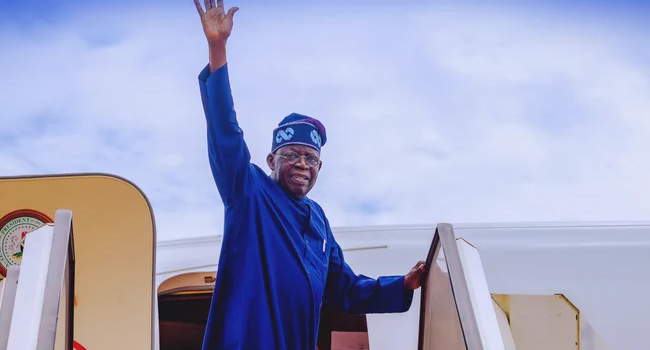
“We have been working to support Nigeria’s bold and aggressive macroeconomic reforms under President Tinubu. Given these reforms, it was important to provide strong backing,” Oyetunde said.

He revealed that while the Nigerian government initially requested $1.5 billion in budget support, the AfDB settled on $1 billion to be disbursed over two years.

“The government asked us for $1.5 billion, but we are able to provide $1 billion over two years. Last year, we gave $500 million in budget support, and this year, we are looking to do another $500 million, subject to board approval,” he added.

Since taking office in May 2023, the Tinubu administration has introduced a series of major economic reforms, including the removal of the petrol subsidy, unification of multiple foreign exchange rates, and introduction of tax and fiscal measures aimed at improving public finances and boosting investor confidence.

Oyetunde noted that the AfDB’s budget support programme focuses on strengthening fiscal management, implementing power sector reforms, and enhancing governance structures. He acknowledged that while the reforms have been challenging, they remain crucial for restoring economic stability and attracting investment.

In November 2023, the Minister of Finance and Coordinating Minister of the Economy, Wale Edun, confirmed that the Federal Executive Council had approved a $1 billion AfDB loan to help bridge Nigeria’s budget deficit and support the government’s reform initiatives.

The AfDB facility aligns with the bank’s broader strategy to assist African countries grappling with post-pandemic fiscal pressures, debt challenges, and global inflationary shocks.

Nigeria has recently intensified its engagement with international financial institutions, including the World Bank and the International Monetary Fund, to stabilise its balance of payments, expand social welfare programmes, and sustain infrastructure investment amid dwindling revenues.

Once approved, the additional $500 million tranche is expected to support power sector improvements, agricultural value-chain development, and fiscal consolidation measures aimed at ensuring sustainable economic growth.
CBN Reiterates Commitment To Maintaining Monetary Stability

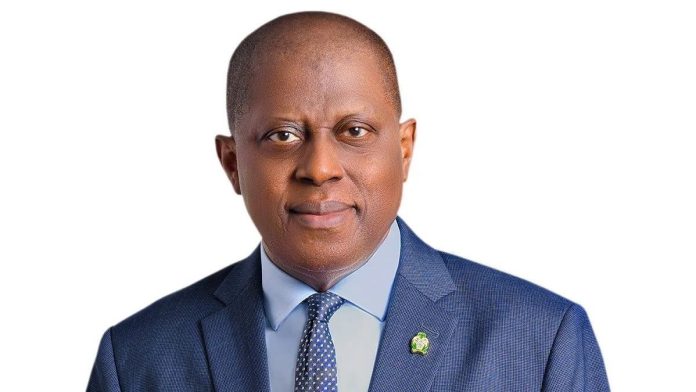
The Central Bank of Nigeria (CBN) has restated its commitment to achieving price and monetary stability through ongoing reforms and policy measures aimed at curbing inflation and supporting economic recovery.

Speaking at the CBN Fair held in Uyo, Akwa Ibom State, on Tuesday, the CBN Governor, Olayemi Cardoso, said several of the bank’s monetary interventions were beginning to yield positive results. He noted the gradual easing of inflationary pressures and improved stability in the foreign exchange market.

Cardoso, represented by the Acting Director of Corporate Communications, Hakama Ali, explained that the exchange rate unification policy had reduced market volatility and cleared over $7 billion in verified foreign exchange backlogs.

He also pointed out that the B-Match foreign exchange trading system had enhanced transparency and strengthened market confidence. Other initiatives, he said, include the ongoing recapitalisation of banks to boost financial system resilience, the introduction of the non-resident Bank Verification Number (BVN) to connect Nigerians abroad to domestic banking services, and the implementation of the Nigeria Payments System Vision 2028 to accelerate digital transformation and deepen financial inclusion.

According to him, the 75 per cent Cash Reserve Ratio (CRR) on non-Treasury Single Account (TSA) public sector deposits was also part of the bank’s strategy to enhance liquidity management and contain inflationary pressures.

“Some of our monetary policies have started yielding positive results. This can be seen in the steady ease of inflation and current stability in the foreign exchange market,” Cardoso said.

He also urged Nigerians to treat the naira with respect, cautioning against acts such as spraying, mutilating, or counterfeiting the national currency.

Earlier, the CBN Uyo Branch Controller, Njideka Nwabukwu, said the fair was aimed at sensitising the public to the bank’s policies and gathering feedback to improve service delivery.

She reaffirmed the CBN’s commitment to supporting Akwa Ibom State’s economic development through public enlightenment, financial literacy campaigns, and stakeholder engagement.

Meanwhile, the naira continued its upward trend last week, closing at ₦1,465/$ at the official market. The currency’s appreciation was attributed to weaker U.S. economic data that reduced dollar demand and stronger foreign exchange inflows that eased market pressure.

At the parallel market, the naira also appreciated by 3.8 per cent week-on-week to ₦1,460/$, narrowing the gap between the official and parallel market rates to ₦5.68/$1, compared to ₦34.34/$1 the previous week.

In a related development, data from the National Bureau of Statistics (NBS) showed that the Nigerian Railway Corporation generated ₦1.95 billion from passenger services in the first quarter of 2025.

According to the NBS Rail Transportation Data for Q1 2025, released on October 5, a total of 929,553 passengers travelled by rail during the period, marking a 37.65 per cent increase from 675,293 recorded in the same quarter of 2024.

The volume of goods and cargo transported also rose to 181,520 tons, up from 160,650 tons in Q1 2024. Revenue from goods and cargo amounted to ₦657.03 million, reflecting an 8.19 per cent increase from ₦607.32 million recorded a year earlier. Other receipts totalled ₦115.68 million, a 355.39 per cent rise from ₦25.40 million in Q1 2024.

The surge in rail transport activity and revenue has been linked to ongoing infrastructure investments, particularly the Lagos–Ibadan rail line, which has significantly boosted the sector’s performance since its launch in 2021.

The rail sector’s contribution to Nigeria’s Gross Domestic Product rose by 18.65 per cent in the first quarter of 2025, underscoring its growing role in the country’s economic growth.

New Acting INEC Chairman Assumes Office

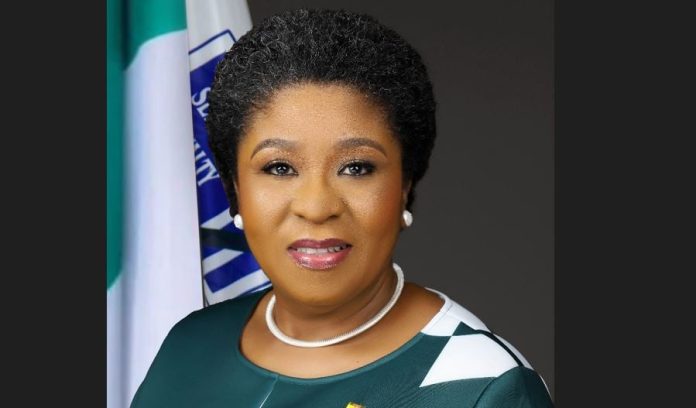
A National Commissioner at the Independent National Electoral Commission (INEC), Mrs. May Agbamuche-Mbu, has assumed office as the Acting Chairman of the Commission following the formal handover by Professor Mahmood Yakubu, who is proceeding on terminal leave. The transition was announced during a stakeholders’ meeting with Resident Electoral Commissioners held on Tuesday at INEC headquarters in Abuja.

Explaining the development, Yakubu said his decision to step aside was in line with Section 306 (1) and (2) of the 1999 Constitution (as amended).

“In recognition of the significant challenges ahead, and having had the honour of serving the Commission for the past 10 years, with only a few weeks remaining in my tenure, I have made a decision,” Yakubu stated.

“In the interim, I am handing over to one of the most senior national commissioners by date of appointment. Following consultation with other national commissioners, May Agbamuche-Mbu will serve in an acting capacity pending the appointment of a substantive chairman of the Commission,” he added.

Yakubu noted that the arrangement would allow the appointing authorities sufficient time to select a new chairman while ensuring continuity in the Commission’s activities.

Reflecting on his tenure, he expressed appreciation to colleagues, civil society groups, development partners, and Nigerians for their support and constructive feedback over the years.

He also commended members of the National Youth Service Corps for their dedication to the electoral process, describing them as “among the most patriotic and knowledgeable election officials I have worked with.”

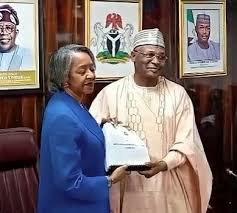
As part of his farewell, Yakubu presented two publications chronicling INEC’s work between 2015 and 2025 — Election Management in Nigeria 2015–2025 and Innovations in Electoral Technology 2015–2025.

“All that remains at this point is for me to pray that God will continue to bless our country and our democracy,” he said before officially handing over to Agbamuche-Mbu.

In his final address, Yakubu outlined the Commission’s ongoing preparations for several upcoming elections, including the Anambra governorship election next month, the Federal Capital Territory Area Council election in February 2026, the Ekiti governorship election in June 2026, and the Osun governorship election in August 2026.

He confirmed that preparations for the 2027 general elections had already begun, noting that the Commission awaited the passage of a new Electoral Act currently before the National Assembly.

“Beyond these reviews, the Commission needs to further clean up the voters’ register, review polling unit locations and voter allocations, and strengthen the management of party primaries,” he stated.

Yakubu also reflected on the Commission’s progress in introducing technology-driven reforms, including biometric voter registration, digital management systems, and election monitoring tools.

“Indeed, we have made tremendous progress, but a lot more needs to be done,” he said.

Before his appointment as INEC Chairman in 2015 by former President Muhammadu Buhari, Yakubu served as the Executive Secretary of the Education Trust Fund. He was reappointed in 2020 for a second term, making him the first person in Nigeria’s democratic history to serve two consecutive terms as INEC Chairman.

Nigeria’s Non-Interest Capital Market Now Valued At N1.6 Trillion – SEC

The Securities and Exchange Commission (SEC) has revealed that Nigeria’s non-interest capital market has reached a valuation of approximately N1.6 trillion, reflecting growing investor confidence in ethical and Sharia-compliant financial instruments.

SEC Director-General, Dr. Emomotimi Agama, made the disclosure in Abuja on Tuesday during a press briefing ahead of the 7th African International Conference on Islamic Finance (AICIF), which is scheduled to take place from November 4 to 5.

According to Agama, Sukuk bonds account for the majority of the market’s value, noting that the last Sukuk issuance recorded an impressive 700% oversubscription. He described this as a testament to the strong trust investors now place in Nigeria’s Islamic finance market and the increasing appetite for non-interest investment options.

“Beyond Sukuk, there are several other products within the non-interest market that remain underexplored,” Agama stated. “These instruments offer alternative investment channels, particularly for young Nigerians and Africans seeking ethical and responsible financial products.”

He also highlighted the role of the Investment and Securities Act (ISA), calling it a “game-changer” that provides a comprehensive legal framework for non-interest finance. The Act empowers the SEC to register and regulate non-interest collective investment schemes, aligning with its long-term objective of deepening innovation and market development.

Speaking on the upcoming AICIF, Agama noted that the conference aims to promote collaboration among policymakers, regulators, and industry players across Africa to create innovative solutions tailored to emerging markets. He added that the discussions will encourage financial inclusion and steer citizens away from Ponzi schemes toward legitimate ethical investments.

“The goal is to produce actionable strategies that will attract new investment inflows, inspire product innovation, and strengthen regulatory policies,” he said. “These outcomes will further cement the capital market’s role as a driver of inclusive and sustainable economic growth.”

In her remarks, Ummahani Amin, Managing Partner of Metropolitan Law Firm and Chairperson of the 2025 conference planning committee, emphasized that Islamic finance remains one of the fastest-growing segments of global finance. She described the partnership with the SEC as a strategic step toward enhancing investor confidence and fostering shared prosperity.

The event, jointly organized by the SEC, Metropolitan Skills Ltd (Metskills), and Metropolitan Law Firm (Metlaw), aims to position Nigeria as a regional hub for ethical finance while showcasing opportunities in sustainable development financing across Africa.

Nigerian Treasury Bills Yield Dips Amid Excess Market Liquidity

Nigeria’s Treasury bills market experienced a decline in average yield this week as increased liquidity in the banking system spurred a fresh wave of buying across the secondary market.

Market activity remained upbeat, with investors showing renewed interest in locking in available yields ahead of the fourth quarter’s planned issuances by the Central Bank of Nigeria (CBN). The sustained demand triggered a downward movement in yields, as traders positioned for potential adjustments in spot rates during the upcoming primary market auction.

According to dealers, expectations are growing that the CBN will reprice Treasury bill rates lower, following the recent policy rate cut. This expectation is further strengthened by the prevailing disinflationary environment and abundant liquidity in the financial system, which have combined to enhance investor appetite for fixed-income securities.

At the start of the week, sentiment in the Treasury bill market was notably bullish, supported by widespread demand across various maturities. Yields dropped significantly on the 05 February 2026 and 19 February 2026 maturities, sliding by 95 basis points (bps) and 22bps respectively, to close at 16.55% and 16.52%.

Data from Cordros Securities Limited indicated that the overall benchmark yield on Nigerian Treasury bills fell by 13bps to 17.8%. Analysts attributed this movement to aggressive buying pressure, particularly in the mid- and long-term segments of the curve.

A closer look at the yield curve revealed contrasting trends. The short end of the curve recorded a slight uptick of 3bps due to profit-taking on the 73-day maturity (+30bps). In contrast, the mid-section of the curve contracted by 42bps, while the long end eased by 3bps, driven by strong demand for the 157-day (-122bps) and 346-day (-3bps) bills, respectively.

Fixed-income analysts expect the rally to persist in the near term, especially as the financial system remains flush with liquidity and investors continue to favor safe short-term instruments amid moderate inflation expectations.

Customs To Conduct Online Recruitment Exam For Shortlisted Candidates On October 9

The Nigeria Customs Service (NCS) has announced that its main online recruitment examination for shortlisted candidates in the Inspectorate and Customs Assistant cadres will be held on Thursday, 9th October 2025.

This was disclosed in a public notice released on Tuesday via the Service’s verified digital platforms.

According to the statement, candidates have been divided into three batches — A, B, and C — and are required to log in to the official recruitment portal, https://updates.customs.gov.ng, using their National Identification Number (NIN) to verify their assigned batch, date, and examination time.

“The Main Online Recruitment Examination for all shortlisted Inspectorate and Customs Assistant Cadre applicants has been scheduled for Thursday, 9th October 2025,” the notice stated.

The NCS further emphasised that adherence to the assigned batch and time was compulsory, warning that failure to comply could result in disqualification.

Candidates were cautioned against the use of calculators, mobile phones, or any electronic devices during the examination. The Service also advised applicants to avoid multiple log-ins or switching browser windows while writing the test, noting that such actions could jeopardise their participation.

Clarifying the scope of the exercise, the Customs Service explained that the current stage was strictly for candidates in the Inspectorate and Customs Assistant cadres, while applicants in the Superintendent cadre would be scheduled for subsequent phases.

“Only Inspectorate and Customs Assistant Cadre applicants are to take part in this stage of the examination. Applicants of the Superintendent Cadre are not to participate at this stage,” the \statement added.

The recruitment exercise is part of the Service’s ongoing effort to strengthen its workforce and improve operational efficiency across its commands nationwide.

FG In Talks With China For $2bn Power Grid Financing

The Federal Government is in advanced negotiations with China’s Export-Import Bank for a $2 billion loan to finance the construction of a new electricity super grid aimed at addressing Nigeria’s persistent power supply challenges.

According to a Bloomberg report, the proposed project seeks to enhance power transmission across the eastern and western regions of the country, which host a large concentration of industrial and commercial consumers.

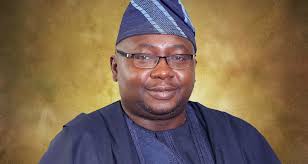
Minister of Power, Adebayo Adelabu, disclosed the plan at an economic summit in Abuja on Monday, noting that the initiative forms part of the government’s broader efforts to decentralise power generation and restore confidence among industrial users who have exited the national grid due to its unreliability.

“It’s part of plans to decentralise power generation in Nigeria and get the heavy commercial users that left the power grid because of its unreliability to return,” Adelabu said.

He added that discussions with China’s Exim Bank were progressing well and that the financing for the super grid had already received cabinet approval.

Nigeria currently has an installed generation capacity of about 13 gigawatts, but only around one-third of this reaches end-users due to transmission bottlenecks and frequent system collapses. In comparison, South Africa, with a population roughly a quarter of Nigeria’s, boasts an installed capacity of about 70 gigawatts.

The unreliable power supply has forced many industries and businesses to rely on self-generated electricity, which now accounts for nearly half of the country’s total energy consumption. The new super grid is expected to improve transmission efficiency, enhance supply to industrial hubs, and support the country’s manufacturing growth.

Since President Bola Tinubu took office in 2023, the government has embarked on several economic reforms, including the removal of fuel subsidies, tax system restructuring, and improved security in oil-producing regions to attract investment.

To strengthen the electricity market’s financial base, the administration also approved tariff adjustments for select urban consumers, a move Adelabu said led to a 70 percent increase in revenue for power distribution companies in 2024. He projected that total revenue in the sector could rise to about ₦2.4 trillion ($1.6 billion) in 2025.

  Ikorodu City FA, ISGAT Athletics Set For Explosive 1xcup2025 Grand Finale

The 1xCup2025 football tournament has reached its climax as Ikorodu City FA and ISGAT Athletics secured their spots in the grand finale after thrilling semi-final clashes at the Mobolaji Johnson Arena, Lagos.

In the first semi-final encounter, Ikorodu City FA overcame Nath Boys FC in a nerve-wracking penalty shootout after a 1–1 draw in regulation time. Both teams displayed impressive attacking football, with fans treated to moments of brilliance on both ends.

The tension peaked during the shootout, but Ikorodu City FA maintained their composure to convert all five penalties, edging Nath Boys 5–3. Their goalkeeper’s decisive save and the team’s precision from the spot earned them a rousing ovation from the crowd at Onikan.

In the second semi-final, ISGAT Athletics delivered a commanding performance against Dosu Joseph FC, winning 2–0 to book their place in the final.

After a goalless first half, ISGAT broke the deadlock early in the second half before Farouk Jimoh doubled their advantage in the 22nd minute, sealing victory and sending their supporters into wild celebration.

The grand finale, scheduled for 16th October 2025 at the Mobolaji Johnson Arena, promises to be an electrifying contest between two of Lagos’ finest grassroots teams, Ikorodu City FA and ISGAT Athletics.

With both sides showcasing tactical discipline, teamwork, and flair throughout the tournament, fans can expect a spectacle of passion, precision, and pride as they battle for the prestigious 1xCup2025 trophy.

As excitement builds across the football community, one question lingers — who will be crowned champions of the 1xCup2025 and etch their name into Lagos football history?

1xCup2025 — Your Community, Your Cup.

Tinubu Approves ₦4 Trillion Bond To Settle GenCos’ Outstanding Debts

President Bola Tinubu has approved a ₦4 trillion bond to offset verified debts owed to power generation companies (GenCos) and gas suppliers as part of efforts to stabilise Nigeria’s electricity market and restore investor confidence in the sector.

The Minister of Power, Adebayo Adelabu, announced the development in Abuja during the Expert Forum on “Uninterrupted Power: The Industrial Imperative” organised by the Nigeria Economic Summit Group. He said the move aligns with the Federal Government’s Renewed Hope Agenda to make the power sector sustainable and commercially viable.

According to Adelabu, the bond approval is a key component of a broader financial stabilisation plan aimed at resolving legacy liabilities that have undermined liquidity and investment across the electricity value chain.

“To stabilise the market, Mr President has approved a ₦4 trillion bond to clear verified GenCo and gas supply debts,” he stated. “Alongside this, a targeted subsidy framework is being developed to protect vulnerable households and ensure a sustainable path toward full commercialisation and a viable industry.”

The minister explained that the government is implementing a multi-pronged reform strategy focused on sustainability, efficiency, and growth — covering legislation, policy reforms, infrastructure development, energy transition, and local content enhancement.

Adelabu noted that recent tariff adjustments have started yielding positive outcomes. By introducing cost-reflective tariffs for select consumers, he said, the government has improved supply reliability while helping industries manage energy costs more effectively.

He further disclosed that the sector’s revenue performance has improved significantly. “Industry revenue increased by 70 per cent to ₦1.7 trillion in 2024 compared to the previous year, and it is projected to exceed ₦2 trillion in 2025,” he said.

Adelabu added that clearing the outstanding debts will provide much-needed relief to GenCos and gas suppliers, whose unpaid invoices have constrained generation capacity and disrupted operations for years.

He reaffirmed the government’s commitment to addressing infrastructure bottlenecks through ongoing projects under the Presidential Power Initiative (PPI), which aim to strengthen generation, transmission, and distribution networks nationwide.

“In Phase Zero of the Presidential Power Initiative, we improved transmission capacity, grid stability, and system reliability, adding more than 700 megawatts of transmission capacity,” he said. “Under Phase One, contracts have been signed with Siemens Energy, CMEC, Elswedy Electric, and Power China, with financing arrangements currently underway. The phase is expected to deliver an additional 7,000MW of operational capacity to the grid.”

Adelabu also revealed that generation capacity is being expanded through the rehabilitation of National Integrated Power Projects (NIPP) plants to recover about 345MW, alongside the integration of the 700MW Zungeru Hydropower Plant into the national grid.

He called on private sector players and development partners to continue supporting the government’s reforms, expressing optimism that collaborative efforts would fast-track Nigeria’s transition to a stable, reliable, and competitive power sector.

Solar Panel Imports Rise To ₦242.68 Billion

Why Cost Of Solar Energy Installation Is Dropping -PPC

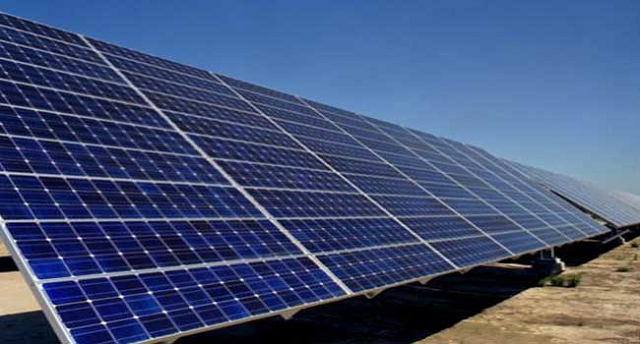
Nigerians spent about ₦242.68 billion on solar panel imports in the first half of 2025, reflecting the country’s sustained appetite for renewable energy solutions even as the Federal Government intensifies efforts to encourage local manufacturing.

According to the latest Foreign Trade Statistics report from the National Bureau of Statistics (NBS), photovoltaic cells assembled in modules or made up into panels valued at ₦125.29 billion were imported between January and March 2025, while an additional ₦117.39 billion worth of panels entered the country in the second quarter.

This brings total imports for the first six months of 2025 to ₦242.68 billion — a notable slowdown compared to ₦237.3 billion recorded in just the last quarter of 2024. The decline suggests that import demand may be easing as local capacity begins to expand.

The Federal Government has been ramping up its efforts to reduce reliance on imported solar equipment. The Managing Director of the Rural Electrification Agency (REA), Abba Aliyu, disclosed that Nigeria’s installed solar module manufacturing capacity has grown from 110 megawatts to 600 megawatts, with major facilities in Lagos (100MW), Abuja (250MW), Idu, and Port Harcourt.

Aliyu added that more than 50 renewable energy service companies now operate in Nigeria, compared to around 10 a few years ago. “We are changing the narrative,” he said. “Nigeria now has the capacity to produce solar panels locally and support the transition to clean energy.”

In March, the Minister of Science and Technology, Uche Nnaji, announced plans to restrict solar panel imports under an Executive Order promoting local content in science, engineering, and technology. He revealed that the National Agency for Science and Engineering Infrastructure (NASENI), in partnership with private investors, had already commenced local production.

“With lithium in abundance here in Nigeria, we are processing materials for batteries and ensuring that homes, hospitals, and institutions benefit from clean mini-grid solutions. Personally, I have been off-grid for three years, and it works,” Nnaji said.

However, PricewaterhouseCoopers (PwC) has urged caution in implementing the proposed import restrictions. In its report titled “Rethinking Nigeria’s Proposed Solar Panel Import Policy,” the firm warned that an abrupt ban could hinder energy access, discourage investors, and trigger short-term supply shortages.

“While the push for local industrialisation is commendable, a phased reduction in imports over a three- to five-year period would be more effective,” PwC advised. The firm also recommended that government efforts focus on creating an enabling environment for manufacturers and enforcing strict quality standards to curb the influx of substandard panels.

Meanwhile, the State House has taken a step toward energy independence with the installation of solar panels at its conference centre, signalling the government’s gradual shift to renewable power. The 2025 approved budget allocated ₦10 billion for a mini-grid solar project at the Presidential Villa — part of the “Solarisation of the Villa with Solar Mini Grid” initiative.

The move is expected to reduce the Villa’s dependence on the national grid and mitigate the impact of rising electricity tariffs, though it also highlights broader concerns about the reliability of Nigeria’s power supply.

Interbank Rates Split As System Liquidity Eases To ₦6.12 Trillion

Interbank rates showed mixed movements on Monday as money market liquidity remained robust, closing at ₦6.12 trillion following an Open Market Operation (OMO) by the Central Bank of Nigeria (CBN).

The financial system sustained a liquidity surplus, with commercial banks’ deposits with the CBN rising by ₦204.69 billion to ₦5.53 trillion. Despite the abundance of funds, short-term benchmark interest rates were uneven, reflecting stable funding conditions. To manage the excess liquidity, the CBN conducted an OMO auction worth ₦600 billion.

At the auction, the apex bank offered ₦600 billion across 85-day, 99-day, and 120-day bills. The sale attracted robust investor demand, with total subscriptions amounting to ₦4.1 trillion. Ultimately, the CBN allotted ₦998.1 billion, clearing at an average stop rate of 20.1%.

According to data from FMDQ, the Open Repo Rate (OPR) held steady at 24.50%, while the Overnight Rate (OVN) dipped slightly by 1 basis point to 24.88%.

Analysts at AIICO Capital Limited noted that interbank rates are likely to moderate further in the coming days amid an expected inflow of ₦905.23 billion in OMO maturities and the absence of significant funding activity.

In the Treasury Bills secondary market, performance was mixed as yields on short- and medium-term maturities declined — with 1-month, 3-month, and 6-month NITTY yields falling 10 bps, 24 bps, and 6 bps, respectively — while the 12-month yield advanced by 14 bps.

Overall, the average Nigerian Treasury Bills yield dropped by 13 bps to 17.80%, reflecting sustained bullish sentiment among investors.

Last week, system liquidity improved to ₦5.73 trillion from ₦4.02 trillion, buoyed by inflows from ₦905.23 billion in OMO maturities, which offset outflows from FGN bond and OMO allotments totaling ₦576.63 billion and ₦98.00 billion, respectively.

Consequently, interbank rates closed the week largely stable, with the OPR and OVN settling at 24.50% and 24.89%, respectively.

Tinubu Explains Establishment Of N200bn Fund For Msmes And Manufacturers

President Bola Tinubu has said his administration’s decision to create a ₦200 billion intervention fund for micro, small, and medium enterprises (MSMEs) and manufacturers is aimed at addressing structural bottlenecks and boosting competitiveness across critical sectors of the economy.

Speaking at the 31st Nigerian Economic Summit organised by the Nigerian Economic Summit Group (NESG) in Abuja on Monday, Tinubu — represented by Vice-President Kashim Shettima — said the initiative is part of ongoing efforts to enhance productivity, promote inclusive growth, and sustain investor confidence in Nigeria’s economy.

The president noted that despite global economic headwinds, Nigeria recorded a 4.23 per cent Gross Domestic Product (GDP) growth in September 2025, exceeding projections by multilateral organisations and domestic analysts.

He said his administration’s policy decisions were “guided by the pursuit of balance between economic logic and public expectation,” adding that the government’s focus remained on fostering stability, reducing poverty, and creating jobs.

“As a people-oriented government, our priority remains restoring hope to the unemployed, the poor, the excluded, and the vulnerable,” Tinubu said.

He explained that the intervention fund would provide affordable financing for MSMEs and manufacturers struggling with structural challenges, while also supporting innovation and entrepreneurship.

“We have created pathways for young Nigerians to access grants, loans, and equity investments of up to $100,000 to scale their enterprises, innovate, and build sustainable livelihoods,” he said.

According to the president, the government has also expanded digital micro-loan access to improve financial inclusion and empower small businesses, particularly at the grassroots level.

“These efforts underline our commitment to building an economy that works for all Nigerians,” Tinubu added, reaffirming that the administration’s reforms are targeted at creating opportunities for citizens to thrive in a resilient and competitive economic environment.

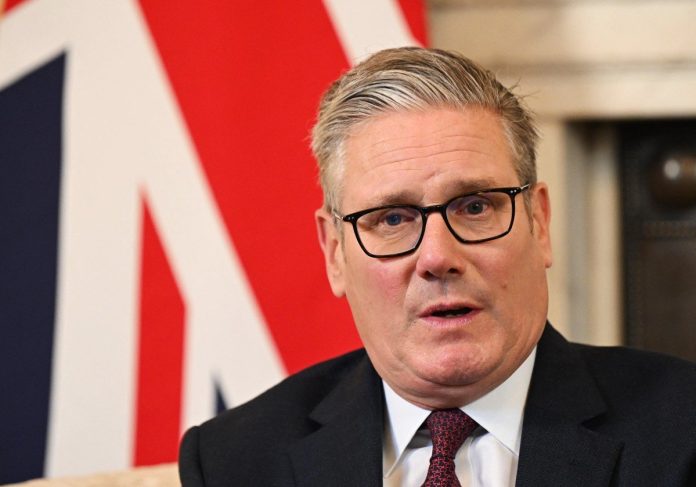
UK PM Starmer Urges Students To Shun Pro-Palestinian Protests On Hamas Attack Anniversary

British Prime Minister Keir Starmer has called on students across the United Kingdom to abstain from participating in pro-Palestinian protests scheduled for Tuesday, marking the second anniversary of Hamas’s October 7, 2023, attack on Israel.

Starmer described the planned demonstrations as “disrespectful” and warned that such gatherings risk fuelling antisemitism at a time of heightened national sensitivity.

Students from several London universities are expected to stage walkouts at 2:00 p.m. (1300 GMT), followed by a march through central London. Similar rallies, vigils, and marches are planned in other cities, including Edinburgh, Glasgow, Sheffield, and Manchester, where a recent attack outside a synagogue left two people dead.

Writing in The Times, the prime minister criticised ongoing pro-Palestinian protests, alleging that they have “been used by some as a despicable excuse to attack British Jews for something over which they have absolutely no responsibility.”

He added, “This is not who we are as a country. It’s un-British to have so little respect for others. And that’s before some of them decide to start chanting hatred towards Jewish people all over again.”

Starmer’s comments have drawn mixed reactions. The Jewish Bloc for Palestine accused the government of “weaponising the fear and grief” of Jewish communities, rejecting suggestions that solidarity with Palestinians equates to antisemitism.

In a separate statement marking the anniversary, Starmer condemned what he called “rising antisemitism” in the UK, citing the Manchester synagogue attack that occurred during Yom Kippur, Judaism’s holiest day.

“This is a stain on who we are,” he said. “This country will always stand tall and united against those who wish harm and hatred upon Jewish communities.”

Hamas’s October 2023 attack left 1,219 people dead in Israel, mostly civilians, and saw 251 hostages taken — 47 of whom remain in Gaza, with the Israeli military confirming that 25 are dead. Israel’s subsequent offensive has killed more than 67,000 Palestinians over the past two years, according to Gaza health ministry figures, which the United Nations considers credible.

Starmer reaffirmed his government’s commitment to helping secure the release of British hostages and reiterated support for a two-state solution. The UK, alongside several allies, officially recognised a Palestinian state last month.

Pro-Palestinian demonstrations went ahead over the weekend despite government appeals for restraint, with activist groups arguing that criticism of Israel’s policies should not be conflated with antisemitism.

Meanwhile, around 3,000 people gathered in central London on Sunday for a commemorative event marking the Hamas attack anniversary, waving Israeli and Union Jack flags and holding photos of hostages still held in Gaza.

Oil Prices Rise Amid Balancing Act Between Demand And Supply Concerns

Crude oil prices in the global commodity market continued to rise modestly as traders assessed the tug-of-war between demand prospects and supply challenges amid the ongoing U.S. government shutdown.

Investors’ sentiment improved following the World Bank’s upward revision of China’s 2025 growth forecast to 4.8%, signalling potential recovery in demand from the world’s largest oil importer. However, analysts noted that China’s consumption remains volatile due to lingering economic pressures that have dampened import levels in recent months.

India’s continued purchases of Russian crude have drawn fresh U.S. sanctions, including higher tariffs on certain goods, further complicating global trade flows. Meanwhile, the Russia-Ukraine conflict continues to weigh on supply, with Ukraine’s recent strikes on Russian energy infrastructure fuelling renewed fears of disruption and supporting price gains.

In the Middle East, cautious optimism persists as global diplomatic efforts aim to ease regional tensions. Reports suggest that attacks in the Red Sea have declined, while Iran plans to ramp up exports. At the same time, eight members of the OPEC+ alliance — Saudi Arabia, Russia, Iraq, the UAE, Kuwait, Kazakhstan, Algeria, and Oman — have agreed to increase production by 137,000 barrels per day in November, a move that could create a temporary supply surplus.

As of the latest session, Brent crude traded at $65.57 per barrel, up 0.33% from $65.35, while U.S. benchmark West Texas Intermediate (WTI) rose 0.32% to $61.69 from $61.49.

Market observers said the group’s measured output hike underscores OPEC+’s commitment to price stability rather than aggressive market-share recovery. Analysts expect the alliance to maintain its cautious approach amid projections of an oversupplied market later this year and into 2026.

However, escalating geopolitical risks — particularly Ukraine’s intensified attacks on Russian energy facilities — continue to underpin prices by raising fears of export disruptions.

In the United States, the prolonged government shutdown has amplified investor caution and heightened global market risks. Analysts warned that the uncertainty, coupled with concerns over potential economic slowdown, may limit further price advances in the near term.

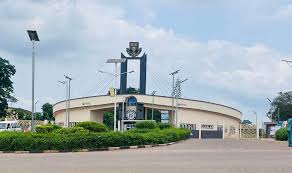
OAU Queries Law Firm Over Use Of Outdated NBA Seal In Post-UTME Suit

The Legal Unit of Obafemi Awolowo University (OAU), Ile-Ife, has faulted a law firm that issued a pre-action notice against the institution over alleged irregularities in its Post-UTME exercise, citing the use of an outdated Nigerian Bar Association (NBA) seal.

In an official response dated October 4, 2025, the university noted that the letter from the Enugu-based law firm, F.K. Nnadi & Co., was affixed with a 2024 NBA seal, indicating that the firm’s principal, Kene Nnadi, had not renewed his practising licence for 2025.

The university, through its Director of Legal Services, Yinka Ayantola, urged the lawyer to regularise his professional status before proceeding with any legal action against the institution.

“It is our observation that the seal you affixed to your letter under reference is your 2024 seal. As you are aware, you have a duty to pay your practising fee for 2025 to enable you to write as a lawyer,” the letter read in part.

“It is therefore our request that you establish your right to practice for the year as required by the relevant regulations. I have the instructions of the University to request you to do the needful,” the statement added.

The pre-action notice from Nnadi’s law firm reportedly alleged procedural irregularities in OAU’s Post-UTME process, but the university’s response focused on the lawyer’s compliance with professional ethics before addressing the substance of the claims.

Legal practitioners are required by the Rules of Professional Conduct and the NBA Act to renew their practicing licenses annually and to affix the corresponding year’s seal on all official documents.

FG To Commence Nationwide Civil Service Verification October 16

The Federal Government has announced plans to begin a comprehensive verification of personnel records across the civil service from October 16 to November 14, 2025.

The exercise, to be conducted under the supervision of the Office of the Head of the Civil Service of the Federation (OHCSF), will be implemented in partnership with Philips Consulting and other human resource firms.

According to an internal memo signed by the Head of the Civil Service of the Federation, Dr Didi Walson-Jack, and obtained by our correspondent in Abuja on Monday, the exercise is designed to update personnel records, identify skills gaps, and strengthen ongoing workforce reforms within the public service.

The statement, titled “Verification Exercise,” explained that the nationwide activity would cover all ministries, departments, and agencies, including federal offices located outside the country.

“The Office of the Head of the Civil Service of the Federation announces the commencement of a comprehensive verification exercise across the federal civil service,” the memo stated.

“Conducted in partnership with Philips Consulting and other human resources firms, this exercise will verify and update personnel records, identify skills and capacity gaps, and support workforce planning and reforms.

“All civil servants are expected to fully cooperate by presenting themselves for verification and providing accurate information as required,” it added.

The initiative aligns with President Bola Tinubu’s directive for a full-scale Personnel and Salary System Governance Audit across the federal service — a measure aimed at improving efficiency, accountability, and professionalism in government operations.

Dr Walson-Jack described the verification as a key component of the Federal Civil Service Strategy and Implementation Plan (FCSSIP) 2021–2025, stressing that it would enable the government to build a credible and verifiable personnel database.

“This project will provide us with what we have long needed — a reliable database that captures not only numbers, but also skills, competencies, and workforce distribution across ministries, departments, and agencies,” she said.

She further noted that data generated from the exercise would drive evidence-based planning, targeted training, and transparent succession management.

“With this initiative, we can channel capacity-building efforts where they are most needed and prepare effectively for the next generation of civil servants,” Walson-Jack added.

The outcome of the verification is expected to guide future decisions on recruitment, promotions, postings, and training within the federal civil service, marking another milestone in the government’s broader reform agenda.

Senator Natasha Akpoti-Uduaghan Set To Resume At Senate After Six-Month Suspension

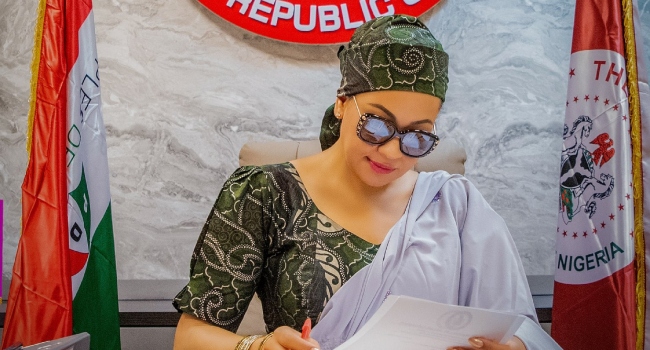
After serving her six-month suspension, the Senator representing Kogi Central, Natasha Akpoti-Uduaghan, is expected to resume legislative duties at the National Assembly today (Tuesday), alongside other lawmakers.

Her lawyer, Victor Giwa, confirmed the development in an interview with The PUNCH, assuring that the embattled lawmaker would return to plenary without further obstruction.

The Senate had earlier postponed its resumption from September 23 to October 7, 2025, extending its annual recess by two weeks and delaying deliberations on several pending national matters.

Giwa, who cautioned the Senate against any attempt to block his client’s return, maintained that Akpoti-Uduaghan had duly served her suspension and was constitutionally entitled to resume plenary participation.

He said, “Our client should simply go back to work on Tuesday. Anything contrary is just an opinion. As Femi Falana rightly said, the Senate cannot turn itself into an institution that legalises illegality. The National Assembly is a creation of law, and its actions must be governed by law, not by the whims of its leadership.”

He further warned that any move to prevent her from resuming would amount to defying the Senate’s own resolution and could plunge the chamber into chaos.

“She has served the full term of her suspension. Any ongoing legal process is only to determine whether the initial action was valid, not to hinder her return. Denying her access now would contradict the Senate’s own decision and promote disorder,” Giwa added.

Akpoti-Uduaghan, who has consistently criticised her suspension as unjust, had earlier regained access to her office—Suite 2.05 in the Senate Wing—after it was unsealed by the Deputy Director of the National Assembly Sergeant-at-Arms, Alabi Adedeji.

Speaking shortly after regaining access, the senator described Senate President Godswill Akpabio as a “dictator,” insisting she had no apology to offer.

“It’s amazing how much we’ve endured in the past six months—from the unjust suspension to the recall. But we survived it all. Sometimes institutions must be tested. No one is more Nigerian than another. Senator Akpabio is not more of a senator than I am. It’s unfortunate to see the National Assembly run by such authoritarian tendencies,” she stated.

Akpoti-Uduaghan was suspended on March 6, 2025, for alleged misconduct following her protest over the reassignment of her seat by the Senate President on February 20. Although her suspension officially ended in September, procedural hurdles and leadership resistance delayed her return.

As the National Assembly reconvenes today, public attention is fixed on the Senate chamber to see whether the Kogi Central lawmaker will be allowed to resume plenary or face further confrontation from the leadership.

Efforts to reach Senate spokesperson Yemi Adaramodu and the media aide to the Senate President for comments were unsuccessful as calls and messages went unanswered.

Dollar To Naira Exchange Rate For 7th October 2025

Dollar To Naira Exchange Rate For 8th Dec 2023

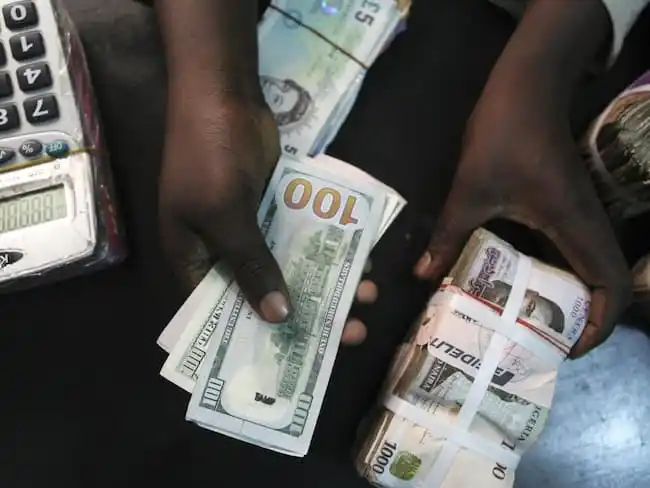
The exchange rate between the Naira and the US dollar, according to the data released on the FMDQ Security Exchange, the official forex trading portal, showed that the naira closed at 1455.00 per $1 on Tuesday, October 7th , 2025. The naira traded as high as 1464.00 to the dollar at the investors and exporters (I&E) window on Monday.

How much is a dollar to naira today in the black market?

Dollar to naira exchange rate today black market (Aboki dollar rate):

The exchange rate for a dollar to naira at Lagos Parallel Market (Black Market) players sell a dollar for ₦1470 and buy at ₦1455 on Monday 6th October, 2025, according to sources at Bureau De Change (BDC).

Please note that the Central Bank of Nigeria (CBN) does not recognize the parallel market (black market), as it has directed individuals who want to engage in Forex to approach their respective banks.

Dollar to Naira Black Market Rate Today

Dollar to Naira (USD to NGN)Black Market Exchange Rate Today
Selling Rate₦1470
Buying Rate₦1455

Dollar to Naira CBN Rate Today

Dollar to Naira (USD to NGN)CBN Rate Today
Highest Rate₦1475
Lowest Rate₦1464

Please note that the rates you buy or sell forex may be different from what is captured in this article because prices vary.

Euro Slips Below $1.17 As France Faces Political Deadlock After PM Resignation

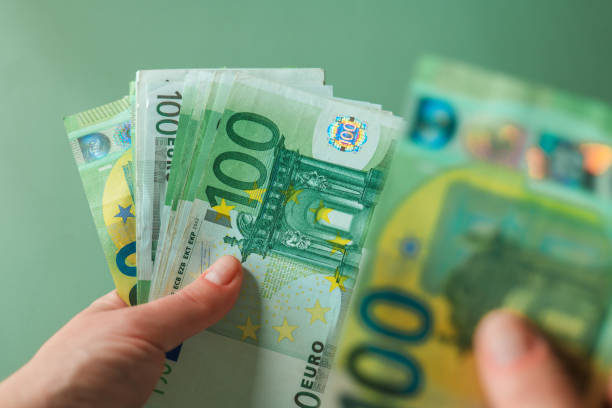
salary of a woman. euro banknotes in hands on a green background. Income of women in European countries

The euro tumbled by more than 0.5% on Monday, slipping below $1.167 — its lowest level since September — as markets reacted to renewed political instability in France following Prime Minister Sébastien Lecornu’s resignation.

Lecornu stepped down shortly after President Emmanuel Macron unveiled a largely unchanged cabinet, a move that triggered backlash from opposition parties. The resignation further complicates Macron’s efforts to maintain political control amid an increasingly divided parliament.

Lecornu, who had been appointed just weeks earlier, faced the daunting challenge of pushing through a 2026 fiscal plan that includes spending cuts and tax increases to rein in France’s ballooning deficit — currently the largest in the eurozone.

The French presidency confirmed that Macron accepted Lecornu’s resignation hours after announcing the new cabinet lineup. Analysts say the abrupt exit deepens France’s political uncertainty and adds downward pressure on the euro.

Macron’s decision to retain much of his previous cabinet sparked discontent across the political spectrum, with critics accusing him of ignoring calls for broader reform.

Lecornu’s departure mirrors the fate of his two predecessors — François Bayrou and Michel Barnier — both of whom were ousted by parliament in disputes over budgetary austerity measures.

France’s public debt has now climbed to a record level, making its debt-to-GDP ratio the third-highest in the European Union, after Greece and Italy. The ratio stands at nearly twice the EU’s permitted threshold of 60%.

In recent years, French governments have bypassed parliamentary votes to pass annual budgets using constitutional powers — a controversial but legal move condemned by opposition lawmakers. Lecornu, however, had pledged to restore parliamentary voting on the fiscal plan before stepping down.

France has struggled to maintain political stability since Macron’s risky decision to hold snap parliamentary elections last year, a move intended to consolidate his coalition but which instead left it in a minority.

The ongoing impasse now threatens to undermine France’s fiscal credibility and investor confidence, further weighing on the euro’s value in global currency markets.

Naira Weakens To ₦1,475/$ As Dollar Demand Surges In Nigeria’s FX Market

Federation Account Amasses Over ₦5trn In 6months- RMAFC

The Nigerian naira continued to lose ground against the US dollar, falling to ₦1,475 per dollar at the Nigerian Foreign Exchange Market (NFEM), as mounting dollar demand tightened pressure on the local currency.

The latest figures show that the naira has depreciated by ₦15 over the past two trading sessions, a development linked to the absence of foreign exchange (FX) interventions by the Central Bank of Nigeria (CBN).

According to data from the CBN, the exchange rate closed at ₦1,470.26 per dollar on Monday, weaker than the ₦1,465.67 recorded at the close of trading last week.

Market analysts say that rising demand for dollars by eligible forex users has outpaced liquidity in the official window, leading to intraday volatility. The official FX spot rate reached an intraday high of ₦1,475.50 before settling at ₦1,470.84 per dollar by market close.

Traders confirmed that the CBN did not sell US dollars to authorised dealers and commercial banks during the session. This shortfall, combined with carryover demand from the previous week, has intensified downward pressure on the naira.

A research note from Coronation Merchant Bank highlighted that overall activity levels at the NFEM moderated slightly last week. The bank reported that total FX inflows declined to $835.6 million from $1.18 billion in the previous week.

Breakdown of inflows revealed that foreign portfolio investors (FPIs) remained dominant, contributing $259.11 million — about 30% of total inflows. Exporters followed with 20.3%, while foreign direct investments (FDI) accounted for 19.9%. Contributions from non-bank corporates stood at 8.9%, the CBN supplied 14.89%, and other sources made up 12.2%.

Despite recent depreciation, the naira recorded gains across both the official and parallel markets last week, supported by CBN interventions and a boost in foreign inflows. At the NFEM, the currency appreciated by 1.02% week-on-week to close at ₦1,465.68 per dollar, while in the parallel market, it strengthened by 2.75% to ₦1,455 per dollar.

Consequently, the gap between the two markets narrowed to ₦10.68 — a premium of 0.73% in favour of the official market — from ₦14.34 a week earlier. Analysts attributed this convergence to reduced speculative trading and a slowdown in seasonal dollar demand typically seen before school resumption and post-summer travel.

Experts anticipate that the naira may sustain its stability this week if foreign inflows remain steady and the CBN continues its intervention efforts. However, they warned that both local and global macroeconomic shocks could still pose downside risks.

BizWatchNigeria.Ng
Privacy Overview

This website uses cookies so that we can provide you with the best user experience possible. Cookie information is stored in your browser and performs functions such as recognising you when you return to our website and helping our team to understand which sections of the website you find most interesting and useful.