









Home Blog Page 46

ChatGPT Will Now Cost More For Nigerians — Here’s Why

ChatGPT Demand On Google Hits A Record High As China Dominates Interest

If you’re one of the many Nigerians using ChatGPT for work, study, or creativity, you might want to check your billing email. OpenAI, the company behind the world’s most popular AI chatbot, has quietly announced that its paid users in Nigeria will soon be charged more.

No, the company didn’t raise prices — the Nigerian government did. Starting November 1, 2025, OpenAI will begin collecting 7.5% Value Added Tax (VAT) from Nigerian users subscribed to ChatGPT Plus, its premium plan. That means the familiar $20 monthly bill (roughly ₦31,500) will now rise to about ₦33,862.50. It’s not a massive jump, but it’s enough to make users pause and think: “Wait — we’re taxing AI now?”

What’s Really Changing

OpenAI sent out notification emails to Nigerian subscribers in early October, explaining that VAT would now apply to all billable products and asking users to update their billing details — including their Tax Identification Number (TIN).

If this feels familiar, that’s because it is. Netflix, Apple, Google, Amazon, and Meta (yes, Facebook and Instagram’s parent company) have all introduced VAT charges for Nigerian users in recent years. In other words, OpenAI is simply joining the queue of global tech companies adapting to Nigeria’s evolving digital tax framework.

And honestly, this move was inevitable. As Nigeria’s economy becomes increasingly digital, tax regulators want a slice of the revenue flowing out of the country through foreign tech subscriptions.

So, Why Tax AI?

You might wonder — why would anyone tax a chatbot? It doesn’t sell movies or phones or deliver food. But under Nigerian law, digital services are now treated just like physical goods.

The Value Added Tax (Amendment) Act of 2020 extended VAT collection to “electronic, digital, and remote services.” Section 10 makes it clear that if a company outside Nigeria provides paid digital services used in Nigeria, it must collect VAT on behalf of the Federal Inland Revenue Service (FIRS). It’s not personal — it’s policy.

From a policy standpoint, the logic makes sense. Local Nigerian businesses already pay VAT on sales, while international platforms often didn’t. That imbalance meant foreign firms could undercut local ones. By enforcing VAT collection on platforms like ChatGPT, the government aims to level the playing field.

There’s also a global context here. Countries from the UK to Kenya have started taxing foreign digital platforms. As the digital economy expands, governments are trying to capture lost tax revenue — and Nigeria, with one of Africa’s largest tech user bases, isn’t sitting this one out.

How It Affects Users in Nigeria

Let’s be clear: free ChatGPT users won’t feel a thing. The free version stays exactly as it is — no charges, no taxes. But if you’re on ChatGPT Plus, you’ll start noticing the slightly higher bill in your next renewal cycle. For many Nigerians — freelancers, content creators, coders, and students — ChatGPT has quietly become an essential work companion.

So, an extra ₦2,300 a month might sting a little. Still, there’s a silver lining. Paying VAT also means OpenAI will issue more transparent, tax-compliant invoices. That’s great news for registered businesses and freelancers who need proper receipts for accounting or tax deductions. So while the cost increases, the process becomes cleaner.

A Small Change With a Bigger Meaning

At first glance, this may look like just another tax. But step back a bit — it’s actually a glimpse into how Nigeria’s economy is adapting to a digital-first world.

For years, global tech companies earned millions in Nigeria without directly contributing to public revenue. Now, the FIRS wants its share — and honestly, it’s not an unreasonable demand. If people use a product here, why shouldn’t the government earn from it?

There’s also the symbolism. Taxing something as intangible as AI signals that Nigeria’s tax system is maturing. It’s not just about oil or imported goods anymore; it’s about digital tools, software, and the online services that shape our daily lives.

And while no one enjoys paying more, these small policy changes often lay the groundwork for larger economic reforms. Who knows — maybe someday, those extra few naira will fund better digital infrastructure or education. (We can hope, right?)

What You Should Do Now

If you’re already a ChatGPT Plus subscriber, here’s what’s worth noting:

  • You don’t need to resubscribe. VAT will be automatically added to your next payment.
  • Check your billing email for the updated invoice breakdown.
  • Add your TIN (if you have one) in your OpenAI billing settings for proper record-keeping.
  • VAT applies from November 1, 2025 — not before.

For casual users, this is a good time to reflect on whether the Plus plan truly fits your needs. The premium tier offers faster performance, access to GPT-4, and priority use during peak hours. But if you only use ChatGPT for the occasional email draft or creative prompt, the free version might still serve you just fine.

Zooming Out: What This Means for the Future

Beyond the numbers, this move tells a broader story. It’s about how the lines between technology, economics, and governance are blurring. AI is no longer just a buzzword — it’s infrastructure. And like all infrastructure, it’s entering the realm of regulation, taxation, and public accountability.

For professionals and businesses, this shift is a reminder: as the digital economy expands, compliance will matter more than ever. Whether you’re a startup using foreign software tools or a freelancer billing international clients, taxes are now part of the conversation.

And for the average user, it’s one more sign that AI isn’t some faraway concept anymore. It’s here, it’s taxable, and it’s shaping the way we live and work in Nigeria. So yes, your ChatGPT subscription just got a little pricier — but it also just became a little more “real.”
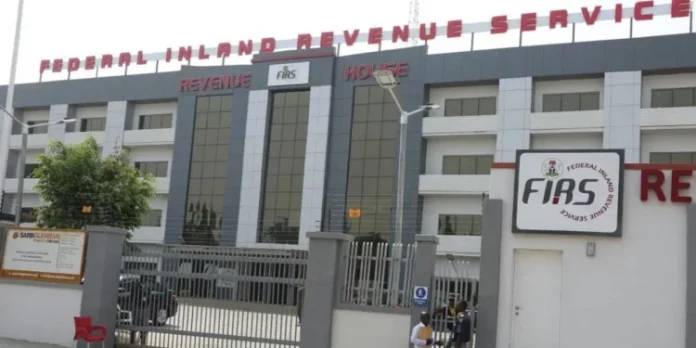
FIRS Introduces 10% Withholding Tax On Interest From Short-Term Investments

The Federal Inland Revenue Service (FIRS) has directed banks, stockbrokers, and other financial institutions to begin deducting a 10 per cent withholding tax (WHT) on interest earned from short-term securities, signalling a major policy shift aimed at broadening Nigeria’s tax base.

According to a circular released by the agency, the new measure applies to treasury bills, corporate bonds, promissory notes, and bills of exchange, with the tax to be deducted at the point of payment. This replaces the previous exemption regime designed to stimulate investor participation in Nigeria’s financial markets.

Scope and Exemptions

While the directive affects a wide range of short-term investment instruments, interest earned on Federal Government bonds will remain exempt from the tax.

FIRS clarified that investors will be granted tax credits for the amounts withheld, except in cases where the deduction constitutes a final tax. The new policy is expected to alter investor appetite, particularly among those drawn to short-term instruments for their liquidity and competitive returns.

Compliance and Enforcement

FIRS Executive Chairman, Zacch Adedeji, emphasised the importance of strict compliance, warning that defaulters would face penalties in line with tax laws.

“All relevant interest-payers are required to comply with this circular to avoid penalties and interest as stipulated in the tax law,” Adedeji stated.

The circular, which was addressed to banks, discount houses, stockbrokers, corporate bond issuers, primary dealer market makers, financial institutions, and government agencies, reinforces provisions under Sections 78(1) and 81(1) of the Companies Income Tax Act (CITA), as amended, as well as the 2024 Withholding Tax Regulations.

FIRS, however, did not provide projections for the expected revenue inflow from the policy.

Understanding Withholding Tax

Withholding tax is a form of advance tax deducted at source from specific payments to individuals or companies. The payer is responsible for remitting the deducted amount to the tax authority on behalf of the recipient.

According to FIRS, the applicable WHT rates are as follows:

Rents on properties – 10%

Dividends or company profits – 10%

Interest on bank deposits or securities – 10%

Royalties – 5%

The agency noted that the new measure aligns with its broader objective of improving compliance, strengthening domestic revenue mobilisation, and ensuring fairness in the tax system.

Investor Reactions and Implications

Analysts say the introduction of the 10% withholding tax could reshape Nigeria’s short-term investment landscape, potentially affecting demand for instruments such as treasury bills and corporate notes.

Market watchers, however, note that the move could also help diversify government revenue sources amid fiscal pressures, while encouraging more sustainable investment behaviours among market participants.

The directive underscores FIRS’s continuing drive to enhance tax transparency and accountability, while ensuring that both corporate and individual taxpayers meet their statutory obligations under Nigeria’s evolving fiscal framework.

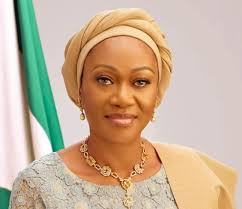
First Lady Reaffirms Nigeria’s Commitment To Ending Tuberculosis By 2030

Nigeria’s First Lady, Senator Oluremi Tinubu, has reaffirmed the nation’s determination to eliminate tuberculosis (TB) by 2030, emphasising that the sustainability of Nigeria’s TB response must be anchored on domestic capacity rather than external assistance.

Speaking as the Special Guest of Honour at the 39th Stop TB Partnership Board Meeting held in Manila, the Philippines, Mrs Tinubu said the Federal Government is intensifying efforts to reduce donor dependence, strengthen health systems, and ensure that progress toward ending TB remains on track despite global challenges.

Addressing more than 180 delegates from 47 countries, the First Lady noted that Nigeria has maintained strong performance in its TB response despite temporary reductions in donor support.

“In 2025, Nigeria recorded no decline in the number of people diagnosed and treated for tuberculosis. This stands as a testament to the power of country ownership and the unwavering commitment of Nigerians driving this response forward, even in the face of uncertainty,” she stated.

Mrs Tinubu highlighted that sustained leadership, community engagement, and coordinated national efforts remain central to Nigeria’s TB control strategy. She stressed that the fight against TB must begin at the grassroots level, as the disease continues to pose a global public health threat.

“Tuberculosis remains the world’s deadliest infectious disease and a threat to everyone because it is airborne. It claims about 1.3 million lives every year,” she said.

The First Lady expressed concern that Nigeria is among the eight countries responsible for two-thirds of global TB cases, with an estimated 479,000 Nigerians developing the disease and over 150,000 dying from it in 2023.

“These are not just statistics, they represent mothers, fathers, sons, and daughters whose lives compel us to act with urgency and compassion,” she added.

Mrs Tinubu, who serves as both a Global and National Stop TB Champion, commended the Federal Ministry of Health and Social Welfare, the Stop TB Partnership, and other stakeholders for expanding access to testing, diagnosis, and treatment, as well as integrating TB services into primary healthcare systems nationwide.

The Chair of the Stop TB Partnership Board and Secretary of Health of the Philippines, Teodoro Herbosa, also addressed the forum, describing TB as not only a public health issue but a major development challenge. He called for greater use of artificial intelligence and digital technologies in TB detection and treatment.

“The digital transformation of TB care must be pursued and sustained,” Herbosa urged.

In her remarks, the Executive Director of the Stop TB Partnership, Dr Lucica Ditiu, underscored the importance of robust data systems and domestic ownership in achieving global TB elimination goals.

She revealed that within just two months, across five countries, newly deployed grant facilities enabled screening for 8,000 people, diagnosis of 5,000, and preventive treatment for 3,000.

Dr Ditiu stressed that stronger political commitment, resilient health systems, and the active engagement of civil society, communities, and TB survivors are vital to sustaining progress.

Also present at the event was Nigeria’s Coordinating Minister of Health and Social Welfare, Professor Muhammad Ali Pate, who reaffirmed the country’s dedication to building on recent gains and mobilising domestic resources for TB control.

The 38th edition of the Stop TB Partnership Board Meeting was previously hosted by Nigeria in Abuja in 2024.

EU, FG To Convene High-Level Health Investment Forum To Boost Local Manufacturing

The European Union (EU) Delegation to Nigeria and ECOWAS, in collaboration with the Presidential Initiative for Unlocking the Healthcare Value Chain (PVAC) and the National Institute for Pharmaceutical Research and Development (NIPRD), is set to host a high-level Nigeria–EU Health Investment Forum on October 30, 2025.

Themed “Made in Nigeria. Made for Health,” the forum aims to accelerate industrialisation, strengthen regulatory frameworks, and catalyse sustainable investments in Nigeria’s healthcare and pharmaceutical sectors. The event will take place at the Bola Ahmed Tinubu International Conference Centre in Abuja.

According to the organisers, the forum will bring together senior government officials, private sector leaders, development partners, and investors to explore strategies that will enhance local manufacturing, boost healthcare delivery, and promote Nigeria’s role as a regional hub for pharmaceutical innovation.

EU Ambassador to Nigeria and ECOWAS, Gautier Mignot, described the initiative as a milestone in advancing health sovereignty and local production across West Africa.

“This forum brings together government, industry, research, and investors to turn ambition into action for health sovereignty and local production. Through the Global Gateway, the EU and Team Europe are investing in people, systems, and innovation to transform how health products are made, distributed, and accessed across Nigeria and the ECOWAS region,” Mignot stated.

He reaffirmed the EU’s commitment to building a healthier and more self-reliant Africa, adding that the forum would serve as a platform to formalise new partnerships, foster sustainable investments, and strengthen Nigeria’s health security.

Director-General of NIPRD, Dr Obi Adigwe, said the forum underscores Nigeria’s readiness to lead Africa’s health manufacturing revolution.

“It will connect policy, innovation, and investment while showcasing NIPRD’s role in promoting evidence-based research that supports local pharmaceutical production. Our vision is to make ‘Made in Nigeria, Made for Health’ a reality with lasting impact across the country and the continent,” Adigwe said.

He added that the collaboration between the EU, PVAC, and NIPRD would transform Nigeria’s research outcomes into viable industrial solutions, ensuring equitable access to safe, affordable, and high-quality medicines.

The National Coordinator of PVAC, Dr Abdu Mukhtar, also highlighted the initiative as a major step toward unlocking private sector participation in the healthcare value chain.

“Through this collaboration with the EU and NIPRD, we are creating the conditions for large-scale private investment, expanding domestic manufacturing, and harnessing the economic potential of Nigeria’s health sector. This initiative will drive growth, innovation, and employment,” Mukhtar stated.

During the forum, participants are expected to sign key agreements under the Team Europe Initiative on Manufacturing and Access to Vaccines, Medicines, and Health Technologies in Africa (MAV+), as well as a regional accord to be implemented by the West Africa Health Organisation (WAHO) under the Team Europe Sexual and Reproductive Health and Rights (SRHR) Flagship.

These agreements will seek to harmonise SRHR policies, expand access to essential health products, and strengthen accountability mechanisms across West Africa.

In addition, PVAC, Bayer AG, and Chromedix Pharmaceuticals Ltd. are expected to announce a strategic partnership aimed at positioning Nigeria as a continental centre for pharmaceutical manufacturing, innovation, and health sovereignty.

The one-day event will feature high-level policy showcases, deal-signing sessions, and panel discussions centred on sustainability, resilience, and equitable access to healthcare — reinforcing Nigeria’s commitment to building a stronger and more self-reliant health system.

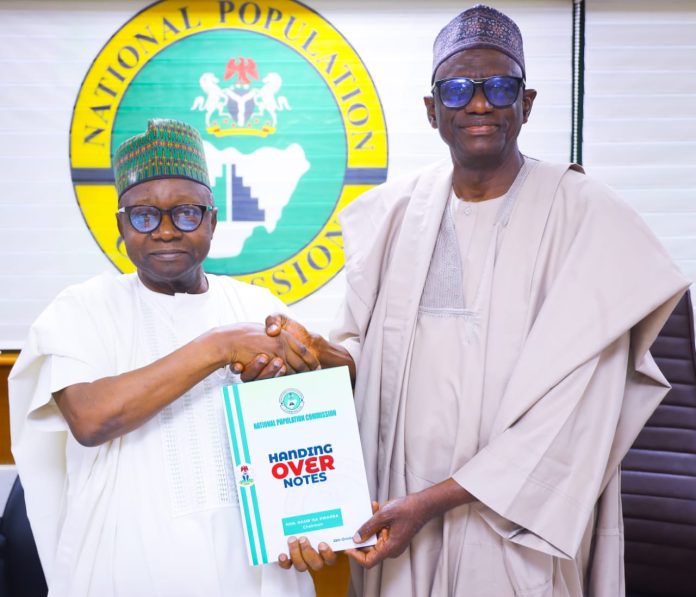
NPC Chairman Bows Out After Five Years, Dattijo Takes Over In Acting Capacity

The Chairman of the National Population Commission (NPC), Hon. Nasir Isa Kwarra, has formally concluded his five-year tenure, handing over the leadership of the Commission to the Federal Commissioner representing Niger State, Muhammad Dattijo, who will serve in an acting capacity pending the swearing-in of the substantive Chairman, Hon. Aminu Yusuf, by President Bola Tinubu.

The brief but symbolic handover ceremony, held on Tuesday at the NPC Headquarters in Abuja, was attended by Federal Commissioners, the Director-General, Directors, and staff of the Commission.

In a statement issued by the Commission on Wednesday, Kwarra expressed gratitude to the management and staff for their cooperation and support throughout his tenure.

The statement read in part, “Hon. Kwarra expressed appreciation to the Federal Commissioners, Management, and Staff of the NPC for their unwavering support and dedication throughout his five-year tenure. He highlighted the Commission’s progress in strengthening data collection systems, digitising the Civil Registration and Vital Statistics (CRVS) system, and advancing preparations for the forthcoming National Population and Housing Census.”

Kwarra attributed the Commission’s achievements to teamwork, professionalism, and a shared commitment to national development.

The event featured tributes, emotional farewells, the signing of official handover notes, and a presentation of a farewell gift to the outgoing Chairman.

Appointed in 2020 by former President Muhammadu Buhari, Kwarra’s leadership coincided with one of the most critical phases in the Commission’s history — the build-up to Nigeria’s first population and housing census in nearly two decades. The last national census was conducted in 2006.

During his tenure, the Commission recorded significant milestones in digital mapping and enumeration area demarcation, introducing technological innovations aimed at modernising census operations and enhancing data accuracy.

Although the census initially scheduled for 2023 was postponed due to the transition of government, stakeholders have expressed optimism that the incoming substantive Chairman will consolidate on the gains recorded and steer the Commission toward completing the long-awaited national census,  a vital exercise for evidence-based planning and equitable development across Nigeria.

Euro Strengthens To $1.1653 As Dollar Weakens Ahead Of Expected Fed Rate Cut

salary of a woman. euro banknotes in hands on a green background. Income of women in European countries

The euro continued its upward momentum against the US dollar on Wednesday, climbing to $1.1653 as traders increased bets on an imminent rate cut from the US Federal Reserve.

The EUR/USD pair rose for the fifth consecutive session, marking its longest rally in several months. Although the pair briefly surpassed $1.1665, it struggled to maintain the momentum, hovering just below that level as dollar selling intensified across global markets.

The US dollar traded mixed against major G10 currencies as investors reacted to cautious remarks from Japanese officials regarding exchange rate movements. The greenback’s recent retreat followed a weeklong rally against the yen, which ended after a positive meeting between US President Donald Trump and Japan’s Prime Minister Takaichi.

European traders are now anticipating the European Central Bank’s (ECB) upcoming rate decision, along with Germany’s flash inflation report, third-quarter GDP data, and labor market figures scheduled for October 30.

Elsewhere, GBP/USD traded lower, approaching 1.3250 as investors awaited the Bank of England’s consumer credit data and financial statistics. The USD/JPY pair fell to multi-day lows of 151.70, while Japan’s consumer confidence report is expected to provide further direction.

In commodities, West Texas Intermediate (WTI) crude slipped below $60 per barrel, and gold prices retreated to a four-week low near $3,870 per ounce, with silver making a mild recovery from five-week lows.

Market analysts widely expect the Federal Reserve to cut interest rates by 25 basis points after weaker-than-expected September Non-Farm Payrolls data, which showed job growth of only 95,000. With core inflation now easing to 2.8%, the Fed appears justified in adopting a more dovish stance.

“This scenario mirrors the Fed’s 2019 policy pivot that triggered prolonged dollar weakness,” analysts at Marc to Market noted. They added that traders might consider positioning for further dollar declines, with potential breaks below the 98.50 support level on the US Dollar Index (DXY).

As the ECB decision approaches, implied volatility in EUR/USD options remains elevated, with the pair testing its 100-day moving average. Analysts believe the dollar’s softness could persist, while a dovish Fed tone may lend short-term support to precious metals.

Despite recent profit-taking, gold’s dip could present buying opportunities for long-term investors anticipating renewed upside once monetary policy eases further.

NUPRC Urges Bank Of America To Boost Investment In Nigeria’s Upstream Oil And Gas Sector

NUPRC Establishes Energy Transition Unit

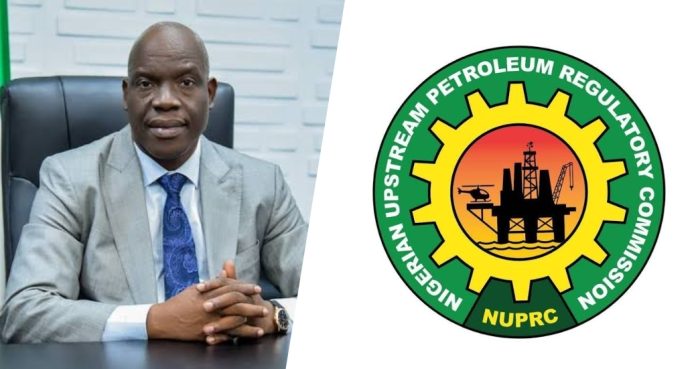
The Nigerian Upstream Petroleum Regulatory Commission (NUPRC) has appealed to the Bank of America to prioritize investments in Nigeria’s upstream oil and gas industry to drive growth, expand production, and strengthen the country’s energy capacity.

This call was made by the Commission Chief Executive, Mr. Gbenga Komolafe, during a strategic meeting in Abuja with Mr. Chuba Ezenwa, Managing Director and Head of Investment Banking for Sub-Saharan Africa at Bank of America.

According to a statement released on Tuesday by the Head of Media and Strategic Communications, Mr. Eniola Akinkuotu, Komolafe said the engagement aligns with Section 6(h) of the Petroleum Industry Act (PIA) 2021, which mandates the Commission to promote an enabling environment for upstream investment and enhance Nigerian content participation.

Komolafe emphasized that although Nigeria has recorded progress in oil production over the past year, funding remains a critical barrier to achieving optimal output.

“Nigeria possesses vast hydrocarbon resources, and our goal is to maximize production levels. However, adequate funding is essential to realize that vision. We are, therefore, exploring opportunities for collaboration with the Bank of America to support our expansion objectives,” Komolafe stated.

Responding, Ezenwa commended Komolafe’s leadership and noted that the recent rise in Nigeria’s crude output reflects the impact of NUPRC’s reforms and strategic initiatives.

“I am impressed by the Commission’s achievements, especially the improvement in production levels, which has renewed investor interest in Nigeria’s upstream sector. The Bank of America remains committed to supporting these efforts,” Ezenwa affirmed.

Komolafe reiterated that strengthening partnerships with global financial institutions such as the Bank of America is crucial for sustaining growth and ensuring Nigeria remains competitive in the global energy landscape.

Amazon Announces 14,000 Corporate Job Cuts Amid AI Restructuring Push

Amazon To Lay Off Over 18,000 Workers

Amazon has confirmed plans to cut approximately 14,000 jobs within its global corporate division as part of a strategic restructuring to streamline operations and capitalize on emerging opportunities in artificial intelligence (AI).

The e-commerce and cloud computing giant disclosed the move on Tuesday, emphasizing the need to become “leaner and more efficient” to accelerate innovation and adapt to rapid industry transformation driven by AI technology.

Beth Galetti, Amazon’s Senior Vice President, explained in a company-wide memo that the layoffs aim to strengthen the organization by redirecting resources toward its most promising initiatives. “We’re ensuring that we invest where it matters most — in the areas that will define the future for our customers and our business,” she said.

Galetti acknowledged the company’s recent strong performance — Amazon’s Q2 results surpassed Wall Street expectations with a 13% year-over-year increase in sales to $167.7 billion. However, she stressed that the restructuring is necessary because AI represents “the most transformative technology since the internet,” enabling faster innovation and operational agility.

“To stay ahead, we must operate more nimbly, with fewer layers and stronger ownership,” she added.

According to Amazon, employees affected by the layoffs will receive transition support, including severance packages and assistance in finding alternative roles within the company.

Amazon employs more than 1.5 million people globally, including around 350,000 in corporate roles. While the company did not specify how many UK-based employees would be affected, the cuts are expected to impact several regions.

The move continues a pattern of workforce reductions in Amazon’s corporate sector, following previous rounds in 2022 that saw about 27,000 employees laid off. The company, like many in the tech industry, had expanded aggressively during the pandemic to meet surging demand for e-commerce and digital services.

Since then, CEO Andy Jassy has prioritized cost optimization while investing heavily in AI-driven systems to enhance efficiency. Jassy earlier hinted that AI advancements would inevitably reshape Amazon’s workforce.

“We’ll need fewer people performing some existing tasks and more people working on emerging technologies,” he said in June.

Industry analysts have noted that the restructuring could influence other major technology firms. Ben Barringer, a technology analyst at Quilter Cheviot, remarked that “AI’s growing capabilities are leading to inevitable job displacement, particularly in software development,” and predicted that companies like Amazon would continue realigning their talent structures to stay competitive.

Amazon will release its quarterly financial results on Thursday, which investors will closely monitor for insight into the company’s next phase of AI integration and its long-term cost-saving strategy.

Dollar To Naira Exchange Rate For 29th October 2025

Dollar To Naira Exchange Rate For 8th Dec 2023

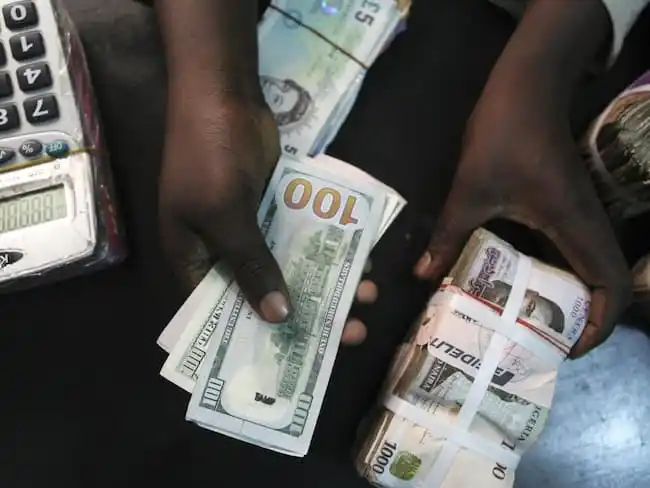
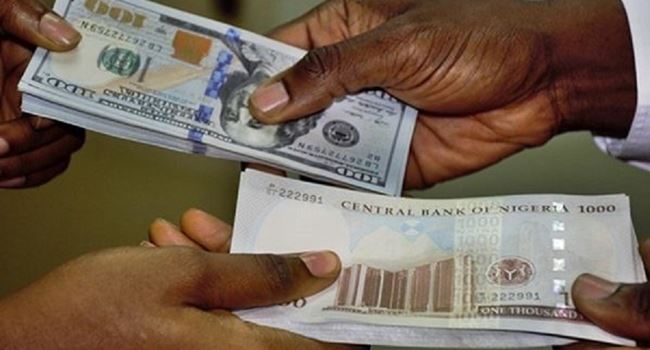
The exchange rate between the Naira and the US dollar, according to the data released on the FMDQ Security Exchange, the official forex trading portal, showed that the naira closed at 1480.00 per $1 on Wednesday, October 29th , 2025. The naira traded as high as 1445.00 to the dollar at the investors and exporters (I&E) window on Tuesday.

How much is a dollar to naira today in the black market?

Dollar to naira exchange rate today black market (Aboki dollar rate):

The exchange rate for a dollar to naira at Lagos Parallel Market (Black Market) players sell a dollar for ₦1495 and buy at ₦1480 on Tuesday 28th October, 2025, according to sources at Bureau De Change (BDC).

Please note that the Central Bank of Nigeria (CBN) does not recognize the parallel market (black market), as it has directed individuals who want to engage in Forex to approach their respective banks.

Dollar to Naira Black Market Rate Today

Dollar to Naira (USD to NGN)Black Market Exchange Rate Today
Selling Rate₦1495
Buying Rate₦1480

Dollar to Naira CBN Rate Today

Dollar to Naira (USD to NGN)CBN Rate Today
Highest Rate₦1456
Lowest Rate₦1445

Please note that the rates you buy or sell forex may be different from what is captured in this article because prices vary.

Naira Rises To ₦1,448/$ As Dollar Liquidity Boosts Market Confidence

Dollar To Naira Exchange Rate For 5th Dec 2023

Nigeria’s local currency appreciated further against the US dollar on Tuesday, supported by strong dollar supply and renewed investor confidence in the foreign exchange market.

Official data from the Central Bank of Nigeria (CBN) showed that the naira gained 67 basis points to close at ₦1,448.2050/$, compared to the previous session’s level. The exchange rate fluctuated between ₦1,445/$ and ₦1,456/$ before settling at ₦1,448/$ at the close of trading.

The appreciation comes as external reserves remain stable at $42.87 billion, even as the government prepares for additional foreign borrowing to strengthen fiscal buffers.

In the commodities market, oil prices continued to slide for a third straight session as traders assessed the potential impact of new US sanctions on Russia’s top oil producers and a possible OPEC+ output increase. Brent crude dropped by $0.54 to $64.36 per barrel, while West Texas Intermediate (WTI) fell by $1.23 to $60.08 per barrel.

Gold prices also dipped, falling to a three-week low as optimism around US-China trade talks eroded its safe-haven appeal. Spot gold slid by 1.09% to $3,954.91 per ounce, while US gold futures fell by 1.06% to $3,970.24 per ounce.

According to AIICO Capital, “Market sentiment remains cautious, with oil prices under pressure from oversupply expectations while gold may see modest recovery amid potential US interest rate cuts.”

Federal Government Urges States To Take Charge Of Power Generation And Distribution

The Federal Government has called on Nigeria’s 36 states to assume greater responsibility for power generation, transmission, and distribution, as part of efforts to resolve the nation’s persistent electricity crisis.

Speaking at the Nigeria Energy Leadership Summit in Lagos, Minister of Power Adebayo Adelabu said the Electricity Act 2023 has paved the way for states to create their own power markets and regulatory systems, ending decades of over-centralisation in the energy sector.

“Centralised power management cannot work for a country as vast as Nigeria,” Adelabu said. “The 2023 Act devolves regulatory powers to the states, enables subnational markets, promotes competition, and invites private sector participation across the value chain.”

Adelabu explained that the new framework empowers state governments to establish electricity generation and distribution companies while collaborating with private investors. He noted that 15 states have already secured regulatory autonomy, with Enugu State becoming the first to fully operationalise its independent electricity market through the Enugu Electricity Regulatory Commission.

He urged other states to follow suit, emphasising that “no federal ministry can manage stable electricity from Abuja for every state.” He encouraged governors to challenge Distribution Companies (DisCos) and the Transmission Company of Nigeria (TCN) to improve grid performance and service delivery.

The minister also underscored the need for massive private sector investment, noting that government funding alone cannot sustain the power sector. “Education, health, defence, and aviation all compete for limited resources. The private sector must lead the transformation,” he said.

Adelabu added that the government’s reform agenda focuses on infrastructure upgrades, renewable energy integration, local content, and regulatory efficiency — all aimed at achieving reliable and affordable power across Nigeria.

At the summit, representatives of several states reaffirmed their readiness to participate. Enugu’s electricity regulator, Chijioke Okonkwo, said the state’s policies are investor-friendly and open to partnerships for mini-grid and off-grid projects. Lagos State’s Commissioner for Energy, Biodun Ogunleye, and Katsina Deputy Governor, Faruk Lawal-Jobe, also announced similar commitments.

Adelabu disclosed that the sector’s revenue rose by 70% to ₦1.7 trillion in 2024, with expectations to exceed ₦2 trillion in 2025, thanks to ongoing tariff reforms and private participation.

He pointed to international models such as South Africa’s $25 billion grid expansion plan as examples Nigeria could emulate. “Our fundamentals are improving, and we are open to partnerships that can unlock over 10GW of stranded capacity,” he said.

Analysts believe that if Nigerian states embrace their new regulatory powers, it could transform the energy landscape, decentralise grid dependence, and expand electricity access nationwide.

Nigerian States Projected To Earn Over ₦4 Trillion Annually From VAT Reform

2023: Nigeria Records ₦‎781.35bn VAT In Q2

Nigeria’s subnational governments could collectively earn over ₦4 trillion annually beginning in 2026, following the full implementation of the new Value Added Tax (VAT) reforms, according to Mr. Taiwo Oyedele, Chairman of the Presidential Fiscal Policy and Tax Reforms Committee.

Speaking at the launch of the BudgIT State of States 2025 Report in Abuja, Oyedele revealed that the revised VAT allocation formula would increase states’ share of the tax revenue to 55%, significantly boosting their fiscal autonomy.

“With the VAT reforms set to take effect in 2026, states’ earnings could exceed ₦4 trillion. The critical question is whether this revenue will be spent or invested productively,” Oyedele stated during his keynote address at the event, which marked BudgIT’s 10th anniversary.

He noted that while Nigeria’s recent reforms have doubled Federation Account Allocation Committee (FAAC) disbursements — from ₦5.4 trillion in 2023 to ₦11.4 trillion in 2024 — many households are yet to feel the benefits due to rising living costs. “States are earning more than ever, but ordinary Nigerians still have less disposable income,” he said.

The fiscal expert urged state governments to channel the new revenues into projects that deliver tangible social and economic benefits. The BudgIT report showed that 21 states still depend on federal allocations for over 70% of their total income, a situation Oyedele described as unsustainable.

However, some states have made impressive progress. Enugu achieved a 381% increase in internally generated revenue (IGR), while Bayelsa recorded a 174% rise. Oyedele noted that new tax measures — including the transfer of electronic money transfer levies to states and tax exemptions for state bonds — would reduce borrowing costs and strengthen fiscal resilience.

He added that capital expenditure has, for the first time in years, overtaken recurrent spending, although budget execution in critical sectors like education and health remains weak. “States spent less than ₦7,000 per person on education and ₦3,500 on health,” he said.

Meanwhile, Central Bank of Nigeria (CBN) Deputy Governor for Economic Policy, Dr. Muhammad Abdullahi, urged states to sustain fiscal discipline and transparency. He called for full digitisation of revenue systems, adoption of the Treasury Single Account (TSA), and improved budget implementation to achieve 80% or higher efficiency in health and education.

According to Abdullahi, Nigeria’s fiscal structure had been weighed down by multiple exchange rates, deficit financing through Ways and Means, and dwindling reserves. He assured that the CBN’s ongoing reforms aim to restore macroeconomic stability and encourage responsible state-level governance.

The BudgIT Co-founder, Oluseun Onigbinde, reaffirmed the report’s purpose as a “mirror of governance,” saying it helps states assess performance and improve transparency. “Transparency is now a competitive advantage among states,” he added.

Pound Slides As UK Confronts Widening Fiscal Pressures

The British pound extended its losses against the US dollar on Tuesday, dipping to $1.325, its weakest level in three months, amid renewed concerns over the United Kingdom’s fiscal outlook and expectations of a Bank of England (BoE) rate cut.

Market analysts said the decline was primarily driven by speculation that the BoE could begin monetary easing as early as next week. The GBP/USD exchange rate fell more than 0.5% after the Office for Budget Responsibility (OBR) hinted at plans to revise productivity forecasts downward — a move that could deepen the UK’s fiscal gap.

The sterling slipped below the 1.3300 mark for the first time since October, while traders looked ahead to the BoE’s policy meeting slated for November 6. Current market pricing reflects roughly a 68% probability of a 25 basis-point rate cut in December, according to overnight swaps data.

Although the pound’s weakness has persisted, expectations of a US Federal Reserve rate cut this week have limited further downside pressure. The CME FedWatch Tool now indicates a 70% chance of a Fed rate reduction following a weaker-than-expected US jobs report earlier this month.

Currency analysts note that the evolving fiscal and monetary landscape in both the UK and the US could set the stage for heightened volatility in the coming weeks. “Traders are eyeing opportunities through straddles or strangles on GBP/USD ahead of the Fed and BoE decisions,” an FX strategist said, recalling similar conditions during the UK’s fiscal turmoil in late 2022.

The OBR’s planned downgrade of productivity growth by 0.3 percentage points could open a £20 billion gap in public finances, compounding fiscal pressures already weighing on the economy.

Meanwhile, the US Dollar Index (DXY) weakened after the latest US Consumer Price Index (CPI) report came in softer than expected and following a preliminary trade agreement between the US and China. The DXY fell to a three-day low near 98.70, rebounding slightly above 99.00 before stabilising within a tight 15-tick range.

Despite near-term consolidation, analysts suggest that dollar positioning remains constructive. However, with both the BoE and the Fed on the cusp of rate cuts, FX markets could face another round of sharp re-pricing across major currencies.

Nigerian Stock Market Slumps As Profit-Taking Erases ₦91bn In Value

Stock Exchange Closes Trading Week With N30bn Gain

The Nigerian Exchange (NGX) closed on a bearish note on Tuesday as widespread profit-taking wiped off ₦91 billion from investors’ wealth, reflecting persistent weak sentiment in the equities market.

The overall market capitalisation of listed equities fell from ₦98.698 trillion to ₦98.607 trillion, representing a 0.09% decline. Similarly, the All-Share Index (ASI) dipped by 132.95 points to close at 155,363.20, compared to 155,496.15 points recorded on Monday.

The downturn was mainly attributed to sell-offs in McNicholas, Lasaco Assurance, Livestock Feeds, John Holt, Ikeja Hotel, and 31 other declining stocks, which dragged the market further into negative territory.

Market breadth remained negative, with 36 laggards outpacing 30 advancers. McNicholas led the losers’ chart with an 8.81% dip to close at ₦3 per share, followed by Lasaco Assurance, which declined by 8.62% to ₦2.65. Livestock Feeds and John Holt both shed 7.69%, closing at ₦7.20 and ₦6 respectively, while Ikeja Hotel lost 7.32% to settle at ₦19.

Conversely, Sovereign Trust Insurance topped the gainers’ chart, appreciating by 9.88% to ₦4.45, while Aso Savings rose by 9.72% to ₦0.79. Berger Paints increased by 9.25% to ₦42.50, Wapic Insurance climbed 6.90% to ₦3.10, and AIICO Insurance gained 6.13% to ₦3.98.

Despite improved turnover, trading activity was subdued as deals fell short of the previous session’s volume. Investors traded 525.4 million shares valued at ₦25.4 billion in 32,430 deals, compared to 503 million shares worth ₦24.9 billion across 39,972 deals on Monday.

Sovereign Trust Insurance emerged as the most actively traded stock, accounting for 42.6 million shares valued at ₦187.3 million. Fidelity Bank followed with 41.9 million shares worth ₦797.2 million, while FBN Holdings exchanged 37.7 million shares worth ₦1.19 billion. Zenith Bank and Stanbic IBTC also saw heavy trades, with 28.1 million shares worth ₦1.8 billion and 27.5 million shares valued at ₦3.03 billion respectively.

Naira Strengthens, Briefly Hits ₦1,445 Per Dollar At Official FX Window

Federation Account Amasses Over ₦5trn In 6months- RMAFC

The Nigerian naira strengthened further against the US dollar on Tuesday, buoyed by strong foreign inflows and reduced FX pressure in the official market.

According to updated market data, the naira appreciated by 0.32% to close at ₦1,448.21/$ at the Nigerian Foreign Exchange Market (NFEM), up from ₦1,452.79/$ the previous day. In the parallel market, the local currency also gained 0.03%, exchanging at ₦1,491/$, showing sustained demand for the naira across both official and informal segments.

Data from the Central Bank of Nigeria (CBN) revealed that the naira touched an intraday high of ₦1,456/$, while some transactions were executed as low as ₦1,445/$, reflecting improved dollar supply.

Analysts attribute the positive movement to increased FX inflows from foreign portfolio investors taking new positions in Nigerian assets. The supply side of the market recorded $1.37 billion in total inflows — a 25% rise week-on-week.

Nigeria’s oil sector has also contributed to the currency’s stability, as improved crude production boosts foreign exchange receipts and strengthens external reserves. The latest data shows that the country’s reserves remained steady at $42.865 billion as of Tuesday.

Money Market Rates Stable As Banks Channel ₦3.1trn To CBN Deposit Window

How Much Money Is Spent On Groceries In Nigeria, Other Countries?

Nigeria’s money market remained largely stable on Tuesday as commercial banks continued to channel excess liquidity into the Central Bank of Nigeria’s (CBN) Standing Deposit Facility (SDF).

The system’s surplus liquidity, which opened at ₦3.8 trillion, rose slightly by ₦21.6 billion from the previous level. The CBN’s SDF window saw a spike in placements to ₦3.1 trillion as banks sought to optimise returns amid subdued borrowing activity at the Standing Lending Facility (SLF).

According to market updates from AIICO Capital Limited, banks are earning 24.5% on deposits at the SDF, taking advantage of the prevailing liquidity glut. The report added that CBN’s cautious liquidity management helped keep money market rates below the 25% threshold.

The average interbank funding rates remained unchanged, with the Overnight Rate (OVN) at 24.86% and the Open Buy Back (OBB) rate steady at 24.50%. Market participants expect rates to stay around current levels unless new funding pressures emerge.

Treasury bills trading was mixed, with yields on 1-month and 3-month maturities rising by 34bps and 1bp, respectively, while 6-month and 12-month bills eased by 9bps and 4bps. Consequently, the average Nigerian Treasury Bill (NTB) yield edged down by one basis point to 17.40%, reflecting moderate investor optimism.

WAEC Debunks Claims Of Restricting Subjects For 2026 WASSCE Candidates

FG Prohibits SS1, SS2 Students From Sitting For WAEC, NECO, NABTEB

The West African Examinations Council (WAEC) has denied circulating reports suggesting that it has restricted students from choosing certain subjects for the 2026 West African Senior School Certificate Examination (WASSCE) for School Candidates.

In a statement released on Tuesday by the Acting Head of Public Affairs, Moyosola Adeshina, and signed on behalf of the Head of National Office, the Council dismissed the claims as “baseless and misleading.”

Recent social media reports had alleged that WAEC directed schools to limit students’ subject combinations for the forthcoming examination. However, the Council clarified that it issued no such instruction and urged schools, parents, and the general public to disregard the rumours.

“WAEC wishes to categorically distance itself from this unfounded assumption and the misinformation making rounds. The Council did not issue any directive restricting students to particular subjects for WASSCE 2026,” the statement read.

The examination body explained that it does not control or modify secondary school curricula, as such responsibilities lie with the Federal Government and relevant education authorities.

“The development and regulation of curricula in Nigeria fall within the jurisdiction of the Federal Government. WAEC only implements government-approved curricula through its assessments,” the statement clarified.

WAEC emphasised that any changes to the education curriculum would follow established procedures and be officially communicated to stakeholders through appropriate channels.

The Council, which conducts examinations across five West African countries—Nigeria, Ghana, Sierra Leone, The Gambia, and Liberia—reiterated its reputation for credibility, fairness, and transparency in student assessment since its establishment in 1952.

“Schools, stakeholders, and members of the public are advised to disregard the misleading reports and rely only on official communications from WAEC regarding guidelines for the 2026 WASSCE,” the Council advised.

Reaffirming its commitment to excellence and professionalism, WAEC assured that no candidate would be unfairly treated or disadvantaged in the upcoming examination cycle.

Week 18 Pool Result For Sat 1, Nov 2025, UK 2025/2026

Week 18 pool results 2025: Football pools results, live football pool result today, pool result today saturday matches, pool results for this week, british and aussie pool result, football pools results and fixtures, pools panel results today, pool panel results and live score pool result today. We publish half-time results first of its kind.

Week 18 Pool Results: Football pools results for this week 18 2025 are published on this website immediately after full-time confirmation of live score results. We also publish the outcome of postponed matches by the football pools panel at half-time as decided by the football pools. This week’s Week 18 Pool Results are made available in partnership with Bizwatch Nigeria.

WEEK: 18; SEASON: UK 2025/2026; DATE: 01-November-2025
Football Pools ResultsHTFTStatus
1BrightonLeeds Utd.-:--:-Saturday
2BurnleyArsenal-:--:-Saturday
3Crystal P.Brentford-:--:-Saturday
4FulhamWolves-:--:-Saturday
5LiverpoolAston Villa-:--:-LKO
6Man CityBournemouth-:--:-Sunday
7Nott’m For.Man United-:--:-Saturday
8TottenhamChelsea-:--:-LKO
9West HamNewcastle-:--:-Sunday
10BirminghamPortsmouth-:--:-Saturday
11CharltonSwansea-:--:-Saturday
12LeicesterBlackburn-:--:-EKO
13NorwichHull-:--:-EKO
14Oxford Utd.Millwall-:--:-Saturday
15Q.P.R.Ipswich-:--:-Saturday
16Sheff Utd.Derby-:--:-Saturday
17SouthamptonPreston-:--:-Saturday
18StokeBristol C.-:--:-Saturday
19WatfordMiddlesbro-:--:-Saturday
20West BromSheff Wed.-:--:-EKO
21A.WimbledonGateshead-:--:-Saturday
22BarnsleyYork-:--:-Saturday
23BlackpoolScunthorpe-:--:-Saturday
24BoltonHuddersfield-:--:-Saturday
25Boreham W.Crawley-:--:-Saturday
26BromleyBristol R.-:--:-Saturday
27CheltenhamBradford C.-:--:-Saturday
28ColchesterMilton K.D.-:--:-Saturday
29CreweDoncaster-:--:-Saturday
30EastleighWalsall-:--:-Sunday
31FleetwoodBarnet-:--:-Saturday
32MansfieldHarrogate-:--:-Saturday
33Newport Co.Gillingham-:--:-Saturday
34OldhamNorthampton-:--:-Saturday
35PeterboroCardiff-:--:-Saturday
36RotherhamSwindon-:--:-Saturday
37Salford C.Lincoln-:--:-Saturday
38StevenageChesterfield-:--:-Saturday
39TranmereStockport-:--:-Saturday
40WycombePlymouth-:--:-Saturday
41FalkirkKilmarnock-:--:-Saturday
42HeartsDundee-:--:-Saturday
43LivingstonHibernian-:--:-Saturday
44CelticRangers-:--:-Sunday
45MotherwellSt Mirren-:--:-LKO
46ArbroathRoss County-:--:-Saturday
47PartickQueens Pk-:--:-Saturday
48RaithMorton-:--:-Saturday
49St J’StoneAirdrie-:--:-Saturday

5G Device Boom Outpaces Network Rollout, Threatening Nigeria’s Digital Future

"MTN, Mafab To Roll Out 5G Services From August 24" - NCC

While 5G-enabled smartphones are flooding the Nigerian market, the infrastructure required to support them remains woefully inadequate a growing disconnect that experts warn could stall the country’s digital transformation ambitions.

Across major cities such as Lagos, Abuja, and Port Harcourt, consumers are embracing 5G-capable devices at an unprecedented rate. Global forecasts show 5G device sales are expected to rise by 13.2 percent in 2025, following a 16 percent jump recorded in 2024.

In the Middle East and Africa region, smartphone shipments grew by 3 percent year-on-year in the second quarter of 2025, buoyed by improving economic conditions and aggressive promotional campaigns. Affordable 5G-ready models from Xiaomi, Samsung, and other brands now account for nearly half of all new smartphone purchases in Nigeria.

However, this surge in device ownership contrasts sharply with the nation’s sluggish 5G infrastructure rollout. Only 12.7 percent of Nigeria’s mobile towers currently support 5G, with coverage limited to select urban areas, leaving vast rural regions — and even some state capitals — without access.

According to the Nigerian Communications Commission (NCC), 5G services presently reach less than 5 percent of the population, compared to 45 percent for 4G.

Growing Coverage Gaps

A joint NCC–Ookla report revealed glaring disparities in network accessibility. In Lagos, where over 41,000 5G-capable devices were detected, a 70.9 percent coverage gap means many users cannot connect to available networks. Abuja fares only slightly better, with a 65.6 percent gap affecting more than 16,000 users.

This limited access has far-reaching implications. Lagos, Africa’s largest city and a thriving tech hub, is losing potential productivity in sectors dependent on real-time data, digital commerce, and remote operations.

“Device adoption reflects confidence in 5G’s potential, but without robust network expansion, we’re creating a bottleneck,” said telecom analyst Jide Awe, warning that Nigeria risks falling behind peers like South Africa, where 5G coverage is more extensive despite similar economic challenges.

Cost Barriers and Infrastructure Deficits

While 5G phones have become relatively affordable, they remain out of reach for millions. MTN Nigeria CEO Karl Toriola highlighted affordability as a critical barrier, noting that 5G handsets cost between ₦120,000 ($75) and ₦2 million ($1,250)  unattainable for many of Nigeria’s 88.4 million citizens living in extreme poverty.

“The biggest barrier is the cost of handsets,” Toriola explained. “We are working with the Ministry of Communications to promote local smartphone assembly and support financing through our MoMo platform.”

Beyond affordability, operators are contending with massive operational challenges. The NCC disclosed that the industry faces 1,100 fibre cuts daily, 545 access denials, and 99 cases of generator and battery theft, severely disrupting network reliability.

Policy Reforms and Private-Sector Push

To address these challenges, the government approved a 50 percent telecom tariff adjustment in January 2025, unlocking over $1 billion in infrastructure investment for fibre backbone expansion and base station upgrades.

The NCC also signed a Memorandum of Understanding (MoU) with federal and state ministries to classify telecom infrastructure as Critical National Infrastructure (CNI) making fibre vandalism a criminal offence.

“Cutting fibre is now a criminal act, which will safeguard our investments,” said Airtel Nigeria CEO, Dinesh Balsingh.

Telecom operators are also adopting AI-driven solutions to enhance rollout efficiency. MTN Nigeria’s Chief Technical Officer, Yahaya Ibrahim, said the company is using artificial intelligence to identify high-demand zones such as Lagos and Abuja.

“We won’t deploy 5G where there are no 5G handsets,” Ibrahim stated, revealing that only 4.9 million 5G-capable devices — mostly iPhone 13 and newer models — are currently active nationwide.

Airtel, on its part, is expanding its fibre network and deploying small-cell antennas in dense areas like Victoria Island and Computer Village to improve connectivity. It has also partnered with Starlink and OneWeb to extend 4G and 5G access to underserved rural communities.

Over the past two years, Airtel has relocated 3,000 kilometres of fibre infrastructure to strengthen network resilience.

Bridging The Digital Divide

Despite these efforts, rural regions still suffer up to 50 percent slower network speeds than urban centres, deepening Nigeria’s digital divide.

Telecom operators are now urging the government to introduce targeted subsidies and incentives to accelerate high-speed network expansion.

“Expanding access to reliable broadband is critical to Nigeria’s digital future, No one should be left behind in the race toward full digital inclusion.”

Interswitch Charts Unprecedented Approach To Alumni Engagement Across Borders

In heartwarming reunions that transcended borders and time, Interswitch Group, the leading African technology company focused on creating solutions that enable individuals and communities prosper, recently reconnected with former employees through its global initiative, The Interswitch Alumni Connect.

The 2 inaugural connect events, which respectively held in Birmingham, UK and Mississauga in Canada’s Greater Toronto Area, marked a significant milestone in the company’s efforts to sustain relationships with its alumni and to celebrate the shared legacy that continues to drive innovation and excellence across industries worldwide.

Launched as part of Interswitch’s ongoing commitment to its people, Alumni Connect provides a platform to foster community, share insights, and strengthen ties with those who have contributed to the company’s remarkable 23-year journey. The initiative reflects Interswitch’s belief that growth extends beyond organizational walls, empowering both employees and alumni to thrive while remaining connected to the vision that shaped their professional paths.

The first leg of the series took place early in October in the United Kingdom, where alumni across diverse sectors gathered in London for an evening of reflection and connection. The event featured open conversations about innovation, leadership, and industry evolution, as attendees shared their experiences since exiting Interswitch. The atmosphere was one of nostalgia and renewed camaraderie, as old colleagues reconnected and celebrated their continued impact in global technology and business spaces.

The Canadian edition followed shortly after in Toronto, expanding the celebration of The Switch community beyond continents. The session was equally vibrant, featuring storytelling, networking, and a reflective fireside chat with the company’s Founder and Group Managing Director, Mitchell Elegbe. Drawing from over two decades of entrepreneurial experience, Elegbe inspired attendees with his insights on growth, resilience, and purpose-driven leadership.

Mitchell Elegbe (middle), Founder and Group Managing Director, Interswitch, flanked by former employees of Interswitch at the Interswitch Alumni Connect which held recently at Canada.

Speaking on the ongoing alumni tour, Elegbe said:

“At Interswitch, we’ve always understood that true growth is never a solitary journey. When we create opportunities for people to learn, evolve, and expand, whether within or beyond the company, we strengthen the collective fabric of our community. Witnessing how our former colleagues have continued to excel and make global impact reaffirms our belief that when individuals thrive, the entire ecosystem grows stronger.”

Beyond the reunion, The IntersSwitch Alumni Connect underscores Interswitch’s continued investment in people, past and present, reaffirming that its culture of growth and innovation extends beyond the workplace. By sustaining meaningful connections with its alumni network, Interswitch continues to foster a community rooted in shared values, collaboration, and the pursuit of collective progress.

The Alumni Connect series is an ongoing initiative that will extend to other parts of the world in the near future, as Interswitch strengthens its global presence and celebrates the people who have been instrumental in shaping its legacy. Through these engagements, the company reinforces its belief that every person of The Switch remains a vital part of its ongoing story of innovation, impact, and transformation across Africa and beyond.

BizWatchNigeria.Ng
Privacy Overview

This website uses cookies so that we can provide you with the best user experience possible. Cookie information is stored in your browser and performs functions such as recognising you when you return to our website and helping our team to understand which sections of the website you find most interesting and useful.