Talks on a record US $5 billion crude-for-cash facility between Nigeria and Saudi oil major Aramco have slowed as lenders question whether Africa’s top producer can guarantee the barrels needed to secure the deal.
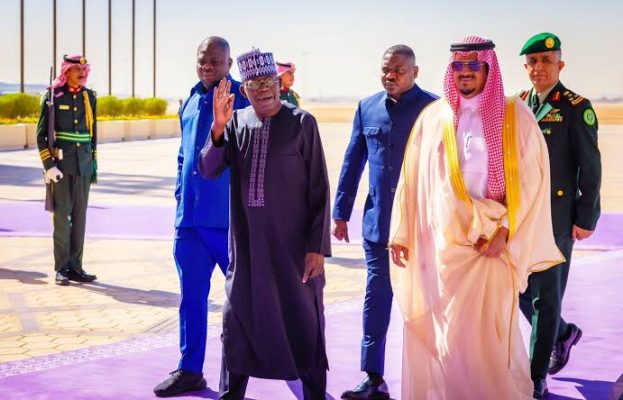
President Bola Tinubu first floated the loan in November 2024 during a meeting with Crown Prince Mohammed bin Salman at the Saudi-African Summit in Riyadh. The agreement would be Aramco’s largest financial foray into West Africa and a centre-piece of Tinubu’s plan to raise US $21.5 billion in external financing for the 2025 budget.
Under draft terms, Nigeria must pledge at least 100,000 barrels of crude per day over the life of the facility. But output remains well below target: April production slipped to 1.486 million bpd, far short of the 2 million bpd benchmark underpinning the budget.
Years of theft, pipeline sabotage and under-investment have already diverted some 300,000 bpd to service earlier oil-backed loans. With Brent crude down nearly 20 % since January to about US $65, Nigeria would need to ship even more barrels to cover the same dollar value, magnifying lenders’ concerns.
“There’s a credibility gap—you can’t structure a deal of this size without firm month-on-month delivery guarantees,” one banker involved in the negotiations told Reuters. Gulf banks and at least one African lender have signalled they are unwilling to underwrite the facility without stronger assurances.
Trading firm Oando is slated to handle physical offtake, while the Nigerian National Petroleum Company (NNPC) would allocate cargoes, according to people familiar with the talks. All parties declined to comment.
Tinubu last month issued an executive order cutting upstream operating costs in a bid to boost output, yet analysts say the measures cannot close the immediate supply gap. Unless production stabilises, negotiators may scale back or shelve the Aramco package entirely, leaving Nigeria to seek alternative—and likely costlier—funding for its widening fiscal deficit.
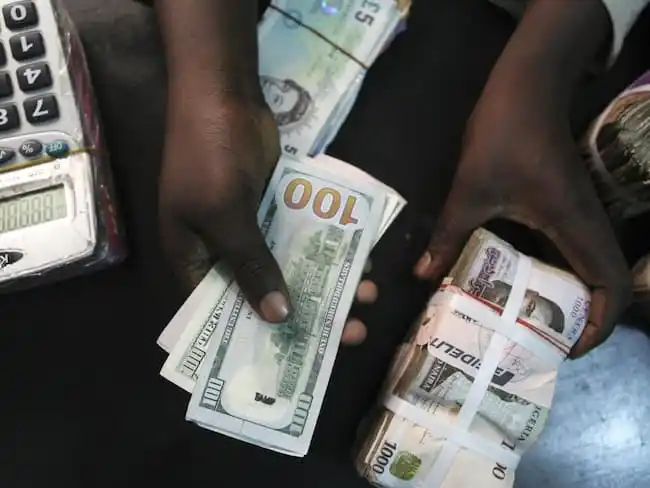
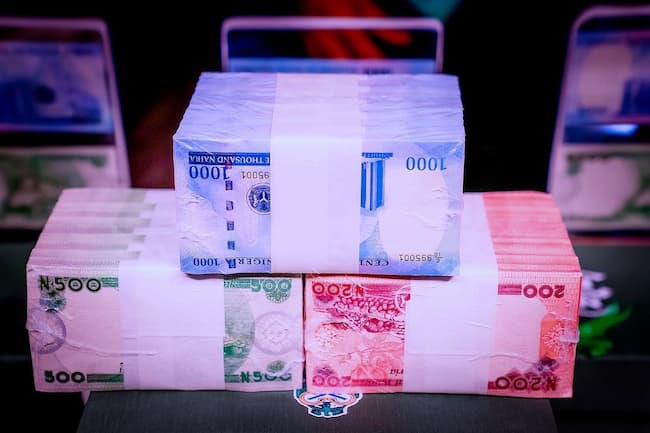
The exchange rate between the Naira and the US dollar, according to the data released on the FMDQ Security Exchange, the official forex trading portal, showed that the Naira closed at 1587.00 per $1 on Wednesday, June 11th, 2025. Naira traded as high as 1532.00 to the dollar at the investors and exporters (I&E) window on Tuesday.
Dollar to naira exchange rate today black market (Aboki dollar rate):
The exchange rate for a dollar to naira at Lagos Parallel Market (Black Market) players buy a dollar for ₦1580 and sell at ₦1587 on Tuesday 10th June, 2025, according to sources at Bureau De Change (BDC).
Please note that the Central Bank of Nigeria (CBN) does not recognize the parallel market (black market), as it has directed individuals who want to engage in Forex to approach their respective banks.
Dollar to Naira Black Market Rate Today
Dollar to Naira (USD to NGN)
Black Market Exchange Rate Today
Buying Rate
₦1580
Selling Rate
₦1587
Dollar to Naira CBN Rate Today
Dollar to Naira (USD to NGN)
CBN Rate Today
Highest Rate
₦1557
Lowest Rate
₦1532
Please note that the rates you buy or sell forex may be different from what is captured in this article because prices vary.
Yields on Nigerian government bonds continue to decline across the midsection of the curve as investors ramp up purchases—particularly targeting the 2031 and 2033 maturities—amid expectations of limited bond supply from the government.
The trend is being driven by sustained demand in the secondary market, where investor appetite remains high despite tight liquidity and minimal supply from the primary market auctions.
While short-term bond yields experienced a slight uptick—expanding by 1 basis point—largely due to profit-taking in the FEB-2028 bond, which rose by 2 basis points, the mid-term segment saw a more notable yield contraction. The average yield in this section dropped by 5 basis points, largely influenced by increased demand for the JUL-2034 bond, which recorded a significant 25 basis point decline in yield.
As a result of these contrasting movements, the overall average yield across the yield curve dropped to 18.82%, indicating bullish sentiment in the debt market.
Market watchers believe the current rally is being fuelled by expectations that bond supply will remain restrained in the short term. The Debt Management Office (DMO) is scheduled to carry out its June primary market auction, which is expected to conclude the federal government’s second-quarter domestic borrowing programme.
The cautious approach to bond issuance reflects broader fiscal strategies to manage local debt levels without exerting additional pressure on interest rates. It also underscores investor confidence in fixed-income instruments, particularly amid uncertainties surrounding inflation, FX volatility, and macroeconomic policy direction.
Analysts note that with limited new issuances expected and robust demand continuing, yields are likely to remain suppressed, especially in the belly of the curve. However, they warn that any unexpected policy shift or deviation from the DMO’s borrowing calendar could trigger market repricing.
As the auction date approaches, all eyes remain on the DMO’s final offering size and maturity distribution, which will influence near-term price movements and investor positioning in the local debt capital market.
The Central Bank of Nigeria (CBN) has formally extended the deadline for Bureau De Change (BDC) operators to meet new recapitalization requirements, shifting the final compliance date to December 31, 2025. This is the second time the Apex Bank is adjusting the timeline since introducing the updated regulatory framework in February 2024.
Initially set for December 3, 2024, the deadline was previously postponed to June 3, 2025, after widespread feedback from stakeholders and reports of poor adherence to the new capital benchmarks.
Under the revised timeline, BDCs have an additional 18 months to satisfy the CBN’s mandated capital thresholds. The recapitalization policy establishes a two-tier licensing framework: Tier-1 BDCs must secure a minimum capital base of ₦2 billion, permitting them to operate across all states, including offering digital forex services and interstate transactions. Tier-2 BDCs, on the other hand, are required to raise ₦500 million and are authorized to function within a single state only.
This reform initiative is part of the CBN’s broader agenda to overhaul the retail foreign exchange ecosystem, aiming to ensure that operators are financially sound, compliant with anti-money laundering regulations, and capable of supporting national monetary policies more effectively.
The latest extension is largely attributed to concerns raised by industry leaders regarding the sluggish compliance rates. Internal circulars within the BDC industry have confirmed the updated deadline.
Aminu Gwadabe, president of the Association of Bureaux De Change Operators of Nigeria (ABCON), applauded the decision, describing it as a “timely and critical intervention” to prevent a mass loss of licenses across the sector.
Gwadabe emphasized that most operators are still struggling to meet the required standards, and the new grace period would offer them the opportunity to adequately prepare and consolidate resources.
According to the CBN, this move aligns with a phased implementation roadmap designed to de-risk the BDC space while aligning operations with international standards.
The central bank reiterated its objective of discouraging speculative activities, improving market transparency, and fostering a more stable foreign exchange environment.
While analysts have welcomed the development as a step towards market stability, they have also cautioned that repeated delays in enforcement could shake investor trust and undermine the momentum of broader financial reforms.
The CBN confirmed that the original capital thresholds and operational parameters remain unchanged. All registered BDCs are expected to meet the new conditions by the new deadline or face license revocation.
This recapitalization program remains a central component of the CBN’s overarching strategy to strengthen financial institutions, ensure naira stability, and create a more efficient and transparent FX market under the current economic administration.
Nigeria’s interbank lending rates displayed a mixed pattern on Tuesday, following the injection of fresh liquidity from matured Open Market Operation (OMO) bills. The influx of funds eased pressure in the financial system, even as the Central Bank of Nigeria (CBN) intensified liquidity management efforts.
Cash conditions in the banking sector have been volatile due to periodic liquidity tightening measures. However, the recent maturity of OMO instruments worth N264 billion has improved overall market liquidity. Prior to the public holiday, the system’s net liquidity position had declined to N1.03 trillion from the N1.90 trillion recorded a week earlier, largely due to hefty absorption through treasury and OMO auctions.
Last week, the CBN mopped up excess liquidity with a N450 billion Nigerian Treasury Bills (NTB) auction and another N1.51 trillion through OMO sales. Tuesday’s inflow from maturing instruments helped cushion the market’s funding profile, keeping short-term interest rates relatively stable.
Despite a cash reserve ratio (CRR) debit on banks that failed to meet the lending-to-deposit benchmark, money market rates remained broadly steady around 26.5%. This reflects a moderated borrowing demand due to ample system liquidity.
Nigerian Interbank Offered Rate (NIBOR) trends showed general declines across most tenors, excluding the overnight rate which held steady at 28.83%. The 1-month rate dropped by 63 basis points (bps), the 3-month rate fell 126 bps, and the 6-month NIBOR declined by 193 bps, according to data from Cowry Asset Management.
In tandem, the Open Buy Back (OPR) rate maintained a level of 26.50%, while the Overnight Lending Rate (OVN) inched up by just 1 basis point to 26.95%, reflecting minimal shifts in overnight liquidity dynamics.
Analysts expect interbank rates to remain largely stable in the near term, barring any aggressive monetary interventions by the central bank. The CBN is expected to continue fine-tuning liquidity through OMO issuances and other open market tools to align short-term rates with prevailing policy benchmarks.
In a landmark corporate development, Nigerian business mogul Femi Otedola has formally taken control of FirstHoldCo Plc, ending a long-standing boardroom battle with key shareholders Oba Otudeko and Olukayode Odukale, who represented Leadway Assurance.
Otedola’s new status as board chairman marks a definitive resolution to years of internal power wrangling that previously saw the company’s control divided between Otudeko and Odukale, each holding influential stakes that kept decision-making gridlocked.
Through a strategic acquisition and complex negotiations, Otedola has successfully acquired majority ownership. Market sources confirmed that Otudeko and Odukale sold their stakes to Otedola at an agreed share price of N31. The cumulative value of the deal is estimated at N320 billion, making Otedola the company’s largest single investor.
The N31-per-share agreement reflects both the company’s intrinsic value and its long-term strategic importance, industry analysts say. Although exact terms of the deal were not disclosed, the acquisition reportedly involved thorough evaluations of FirstHoldCo’s portfolio, asset base, and growth prospects.
Otedola’s ascension to the chairman role is expected to usher in a fresh chapter for FirstHoldCo, leveraging his vast experience in Nigeria’s corporate landscape. Market analysts anticipate reforms under his leadership that could drive increased profitability and strategic consolidation within the financial sector.
The announcement triggered heightened trading activity on the Nigerian Exchange, with FirstHoldCo Plc’s shares witnessing a spike in volume as investors showed renewed confidence in the company’s trajectory under Otedola’s stewardship.
There is widespread anticipation of structural reforms, potential mergers, and an aggressive expansion agenda. Stakeholders are now watching closely to see how Otedola navigates this new role and what his leadership means for the group’s subsidiaries and broader market positioning.
The Nigerian naira surged by N13 against the US dollar at the official foreign exchange window on renewed investor optimism and a fresh injection of offshore dollar inflows into the financial system.
This uptick in the local currency’s value followed strong participation from foreign portfolio investors in the Central Bank of Nigeria’s (CBN) open market operations (OMO) last week. The apex bank floated two separate OMO auctions, cumulatively worth N600 billion, to attract offshore capital via high-yielding debt instruments.
Latest spot data from the CBN FX trading platform revealed that the naira opened the new trading week at N1540.04 per dollar, improving from N1553.11 at last week’s close.
Investor sentiment has improved markedly, buoying the naira’s appreciation trajectory as foreign exchange demand from corporates moderates. The currency’s performance marks a continuation of last week’s momentum, where it posted its biggest weekly gain since December 2024—closing the week 2.13% stronger at N1,553.12 per dollar.
The parallel market mirrored this trend, with the naira also climbing 2.13% week-on-week to settle at N1,585.00 per dollar, according to Coronation Merchant Bank Limited’s research desk. Analysts attribute this broad-based optimism to sizable foreign portfolio inflows, which also influenced pricing across forward contracts.
The one-month forward rate settled at N1,606.00 per dollar. Meanwhile, the three-month contract closed at N1,675.50, the six-month at N1,776.30, and the one-year forward rate at N1,977.47 per dollar.
The Nigerian Autonomous Foreign Exchange Market (NAFEM) reported a weekly inflow of $780 million, a drop from the $1.04 billion recorded the week prior. Coronation’s investor note on Tuesday disclosed the contribution breakdown: exporters (18.83%), the CBN (19.78%), and foreign portfolio investors (32.47%).
Non-bank corporate entities contributed 27.60% of the total dollar inflow, while other sources made up the remaining 1.32%. Despite improved FX inflows, Nigeria’s external reserves hovered around $38.33 billion amid global commodity market uncertainties.
Crude oil prices saw an uptick last week due to supportive macroeconomic signals and cautious supply-side policies. Renewed US-China trade engagement and a weakening US dollar added momentum to global oil prices, alongside OPEC+ indications of controlled production increases, reinforcing expectations of tighter global supply.
Support a sustainable blue economy estimated at $2.6 trillion
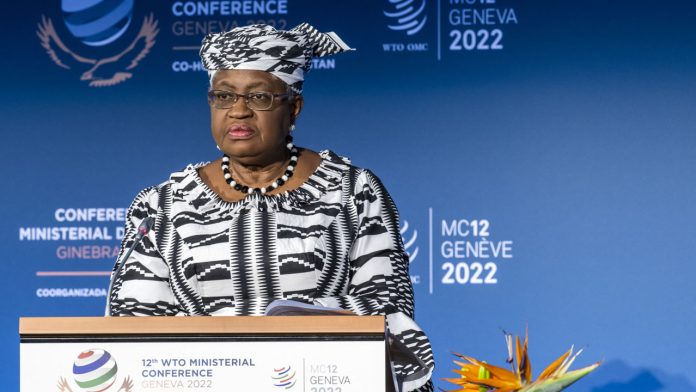
World Trade Organisation (WTO) Director-General, Dr. Ngozi Okonjo-Iweala, United Nations Secretary-General, António Guterres, and other global leaders have made strong appeals for the protection and sustainable use of ocean resources, urging nations to halt the degradation of marine ecosystems.
Their call came during the ongoing 2025 UN Ocean Conference, which opened on June 9 in Nice, France. The high-level summit—jointly hosted by France and Costa Rica—seeks to galvanise action towards achieving Sustainable Development Goal 14 (SDG 14): the conservation and sustainable use of oceans, seas, and marine resources for sustainable development.
With over 120 countries participating, the conference features expert panels, policy discussions, and side events under the theme “Accelerating Action and Mobilising All Actors to Conserve and Sustainably Use the Ocean.”
Okonjo-Iweala, speaking on a panel focused on ocean sustainability, reaffirmed the WTO’s commitment to sustainable development and highlighted the importance of aligning trade policies with environmental priorities. She spotlighted the WTO Agreement on Fisheries Subsidies, adopted at the 12th Ministerial Conference, which aims to curb harmful subsidies that contribute to overfishing. The agreement, currently ratified by 101 member countries, is just 10 short of the threshold required to enter into force.
“Governments must ensure that their subsidy regimes support sustainability, not depletion,” she said, adding that the WTO has also established a funding mechanism to assist least developed countries in managing their fisheries through technical and policy support.
UN Secretary-General António Guterres delivered a sobering message, warning that the ocean is under extreme stress from climate change, overfishing, and pollution. “The ocean absorbs 90 per cent of the excess heat from greenhouse gas emissions,” he said, noting that rising sea levels, acidification, plastic pollution, and collapsing fish stocks pose existential threats to marine biodiversity and coastal communities.
“Coral reefs are dying. Fish stocks are collapsing. Rising seas could soon submerge deltas, destroy crops, and swallow coastlines—threatening the very survival of island nations,” he warned.
Inger Andersen, Executive Director of the United Nations Environment Programme (UNEP), emphasised the urgent need to transition towards a circular economy. “Humans remain the only species that do not live within a circular system,” she said. She called for intensified global efforts to meet the target of conserving at least 30 per cent of the world’s land, freshwater, and oceans by 2030.
Andersen also underscored the significance of the newly adopted Agreement under the United Nations Convention on the Law of the Sea on the Conservation and Sustainable Use of Marine Biological Diversity of Areas Beyond National Jurisdiction, describing it as a major boost to international ocean protection efforts.
As stakeholders deliberate in France, a recurring theme has been the vast economic potential of the ocean—the so-called “blue economy”—estimated at $2.6 trillion annually. Speakers urged coastal nations, especially in the Global South, to harness these opportunities sustainably while protecting marine ecosystems for future generations.
The World Bank has revised its 2025 global economic growth projection downward to 2.3%, citing escalating trade tensions and lingering policy uncertainty as key factors behind the slowdown. The figure, revealed in the Bank’s latest Global Economic Prospects report released Tuesday, marks a nearly half-percentage-point cut from earlier forecasts.
According to the Bank, this would represent the slowest pace of non-recessionary global growth since the financial crisis of 2008.
The report highlighted that around 70% of the world’s economies—across all regions and income levels—have seen their growth projections downgraded. Despite the broad-based deceleration, the Bank does not anticipate a global recession. Still, if current trends continue, the average annual global growth rate for the 2020s would become the weakest since the 1960s.
Indermit Gill, Chief Economist and Senior Vice President for Development Economics at the World Bank, voiced concerns about stagnation in developing countries outside Asia.
“Much of the developing world has been in a state of prolonged stagnation. These regions have promoted their development potential for over a decade without delivering the required growth,” Gill said.
Growth in developing countries has slowed from 6% annually in the 2000s to 5% in the 2010s, and now to under 4% in the 2020s. This mirrors a broader contraction in global trade—from 5% average growth in the 2000s to below 3% today. Investment growth has weakened, while public and private debt have ballooned to unprecedented levels.
For 2025, nearly 60% of developing nations are expected to see growth decline, averaging 3.8%. A modest rebound to 3.9% is anticipated in 2026 and 2027—still more than one percentage point below the 2010s average.
Low-income countries are forecast to grow by 5.3% in 2025, reflecting a 0.4 percentage point downgrade from previous estimates. Meanwhile, global inflation is expected to average 2.9%—elevated compared to pre-pandemic norms—due to factors like rising tariffs and tight labor markets.
The World Bank warned that this sluggish growth poses a significant threat to global development, especially in terms of job creation, poverty reduction, and income convergence with developed economies.
Per capita income growth in developing countries is expected to reach only 2.9% in 2025, significantly lower than the 2000–2019 average of 4%. If countries excluding China maintain a GDP growth rate of 4%, they may need up to 20 years to return to their pre-COVID growth trajectory.
However, the Bank noted that global growth could recover more quickly if geopolitical tensions eased. A reduction in tariffs and improved international cooperation could lift global GDP growth by 0.2 percentage points in 2025 and 2026.
In response to growing protectionism, the Bank recommended that developing economies diversify exports, pursue regional trade agreements, and forge strategic economic alliances. Given strained budgets, policymakers were urged to mobilise domestic resources, prioritize aid for vulnerable populations, and improve fiscal discipline.
To support long-term recovery, the report emphasised the importance of enhancing business environments, fostering productive employment, and aligning education and workforce skills with market demands. Finally, the Bank called for coordinated global action to help the most vulnerable countries through concessional financing, development aid, and targeted conflict-related relief.
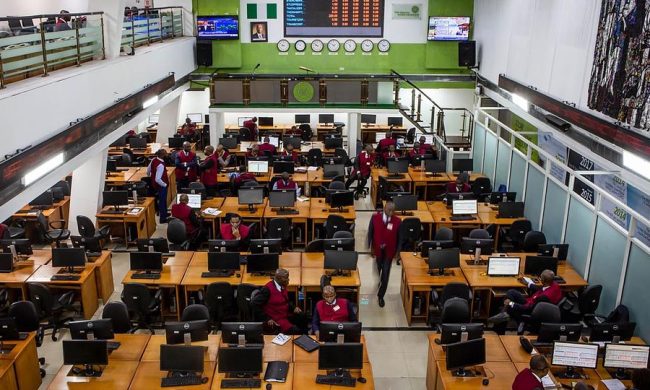
Equity investors on the Nigerian Exchange (NGX) enjoyed a substantial windfall on Tuesday, gaining approximately ₦129 billion in market value, fueled by a robust rally in technology-related stocks such as Etransact, Omatek, and Legend Internet Plc.
Construction giant Julius Berger also contributed to the market’s upward trajectory, while oil and gas firm Oando Plc continued its recovery. However, Aradel Holdings faced a sharp setback following a minor uptick last week. Trading resumed on a bullish note following the Islamic public holiday, as investors engaged in bargain hunting.
The NGX All-Share Index (ASI) climbed by 204.11 basis points to a new record close of 114,820.86, translating into a 0.18% increase. The rally extended the market’s winning streak to a fifth straight session, underscoring persistent positive investor sentiment, particularly in mid- and large-cap stocks.
Despite the gains, overall market activity declined. Total trading volume dropped by 55.36%, while the total value of transactions fell by 43.61%. Data from Atlass Portfolio Limited indicated that 652.64 million shares worth ₦18.88 billion were exchanged in 23,978 trades.
Access Holdings Plc (ACCESSCORP) led in trade volume, contributing 13.70% of total market volume. Zenith Bank (ZENITHBANK), GTCO, Fidelity Bank (FIDELITYBK), and Wapic Insurance (WAPIC) followed closely.
In terms of value, GTCO emerged as the day’s most traded equity, accounting for 17.75% of the total transaction value. Meanwhile, BERGER, DAARCOMM, and ETRANZACT topped the list of gainers, each recording a 10.00% price increase.
Other notable advancers included LEGEN DINT (+9.93%), OMATEK (+8.22%), VITAFOAM (+8.00%), ABBEYBDS (+7.53%), and FTNCOCOA (+6.67%), alongside 27 additional stocks. On the downside, 24 equities recorded losses. RTBRISCOE led the decliners with a 10.00% drop in share value.
Further laggards included BETAGLAS (-9.69%), ARADEL (-9.09%), ACCESSCORP (-4.74%), MTN Nigeria (MTNN) with a 2.88% dip, and ZENITHBANK, which slipped 0.89%.
Despite these losses, the market’s breadth remained positive, with 35 gainers outpacing 24 losers. Sector performance was mixed: the Oil & Gas sector declined by 2.84%, Insurance slipped by 0.06%, and the Industrial Goods sector edged down 0.14%.
Conversely, the Consumer Goods and Banking sectors recorded gains of 2.56% and 0.24%, respectively. The total market capitalisation rose by ₦128.72 billion to end the day at ₦72.40 trillion.
The US dollar made gains across major global currencies early Tuesday, as positive momentum from ongoing trade negotiations between the United States and China buoyed market confidence during a relatively quiet data calendar.
The National Federation for Independent Business (NFIB) disclosed on Tuesday that small business optimism inched up slightly, although economic uncertainty continues to loom large. Notably, taxes overtook labour quality and inflation as the primary concern for 18% of respondents—marking the first time since December 2020 that taxes ranked highest.
Meanwhile, the Federal Reserve entered its pre-meeting blackout period ahead of its June 17–18 Federal Open Market Committee (FOMC) gathering. Currency traders noted an uptick in the greenback’s value as dialogue between Washington and Beijing extended into a second day. Optimism surrounding potential easing of US semiconductor export restrictions toward China lifted investor sentiment, particularly within the tech sector, with US chipmakers witnessing notable gains.
Despite this tailwind, analysts at IG cautioned that the dollar’s momentum could be capped due to persistent investor concerns over unpredictable US trade strategies and underlying fiscal vulnerabilities. The US Dollar Index (DXY) edged higher by 0.2% to settle at 99.1399, while the euro dipped 0.2% to $1.1401.
By early Tuesday, EUR/USD hovered at 1.1424, marginally below Monday’s closing level of 1.1425 but above the 1.1420 mark seen in the previous morning’s trade.
In the Eurozone, investor sentiment recorded an uptick in June, suggesting a cautiously optimistic economic outlook. European Central Bank (ECB) President Christine Lagarde is slated to speak ahead of the next ECB policy meeting scheduled for July 24.
Sterling faced pressure, with GBP/USD falling to 1.3501 from Monday’s 1.3559 close. The pound’s decline followed fresh data showing a slowdown in UK wage growth and rising unemployment for April. The Bank of England will convene on June 19.
In Asia, the Japanese yen depreciated as USD/JPY climbed to 144.5864, up from 144.5770 in the prior session. The move coincided with data showing slower growth in machine tool orders and an uptick in the money stock. The Bank of Japan will hold its next policy meeting on June 16–17.
The Canadian dollar also weakened slightly. USD/CAD was trading at 1.3698, compared to Monday’s close of 1.3685. With no key Canadian economic data expected Tuesday, attention shifts to the next Bank of Canada meeting on July 30.
The World Bank has revised its outlook for Nigeria’s economy upward, projecting a 3.6 per cent expansion in 2025, a 10-basis-point increase from its January forecast. This marks a divergence from the International Monetary Fund’s (IMF) more cautious stance and places Nigeria ahead of the global growth average, even as the world economy braces for its weakest non-recessionary performance in nearly two decades.
The upgrade was contained in the World Bank’s latest Global Economic Prospects report released this week. It forecasts Nigeria’s gross domestic product (GDP) growth rising steadily to 3.7 per cent in 2026 and 3.8 per cent by 2027, outperforming last year’s 3.4 per cent growth rate.
In contrast, the IMF, in its April World Economic Outlook, downgraded Nigeria’s growth forecast from 3.2 per cent to 3.0 per cent, citing rising global trade tensions and uncertainties surrounding crude oil—Nigeria’s main export commodity.
Nigeria’s growth last year was largely driven by robust performance in the financial services and telecommunications sectors. Although these are considered non-inclusive sectors in terms of employment generation, the growth—nearly one percentage point above the population growth rate—suggests a marginal improvement in per capita income and general welfare.
If achieved, a 3.6 per cent growth rate would be among the highest Nigeria has recorded in the past decade, but it still falls short of the pace needed to meet the federal government’s $1 trillion economy target. Analysts note that at the current trajectory, reaching that milestone could take more than a decade, even with the nominal growth rate of 17 per cent recorded last year.
Nigeria’s forecast places it slightly below the average for Sub-Saharan Africa, which the World Bank pegs at 3.7 per cent, but well above the global average of 2.3 per cent. Comparatively, South Africa, Africa’s second-largest economy, is expected to grow by just 0.7 per cent this year, with modest improvement to 1.3 per cent by 2027.
The World Bank noted Nigeria’s improved fiscal position, driven by the removal of the foreign exchange subsidy, reforms in revenue administration, increased collections at the sub-national level, and higher remittances from government-owned enterprises. However, inflation remains a concern, staying well above the Central Bank’s target and pre-pandemic levels despite recent moderation.
The Bank also highlighted broader optimism for large energy-exporting emerging markets such as Nigeria, Russia, and Saudi Arabia, attributing potential upside to domestic reforms and diversification beyond oil.
Globally, however, the World Bank warned of a sluggish outlook. It said heightened geopolitical tensions, trade fragmentation, and policy uncertainty could push global growth this year to its slowest pace since 2008 outside of periods of recession. Nearly 70 per cent of countries—across income brackets and regions—have seen their growth forecasts downgraded.
The Bank projects that growth will slow in almost 60 per cent of developing economies in 2025, averaging 3.8 per cent, before inching up to 3.9 per cent in 2026 and 2027. If these projections hold, the first seven years of the 2020s would mark the slowest period of global growth since the 1960s.
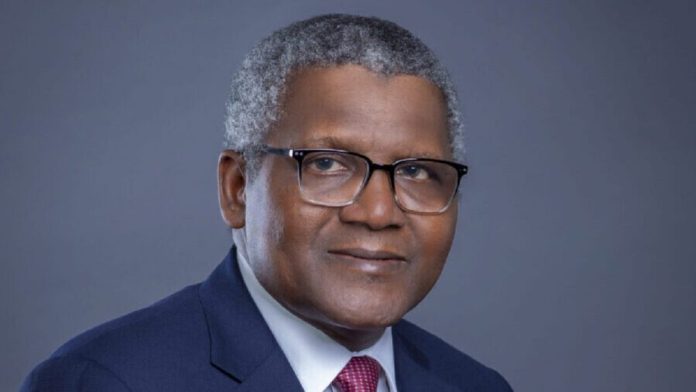
Aliko Dangote, President of the Dangote Group and founder of the Dangote Petroleum Refinery, has hinted at a forthcoming transformation in Nigeria’s downstream oil sector, describing it as a major “shakedown.”
Speaking to journalists after President Bola Tinubu’s recent visit to the $20 billion refinery in Lekki, Lagos, Dangote said the move would not focus on price cuts but a comprehensive overhaul of the industry.
“Now that the President has visited and given us additional energy, we will inform you. You’ll hear from us soon — and that will be one of the major shakedowns in the entire country,” he said. “It is not about reducing prices; it will be the total overhaul of the downstream sector.”
Though he declined to share full details, Dangote noted that the company was preparing to launch a “massive trajectory” of growth and operations.
“I told the President he hasn’t seen anything yet. If you return in five years, the refinery will be on the back burner — we’re going far beyond what you see today,” he added.
Dangote also reaffirmed plans to list the refinery on the Nigerian Stock Exchange, starting with its fertiliser business later this year.
He praised the Tinubu administration’s economic policies for fostering a more favourable investment climate, citing the “Nigeria First Policy” as a key driver of industrial growth and self-sufficiency.
“This policy aligns with our corporate vision — producing what we consume and reducing dependency on foreign goods and services,” he said.
Highlighting infrastructure support from the government, Dangote commended initiatives like the Nigerian Road Infrastructure Development Fund and the Refurbishment Investment Tax Credit Scheme. He revealed that eight major road projects, including the Lekki-Epe corridor, had been approved at a total cost of N900 billion under these schemes.
According to him, the refinery is one of several strategic investments under the Dangote Group aimed at supporting the Federal Government’s Renewed Hope Agenda, which seeks to reposition Nigeria as a manufacturing hub.
“Our goal is to domestically produce goods that have historically been imported, despite our natural resource wealth. We’ve achieved this in cement and fertiliser — Nigeria is now self-sufficient and even exporting. We’ve also begun exporting refined petroleum products to countries like the U.S. and Saudi Arabia,” Dangote said.
He emphasized the broader economic benefits of the refinery, including putting an end to long queues at fuel stations. “We are steadfast in supporting Nigeria’s economic transformation. We remain the country’s highest tax-paying company, and we’re committed to furthering this progress.”
He also revealed that despite paying N450 billion in taxes last year, the Dangote Group would be investing N900 billion in road infrastructure across Nigeria. Projects include the Deep Sea Port Access Road and roads in Borno State that will eventually link Nigeria to Chad and Cameroon. In appreciation of the President’s support, Dangote announced that the main road leading into the refinery would be named after President Tinubu.
In response, President Tinubu lauded Dangote’s contributions to Nigeria’s economic development, describing the refinery as “a phenomenal project of our time” and “a major reference point for industrial and economic growth.”
“I commend Dangote’s bold investments. He believes in Nigeria and continues to invest in its future,” Tinubu said, calling him the “wisest” among Nigeria’s leading industrialists.
He concluded by praising the Deep Sea Port, a project initiated during his tenure as Lagos State Governor, noting its success in reducing logistics costs and supporting industrial efficiency.
The Nigerian Air Force (NAF) has opened a board of inquiry to determine how Corporal A. S. Wulumba, an airman attached to the Bauchi Command, died while held in a guardroom for alleged lateness to duty.
Family sources said Wulumba, who reportedly suffered health complications on the day in question, phoned his sister, Numdarai, on 4 May 2025 to say he had been placed under detention. She maintains her brother’s explanation for arriving late was dismissed by his immediate superior, who ordered that he be locked up.
“Under military regulations, confinement for minor offences such as lateness should not exceed 24 hours,” she told reporters. “If further action was required, he should have faced a summary trial or court-martial, not an open-ended detention. Now he is gone.”
Confirming the incident on Tuesday, NAF spokesman Air Commodore Ehimen Ejodame described the death as “unfortunate” and offered the Service’s condolences to Wulumba’s family, friends and colleagues.
“In line with standard procedure, a board of inquiry has been convened to ascertain the circumstances surrounding his death,” he said. “Further details will be released as the investigation progresses. The Nigerian Air Force remains committed to the welfare of its personnel and to upholding the highest standards of accountability and transparency.”
The inquiry’s findings are expected to guide any subsequent disciplinary or legal action.
Nigerian singer Temilade Openiyi, popularly known as Tems, will headline the first-ever halftime show at a FIFA Club World Cup final. The landmark performance is set to take place on July 13, 2025, at MetLife Stadium in New York.
Joining Tems on stage are Colombian superstar J Balvin and American pop sensation Doja Cat, creating a global lineup for what promises to be a groundbreaking musical moment in sports history. The show is being produced by Global Citizen and will be broadcast live and free on DAZN.com, giving fans across the world a front-row seat to the celebration.
In a statement on Global Citizen’s website, Tems expressed her excitement about the opportunity:
“We’re going to bring the world together for a beautiful moment to celebrate football, feel the unity that music brings, and improve the lives of millions of children through the FIFA Global Citizen Education Fund. I can’t wait. See you at the FIFA Club World Cup final!”
Her manager, Muyiwa Awoniyi, also confirmed the news in a post on X (formerly Twitter), writing:
“Pleased to announce that @temsbaby will be performing at the FIFA Club World Cup 2025 on Sunday 13th July at MetLife Stadium. A huge thank you to FIFA President Gianni Infantino and Global Citizen Co-Founder and CEO Hugh Evans. This is the first-ever halftime show in a FIFA competition and we are proud and honoured to be a part of it.”
The event aims to raise over $100 million for the FIFA Global Citizen Education Fund, which supports educational initiatives and FIFA’s Football for Schools program in more than 200 countries. According to Global Citizen, $1 from every ticket sold for Club World Cup 2025 matches in the U.S. will be donated to the fund.
“With performances from artists across Africa, South America, and North America, this event reflects Global Citizen’s core belief: that music and unity can help solve the world’s greatest challenges,” the organization stated.
The 2025 FIFA Club World Cup is expected to be the largest global club football tournament to date, with millions of viewers tuning in around the world.
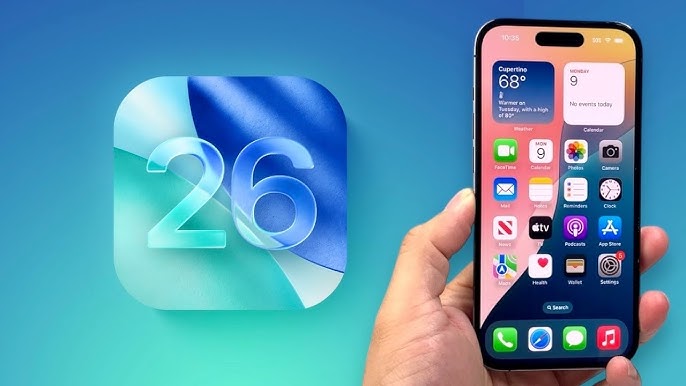
For the first time in over ten years, Apple has launched a significant overhaul of its mobile and desktop operating systems, introducing a refreshed user interface known as “Liquid Glass” with the upcoming iOS 26 release. This groundbreaking update will span not only iPhones but also iPads, Macs, and other Apple platforms, heralding a unified aesthetic and functional upgrade across the company’s ecosystem.
Revealed during Apple’s annual Worldwide Developers Conference (WWDC) in Cupertino, California, the new iOS 26 software will be available to the public later this fall. However, early access has been granted to developers and select media representatives, offering a closer look at the next generation of Apple’s software innovations.
From iOS 18 to iOS 26: A New Naming Convention
Apple is officially transitioning its software naming format, aligning version numbers with the year of release. Thus, the operating system formerly expected to be iOS 18 will now launch as iOS 26. This change applies across the board: iPadOS 26, macOS 26 (dubbed “Tahoe”), and other variants will all follow the same structure, mirroring model-year naming conventions seen in the automotive industry.
Introducing the Liquid Glass Design Language
Apple’s new “Liquid Glass” visual language introduces a translucent and reactive interface. This shift blends the tactile realism of earlier iOS versions with the modern minimalism introduced in iOS 7. Menus and icons now exhibit a semi-transparent, frosted look with subtle gradients and rounded contours. The interface responds dynamically to user interaction, with buttons and panels morphing based on activity.
The design will support both light and dark modes, and a new all-clear mode adds a translucent overlay throughout the UI for a sleeker aesthetic. Liquid Glass isn’t limited to mobile devices—it’s being deployed uniformly across Macs, iPads, Apple Watch, and Apple TV, marking Apple’s first full-system visual integration.
Real-Time Translation and AI Integration
Among the standout features in iOS 26 is the introduction of real-time voice and text translation across Messages, FaceTime, and standard calls. With this update, users will hear spoken language translated on-the-fly and see live subtitles, even when calling non-iPhone users—provided the device supports Apple Intelligence (starting from iPhone 15 Pro and later).
Supported languages include English, French, Spanish, German, Japanese, Korean, Brazilian Portuguese, Italian, and simplified Chinese. Apple appears to be stepping up where competitors like Google have stumbled, attempting to deliver a seamless multilingual communication experience through machine learning and AI.
Enhanced Camera Controls and Revamped Photos App
The Camera app is now more intuitive, offering a swipe-based interface to toggle between photo and video modes, with additional tools accessible via hidden menus. Meanwhile, the Photos app reintroduces clearly labeled tabs for Libraries and Collections—features that many users missed following their removal in iOS 18.
Group Messaging Just Got More Social
iOS 26 adds extensive customization for group messages, including user-defined or animated dynamic backgrounds that sync across devices. Polling features are also embedded in group chats, enabling users to vote and suggest options collectively—perfect for coordinating plans or making decisions.
Real-time typing indicators in group threads enhance the conversational flow, especially in family or social group settings.
Improved Spam Management and On-Hold Assistance
Messages from unfamiliar numbers will now be automatically sorted outside your primary inbox, offering the option to screen or ignore them. For incoming calls from unknown contacts, a new voice assistant will prompt callers to state their name and purpose before your phone rings.
Another notable feature, Hold Assist, detects when you’re on hold and offers to stay on the line for you. When a representative returns to the call, the system notifies you and informs the agent that you’re rejoining.
At-Home Karaoke, Smarter CarPlay, and Visual Intelligence Upgrades
Apple Music now transforms your iPhone and Apple TV into a karaoke setup. Your phone can be used as a microphone, with lyrics and animated visuals enhancing the experience. Friends can react with emojis or queue up the next song directly from their devices.
CarPlay receives a streamlined interface that keeps essential functions like navigation visible, even during incoming calls or alerts. It now supports widgets and live activity updates, such as tracking flight statuses.
In the Wallet app, redesigned boarding passes allow users to access flight details and share live travel updates with friends and family.
Visual Intelligence gets a boost in iOS 26. Screenshots can now be used to access Apple’s AI features. Whether it’s extracting details from an event poster or identifying a product from a social media post, Apple is expanding the contextual capabilities of its AI systems to rival Google’s Circle to Search.
Apple Launches Unified Games App and Hints at a Smarter Siri
Gamers will appreciate the new Games app, which unifies Apple Arcade titles, multiplayer invites, performance stats, and leaderboards in one convenient hub. Challenge mode enables competitive play with friends in single-player games, with full support across iOS and macOS.
However, Apple’s AI-powered Siri upgrade remains under development. Apple confirmed that the enhanced version of Siri—which will leverage deeper context awareness and visual input—is not yet ready for public release. More information is expected later this year.
iPads and Macs: Power Features for Productivity
iPadOS 26 is set to transform iPads into more viable laptop alternatives. Users can expect windowed multitasking with floating, resizable app windows. A visible menu bar and macOS-style window controls (including the familiar red, yellow, and green buttons) further narrow the gap between iPads and Macs.
macOS 26 will also feature an upgraded Spotlight tool, allowing users to take immediate actions like launching recordings or sending messages. Clipboard history and customizable Quick Keys offer even more flexibility for power users.
The Shortcuts app gets smarter with contextual triggers, such as connecting to external monitors or executing tasks based on time or system events. Apple Intelligence can now power text summarization and image generation within Shortcuts workflows, streamlining automation for professional users.
How to Get iOS 26 Before the Official Release
Developers already have access to iOS 26, with public beta versions slated to launch next month. General users can expect the stable release in September. Although public betas are typically reliable, they may still contain bugs. Interested users can opt into the public beta by navigating to Settings > General > Software Update > Beta Updates > Public Beta.
The Council of Registered Builders of Nigeria (CORBON) and the Council for the Regulation of Engineering in Nigeria (COREN) have signed a Memorandum of Understanding (MoU) to enhance collaboration and address regulatory gaps within Nigeria’s construction sector.
The strategic partnership, formalised during a recent ceremony in Abuja, aims to improve infrastructure quality, strengthen professional standards, and promote synergy between builders and engineers.
CORBON Chairman, Samson Opaluwah, described the agreement as a significant step toward optimizing human capital in the built environment.
“This MoU marks a milestone in our joint efforts to promote professional excellence, foster collaboration, and ensure the effective deployment of expertise in the development and management of Nigeria’s infrastructure,” he said.
Under the terms of the MoU, both councils will collaborate on knowledge sharing, capacity development, regulatory enforcement, and the promotion of best practices in construction and engineering.
COREN President, Professor Sadiq Abubakar, emphasized the need for unity, warning that disjointed regulatory efforts could undermine national development.
“If we continue to act as competitors instead of collaborators, Nigeria will lose. Our economy and the industry at large will suffer,” he said.
Key elements of the partnership include enhanced professional development for registered members, coordinated enforcement of standards, joint research initiatives, and the integration of CORBON-certified professionals into COREN’s Enforcement and Regulatory Monitoring (ERM) framework across the country.
Abubakar also pointed to the persistent issue of building collapses and called for legal reforms to hold developers accountable.
“Eighty per cent of the challenges we’re facing in this sector are not captured in current legislation — particularly those involving developers. This partnership provides a platform to change that,” he stated.
He revealed that COREN had initiated legislative amendments to expand its regulatory mandate and would work closely with CORBON to ensure swift passage at the National Assembly.
Both leaders reaffirmed their commitment to ending quackery, improving safety, and delivering sustainable infrastructure through joint oversight and professional integrity.
“We are not rivals,” Opaluwah reiterated. “Today signals the beginning of a new chapter — one of collaboration, not confrontation.”
Abubakar echoed this sentiment: “We must work together, as a team, to move our nation forward and improve the construction ecosystem.”
The ceremony concluded with an exchange of commemorative gifts, symbolising mutual respect and a shared vision for the future of Nigeria’s built environment.
President of the Nigerian Society of Engineers, Margaret Oguntala,
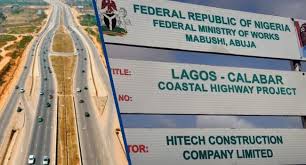
The President of the Nigerian Society of Engineers (NSE), Margaret Oguntala, has commended the Federal Government for its bold investment in infrastructure, with special praise for the Lagos-Calabar Coastal Highway project.
Speaking during the commissioning of the project’s first section at Kilometre 8, Jakande Estate in Lagos, Oguntala lauded President Bola Ahmed Tinubu’s administration for its visionary leadership in promoting national connectivity and economic advancement through critical infrastructure.
She emphasized the importance of sustaining momentum through the initiation of strategic infrastructure projects across all geopolitical zones, with a focus on fostering economic inclusion and regional balance.
Oguntala also called for a strong commitment to local content development. She urged the government to prioritize the involvement of Nigerian professionals, materials, and technological innovations in project execution to build national capacity and drive self-reliance.
She further encouraged collaborative efforts among public institutions, private sector stakeholders, and development partners to support and accelerate the country’s infrastructure development goals.
In his remarks, President Tinubu described the Lagos-Calabar Coastal Highway as a vital corridor for trade, tourism, and national unity. He noted that infrastructure development under his Renewed Hope Agenda is designed to foster economic growth and social cohesion.
“This project is more than just brick and mortar; it is a pathway to inclusion, cohesion, and opportunity for all Nigerians,” the President said.
The initial 30-kilometre stretch from Ahmadu Bello Way to Eleko Village is part of a broader 700-kilometre highway that will span nine states.
In addition to the Lagos-Calabar Coastal Highway, President Tinubu also commissioned several other key projects, including:
The Shagamu–Ibadan section of the Lagos–Ibadan Expressway
The Eleme–Ahoada stretch of the East-West Road
The Alesi–Ugep Road
Portions of the Enugu–Lokpanta Expressway
He also flagged off new infrastructure initiatives such as the Ibadan–Ife–Akure–Benin Highway and the Nembe–Brass Road, reaffirming his administration’s commitment to national transformation through infrastructure investment.
The euphoria that marked the commissioning of the first phase of the Lagos-Calabar Coastal Highway is beginning to wane, as the newly inaugurated 30-kilometre stretch remains inaccessible to motorists more than a week after its launch.
On Saturday, May 31, 2025, President Bola Ahmed Tinubu, flanked by political dignitaries, industry leaders, and stakeholders, officially commissioned Section 1, Phase 1 of the ambitious project at an elaborate ceremony. The highway, which stretches from Ahmadu Bello Way to Eleko Village, was hailed as a cornerstone of Tinubu’s infrastructure agenda and a symbol of national integration and economic advancement.
However, despite the high-profile inauguration, the road remains closed to general traffic. A construction worker at the site, who spoke on condition of anonymity, confirmed that ongoing works—particularly around the Dangote Refinery axis and near Eko Ekate—have necessitated the closure for safety reasons.
“Some parts, especially where a bridge is under construction, are not yet completed. The road is technically motorable, but it’s dangerous to open it while workers are still on site. Some drivers speed carelessly even near construction zones,” the worker said.
He added that on Sunday, June 9, the road was temporarily opened between 9 a.m. and 1 p.m., primarily for dispatch riders, who were observed using the route for deliveries.
The situation has sparked public confusion and criticism. During the inauguration of the Lekki Deep Seaport Access Road last week, soldiers were reportedly deployed to prevent motorists from accessing the newly commissioned highway, fueling speculation and reigniting concerns about the project’s transparency.
“Why commission a road that isn’t ready for use?” the anonymous worker questioned. “Why the rush? Maybe someone just wanted to shine. It would have made more sense to wait until everything was complete.”
Despite the delay, the worker assured that the road would be fully opened before the end of June. He attributed the pace of work to the use of concrete pavement, which he said enables faster and more durable construction compared to asphalt. “We’re even replacing the initial asphalt layer with concrete. Once opened, people will enjoy it. Travel time from Victoria Island to Abraham Adesanya is now under 30 minutes, compared to nearly two hours via the old route,” he noted.
The Lagos-Calabar Coastal Highway is a 750-kilometre project traversing nine states—Lagos, Ogun, Ondo, Delta, Bayelsa, Rivers, Akwa Ibom, Cross River, and potentially Edo—designed as a six-lane carriageway across a 60-metre corridor. Its strategic intent is to enhance regional integration and unlock economic opportunities across the coastal corridor.
Yet, from inception, the highway has been mired in controversy. Critics have raised concerns over the staggering N15 trillion project cost, alleged bypassing of environmental and social impact assessments (ESIA), absence of transparent bidding processes, and the government’s disregard for ongoing litigation.
Minister of Works David Umahi confirmed last year that at least six lawsuits had been filed against the project but insisted they would not delay execution. Just days ago, a faction of the Yoruba socio-political group, Afenifere, called on the National Assembly to initiate impeachment proceedings against President Tinubu, citing a conflict of interest.
Oba Oladipo Olaitan, the group’s leader, accused Tinubu of impropriety for publicly acknowledging his partnership with Gilbert Chagoury, owner of Hitech Construction Company—the firm handling the project. “There is a clear conflict of interest when the President openly refers to the contractor as a partner,” Olaitan argued.
At the commissioning, President Tinubu praised Hitech and described the project as “a symbol of courage and commitment.”
Still, federal authorities remain optimistic. In March, Minister Umahi projected that Phase 1 of the highway would be completed by January 2026. “This is an exceptionally well-designed project,” he said, noting that the road’s concrete pavement exceeds the specified thickness of 275mm, reaching 280mm in some sections.
While the government pushes forward with its ambitious agenda, questions around process, timing, and accountability continue to cast shadows over one of Nigeria’s most consequential infrastructure undertakings in recent history.
OpenAI’s leading artificial intelligence chatbot, ChatGPT, experienced a significant and prolonged outage yesterday, June 10, 2025, leaving millions of users worldwide without access to the widely utilized platform. The unexpected disruption, which commenced early yesterday morning, sent ripples through the tech community and underscored the increasing reliance on AI-powered services across various sectors.
The outage, which impacted users attempting to access ChatGPT through both its web interface and API, persisted for several hours. Reports of “internal server errors” and “failed to load conversation history” messages flooded social media platforms, as users from educational institutions to large enterprises expressed their frustration and sought clarity on the situation. While OpenAI swiftly acknowledged the issue and stated they were investigating, a definitive cause for the extensive downtime has yet to be publicly disclosed.
This incident highlights a critical vulnerability in the widespread adoption of AI tools. Businesses and individuals who have integrated ChatGPT into their daily operations – from content creation and coding assistance to customer service and research – found themselves facing immediate productivity challenges. The reliance on a single, centralized AI service, despite its advanced capabilities, became a point of concern for many.
Industry analysts are closely monitoring the fallout from this outage. “Such disruptions, even if temporary, serve as a stark reminder of the need for robust infrastructure and potentially diversified AI solutions,” commented Dr. Anya Sharma, a leading AI ethicist and research fellow at the African Institute of Technology. “As AI becomes more embedded in critical systems, the stability and resilience of these platforms become paramount.”
The incident has also reignited discussions around the decentralization of AI services and the development of open-source alternatives to mitigate the impact of single-point failures. While the convenience of a powerful, readily available tool like ChatGPT is undeniable, its temporary unavailability has prompted a re-evaluation of digital continuity plans for many organizations.
OpenAI has since confirmed that service has been restored, and the company is expected to provide a more detailed post-mortem analysis in the coming days. However, the June 10th outage will likely be remembered as a pivotal moment, urging a deeper consideration of the infrastructure supporting our increasingly AI-driven world.