The National Youth Service Corps (NYSC) has refuted claims that it extended the service year of a corps member, Rita Uguamaye, popularly known as Raye, as punishment for her public criticism of President Bola Tinubu’s administration.
Raye recently gained widespread attention on social media after posting a viral video on her TikTok account, @talktoraye, where she expressed deep frustration over Nigeria’s worsening economic crisis.
In the video, she lamented the rising cost of living and financial hardship, describing Lagos as a “smelly state” with poor living conditions. She also criticised President Tinubu, branding him a “terrible leader” and questioning the government’s efforts to alleviate citizens’ suffering.
Following the viral video, Raye alleged that she was being harassed by NYSC officials who reportedly asked her to take the video down. She claimed that she was being threatened for speaking out, although the NYSC has not officially commented on the allegation.
The situation sparked widespread reactions, with notable figures such as former Vice President Atiku Abubakar and human rights activist Omoyele Sowore condemning the alleged threats to her freedom of expression.
On Tuesday, Sowore shared a screenshot of a headline that read, “NYSC punitively extends Raye’s service year by 2 months for criticising Tinubu’s administration over hardship.” He described the alleged move as unacceptable and vowed to mobilise a protest at the NYSC Passing Out Parade if the matter was not addressed.
“This Asiwaju Bola Ahmed Tinubu regime might go down with Rita Raye’s National Youth Service Corps matter. We will mobilise down to the Passing Out Parade, except Rita is allowed to complete her NYSC national service without let or hindrance.” Sowore warned.
However, when contacted by PUNCH Metro, the NYSC’s Acting Director of Press and Public Relations, Carol Embu, denied any such extension had been approved. She explained that decisions regarding service extensions are made at the point of a corps member’s passing out and must follow established guidelines.
“Who is Sowore? Does he work with the NYSC?” Embu queried. “How can she be given an extension when she’s still serving? I don’t understand what you people are talking about.”
The NYSC’s clarification comes amid growing public discourse around free speech, youth engagement, and the consequences of government criticism in Nigeria.
The Nigeria Customs Service, Western Marine Command, has reinforced its maritime patrol operations to combat smuggling and protect Nigeria’s economic interests along coastal and inland waterways.
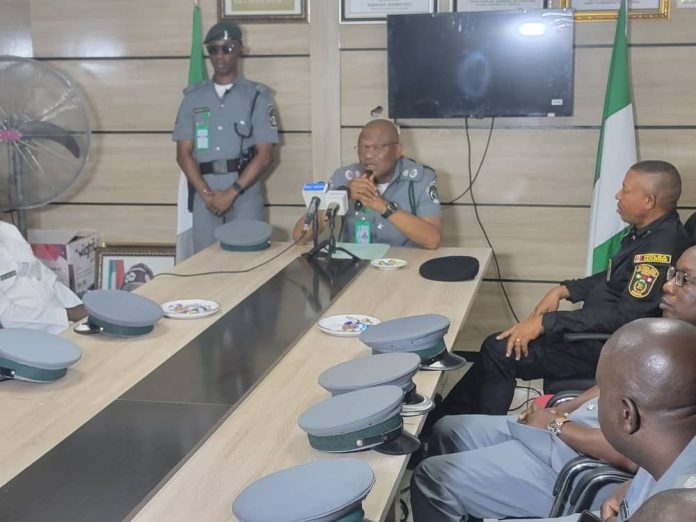
Speaking at a press briefing on Tuesday, 24 June 2025, at the Command’s headquarters in Ibafon-Apapa, Lagos, the Customs Area Controller (CAC), Comptroller Patrick Ntadi, announced that the Command recorded significant seizures with a Duty Paid Value (DPV) of over ₦352 million.
He noted that a series of coordinated operations along maritime routes led to the interception of smuggled goods, including narcotics, and prohibited imports.
His words, “These operations resulted in the interception of various shipments of illegal and smuggled goods which threaten the economic stability and social well-being of our nation.”
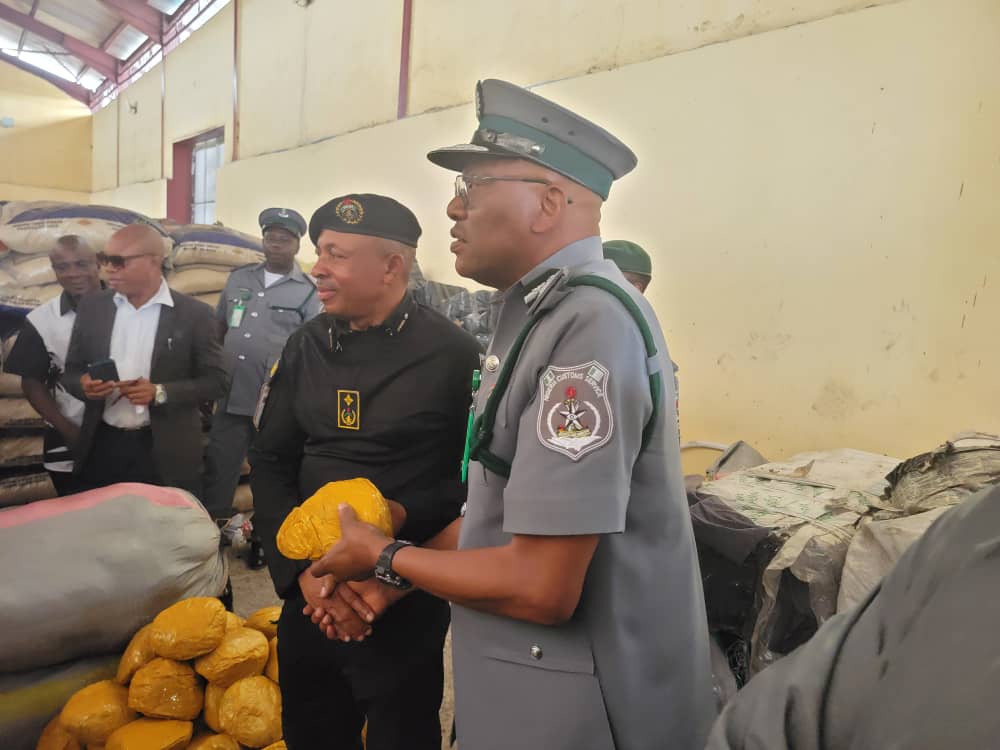
Details of the seizures include; 481 loaves of Cannabis Sativa, 2,017 bags of foreign parboiled rice, four locally constructed fibre boats, five wooden boats, 72 bundles of foreign textile material, and bags of sugar, with a total Duty Paid Value (DPV) of ₦352,952,200.
“These confiscations deal a significant blow to the criminal networks behind the illicit trade. They also reaffirm our commitment to protecting our borders and ensuring that lawful trade and commerce thrive within our economy”, the CAC stated.
Highlighting the operational success, Comptroller Ntadi credited the achievement to the motivational leadership of the Comptroller-General of Customs, Adewale Adeniyi, coupled with enhanced intelligence gathering and robust interagency collaboration.
He noted that the deployment of additional patrol vessels has boosted the Command’s operational efficiency, enabling officers to monitor hard-to-reach areas across the waterways.
The CAC urged citizens to remain vigilant and report any suspicious activity on the waterways.
On his part, the Acting Commander of the National Drug Law Enforcement Agency (NDLEA), Morrison Udoh, reaffirmed the importance of collaborative enforcement.
Udoh emphasised that stronger ties between agencies will enhance the fight against drug trafficking and broader smuggling operations.
The Nigerian naira continued its downward slide against the US dollar, falling to ₦1549.03 as demand for the greenback exceeded available foreign exchange (FX) supply. According to the Central Bank of Nigeria (CBN), transactions were completed within a tight band of ₦1547.50 to ₦1550.50 before the official rate settled at ₦1549.03.
This dip came despite CBN’s intervention, which saw $86.6 million injected into the FX market last week. Additional inflows came from foreign portfolio investors, exporters, and non-bank corporates. However, the last two days have seen significantly reduced market liquidity, triggering two consecutive days of exchange rate increases.
Data reveals that total weekly FX inflows stood at $1.03 billion, with foreign investors accounting for 67.29% of the total — their highest contribution in five weeks. This affirms consistent foreign interest in Nigeria’s fixed-income securities, as highlighted in a market report by Coronation Research.
Non-bank corporates followed with 13.36%, exporters contributed 10.87%, and other sources made up the remaining 0.17%. While inflows helped cushion demand pressure temporarily, market watchers believe the naira’s movement will depend on sustained capital injection by FPIs and corporate exporters.
Coronation Research noted that while mild appreciation is possible if inflows hold steady, persistent demand pressures could stall gains. The firm also highlighted the gap between official and parallel market rates as an ongoing concern, indicating a possible FX market imbalance.
Globally, crude oil prices experienced a significant drop amid easing geopolitical tensions. Brent crude tumbled by $3.29 (4.6%) to $68.19 per barrel, while West Texas Intermediate (WTI) crude slipped by $3.20 (4.7%) to $65.31.
The decline followed announcements of a ceasefire between Iran and Israel, though US President Donald Trump accused both sides of breaching the truce. Gold also dipped, shedding 1.6% to trade at $3,313.63 per ounce, reflecting reduced appetite for safe-haven assets.
Oil analysts predict that OPEC+ may soon approve a production hike of 400,000 barrels per day, which could drive oil prices down to the $60–$65 range due to rising global output and slowing demand.
The Economic and Financial Crimes Commission (EFCC) has taken into custody several former top executives of the Nigerian National Petroleum Company Limited (NNPCL) over an alleged $7.2 billion financial scandal linked to refinery rehabilitation projects in Kaduna, Warri, and Port Harcourt.
Umar Isa, the former Chief Financial Officer of NNPCL, was arrested for his role in the release of funds earmarked for the maintenance of the three major refineries. Also detained is Jimoh Olasunkanmi, former Managing Director of the Warri Refinery.
The arrests mark the beginning of an expansive probe into alleged abuse of office, misappropriation, and financial kickbacks involving former high-ranking NNPCL officials. Others under investigation include Tunde Bakare, Managing Director of the Warri Refinery; Ahmed Dikko, ex-MD of Port Harcourt Refinery; and Ibrahim Onoja, also a former MD of the Port Harcourt facility.
EFCC spokesperson Dele Oyewale was unavailable for comments at press time.
The arrests follow revelations from the Senate Committee on Public Accounts, led by Senator Aliyu Wadada, which flagged financial irregularities across multiple fiscal years of NNPCL’s audited statements from 2017 to 2023. Eleven formal queries have since been issued to the NNPCL’s finance department.
President Bola Tinubu had previously acted to overhaul the NNPCL Board on April 2, 2025, citing the need for institutional reform and operational efficiency. According to presidential aide Bayo Onanuga, the decision was aimed at improving investor trust, stimulating local content, and driving economic growth.
Among those dismissed was Group Chief Executive Officer Mele Kyari, who had served since July 2019 and turned 60 in January 2025. Despite public calls for his resignation, Kyari was retained until his eventual removal alongside Board Chair Pius Akinyelure and others appointed in November 2023.
The new leadership team includes Bashir Ojulari as Group CEO and Ahmadu Kida as non-executive chairman. Other members of the reconstituted 11-man board are Adedapo Segun, Bello Rabiu, Yusuf Usman, Babs Omotowa, Austin Avuru, David Ige, Henry Obih, Lydia Jafiya, and Aminu Ahmed.
The EFCC’s investigation may widen in scope as more NNPCL-linked projects come under scrutiny.
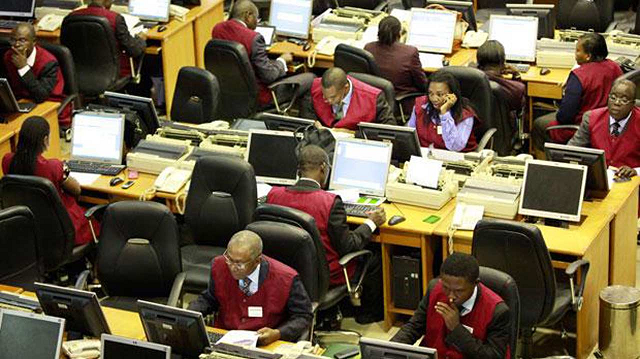
The total market capitalisation of the Nigerian Exchange (NGX) soared to ₦75.58 trillion on the heels of an impressive ₦764 billion gain, as local equities sustained a bullish rally. This surge was fueled by heightened investor demand, particularly in medium to large-cap stocks, leading the market to close on a high note once again.
Market momentum continued to build with the All-Share Index climbing by 1,211.17 points, settling at a historic peak of 119,790.82 — a 1.02% increase from the previous close. As of today, the year-to-date (YTD) gain stands at 16.4%, affirming growing investor confidence in the Nigerian bourse.
Driving the upward trend were substantial buying activities in notable stocks such as DANGSUGAR, OKOMUOIL, WAPCO, and ELLAHLAKES. This wave of interest pushed daily market performance indicators into strong positive territory.
According to market reports from Atlass Portfolio Limited, trading volume and value soared by 30.77% and 10.10%, respectively, compared to the previous session. A total of 854.77 million shares, worth ₦23.48 billion, changed hands across 21,933 deals.
ROYALEX topped the volume charts with 13.71% of total market volume traded, followed by FIDELITYBK (11.11%), ACCESSCORP (7.36%), ZENITHBANK (4.53%), and UBA (4.46%).
In value terms, OKOMUOIL dominated, accounting for 14.04% of the total turnover. DANGSUGAR, OKOMUOIL, UPDC, and BETAGLAS led the gainers’ list with 10% price increases. Close contenders included CHAMPION (+9.98%), ELLAHLAKES (+9.90%), CWG (+9.90%), NEIMETH (+9.83%), and CILEASING (+9.79%).
Meanwhile, DAARCOMM emerged as the worst performer of the day, shedding 7.81%. Other laggards included PRESTIGE (-5.56%), ARADEL (-4.06%), FIRSTHOLDCO (-3.93%), LEGENDINT (-2.87%), and VERITASKAP (-2.00%).
Market breadth closed significantly positive, with 61 gainers outweighing 22 decliners. Sector-wise, the industrial sector advanced the most, climbing 3.13%, followed by consumer goods (+2.01%), banking (+0.94%), and insurance (+0.06%). The oil & gas sector, however, declined by 1.51%.
The overall result was a ₦764.13 billion boost in market capitalisation, reinforcing the NGX’s strong performance trajectory.
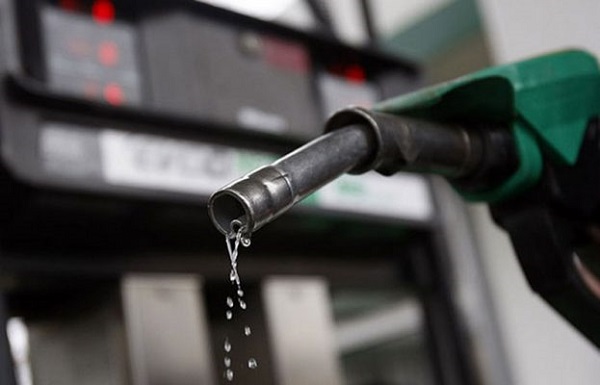
In a new wave of fuel price adjustments, the Nigerian National Petroleum Company Limited (NNPC Ltd) and major downstream players have raised pump prices of Premium Motor Spirit (PMS), commonly referred to as petrol, with consumers in Abuja now paying as much as ₦945 per litre at NNPC stations.
Across Lagos, pump prices were similarly reviewed upward, with NNPC outlets selling PMS for ₦915 per litre — marking increases of ₦35 in Abuja and ₦45 in Lagos from the prior rates of ₦910 and ₦870, respectively.
Independent oil marketers have also joined the price hike, pushing rates to as high as ₦955 per litre in parts of Abuja, representing a jump of ₦60 from the earlier ₦895. In Lagos, independent filling stations are now dispensing petrol between ₦915 and ₦950 per litre, depending on location and operator.
In other South-Western states like Ogun, retail prices hovered between ₦915 and ₦950. Notably, stations linked with Dangote’s partners — including MRS, AP, and Heyden — were seen retailing at ₦925 per litre in Lagos and ₦935 in Ogun.
NNPC outlets also reflected the new pricing structure, despite claims from station managers that the current stock was procured before the price hike. According to multiple sources, filling stations are adjusting their prices preemptively amid fears of further volatility.
The revision comes on the heels of Dangote Petroleum Refinery’s recent increase in its ex-depot price of PMS, moving it from ₦825 to ₦880 per litre. This shift triggered an industry-wide ripple effect, culminating in revised pump prices across various channels.
In Abuja’s Kubwa area, the NNPC retail station at the Federal Housing junction displayed the new ₦945 per litre rate prominently, while another NNPC mega station on Obasanjo Way also reflected the revised pricing.
Lagos residents also reported new prices at several stations. In Igando and along the Badagry Expressway, NNPC-branded stations reflected the ₦915 rate. Meanwhile, MRS, one of Dangote Refinery’s distribution allies, raised pump prices to ₦925 per litre, up from the previous ₦875.
Other retail marketers were not left out. TotalEnergies now dispenses PMS at ₦910 per litre, while independent retailers like Oluwafemi Arowolo Petroleum in Iba have adjusted prices to ₦920.
There are growing indications that prices may climb even higher in the coming weeks. Supply hubs in Lagos — including Pinnacle, NIPCO, and Wosbab — have revised their ex-depot prices to between ₦920 and ₦925 per litre, citing a sharp uptick in upstream supply chain costs and international crude oil volatility.
Industry data from petroleumprice.ng revealed that Dangote Depot recently concluded sales at ₦905 per litre. Meanwhile, NIPCO Lagos saw the steepest increase with a ₦25 spike, translating to a 2.72% rise — the highest among surveyed depots.
Other depots such as Fynefield, TSL, and Ever posted depot rates as high as ₦940/litre, while WOSBAB, Rainoil, and First Fortune have attempted to hold prices steady at ₦920.
With deregulated market dynamics and ongoing instability, these recurring increases are raising inflationary concerns, especially for commuters and small businesses who now face higher operational costs and dwindling profit margins.
Globally, tensions between the United States and Iran have added a layer of uncertainty to oil markets. An alleged joint airstrike by U.S. and Israeli forces on Iranian nuclear facilities over the weekend has sent shockwaves across international energy markets.
In retaliation, Iran reportedly launched six missiles targeting U.S. military installations in Qatar and Iraq. The missile strikes caused loud explosions in Doha, prompting Qatar’s government to confirm the assault on the U.S.-operated Al Udeid base, calling it a “flagrant violation of sovereignty.”
Oil prices initially surged on the news, with expectations of supply chain disruptions pushing Brent crude to its highest level since January. However, prices later retreated, with Brent futures falling to $71.66 per barrel and West Texas Intermediate (WTI) dropping to $68.32.
Commenting on the ongoing market turbulence, Olatide Jeremiah, Chief Executive Officer of PetroleumPrice.ng, noted that “marketers are now engaging in speculative pricing due to heightened tension at the depots.”
He continued, “Depot-level price increases have become detached from crude oil price movements. While global crude prices have only risen by around 3%, depot fuel prices have jumped more than 10%. Eventually, these hikes will cascade down to the retail pumps.”
As Nigerians grapple with the growing cost of living, many are bracing for more adjustments in the price of petrol — a core driver of economic activity and household spending.
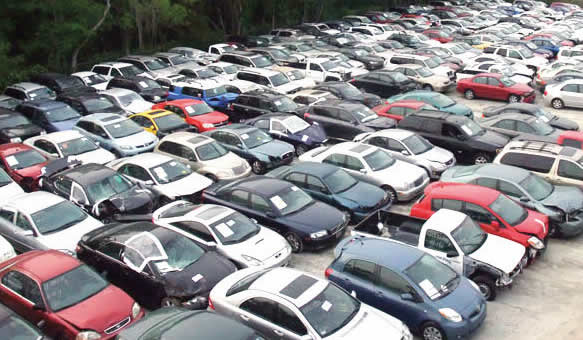
Buying a Tokunbo car in Nigeria—whether it’s from Berger in Lagos or shipped directly from Cotonou—is like threading a needle in a storm. You’re hoping for good value, but one overlooked issue and boom—your “sweet deal” becomes a money pit.
Now, that’s not to scare you, but let’s be honest: in Nigeria, used cars come with stories. Some good, some tragic. Your job? Figure out which is which before the money changes hands. So, let’s get into the nitty-gritty—the 11 checks you should absolutely, positively, without-fail run through before you buy a Tokunbo vehicle in Nigeria.
1. Start With the VIN or Prepare to Be Sorry
Think of the Vehicle Identification Number (VIN) as the car’s DNA. Every scratch, crash, and cross-country haul—it’s all recorded. Get that number and plug it into a platform like AutoCheck, Carfax, or even local services that give you access to import and accident history.
If a seller hesitates to hand over the VIN or gives you a report that looks sketchy, don’t rationalize it—just walk away. There are too many decent options out there to start your car-buying journey with suspicion.
2. Pop the Hood—Don’t Just Gawk at the Body
This isn’t a beauty contest. That shiny exterior might be hiding an engine that’s practically coughing its last breath. Here’s what you need to do:
Pull out the dipstick and check the engine oil—dirty oil means poor maintenance.
Look under the car for leaks—oil, coolant, transmission fluid. Any of those is a bad sign.
Start the car and listen closely. A steady hum is fine. Rattling, loud ticking, or smoke? Problem.
One more thing—don’t let the seller rush you. A proper engine check takes time.
3. Check the Chassis Like You’re Looking for Clues in a Crime Scene
Because frankly, you are. Bent frames, weld marks, rust under the body—these are the footprints of past accidents. Some sellers do a great job cleaning up the surface but forget the underside tells a deeper story.
If the car was imported from snowy parts of the U.S. or Canada, be extra wary—salt from winter roads is a silent killer of chassis steel.
4. The Transmission Test Is the Deal Breaker
Take it for a spin. Not around the corner—an actual test drive on open road. Pay attention to how it shifts. Automatic? It should be butter-smooth. Manual? Gear changes should be clean and firm.
If you notice jerking, gear slipping, or weird sounds when accelerating—your wallet should start itching because a bad transmission is costly to fix.
5. Look Down—Your Tires Are Talking
Uneven wear on the tires often means more than just age. It could be:
Suspension issues
Wheel misalignment
Chassis problems
Bounce the car lightly. If it rocks excessively or you hear knocking sounds over bumps, the shocks might be gone. Suspension repairs aren’t cheap, especially if you’re fixing multiple components at once.
6. Dashboard Lights Are the Car’s Way of Begging for Help
When you start the car, all warning lights should come on for a second, then disappear. If any stay on—especially the check engine, ABS, or airbag lights—take that seriously.
Don’t guess. Use a diagnostic scanner or ask the mechanic to plug one in. That tiny blinking light could mean anything from a faulty sensor to a busted catalytic converter.
7. The Interior Tells You How the Car Was Treated
You can tell a lot about a car’s past by sitting in it for five minutes:
Sagging roof lining? Poor storage.
Faded dashboard? Sun exposure.
Torn seats or broken AC controls? Rough handling.
Damp smell or wet carpets? Flood damage. Run!
And let’s face it—if the previous owner couldn’t keep the inside tidy, you really think they changed the oil regularly?
8. Don’t Just Tap the Brakes—Test Them for Real
Brake performance isn’t something to guess. On your test drive, ask yourself:
Does the brake pedal respond quickly?
Any squeaking, grinding, or screeching?
Does the car pull to one side or does the steering wheel shake when you brake?
Nigerian roads are unpredictable. You don’t want to find out your brakes are weak when danfo drivers are swerving in traffic.
9. Paint Jobs Can Lie—So Can Body Panels
Look at the exterior in broad daylight, not in a dim car park. Here’s what to watch:
Different shades of paint on panels? Probably repainted after a crash.
Bubbling paint or rough textures? Body filler (putty)—a cover-up.
Use a small magnet to check metal panels. If it doesn’t stick evenly, the panel might’ve been filled or replaced.
Don’t forget the windshield and windows—cracks and fogging mean more expenses.
10. Documents Must Be Water-Tight, Not Half-Baked
This is Nigeria. If your car papers aren’t intact, you’re just borrowing problems. What you must confirm:
Original customs duty certificate
Bill of lading
Form M
Vehicle registration documents
Proof of ownership (plus the seller’s valid ID)
If the seller starts fumbling or says “Oga, I go bring am later,” politely say, “don’t worry, keep your car.”
FRSC won’t take “he said he’d bring it” as an excuse when you’re flagged down.
11. Always Bring a Trusted Mechanic—No Matter What You Think You Know
Yes, you’ve watched YouTube tutorials. Maybe you’ve even bought a car before. Still—bring a mechanic.
Why? They can:
Catch tampered odometers
Check for hidden accident damage
Tell you if the asking price is fair
Save you from buying a car that looks perfect but drives like a worn-out generator
Mechanics see things the average buyer won’t notice, no matter how “sharp” you think you are.
Final Thoughts
Here’s the thing—the Nigerian car market isn’t going anywhere. So why rush and regret? Ask questions, inspect thoroughly, and take your time. The more detailed you are, the better your odds of driving away with something you’ll actually enjoy—not just endure. And remember: A good Tokunbo car doesn’t just save you money—it gives you peace of mind. That’s priceless.
The Nigerian equities market experienced a robust surge on Monday as investors collectively netted over ₦278 billion in gains, driven by heightened market activity and strong bullish momentum in several key stocks including PRESCO, NASCON, and NAHCO.
PRESCO led the rally with a 10.00% price spike, while NASCON followed closely with a 7.94% rise in value. Other top performers included NAHCO with a 6.58% jump, FIRSTHOLDCO up by 3.90%, OANDO at 3.61%, WEMABANK at 3.57%, and STERLINGNG at 3.39%.
Also among the day’s gainers were ACCESSCORP (2.28%), TRANSCORP (2.13%), ZENITHBANK (1.90%), UCAP (1.84%), INTBREW (1.82%), UBA (1.45%), FCMB (0.51%), and Nigerian Breweries (NB), which climbed by 0.35%.
Last week, the Nigerian Exchange (NGX) closed with a whopping ₦1.75 trillion in gains, propelling market indicators to unprecedented highs. On Monday, the all-share index added 441.43 basis points to reach a new record close of 118,579.65 points, marking a 0.37% rise.
Market analysts attributed the rally to persistent buying pressure across both high- and mid-cap equities, with sentiment boosted by renewed investor confidence in local assets. Trading activity on the NGX was markedly upbeat, with total volume and turnover climbing by 34.21% and 13.88% respectively.
Data from Atlass Portfolio Limited indicated that 653.66 million shares valued at ₦21.33 billion exchanged hands in 22,206 transactions. Fidelity Bank led in volume terms, contributing 21.70% of the total trades. ZENITHBANK (7.08%), NB (5.83%), FTNCOCOA (5.82%), and ACCESSCORP (5.81%) also featured among the most actively traded stocks.
In value terms, OKOMUOIL topped the charts, accounting for 16.24% of the day’s traded value. Other major gainers included BETAGLAS, CHAMPION, FTNCOCOA, NEIMETH, and PRESCO — all gaining 10.00% each. LEGENDINT and UPL followed with 9.97% increases, while ELLAHLAKES, VITAFOAM, and TRIPPLEG posted gains of 9.94%, 9.91%, and 9.76%, respectively. Altogether, 45 stocks closed positively.
On the losing end, JBERGER fell hardest with a 7.48% drop. Other decliners included CHAMS (-5.09%), MULTIVERSE (-4.66%), CADBURY (-2.36%), GTCO (-1.65%), and MTNN (-0.93%). The overall market breadth stayed positive with 45 advancers outpacing 22 losers.
Sector-wise, the insurance index led the day with a 1.90% advance. The consumer goods segment rose by 0.73%, banking appreciated by 0.62%, oil & gas ticked higher by 0.43%, and industrials edged up 0.19%. Total market capitalization now stands at ₦74.812 trillion, reflecting the ₦278.49 billion gain and 0.37% market expansion.
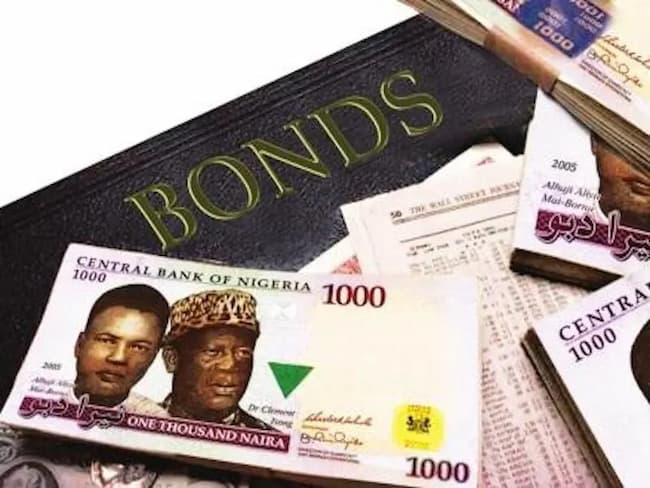
The Debt Management Office (DMO) has slashed interest rates on Federal Government bonds maturing in April 2029, responding to overwhelming investor appetite during the latest primary market auction. Despite strong demand, the agency maintained a strict allotment strategy, accepting only what was initially offered.
The DMO had floated ₦100 billion worth of bonds — comprising ₦50 billion in reopenings and another ₦50 billion in new issuances. However, investor subscriptions soared to ₦602.86 billion, six times the total offer, signaling a robust appetite for naira-denominated assets.
AAG Capital Limited, in its post-auction analysis, noted that the bid-to-cover ratio for newly issued bonds reached a remarkable 11.2x, clearing at a marginally lower stop rate of 17.95%.
In the reopened April 2029 bond tranche, the DMO recorded subscriptions totaling ₦41.49 billion, under the ₦50 billion target. The agency responded by reducing the spot rate on the 5-year bond by 123 basis points, bringing it down to 17.75%.
For the newly issued 7-year bonds, bids came in at a staggering ₦561.17 billion. The DMO eventually allotted ₦98.95 billion at a clearing rate of 17.95%, consistent with the recent downward trend in yields amid aggressive positioning by institutional investors.
Meanwhile, in the secondary market, bond trading remained relatively subdued post-auction. Traders exhibited selective interest in the 2029, 2031, 2033, and 2053 maturities. Particularly, the May 2033 bonds saw light activity with yields ranging between 18.45% and 18.60%. The broader bond market closed with average yields falling by 14 basis points to settle at 18.10%.
Market watchers interpret the strong demand and falling yield environment as a continued vote of confidence in government securities, despite macroeconomic headwinds. However, the DMO’s decision to reject excess bids underscores its strategy to control borrowing costs while maintaining credibility with investors.
The average yield on Nigerian Treasury bills declined in the secondary market after the Central Bank of Nigeria (CBN) rejected excess subscriptions worth N1.071 trillion at last week’s primary market auction.
Following the rejection, investors whose bids were unsuccessful shifted focus to the secondary market, intensifying demand for Treasury instruments. This heightened activity pulled average yields down by 13 basis points to 20.5%, according to a market note by Cordros Capital Limited.
At the auction, the CBN offered a total of N162.02 billion across three tenors:
91-day bills: N22.02 billion
182-day bills: N40.00 billion
364-day bills: N100.00 billion
Despite total subscriptions reaching N1.23 trillion—lower than the N1.31 trillion recorded in the previous auction—the bid-to-offer ratio surged to 7.6x, up from 2.9x. The CBN allotted the exact amount offered, with N37.98 billion for the 91-day, N40.54 billion for the 182-day, and N83.50 billion for the 364-day tenors.
Yields dropped across the board:
91-day bill: 17.80% (down 18 bps)
182-day bill: 18.35% (down 15 bps)
364-day bill: 18.84% (down 51 bps)
In addition, the apex bank conducted an OMO auction offering N600 billion split evenly between 155-day and 204-day bills. The auction attracted strong interest, with N1.15 trillion in subscriptions, translating to a 1.9x bid-to-offer ratio. The CBN eventually allotted N1.07 trillion at stop rates of 24.20% and 24.59%, respectively.
However, in the secondary market, yields on OMO bills climbed 75 basis points to 26.7% as investors offloaded positions to participate in the high-yielding OMO auction.
The naira weakened slightly against the US dollar on Monday at the Central Bank of Nigeria’s (CBN) official window, pressured by increased foreign exchange demand from corporates. Despite the slip, market liquidity remained adequate, keeping the exchange rate relatively stable overall.
According to analysts’ FX updates, the USD/NGN pair traded within a narrow band of ₦1,545.00 to ₦1,551.00. At the close of trading, the naira depreciated by 7 basis points to settle at ₦1,548.52/$.
Meanwhile, Nigeria’s gross external reserves declined further, printing at $37.663 billion as of Friday, according to CBN data. Analysts attributed the drop to continued FX interventions by the apex bank. They anticipate the naira will stay within its current trading range, barring any unexpected shocks.
Oil Prices Slide on Middle East Tensions
Global oil markets saw a sharp decline as geopolitical tensions flared in the Middle East. Brent crude futures fell by $4.90, or 6.3%, to $72.19 per barrel, while U.S. West Texas Intermediate (WTI) dropped $4.60, or 6.2%, to $69.23.
The plunge followed Iran’s missile strike on a U.S. military base in Qatar, a retaliatory move after reported U.S. attacks on Iranian nuclear facilities. However, Iran did not obstruct oil and gas tankers in the Strait of Hormuz—a key global shipping route—helping to prevent widespread panic.
Though oil infrastructure remains intact, market watchers say price pressures could persist if the conflict escalates. In response to the uncertainty, investors shifted toward safe-haven assets. Spot gold rose 0.4% to $3,382.42 per ounce as risk-averse sentiment gained ground.
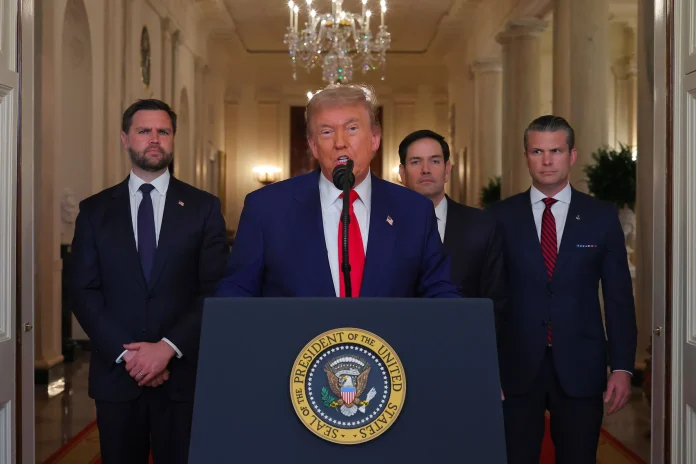
U.S. President Donald Trump has announced that Iran and Israel have agreed to a ceasefire following nearly two weeks of intense hostilities between the two countries.
Posting on his platform, Truth Social, on Monday evening, Trump declared that both nations had committed to a “complete and total ceasefire” expected to take effect at midnight local time. He praised both sides for what he called the “stamina, courage, and intelligence” to end the conflict.
“Congratulations to everyone!” Trump wrote. “It has been fully agreed by and between Israel and Iran that there will be a complete and total ceasefire. Officially, Iran will start the ceasefire, and upon the 12th hour, Israel will start the ceasefire.”
Trump stated that the ceasefire would take effect “in approximately six hours,” with both countries given time to wind down their military operations. He added that by the 24th hour, an official end to what he called “the 12-Day War” would be celebrated globally.
However, there was no immediate confirmation from either Israel or Iran regarding the terms of such a deal.
Iran Pushes Back on Announcement
Iran’s Foreign Minister, Seyed Abbas Araghchi, pushed back against Trump’s claims, stating that there was no formal agreement yet.
“As of now, there is NO ‘agreement’ on any ceasefire or cessation of military operations,” Araghchi said in a statement early Tuesday. “However, provided that the Israeli regime stops its illegal aggression against the Iranian people no later than 4 a.m. Tehran time, we have no intention to continue our response afterwards.”
He further emphasized that Iranian military operations had continued “until the very last minute, at 4 a.m.” in response to Israeli attacks.
Uncertainty Lingers Despite U.S. Mediation
While Trump framed the announcement as a major diplomatic breakthrough, the lack of immediate confirmation from either party and Iran’s cautious language suggest uncertainty around the actual implementation of the ceasefire.
The conflict, which escalated rapidly over the past 12 days, has raised fears of broader regional destabilization. Trump concluded his statement by saying, “This is a war that could have gone on for years and destroyed the entire Middle East, but it didn’t, and never will.”
The Federal Government recorded a total revenue of ₦6.9 trillion in the first quarter of 2025, marking a 40% increase from ₦5.2 trillion in the previous quarter, according to the Minister of Finance and Coordinating Minister for the Economy, Wale Edun.
Edun disclosed this on Monday during the Citizens and Stakeholders’ Engagement event in Abuja, which focused on implementing President Bola Tinubu’s economic priorities for Q2.
He attributed the surge in revenue to improved transparency, automation, and recent policy reforms—particularly those linked to exchange rate adjustments and technology-driven collection systems. “This increase reflects our commitment to fiscal discipline and closing leakages,” Edun stated.
Fiscal Sustainability Improving
The Minister noted a significant improvement in fiscal health, with the debt service-to-revenue ratio falling from 150% to around 60% by the end of 2024. He also confirmed that the government has not resorted to Ways and Means financing, signalling stronger macroeconomic stability.
Edun stressed the importance of data integrity, assuring the public of consistent reporting between the Budget Office and the Accountant-General’s Office, despite differences in data presentation formats.
Investment and Economic Outlook
Highlighting rising investor confidence, Edun cited Shell’s $5.5 billion commitment to Nigeria’s oil sector as a major win for government policy direction. He said the third phase of the administration’s economic reform focuses on attracting investment in agriculture, manufacturing, and services to drive job creation and reduce poverty.
“The economy is on the right track,” Edun said. “But while GDP growth of 3.4–3.8% is positive, our target is a sustainable 7% annual growth rate—enough to outpace population growth and lift millions out of poverty.”
Also speaking at the event, Dr. Armstrong Takang, CEO of the Ministry of Finance Incorporated (MOFI), revealed that assets under management had climbed to ₦38 trillion, up from a partial review of just 20 government-owned companies.
Represented by Director Tajudeen Ahmed, Takang outlined MOFI’s three-pillar strategy:
Asset Visibility – Creating a full inventory of federal assets.
Professionalisation of SOEs – Enhancing governance and efficiency.
Capital Mobilisation – Attracting investors through de-risked opportunities.
Takang also announced the development of a National Asset Register, accessible via the MOFI and Finance Ministry websites, which will provide comprehensive data on asset values, locations, and ownership—marking a major milestone in public sector transparency.
The Manufacturers Association of Nigeria (MAN) has raised concerns that the Lagos State Government’s planned ban on single-use plastics (SUPs) could displace over 89 percent of operators in the plastic value chain, putting thousands of livelihoods at risk.
In a statement issued on Monday, MAN’s Director-General, Segun Ajayi-Kadir, urged the state government to suspend the ban, which is scheduled to take effect on July 1, 2025, and instead adopt a more inclusive, data-driven approach to plastic waste management.
Ajayi-Kadir cited findings from a MAN-supported study which revealed significant economic, operational, and social consequences across the value chain—from manufacturers to wholesalers, traders, and end-users. The report indicated that more than 89 percent of operators depend solely on trading SUPs for their income, while 100 percent of manufacturers surveyed expressed concern that the policy could lead to mass workforce restructuring.
He further highlighted that 93 percent of affected businesses, many of them women-led, have received no form of government support or information to cushion the impact of the upcoming ban. “This policy risks wiping out small businesses and creating widespread job losses,” he said.
Ajayi-Kadir described the government’s approach as lacking adequate consultation and credible data. He stressed that the problem lies not with plastics themselves, but with ineffective waste management systems. “It is the failure of plastic waste management that causes environmental and social harm,” he noted.
Instead of establishing a new Lagos State Plastic Waste Fund, MAN called on the government to strengthen the already existing Extended Producer Responsibility (EPR) Programme. He pointed out that more than 40 MAN member companies are actively participating in the Food and Beverage Recycling Alliance.
Ajayi-Kadir also warned that affordable and commercially viable alternatives to SUPs are not currently available in the market. He said the ban could compromise product integrity, increase consumer costs, and even disrupt food packaging practices.
In addition, he raised concerns that recyclers could suffer from a shortage of feedstock, while manufacturers might lose export revenue and face disruptions in regional supply chains, particularly across West Africa.
MAN urged the Lagos State Government to draw lessons from the National Plastic Action Roadmap and the draft National Plastic Waste Control Regulation, both of which were developed through broad stakeholder engagement and align with circular economy principles.
The association called for strategic investments in waste infrastructure such as material recovery facilities, local recycling plants, and the development of sustainable alternatives to plastic.
Ajayi-Kadir concluded by emphasizing the importance of job creation, circularity, and reforms grounded in Nigeria’s socio-economic realities. “The four pillars of the International Labour Organisation’s Decent Work Agenda—social dialogue, social protection, rights at work, and employment—must be central to any policy implementation,” he said.
He reaffirmed MAN’s support for environmental reforms, but insisted they must be inclusive, evidence-based, and implemented in a sustainable manner.
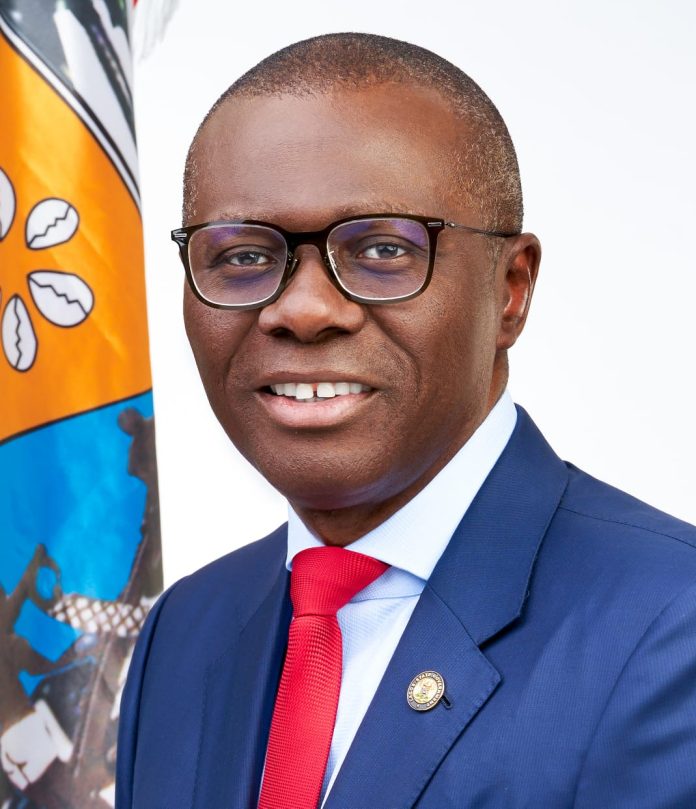
Lagos State Governor, Babajide Sanwo-Olu, is set to commission the largest safety footwear manufacturing factory in Nigeria, a major milestone for local industry and manufacturing in the country.The factory, owned by Yikodeen Company Limited, will be officially unveiled on Tuesday, June 24, 2025.
The ultra-modern, 120,000-square-foot facility is capable of producing up to 5,000 pairs of safety boots daily—representing a dramatic leap from the company’s initial output of just 20 pairs per day when it launched operations in 2016.
In a statement issued Monday, Yikodeen described the commissioning as a landmark moment for Nigeria’s industrial sector. “This expansion positions Yikodeen as the operator of the largest safety footwear manufacturing plant in West Africa,” the company stated.
Governor Sanwo-Olu will chair the commissioning ceremony, which will be attended by top dignitaries from government, industry, and traditional institutions. Expected guests include the Ooni of Ife, Oba Adeyeye Ogunwusi; the Olu of Warri, Ogiame Atuwatse III; and the Executive Secretary of the Nigerian Content Development and Monitoring Board, Felix Ogbe. The Chairman of Yikodeen’s Board, Ajibola Akindele, will serve as Chief Host.
Yikodeen’s Chief Executive Officer, Atunde Olayinka, said the event represents more than just a factory launch. “It is a declaration of what is possible when visionary leadership, local talent, and long-term investment come together in the service of national development,” he said. “We are not just opening a factory—we are unlocking new possibilities for industrial self-reliance in Nigeria and across Africa.”
The new facility features cutting-edge manufacturing and quality control technologies, including fully automated European production lines and precision-driven quality assurance systems. Yikodeen will now produce a range of products including industrial safety boots, educational footwear, and its Yiko Plus athletic line.
The expansion has already created over 180 skilled jobs, with plans to add at least 20 more as operations scale up. The company estimates that the factory’s operations will inject over N5 billion annually into the Nigerian economy through employment, procurement, and regional supply chain development.
The project was made possible through a strategic investment from Aruwa Capital Management, a women-led private equity firm focused on inclusive growth. While the financial terms were not disclosed, the investment reportedly facilitated Yikodeen’s factory upgrade, digital transformation, and market expansion efforts.
Governor Sanwo-Olu is expected to highlight the significance of industrial development in Lagos and reaffirm the state government’s support for homegrown enterprises committed to driving economic growth and job creation.
The statement added that the Lagos State Government remains focused on catalysing local production as a key component of sustainable development and economic transformation.
TaxADR, in collaboration with the Federal Inland Revenue Service (FIRS) and His Majesty’s Revenue & Customs (HMRC, UK), will host a pioneering two-day TaxADR Roundtable under the theme “Unlocking Revenue & Strengthening Dispute Resolution: A Roadmap to Tax ADR in Nigeria.” This hybrid event will take place at the Shehu Musa Yar’Adua Centre, Abuja (in-person and online) on 25–26 June 2025.
With Nigeria’s rapidly evolving economic landscape, protracted tax disputes are hindering revenue generation and investor confidence. The recently launched National ADR Policy and harmonised tax laws present a strategic opportunity to integrate Alternative Dispute Resolution (ADR) into the tax administration system. A structured TaxADR framework can help reduce dispute backlogs and litigation costs, bolster taxpayer trust and compliance, increase revenue efficiency, and align Nigeria with international best practices.
Mr. Lateef O. Yusuff, Barrister & Founder of TaxADR, emphasized during a press briefing in Lagos that the Roundtable comes at a pivotal moment. With the Attorney General’s recent approval of the National ADR Policy, the nation is poised to institutionalise ADR mechanisms across key sectors. The event will advocate for a tax-specific ADR framework aligned with this policy, fostering engagement among government officials, tax administrators, business and ADR experts, international practitioners, and development partners.
The two-day event will be structured as follows:
Day One (25 June): Public Lecture – Free Entry
Open to all participants, Day One will feature two keynote addresses:
Anita Erinne, Coordinating Secretary of the Tax Appeal Tribunal, will speak on “The New Tax Reforms and the Role of ADR.”
Fiona McRoberts, Head of Alternative Dispute Resolution at HMRC, will address “A Decade of ADR in HMRC: A Collaborative Approach to Dispute Resolution.”
This public session is designed to raise awareness, deepen institutional understanding, and build consensus for ADR’s role in Nigeria’s tax ecosystem.
Day Two (26 June): Technical Workshop – CPD Accredited (Paid Participation)
This practitioner-focused session will offer hands-on training and peer exchange among tax officials, legal experts, ADR professionals, and policy stakeholders. The workshop is formally accredited in the UK and by the Nigerian Bar Association (NBA) and will explore practical implementation of ADR mechanisms in dispute resolution across tax jurisdictions.
The organisers reiterated that strengthening Nigeria’s tax system is essential to national economic recovery. Multi-sectoral cooperation and a commitment to policy innovation, investment, and job creation are vital to achieving this goal. For enquiries, pls text: 08103316644 & 09054415548
Dignitaries expected at the Roundtable include the Honourable Attorney General and Minister of Justice, Minister of State, Finance, Executive Chairman of FIRS, amongst others. Participation is open to government officials, business leaders, tax experts, ADR practitioners, and academics.
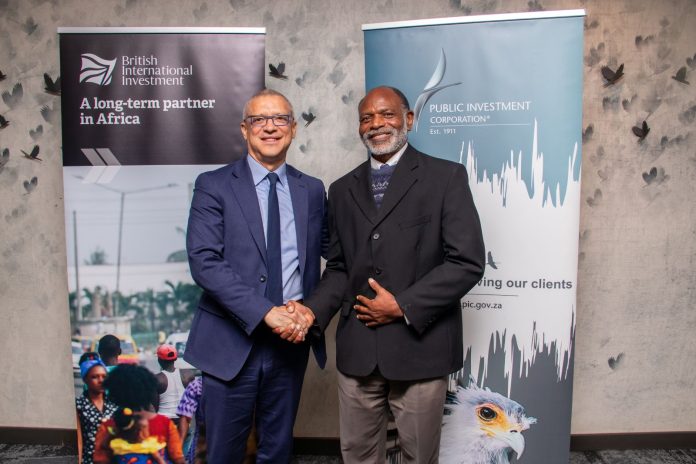
The Public Investment Corporation (PIC) and British International Investment (BII) have signed a Memorandum of Understanding (MoU) to accelerate collaboration in investments across the African continent.
The agreement between one of Africa’s largest asset managers and the UK’s development finance institution and impact investor, establishes a framework for the PIC and BII to jointly explore and pursue impactful investment opportunities, aligning their mandates and resources to drive sustainable economic growth and development across the continent.
The MoU outlines a commitment to share deal pipelines, facilitating the exchange of promising investment opportunities across various economic sectors like agriculture, financial services, infrastructure and climate initiatives. The partnership will foster regular dialogue and explore co-investment possibilities, leveraging the expertise of both organisations to maximise impact.
By combining their strengths, the PIC and BII aim to unlock new avenues for capital deployment and contribute to transformative development across Africa. The organisations have committed to review investment opportunities in debt, equity and funds.
The PIC has an investment mandate that enables it to capitalise on development-focused projects. In this regard, the PIC development mandate incorporates broad areas including investments in unlisted South African-based entities, with a focus on sectors such as agriculture, manufacturing, mining, and financial services economic, environmental, and social infrastructure, as well as developmental investments in the rest-of-Africa.
On the other hand, BII has been investing in Africa for over 75 years, providing long-term capital that supports the growth of productive, sustainable and inclusive economies. With a portfolio of US $5.6 billion invested across 810 companies in Africa, the DFI uses its capital to back businesses that drive local economies, build infrastructure that connects people, and create jobs and services that help communities to thrive. The partnership with PIC forms part of BII’s strategy to work with institutional investors and use its concessionary capital to create ways in which more commercial capital can be deployed to support development in Africa.
According to Mr. Abel Sithole, outgoing CEO of the PIC, the organisation’s strategy of investing on the rest of the African continent is underpinned by investing through partnerships. “The BII partnership cements this strategy and will enable the use of blended funding models to unlock investments that facilitate infrastructure development, industrialisation and trade on the continent. We are elated by the powerful force of two large impact investors working together for the benefit of Africa,” Mr. Sithole explained.
Commenting on the cooperation, the PIC Chief Investment Officer, Mr. Kabelo Rikhotso, said: “We consider cooperation and partnerships as an important factor in our ability to deliver on client investment mandates. The signing of this MoU provides the opportunity to expand our investments across Africa. Sharing deal pipelines and the potential for co-investment opportunities provides important prospects for cooperation between the PIC as an asset manager and the BII as a global development finance institution, committed to investing in emerging economies.”
BII CEO, Mr. Leslie Maasdorp added: “This partnership with PIC exemplifies our shared ambition to drive growth and increase impact across the continent. By leveraging our combined expertise and resources, we can unlock new opportunities for transformative investments that support sustainable development, drive economic growth, and attract increased commercial capital into key sectors across Africa.”
Mr. Antony Phillipson, British High Commissioner to South Africa, said: “This landmark partnership between BII and the PIC marks a significant step forward in deepening the UK-South Africa Growth Partnership. It reflects our shared commitment to mobilising capital for sustainable development across Africa. This collaboration brings together two institutions with a strong track record and a common vision – to unlock inclusive growth, support resilient infrastructure, and create long-term opportunities in South Africa and across the continent.”
Stakeholders drawn from the transportation sector and law enforcement agencies have canvassed the need for collaborative approach, increased safety education as well as standardized regulations to address security challenges arising from ride-hailing services in Nigeria.
In his welcome address at the inDrive Safety Education Summit 2.0 held on Friday, June 20, 2025, the Country Representative, inDrive Nigeria, Timothy Oladimeji stated that the summit was conceived with the aim of fashioning out insights that would help the platform to work with other stakeholders with a view to ensuring safety of both drivers and riders while also bridging users’ education gap about its safety features.
Oladimeji explained that safety remains a collective responsibility which all stakeholders including riders and drivers must take cognizance of.
He disclosed that inDrive has invested heavily on technology to improve its safety features such that even before a rider gets on a trip, safety is already guaranteed.
Delivering his keynote address, Commissioner for Transportation, Lagos State, Oluwaseun Osiyemi who was represented by the Director, Public Transport and Commuter Services (PTCS), Engr. Adebayo Olusoji described the gathering convened by inDrive as a testament to the collective commitment of stakeholders to creating safer environments for citizens.
At a panel session titled” Strengthening Driver & Passenger Trust”, Osiyemi explained that it has become imperative to strengthen collaborations, and address the challenges faced in the journey towards safer urban mobility.
Highlighting some of the steps necessary to make urban mobility safe, he identified the need to prioritize strengthening of interagency coordination through concerted efforts of various government bodies, transport authorities, law enforcement, and even private sector players must come together
According to him, creating streamlined communication channels and fostering a spirit of collaboration among these entities would open doors to innovative solutions that address the pressing issues of traffic congestion, road safety, and emergency response.
“We have seen the impact that enhanced coordination can have in mitigating crises and ensuring quick and effective responses to emergencies. Whether it’s through shared data systems, joint training exercises, or collaborative policy-making, the benefits of interagency coordination are vast. It is time we leverage our collective knowledge and resources to create a harmonized approach to urban mobility,” he said.
He also pointed out the need to standardize safety regulations across boards adding that by doing so, all operators and transport systems will be held to the same high level of safety, regardless of location or mode of transport.
“In our quest for standardization, we must also remain adaptive, as technology continues to evolve at an unprecedented pace. Our regulations must incorporate modern advancements such as smart mobility solutions and emerging safety technologies to ensure that we are not only reactive but proactive in our approach to improving urban mobility and safety,” he said.
He also identified the need for inclusive stakeholder engagement in the policymaking process, stating that insights and perspectives from transportation stakeholders are instrumental in crafting policies that are both effective and empathetic to the needs of diverse populations.
Making his submission during the panel session, Superintendent Route Commander, Federal Road Safety Corp, Lagos Command, Ayodele Ologun revealed that the law enforcement agency is doing a lot within its power to ensure that passengers, riders and drivers are safe.
Ologun stated that the Lagos command has been quite responsive in reporting incidents or crashes and providing post-crash inspection to victims post-crash and post-crash monitoring as the need arises.
He disclosed that the agency has upscaled its service delivery to Nigerians especially with the introduction of the FRSC app for any individual to report if there is an accident or determine the speed of the vehicle in question.
Also speaking at the session, Public Relations Officer, Nigerian Police Force, Lagos Command), Benjamin Hundeyin who was represented by the Deputy Superintendent of Police, Rapid Response Squad, Lagos Command, Adedayo Abu Sadiq explained that the Nigeria Police Force is doing everything within the ambit of the law to guarantee the safety of every Nigerian.
According to Abu Sodiq, the current Nigerian Police Force has been quite responsive in protecting the citizen especially as it relates to any case of emergency.
He stated that the Force would continue to collaborate with ride-hailing platforms, transport stakeholders as well as other law enforcement agencies in ensuring the safety of citizens.
Also speaking during the session, Country Public Policy & GovernmentAffairs Manager,inDrive Nigeria, Maryanne Momoh-Ige stressed the need for the government to formulate public policy that protects ethical disclosure of data noting that doing so serves as an appropriate framework needed to protect the passengers, the companies, and their fundamental rights to data privacy.
The event also featured a fireside chat titled “Innovation in App-Based Mobility Safety” and involving the winner of 2023 Aurora Tech award, Folake Owoduni
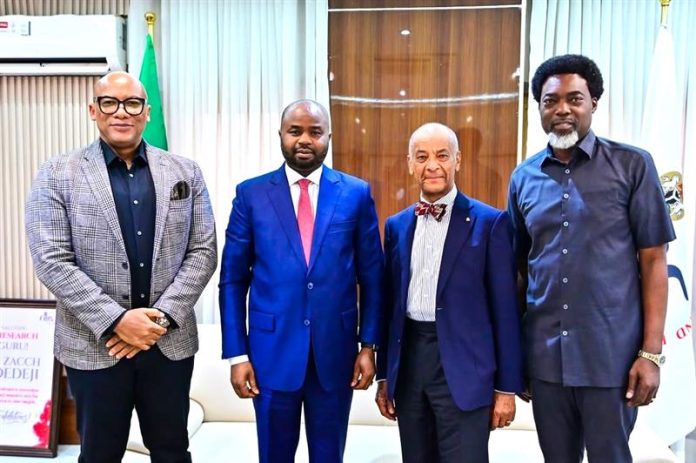
The leadership of Interswitch Group, one of Africa’s leading integrated payments and digital commerce companies, recently paid a courtesy visit to the Executive Chairman of the Federal Inland Revenue Service (FIRS), Dr. Zacch Adedeji, at the FIRS Headquarters in Abuja.
The Interswitch delegation was led by the Group Managing Director and Chief Executive Officer, Mitchell Elegbe, and the Board Chairman and Lord-Lieutenant of Greater London, Sir Ken Olisa. Also present at the meeting was the Chief of Staff to the Executive Chairman and Coordinating Director of the FIRS Strategic Management Office, Tayo Koleosho.
The visit served as an opportunity to strengthen the relationship between Interswitch and the FIRS, reinforce ongoing collaboration, and reiterate Interswitch’s commitment to responsible corporate citizenship and support for national development efforts.
Speaking concerning the visit, Elegbe, remarked:
“We recognise the critical role that the FIRS plays in shaping Nigeria’s fiscal landscape, and we are honoured to engage at this level. At Interswitch, we see our work not just through the lens of innovation, but also through the responsibilities that come with growth. This visit reflects our belief that public-private partnerships are essential to building sustainable progress in the digital economy.”
The courtesy visit reflects Interswitch’s continued efforts to maintaining strong, transparent relationships with key regulatory institutions, while contributing meaningfully to Nigeria’s economic advancement. Interswitch remains committed to building solutions that support national objectives, aligning innovation with compliance, and driving transformation across Africa’s financial ecosystem.
Premium Motor Spirit (PMS) pump price, also known as petrol, surged to as high as N955 per litre on Monday, following fresh upward adjustments by the Nigerian National Petroleum Company Limited (NNPCL) and independent marketers.
In the Federal Capital Territory, NNPC retail outlets revised their pump price to N945/litre, while some of their Lagos stations now dispense petrol at N915/litre, up from N910 and N870, respectively. The hike represents an increase of N35 in Abuja and N45 in Lagos.
Independent marketers have also raised prices, with some stations in Abuja selling PMS for N955/litre, marking a N60 increase from the previous rate of N895. In Lagos, retail prices ranged between N915 and N950/litre, depending on location and marketer.
Retailers associated with the Dangote Petroleum Refinery, such as MRS, Heyden, and AP, implemented a new pump price of N925/litre in Lagos and N935/litre in Ogun State. TotalEnergies now sells at N910/litre, while outlets like Oluwafemi Arowolo Petroleum adjusted prices to N920/litre.
The price hike follows a recent increase in the ex-depot price by Dangote Refinery from N825 to N880/litre, which has since triggered a market-wide ripple effect. Depot sources confirmed that major supply hubs, including WOSBAB, Pinnacle, and NIPCO, now offer ex-depot rates between N920 and N925/litre as of June 23, citing rising global crude prices and upstream cost pressures.
Data from PetroleumPrice.ng also revealed that NIPCO Lagos led the spike with a 2.72% price jump, the highest among surveyed depots, raising prices by N25 to N940/litre in some locations. Dangote’s depot closed at N905/litre, while others like Fynefield, TSL, and Ever saw similar increases. A few, including First Fortune and Rainoil, held steady at N920/litre.
BizWatch Nigeria correspondents observed that NNPC mega stations and independent outlets across key areas in Abuja, such as Kubwa and Airport Road, reflected the new pricing. A.Y.M. Shafa, A.A. Rano, and NIPCO stations were selling PMS uniformly at N955/litre, while strategic partners like Optima and MRS priced theirs at N945/litre.
The persistent hikes in pump prices are expected to further strain household incomes and transportation costs, intensifying inflationary pressure in an already volatile deregulated downstream market.
Global Oil Market Turbulence Adds Pressure
On the international front, geopolitical tensions between the United States and Iran have sent shockwaves through the global oil market. A U.S.-Israeli airstrike on Iranian nuclear facilities over the weekend has triggered retaliatory missile attacks from Iran on U.S. bases in Qatar and Iraq.
Qatar confirmed that its Al Udeid base—run by the U.S.—was targeted, calling the incident a “flagrant violation.” While these developments initially drove oil prices upward, Brent crude futures surprisingly dipped to $71.66 per barrel, and WTI crude fell to $68.32 on Monday, reflecting market volatility.
According to Olatide Jeremiah, CEO of PetroleumPrice.ng, “Depot-level tensions are escalating, and speculative pricing is taking root. The increase in crude oil prices is around 3%, yet depot prices have jumped over 10%. These artificial hikes are unsustainable and will inevitably filter down to pump prices.”
As price fluctuations continue, industry watchers warn that further instability in the international oil market could deepen the crisis at home, with consumers absorbing the brunt of surging energy costs.