



Home Blog Page 154

Euro Slips Amid US Tariff Threat On European Exports

The euro fell against the US dollar on Tuesday as markets digested news of a potential 30% tariff on European imports under President Donald Trump’s administration, a move that threatens to disrupt transatlantic trade flows.

The euro settled at $1.1603, down 0.55% on the day, hovering near a three-week low as investors assessed the impact of the new trade measures. Trump announced the tariffs would take effect on August 1 but later signaled openness to negotiations.

Higher tariffs could weigh heavily on Europe’s key exporters, particularly in the automotive and pharmaceutical sectors, Oxford Economics’ Matthew Swannell noted in a report. He added that Europe would struggle to offset lost US demand if tariffs drive up prices for European goods.

The US, the EU’s largest external market, is critical for European manufacturers, and the potential tariffs form part of Trump’s broader plan to reduce trade deficits while boosting domestic production.

In response, the European Union has said it will hold off on immediate countermeasures, extending a suspension on planned retaliatory tariffs until early August to allow room for negotiations. The EU aims to secure a preliminary trade agreement with Washington this week, targeting a 10% tariff framework beyond the August 1 deadline while discussions toward a permanent deal continue.

Reports on Tuesday indicated that the US proposed maintaining a 10% baseline tariff with exemptions for certain sectors like aircraft and spirits. However, Washington has so far resisted EU requests to extend exemptions to sensitive industries, including cars, steel, aluminum, and pharmaceuticals.

The EU has warned it is preparing retaliatory measures, including potential export controls and restrictions on US firms’ access to public contracts, if negotiations fail.

Meanwhile, on the monetary policy front, markets expect the European Central Bank to keep interest rates steady at its upcoming meeting, with investors still pricing in a possible 25-basis-point rate cut later this year.

Despite July’s pullback, the euro remains nearly 13% higher against the dollar year-to-date, buoyed by broad dollar weakness and improved sentiment around the eurozone’s economic outlook, particularly after Germany’s pivot toward increased fiscal spending.
Nigeria’s Oil Output Surpasses OPEC Quota In June, Hits 1.5 Million Barrels Daily

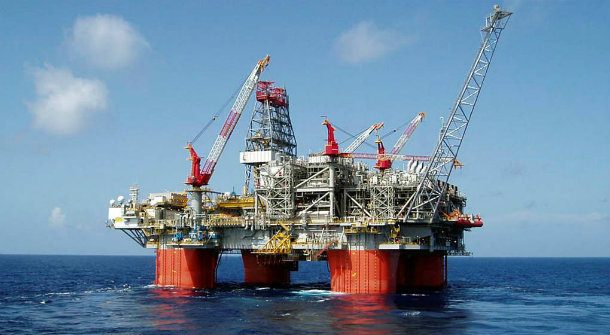
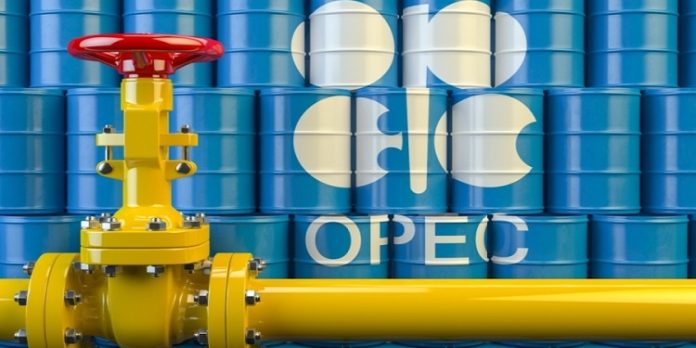
Nigeria’s crude oil production rose above its Organisation of the Petroleum Exporting Countries (OPEC) quota in June 2025, marking the second time this year the country has surpassed its production cap.

According to the latest data from the Nigerian Upstream Petroleum Regulatory Commission (NUPRC), Nigeria’s average daily crude oil output in June stood at 1,505,474 barrels per day (bpd), slightly above the OPEC quota of 1.5 million bpd. When condensates are included, total production reached 1.7 million bpd.

This milestone was previously recorded in January, suggesting a gradual rebound in Nigeria’s oil production, which had fluctuated in the first quarter of the year. In comparison, crude output in May was 1.45 million bpd, with total production (crude and condensates) at 1.65 million bpd. In March, total production dipped to 1.60 million bpd.

NUPRC noted that June’s combined crude oil and condensate production ranged between a low of 1.61 million bpd and a peak of 1.82 million bpd. “The average crude oil production was 100.4 per cent of the OPEC quota,” the agency said.

Despite the improvement, current output remains below the 2.06 million bpd benchmark set in the 2025 national budget.

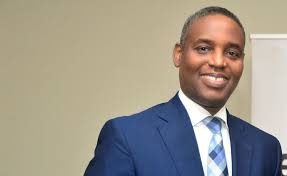
Speaking on the development, the Group Chief Executive Officer of the Nigerian National Petroleum Company Limited (NNPC), Mr Bayo Ojulari, revealed that Nigeria is intensifying efforts to scale production further, with a medium-term target of reaching 2.06 million bpd by 2027.

“We have started growing. In March, we were producing about 1.56 million barrels per day, and we’re now at 1.63 million, including condensates. By the end of the year, we are hoping to clock 1.9 million barrels daily,” Ojulari said.

He attributed the recent gains to improved pipeline security, noting that June witnessed 100 per cent availability of major crude oil pipelines — a feat not achieved in years. The development, driven by coordinated security interventions across the industry, was pivotal in ramping up production levels.

While praising the progress, Ojulari emphasised the need for sustained investment to meet future targets. He said the NNPC has consistently met its cash-call obligations to Joint Venture partners, a move he believes is critical to sustaining momentum.

Energy analysts remain optimistic that with the current trend and enhanced infrastructure security, Nigeria’s oil output may continue to rise in the second half of the year.

Tensions Rise as Dangote Moves to Slash Cooking Gas Prices

• Marketers fear monopoly as refinery targets direct-to-consumer sales

• Industry stakeholders call for collaboration, not competition

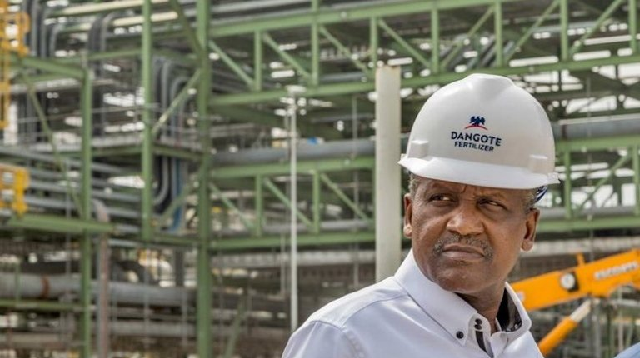
A brewing controversy has emerged in Nigeria’s Liquefied Petroleum Gas (LPG) market as Africa’s richest man, Alhaji Aliko Dangote, unveiled plans to crash the price of cooking gas and initiate direct sales to consumers, a move that has drawn criticism from industry operators who fear a looming monopoly.

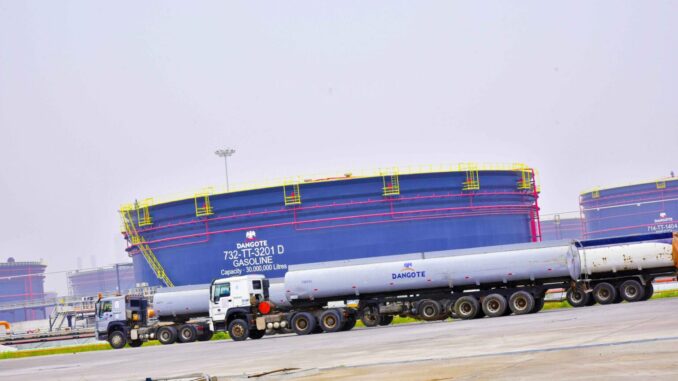
Speaking during a recent tour of the Dangote Refinery in Lekki, Lagos, the President of Dangote Group disclosed that his facility now produces approximately 2,000 tonnes of LPG daily and aims to increase distribution into the Nigerian market. He emphasised that the current price of cooking gas, which ranges between ₦1,000 and ₦1,300 per kilogramme, is unaffordable for ordinary Nigerians, many of whom still rely on firewood and kerosene for cooking.

“We’re trying to bring down the price and make it cheaper,” Dangote told members of Lagos Business School’s CGEO Africa delegation. “If the distributors are not trying to bring it down, we’ll go directly and sell to the consumers.”

The billionaire industrialist warned that should distributors resist the price reduction strategy, his company would bypass them altogether, triggering fears among existing players of potential market dominance.

However, the announcement has met resistance from stakeholders in the LPG sector who allege that Dangote’s plan could distort competition and jeopardise years of collaborative industry growth.

Godwin Okoduwa, former Chairman of the LPG and Natural Gas Downstream Group at the Lagos Chamber of Commerce and Industry, criticised the move as “monopolistic,” urging Dangote to recognise the efforts of earlier investors who scaled the LPG market from 70,000 metric tonnes in 2007 to over 1.3 million metric tonnes by 2022.

“This growth was achieved through collaboration — with government, NLNG, and various offtakers. Dangote shouldn’t ignore the foundation that made the market viable,” Okoduwa said.

“We shouldn’t allow a zero-sum strategy. He should respect the ecosystem and focus on collaboration rather than disruption.”

He added that per capita LPG consumption in Nigeria remains low, averaging just 5–6kg, compared to double-digit consumption in countries like Morocco, Tunisia, and South Africa. According to him, rather than dominating the market, Dangote should invest in developing infrastructure in under-served regions such as the North-East, where LPG usage remains minimal.

Further casting doubt on the feasibility of Dangote’s proposal, the Executive Secretary of the Nigerian Association of Liquefied Petroleum Gas Marketers, Bassey Essien, questioned whether the refinery could realistically sell directly to consumers at a significantly cheaper rate.

“It’s unrealistic. Has the refinery been able to sell petrol directly to consumers at lower rates? The same logic applies here,” Essien remarked.

He argued that while efforts to lower gas prices are commendable, achieving this without disrupting the existing supply chain or marginalising key stakeholders would require strategic partnership — not parallel operations.

Dangote’s Broader Distribution Ambitions

The debate comes as Dangote Group prepares to roll out a national fuel distribution strategy beginning in August. The plan includes the deployment of 4,000 CNG-powered buses and the direct sale of refined petroleum products, including petrol, diesel, and aviation fuel, another bold attempt at redefining Nigeria’s downstream oil and gas market.

While consumers may benefit from lower prices in the short term, industry experts stress that long-term sustainability depends on inclusive policies that balance affordability with fair competition and investment protection.

TIKTOK DELETES OVER 3.6 MILLION NIGERIAN VIDEOS FOR POLICY VIOLATIONS IN Q1 2025

• Platform bans 42,000+ LIVE rooms, expands helpline to Nigeria

• Dr. Ogunlana named Digital Well-being Ambassador

TikTok has removed more than 3.6 million videos uploaded from Nigeria in the first quarter of 2025 for violating its Community Guidelines — a 50 per cent increase compared to the previous quarter.

The disclosure was made in the company’s Q1 2025 Community Guidelines Enforcement Report, which details the platform’s global and regional efforts to foster a safe, respectful, and trustworthy digital space.

According to the report released on Tuesday, TikTok achieved a 98.4 per cent proactive detection rate in Nigeria, meaning the vast majority of the flagged content was taken down before any user reported it. Furthermore, 92.1 per cent of the infringing content was removed within 24 hours of being posted.

Despite the sharp rise in takedowns, the platform emphasised that the removed videos constituted only a small fraction of the overall content created by Nigerian users, which it described as largely “positive, educational, and entertaining.”

As part of regional enforcement actions, TikTok also removed 129 accounts linked to covert operations in West Africa in March 2025, reinforcing its zero-tolerance policy towards manipulation and disinformation.

In addition, the platform ramped up surveillance of LIVE content. Between January and March 2025, TikTok banned 42,196 LIVE rooms and interrupted 48,156 streams in Nigeria for breaching its real-time broadcasting standards.

“LIVE content enforcement remains a priority as we continue to protect the integrity of real-time interactions on the platform,” the report stated.

Global Efforts Mirror Local Trends

Globally, TikTok removed more than 211 million videos in the same quarter, up from 153 million in Q4 2024. Of these, 184 million were flagged and deleted through automated systems, achieving a 99 per cent proactive detection rate.

The company noted that harmful content still made up less than one per cent of total uploads globally, underscoring the platform’s evolving content moderation systems and safety protocols.

Strengthening Digital Well-being in Nigeria

As part of its broader efforts to promote digital well-being, TikTok Africa hosted the ‘My Kind of TikTok’ Digital Well-being Summit in June. The event brought together creators, experts, NGOs, media practitioners, and industry stakeholders from across Sub-Saharan Africa to explore solutions for a healthier digital environment.

The platform also announced the expansion of its in-app helpline to Nigeria, in collaboration with Cece Yara, a child-focused non-profit dedicated to youth protection. The helpline is designed to support users — particularly young people — dealing with sensitive issues such as harassment, hate speech, self-harm, and suicidal thoughts.

Additionally, TikTok named renowned healthcare professional Dr. Olawale Ogunlana (popularly known as Doctor Wales) as its Digital Well-being Ambassador for Nigeria. He joins the World Health Organisation’s Fides Network, which brings together frontline experts to tackle online health and safety challenges.

Through ongoing initiatives like the #SaferTogether campaign, TikTok continues to urge its users to report harmful content and play an active role in cultivating a safe and inclusive online community.

Budget 2025 Under Threat as Nigeria Misses Crude Oil Output Target Again

Nigerian Oil Companies Risk Sanction

• OPEC pegs June output at 1.547m barrels/day

• Bonny Light trades at $69, below $75 benchmark

There are renewed concerns over the implementation of Nigeria’s N54.99 trillion 2025 budget, following a fresh disclosure by the Organisation of Petroleum Exporting Countries (OPEC) that the country has once again fallen short of its crude oil production target.

According to OPEC’s July 2025 Monthly Oil Market Report (MOMR), Nigeria’s crude oil output (excluding condensates) stood at 1.547 million barrels per day (bpd) in June 2025, based on data from secondary sources. This represents a marginal increase of 1.24 per cent from 1.528 million bpd recorded in May 2025.

However, when direct communications from Nigeria were considered, OPEC noted a slightly lower figure of 1.505 million bpd for June, up from 1.453 million bpd in the preceding month.

These figures remain significantly below the Federal Government’s 2025 budget assumption of 2.06 million bpd, raising questions about the viability of the fiscal plan.

In a further blow to the budget’s assumptions, Nigeria’s Bonny Light crude hovered at $69 per barrel on Tuesday — $6 short of the $75 benchmark price set in the budget. Combined with the official exchange rate of N1,500/$, these variances pose a considerable threat to revenue projections and fiscal stability.

Speaking to Vanguard on the implications, Professor Wumi Iledare, Emeritus Professor of Petroleum Economics and Executive Director of the Emmanuel Egbogah Foundation, said the budget was built on unrealistic expectations.

“I recall clearly expressing concern that the budget assumptions bordered on daydreaming,” he said. “The key variables—production volume, oil price, and costs—are highly volatile. This situation exposes the fragility of our budgeting process, which needs serious reform.”

Echoing similar sentiments, the National President of the Oil and Gas Service Providers Association of Nigeria (OGSPAN), Mazi Colman Obasi, called for a rethink of national investment priorities.

“Nigeria is at a critical juncture. We continue to invest in non-essential programmes instead of channelling resources into sectors that drive long-term economic growth,” Obasi said. “We must maximise oil and gas earnings and strategically reinvest them to diversify the economy. Ultimately, Nigeria should work towards reducing its over-reliance on hydrocarbons.”

The latest production figures and price fluctuations underscore the pressing need for structural reforms and realistic economic planning, as the nation navigates volatile oil market dynamics and revenue shortfalls.

Garba Shehu Discloses Buhari’s Concerns Over EndSARS Protest

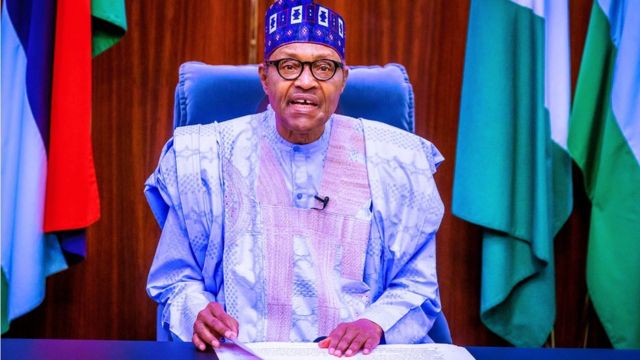
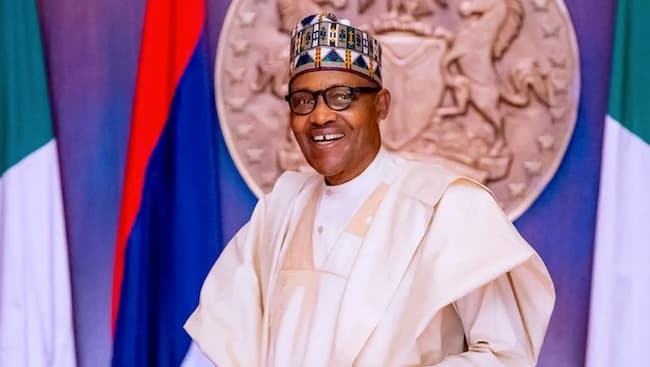
Former presidential spokesperson Garba Shehu has stated that the late former President Muhammadu Buhari would have supported the #EndSARS protest if it had remained peaceful and had not been hijacked by subversive elements.

Shehu made the remarks on Tuesday during an interview on Arise Television’s Morning Show, as tributes continue to pour in for the former Nigerian leader, who passed away at the age of 82 in a London clinic on Sunday, July 13, 2025.

“It would have been welcomed, knowing Buhari, even if it was driven by grievances,” Shehu stated. “I don’t want to deny that people had legitimate concerns, and the government responded early with dialogue and concessions, including dismantling the SARS unit, which had triggered much of the anger.”

According to Shehu, the situation changed when the demonstrations escalated into chaos, with widespread vandalism, attacks on law enforcement, and loss of lives.

“There was vandalism, attacks on law enforcement, arson, and even loss of lives. No responsible government would ignore that,” he said. “What started as a noble movement was eventually hijacked by subversive elements. When law enforcement became overwhelmed and both state and federal assets were being destroyed, particularly in Lagos, it became a serious national concern.”

Shehu added that President Buhari was deeply troubled by the violence and the breakdown of order.

“He wasn’t happy with how things unfolded, and we can only hope such an incident never happens again in this country,” he said.

Nigeria Needed National Holiday For Muhammadu Buhari’s Death

Insecurity Has Substantially Improved - Buhari

When the Federal Government declared a national holiday to mourn the death of former President Muhammadu Buhari, reactions were mixed some filled with reverence, others with skepticism. But beyond political affiliations and historical biases, the decision to mark his passing with a work-free day demands deeper reflection. It was not merely about the man but the memory, the moment, and the meaning of legacy in Nigeria’s evolving story.

A Symbol of Military and Civilian Transition

Muhammadu Buhari stood at the unique intersection of Nigeria’s military past and democratic aspirations. As a military Head of State from 1983 to 1985, and later as a democratically elected President from 2015 to 2023, Buhari’s political journey mirrored the country’s own transition often halting, always complex from autocracy to democracy. The national holiday recognizes that rare arc: a man who once seized power by force later submitted himself to the will of the electorate, not once but twice.

His life, therefore, is not just a personal journey,it is a historical bookmark. A day to pause and remember is, in many ways, a way to remind ourselves of how far Nigeria has come and how far it still has to go.

The Anti-Corruption Crusader

Perhaps the most enduring image of Buhari’s presidency was his relentless campaign against corruption. From the “War Against Indiscipline” in his military days to the establishment of tighter anti-graft frameworks in his civilian tenure, Buhari positioned himself as a moral compass in a system riddled with rot.

Critics may argue that his anti-corruption drive was selective or lacked long-term impact. But even in its flaws, it set a precedent. It rekindled national conversations around accountability, especially among the youth, and revived the idea, however fleeting that integrity could still matter in public office.

Infrastructure and Security Strides

During his eight years in Aso Rock, Buhari’s government pursued massive infrastructure investments; railways, roads, and agricultural revival schemes. The Second Niger Bridge, long delayed by successive governments, became a reality under his watch. His administration also expanded social investment programmes to address poverty and youth unemployment.

On security, though his administration struggled with rising banditry and insurgency, he inherited a fragmented military landscape and did manage to reclaim swathes of territory from Boko Haram in the early years of his presidency. For many Nigerians, his efforts, however imperfect offered a sense of renewed national direction.

A Man of Discipline

Buhari was not a charismatic orator. He rarely gave in to theatrics. His stoicism, at times seen as aloofness, defined his leadership style. But within that quiet persona lay a belief in structure, discipline, and national order.

His critics point to lapses,long medical trips abroad, opaque economic policies, and a seeming disconnect from public outcry during national crises. These are not easily forgotten, and rightly so. But even those failings form part of the full picture, necessary for any honest national memory.

Why a National Holiday Was Justified

A public holiday is not merely about celebration; it’s about collective memory. The decision to pause economic activity in honour of Muhammadu Buhari was a call to reflect not just on his life, but on the Nigeria he sought to shape.

In a nation often quick to forget, pausing to remember a leader’s death warts and all is a democratic act. It invites dialogue. It permits critique. And it encourages a more rounded, nuanced view of history.

Buhari was not a perfect man, but he was a consequential one. His death is a chapter ending in Nigeria’s post-independence narrative. A national holiday was not just deserved, it was necessary.

“NESG Chairman Calls For Responsible Use Of AI In The Banking Sector”

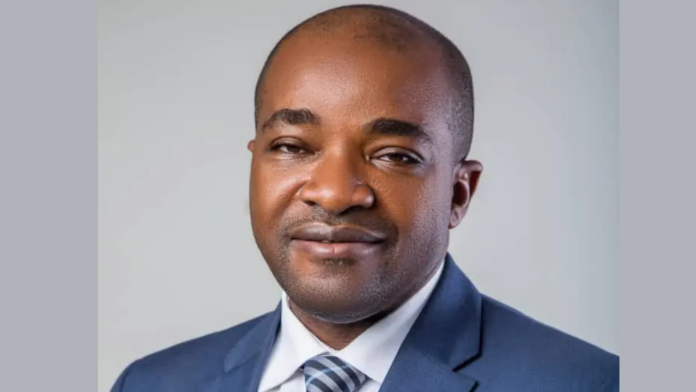
The Chairman of the Nigerian Economic Summit Group (NESG), Niyi Yusuf, has called on stakeholders in the financial sector to take a proactive role in shaping a responsible, inclusive future for artificial intelligence (AI).

Speaking at the 2025 Stakeholders Conference of the Association of Corporate Affairs Managers of Banks (ACAMB), Yusuf emphasised that the financial industry is uniquely positioned to lead the responsible adoption of AI technologies. Themed “AI & the Future of Trust: Reimagining Banking and Financial Services in a Digital-First Era,” the event brought together leaders from across the banking sector to explore the intersection of trust, technology, and financial innovation.

Yusuf, who also serves as Managing Partner at Verraki Partners, highlighted AI’s transformative potential but cautioned that its benefits can only be fully realised through ethical governance, human-centric design, strong regulatory frameworks, and a focus on homegrown innovation.

Established in 1996, ACAMB is the umbrella body for communications and public relations professionals in Nigeria’s banking sector.

In his keynote address, Yusuf underscored the transformative potential of artificial intelligence and stressed the urgent need for ethical governance, human-centric design, regulatory support, and local innovation. He highlighted that, like all powerful technologies before it, AI requires deliberate action to harness its benefits while minimizing its risks.

“We must be intentional,” he said, “to ensure we maximise the benefits of AI and effectively mitigate its risks.”

Yusuf urged stakeholders in the financial sector to take the lead in shaping trustworthy and inclusive AI systems. He called for the definition of trust frameworks and AI guardianship that enable consent-driven, inclusive technologies. He emphasized the need to foster ethical AI development grounded in human-centric principles, alongside efforts to build public awareness, digital literacy, and talent to support a diverse and equitable AI ecosystem.

He further advocated for AI systems that prioritize transparency, explainability, and accountability—supported by strong regulatory frameworks, data privacy protections, and consumer rights.

Yusuf also highlighted the critical role of local regulators in encouraging innovation, promoting the use of local datasets, and strengthening consumer protection. He called for enhanced international collaboration to reduce development costs and support AI startups, entrepreneurs, and the broader ecosystem—ensuring that setbacks are not catastrophic and that local communities are not merely consumers, but active participants in shaping the future of AI.

The Verraki Partners boss hammered on the fact that trust has become a new currency in this era, saying, “The future of AI in banking is not just about automation or efficiency; it’s about trust: earning and maintaining customer confidence in a digital-first world.”

He spotlighted some of the key areas of concern, including data integrity, noting that AI models are only as trustworthy as the data they ingest and others.

He averred, “Data Poisoning: Malicious inputs subtly corrupt models and can lead to harmful outcomes, especially in sensitive areas like lending or fraud detection. Transparency: Customers and regulators demand clarity and transparency about the actions taken by AI systems. Explainability and accountability: AI systems must be able to explain their decisions, especially in sensitive areas like credit scoring or compliance.”

In his welcome address, the President of ACAMB, Rasheed Bolarinwa, said the industry was on the threshold of a transformative era, “one driven by artificial intelligence, digital technologies, and a redefinition of customer expectations in banking and financial services. Our mission at ACAMB has always been to foster excellence in corporate communications and stakeholder engagement across the banking industry. This conference embodies that purpose by convening thought leaders, innovators, regulators, and practitioners to shape the future of our industry responsibly and sustainably.

Zenith Bank Joins ₦3 Trillion Club on Nigerian Exchange

Zenith Bank Plc has captured investors’ attention with strong market performance, pushing its market capitalization to approximately ₦3 trillion on the Nigerian Exchange (NGX). The bank’s shares briefly touched a 52-week high of ₦72 before closing slightly lower at ₦71.50 during Monday’s trading session.

The bullish momentum around Zenith Bank comes as investors anticipate its second-quarter 2025 earnings report and the bank’s customary interim dividend, a yearly tradition that continues to attract income-focused shareholders. The banking index rose sharply as top-tier lenders saw increased buying ahead of earnings season.

Several equity analysts have upgraded their ratings and raised target prices for Zenith Bank, citing strong investor sentiment following last week’s rally. Many expect demand for the stock to remain strong as the financial results approach.

Zenith Bank’s expansion drive and heavy investment in innovation are expected to support earnings growth, even as a potential interest rate cut may pressure net interest margins across the sector.

Addressing regulatory concerns, the bank’s management has assured investors that it remains unaffected by the Central Bank’s dividend suspension for banks with large single-obligor exposures.

As of Monday’s close, Zenith Bank’s market capitalisation stood at ₦2.936 trillion, based on its 41.069 billion outstanding shares. This places it just behind GTCO, the most valuable financial services company on the exchange.

Together, GTCO, Zenith Bank, and UBA now hold a combined market valuation of over ₦8 trillion, with GTCO leading, followed by Zenith Bank and UBA.

With expectations of an interim dividend, analysts believe investors will continue to increase exposure to top banking stocks, particularly Zenith Bank, which recently reached the ₦3 trillion mark on the Nigerian Exchange.

Interswitch Launches New Solution to Streamline Pension Remittances

Interswitch, one of Africa’s leading technology companies, has unveiled Interswitch PensionRemit, a fully automated platform designed to help employers comply with the newly introduced Pension Contribution Remittance System (PCRS).

In a statement released on Monday, Interswitch confirmed that the platform supports the regulatory requirements set by the National Pension Commission (PenCom) and the Pension Fund Operators Association of Nigeria, which came into effect on June 1, 2025.

The company stated, “Fully compliant with the PCRS framework, Interswitch PensionRemit is an authorised Payment Solution Service Provider under the new system.”

Designed for ease of use and efficiency, the platform allows employers to upload contribution schedules, validate Retirement Savings Account (RSA) PINs and Pension Fund Administrators (PFAs) in real time, and execute secure payments, all within a single seamless process.

“We built Interswitch PensionRemit with employers and the future in mind to address long-standing challenges in the pension remittance process. The platform empowers both large organisations and small businesses to meet PenCom’s new mandate as efficiently as possible,” the company said.

Designed to meet the evolving needs of large corporates, micro, small and medium-sized enterprises, and service providers across Nigeria, PensionRemit offers a range of features aimed at removing friction and boosting compliance.

Key benefits include a simplified remittance process aligned with PCRS guidelines, real-time delivery and confirmation of schedules, automated audit trails with instant receipts, zero platform fees for employers, and reduced reporting and compliance burdens.

PensionRemit also supports a broader ecosystem that includes payroll providers, HR software developers, and enterprise resource planning vendors, enabling seamless integration of pension compliance into financial and administrative workflows.

The launch of PensionRemit reinforces Interswitch’s commitment to providing technology-driven solutions that promote transparency, efficiency, and trust in Nigeria’s financial system. Employers and service providers transitioning to PCRS-compliant processes can now explore the platform and access its support tools.

TikTok Deletes Over 3.6 Million Videos in Nigeria Over Safety Violations

TikTok deleted over 3.6 million videos in Nigeria between January and March 2025 for violating its Community Guidelines, marking a 50 percent rise from the previous quarter.

In its Q1 2025 enforcement report, TikTok said 98.4 percent of the content was removed proactively, with 92.1 percent taken down within 24 hours. The platform noted that the removed content represents a small portion of total uploads, with most videos remaining positive and safe.

In March, the platform also took down 129 accounts in West Africa linked to covert operations.

Enforcement on TikTok LIVE was a key focus, with 42,196 LIVE rooms banned and 48,156 streams interrupted in Nigeria for violating guidelines. The platform also tightened its LIVE Monetization Guidelines to clarify what qualifies for earnings.

Globally, TikTok removed more than 211 million videos in Q1 2025, up from 153 million in the previous quarter, with 99 percent detected proactively and over 184 million removed through automation. Still, less than 1 percent of global content was found to violate the rules.

In June, TikTok Africa hosted the “My Kind of TikTok Digital Well-being Summit” with experts and NGOs, including Nigeria’s Cece Yara Foundation. TikTok also announced an expansion of in-app helpline support to Nigerian users.

Bakare Says No Written Pact Existed With Buhari

Buhari To Spend Extra Week In London For Dental Care

Founder of the Citadel Global Community Church, Pastor Tunde Bakare, has disclosed that there was no formal or written agreement between him and the late former President Muhammadu Buhari regarding a transfer of power.

Bakare, who was Buhari’s running mate in the 2011 presidential election under the defunct Congress for Progressive Change (CPC), made the statement during an interview with Channels Television on Monday. The duo lost the 2011 election but maintained a public association in subsequent years, particularly as Buhari later served as Nigeria’s civilian president from 2015 to 2023.

“There was no written pact between us,” Bakare clarified. “He is late. I will never say anything unfair about him. He did his best.”

Bakare, a cleric and lawyer, had previously hinted at succeeding Buhari. In 2019, he openly suggested he would become Nigeria’s 16th president, referring to Buhari as the 15th. He had also noted that he was building a global political network in preparation for future leadership aspirations.

Despite contesting the All Progressives Congress (APC) presidential primary in 2022, Bakare failed to secure the party’s ticket. Yet, he maintains that Buhari provided a level playing field for all aspirants within the party.

“One night before the primary, he invited all the presidential aspirants,” Bakare recounted. “We sat with him in the conference hall of the villa. He said, ‘I have allowed the governors to choose who will succeed them or to go for a second term if they are going for a second term. I am asking you today to allow me to also freely choose the person I desire to succeed me.’”

According to Bakare, those present at the meeting included former Vice President Yemi Osinbajo, then Jigawa State Governor Mohammed Badaru, and former Minister of Science and Technology Ogbonnaya Onu, among others.

Buhari died on Sunday at the age of 82 in a London clinic. His passing has continued to draw tributes from political leaders, citizens, and members of the international community.

Interbank Rates Tightens Following AMCON Payment

Interbank lending rates climbed higher amid tightening liquidity conditions in the Nigerian financial system after deposit money banks settled their obligations to the Asset Management Corporation of Nigeria (AMCON).

The increased funding pressure saw the banking system’s deficit balloon to N280.57 billion, a daily increase of N118.11 billion, signaling a squeeze in available cash for overnight lending and short-term borrowing.

According to data from the FMDQ Exchange, money market rates remained at elevated levels as monetary authorities maintained a tight grip on liquidity. The Central Bank’s aggressive open market operations (OMO) continued to mop up excess cash, pushing banks to increasingly rely on the Standing Lending Facility (SLF) at the policy rate floor to meet short-term funding needs.

“The system opened the week with a liquidity surplus, peaking at N1.53 trillion mid-week,” a market analyst explained. “However, post-auction, the market quickly flipped into a deficit, closing the week at N118.22 billion negative.”

In the absence of significant inflows and with virtually no major maturities from fixed income instruments expected, analysts warned that rates could remain under upward pressure in the coming days.

Reflecting the tighter liquidity environment, the Open Repo Rate (OPR) and overnight lending rate rose by 67 and 50 basis points to 32.17% and 32.67%, respectively. The Nigerian Treasury Bills True Yield (NITTY) curve also shifted upward across most maturities as yields advanced on short- and medium-term instruments. Meanwhile, profit-taking in the secondary market induced a mildly bearish tone, pushing the average yield up by 1 basis point to 18.36%.

“With limited inflows expected tomorrow, interbank rates are likely to stay elevated at current levels,” a fixed income trader noted. Market watchers continue to monitor the liquidity situation closely, as further tightening could trigger increased borrowing costs across sectors.

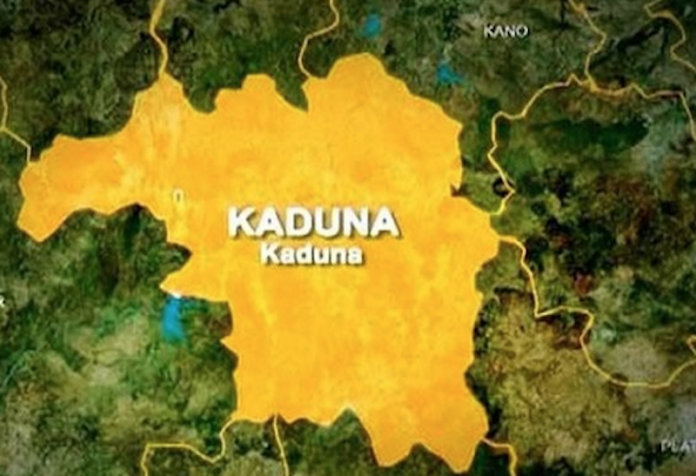
2027: Kaduna Opposition Coalition Rallies Support To Unseat APC

 In a renewed bid to wrest power from the ruling All Progressives Congress (APC) ahead of the 2027 general elections, opposition stakeholders in Kaduna State have begun strategic consultations with the state leadership of the African Democratic Congress (ADC).

The move is part of a broader plan to consolidate opposition forces under the ADC platform and build what is described as a “truly strong democratic party” to reform politics in Kaduna and unite its diverse population.

Speaking during a press conference in Kaduna on Monday, former APC National Vice Chairman (North-West), Salihu Lukman, said the engagement with ADC leaders marks the beginning of efforts to establish a credible political alternative for the people of the state.

According to Lukman, the coalition comprises members drawn from the APC, Peoples Democratic Party (PDP), Labour Party (LP), and other stakeholders committed to repositioning Kaduna politics. The meeting in Kaduna involved key discussions with ADC state executives, led by Ahmed Tijjani Mustapha.

Flanked by fellow coalition members, Lukman noted that the press conference was held with the full endorsement of prominent opposition figures, including Senator Nenadi Usman, Senator Datti Baba-Ahmed, Dr. John Ayuba, Senator Musa Bello, and Alhaji Shuaibu Idris Mikati—all of whom reportedly signed the coalition’s joint statement.

“With the national coalition unveiling ADC as our political platform for the 2027 elections on July 2, 2025, in Abuja, we in Kaduna State have commenced local consultations to ensure the formation of a democratic and reform-minded party,” Lukman said.

He stressed the coalition’s resolve to promote mutual respect and tolerance across the state, aiming to build an inclusive platform where political and ethnic differences are recognised and harmonised for common progress.

Lukman also disclosed that national-level negotiations are ongoing to finalise the appointment of an interim leadership for ADC. Once concluded, party guidelines for reorganisation at all levels will be released.

“In anticipation of the national directive, we’ve already begun domesticating the coalition across all 23 Local Government Areas and 255 Wards of Kaduna State,” he said. “This is to prevent a repeat of past mistakes, where power tussles among political aspirants weakened party structures and diverted attention from the people’s needs.”

He warned against internal manipulation and the imposition of candidates under the guise of “consensus,” insisting that the new party must uphold internal democracy and encourage open dialogue among its members.

“Under our new orientation, party meetings must be inclusive. Members must have the freedom to express dissent and propose alternatives. This is the only way to ensure transparency, accountability, and genuine political development,” Lukman stated.

The Kaduna opposition coalition reiterated its commitment to providing a credible alternative to the APC, ensuring that the 2027 elections are not just about winning power but about addressing the enduring challenges faced by citizens across the state.

Dollar To Naira Exchange Rate For 15th July 2025

Dollar To Naira Exchange Rate For 8th Dec 2023

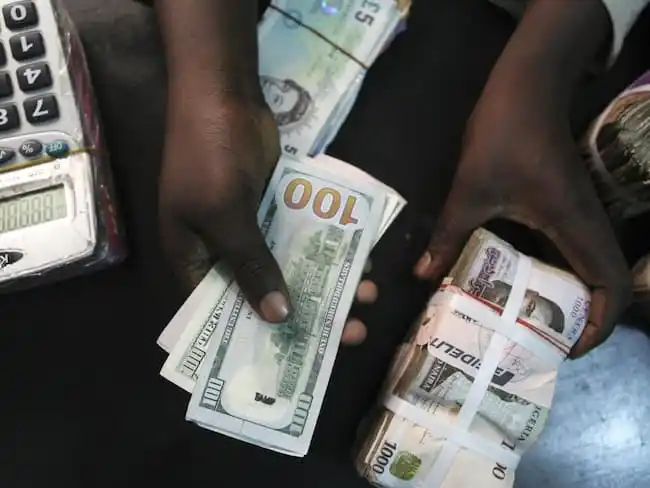
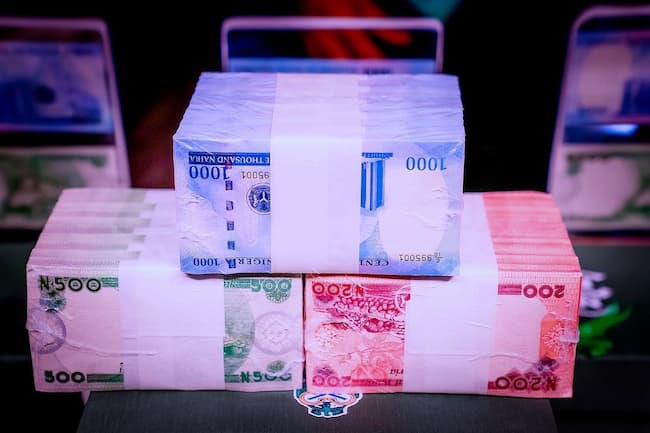
The exchange rate between the Naira and the US dollar, according to the data released on the FMDQ Security Exchange, the official forex trading portal, showed that the naira closed at 1555.00 per $1 on Tuesday, July 11th, 2025. The naira traded as high as 1515.00 to the dollar at the investors and exporters (I&E) window on Monday.

How much is a dollar to naira today in the black market?

Dollar to naira exchange rate today black market (Aboki dollar rate):

The exchange rate for a dollar to naira at Lagos Parallel Market (Black Market) players buy a dollar for ₦1540 and sell at ₦1550 on Wednesday 14th July, 2025, according to sources at Bureau De Change (BDC).

Please note that the Central Bank of Nigeria (CBN) does not recognize the parallel market (black market), as it has directed individuals who want to engage in Forex to approach their respective banks.

Dollar to Naira Black Market Rate Today

Dollar to Naira (USD to NGN)Black Market Exchange Rate Today
Buying Rate₦1540
Selling Rate₦1550

Dollar to Naira CBN Rate Today

Dollar to Naira (USD to NGN)CBN Rate Today
Highest Rate₦1532
Lowest Rate₦1515

Please note that the rates you buy or sell forex may be different from what is captured in this article because prices vary.

Tinubu: Fuel Subsidy Removal Was Necessary

Tinubu Authorizes Appointment Of New CEOs

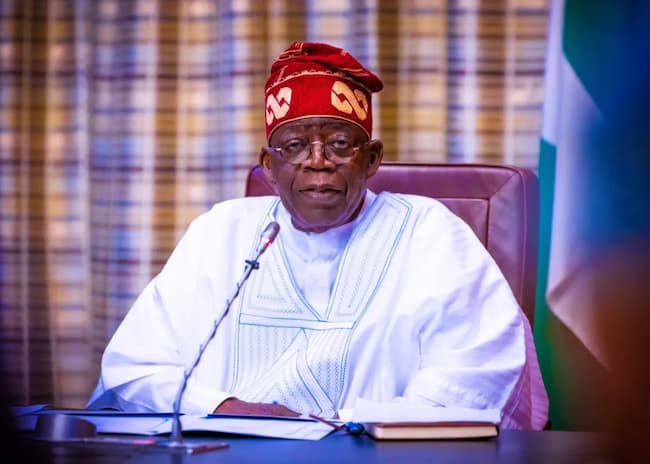
President Bola Tinubu has described the removal of fuel subsidy on his inauguration day as a painful but necessary step to stabilise Nigeria’s economy and free up resources for critical infrastructure projects. Speaking through the Minister of Information and National Orientation, Mohammed Malagi, during the Progressives Governors’ Forum quarterly meeting in Minna, Tinubu noted that the decision was vital to preventing fiscal collapse while blocking leakages and waste.

“One of the boldest and most consequential decisions of this administration, which is the removal of the fuel subsidy, was a painful but necessary reform,” Malagi said. “Beyond saving the economy from fiscal collapse, this decision has significantly blocked areas of leakage and waste, leading to increased funding for the development of mega infrastructure such as the Lagos-Calabar Coastal Superhighway, Sokoto-Badagry Super Highway, Calabar-Abuja Super Highway, Kaduna-Kano Standard Gauge Railway, and the Abuja-Kaduna-Kano Expressway.”

The minister urged state information commissioners to equip themselves with accurate data to ensure citizens understand how to access and benefit from the administration’s reforms under the Renewed Hope Agenda.

“As Commissioners for Information, you are the voice and face of government at the state level. You must go back home with renewed energy, armed with facts, stories, and strategies to effectively mobilise your people to take full advantage of the promise of Renewed Hope,” he said.

Malagi explained that the conference was convened to strengthen the collective responsibility of effectively communicating government policies and achievements to citizens across all communities.

“The Renewed Hope Agenda is now being steadily implemented across Ministries, Departments, and Agencies, with discipline, prudence, and a deep commitment to the welfare of Nigerians,” he added.

Representing the Niger State Governor, Mohammed Bago, at the event, Secretary to the State Government, Abubakar Gawu, highlighted that the progressives governors remain united and committed to measurable, future-focused reforms.

“Here in Niger State, we are building the New Niger, a development vision driven by bold reforms in agriculture, digitisation, urban renewal, and youth empowerment,” Gawu said.

The state’s Commissioner for Information and Strategy, Binta Mamman, described the meeting’s theme, “Strategic Communication and Policy Alignment,” as timely, emphasising the need for clear and purposeful communication in governance.

“Our task as information managers is not only to publicise the achievements of our respective governments but also to counter misinformation, shape constructive public discourse, and align state narratives with our collective progressive ideals for national development and security,” she said.

Meta Removes 500,000 Spam Accounts In Six Months

Meta, the parent company of Facebook, has announced the removal of 500,000 accounts for spam and fake engagement in the first half of 2025 as part of efforts to clean up its platform and boost visibility for original creators.

The company said it also took down nearly 10 million fake profiles impersonating popular content creators within the same period.

“We’re making progress,” Meta stated in a blog post on Monday. “In the first half of 2025, we took action on around 500,000 accounts engaged in spammy behaviour or fake engagement, applying measures ranging from demoting comments and reducing the distribution of content to blocking these accounts from monetising. We also took down around 10 million profiles impersonating large content producers.”

Meta is also introducing stricter measures against accounts that recycle or repost content without permission or meaningful edits. Such accounts will not only lose monetisation privileges but will also see reduced reach on Facebook feeds.

According to Meta, sharing unoriginal content repeatedly—whether videos, photos, or text—makes it harder for new voices to gain visibility. The company is testing tools to link duplicated content back to the original post, ensuring authentic creators receive credit for their work.

Meta noted that pages and profiles posting mostly original content typically enjoy wider reach across Facebook, while simply stitching clips together or adding watermarks will no longer qualify as meaningful editing.

Content that tells authentic stories and offers real value is more likely to perform well under the new rules, the company added. It also warned that posting watermarked material from other platforms could lead to reduced reach and monetisation penalties.

As part of these updates, Meta has introduced post-level insights on the Professional Dashboard to help creators track performance and added a feature on the Support Home screen to alert creators if their posts or earnings face potential restrictions.

Meanwhile, YouTube has announced a policy preventing mass-produced or overly repetitive content from earning ad revenue. The move sparked confusion among some users, who feared it would affect AI-generated content. However, YouTube clarified that the policy targets spammy, low-effort uploads and not creators using AI to enhance their storytelling.

“We welcome creators using AI tools to enhance their storytelling, and channels that use AI in their content remain eligible to monetise,” YouTube said in a statement.

Aero Boss Urges FG To Scrap $300 Helicopter Landing Fee

The Managing Director and Chief Executive Officer of Aero Contractors, Capt. Ado Sanusi, has called on the Federal Government to withdraw the $300 helicopter landing fee imposed on shuttle services to oil and gas operators in Nigeria.

The controversial fee was introduced under the previous administration through a Federal Government approval granted to NAEBI Dynamic Concept Limited by the former Minister of Aviation, Hadi Sirika. While the current Minister of Aviation and Aerospace Development, Festus Keyamo, initially faced stiff resistance from operators, the payment burden was later shifted to oil and gas companies.

Last month, the Nigerian Airspace Management Agency (NAMA) issued a directive insisting that the fee should be paid by oil and gas firms, threatening to stop issuing startups to helicopter operators if the payments were not made. However, oil and gas companies have largely ignored the directive.

Reacting to the situation, Sanusi argued that the company demanding the fee had not provided any service to justify cost recovery, noting that fees aligned with International Civil Aviation Organisation (ICAO) principles require prior investment that adds value to the customer.

“My stand has always been clear on this. That $300 fee is not part of ICAO charges for cost recovery because you must invest before recovering costs, and the investment must provide some value to the customer,” Sanusi said. “If they say there is an investment, they should bring it out and let Nigerians see it. You have not invested anything; you just put a levy, and you are not a government organisation with the authority to tax people.”

Sanusi, whose airline also operates oil and gas shuttle services, emphasised that while governments can impose taxes to build infrastructure, private firms cannot arbitrarily levy fees without providing commensurate services.

“By the Act establishing NAMA, they are the only providers of communication, navigation, and surveillance (CNS). So, what else is this company providing?” he queried.

Sanusi warned that allowing the $300 charge could open the door to further arbitrary levies in the future, saying, “If the government allows this, tomorrow another company will charge $500, and maybe next year someone else will demand $1,000 per landing.”

Other operators in the sector, speaking anonymously to avoid victimisation, described the charge as an “outright fraud” and a violation of ICAO rules, questioning its legality and purpose.

“It is illegal, unprecedented, and a clear violation of ICAO guidelines. It’s like asking someone to pay for parking in their own garage,” one operator stated, explaining that true landing charges are paid to owners of the facilities where helicopters land, such as FAAN or the Air Force, and not to private firms unauthorised to impose such fees on private facilities.

Dangote Files Paperwork For Nigeria’s Largest Seaport, Eyes Gas Export Plans

The President and Chief Executive of Dangote Group, Aliko Dangote, has initiated the process to develop what he describes as Nigeria’s largest and deepest seaport in Olokola, Ogun State, marking a major expansion of his multibillion-dollar industrial empire and a strategic entry into maritime logistics.

In an interview with Bloomberg on Monday, Dangote confirmed that paperwork for the proposed seaport was submitted in late June.

Located about 100 kilometres from his Lekki refinery and fertilizer complex, the planned Atlantic seaport is expected to facilitate the export of fertilizer, petrochemicals, and liquefied natural gas while improving access for imported equipment and raw materials.

“It’s not that we want to do everything by ourselves, but I think doing this will encourage other entrepreneurs to come into it,” Dangote said, expressing hope that the project would attract more private investment into Nigeria’s underdeveloped port infrastructure. Dangote currently exports urea and fertilizer through a jetty at the refinery, which also handles the delivery of heavy equipment for the complex.

If approved, the Olokola seaport will rival existing ports in Lagos, including the Chinese-funded Lekki Deep Sea Port, which began operations in 2023.

The move also signals Dangote’s return to the Olokola site after previously shelving plans to build his refinery there due to conflicts with local authorities. Those disputes appear to have been resolved under the current administration, with Dangote reaffirming readiness to return to the Olokola Free Trade Zone earlier this year.

Beyond the port project, Dangote Group plans to begin exporting liquefied natural gas from Lagos, a project that would involve constructing pipelines from Nigeria’s gas-rich Niger Delta.

“We want to do a major project to bring more gas than what NLNG is doing today,” Devakumar Edwin, vice president of the group, said, referring to Nigeria LNG Ltd, the country’s largest LNG exporter operated in partnership with Shell, Eni, and TotalEnergies.

“We know where there is a lot of gas, so [we will] run a pipeline all through and then bring it to the shore,” he added.

Dangote already sources gas from the Niger Delta to supply his fertilizer plant, using it as feedstock to produce hydrogen for ammonia, a critical input for fertilizer production.

The billionaire also plans to begin fuel distribution to Nigerian retailers in August using a fleet of 4,000 gas-powered trucks, a move that has drawn criticism from some groups accusing him of seeking to dominate the downstream oil sector—a claim Dangote has denied.

Valued at $27.8 billion according to the Bloomberg Billionaires Index, Dangote also controls cement and sugar manufacturing assets across Africa as he expands his industrial footprint into energy, logistics, and maritime infrastructure.

Naira Strengthens As CBN FX Sales Restore Confidence In Currency Market

Federation Account Amasses Over ₦5trn In 6months- RMAFC

The Nigerian naira appreciated against the US dollar at the official exchange window after the Central Bank of Nigeria (CBN) stepped in with fresh FX supply to ease liquidity constraints.

Spot FX data indicated that the naira strengthened to ₦1,518.88 per dollar, reflecting improved dollar availability following last week’s intervention. The CBN had injected $50 million into the official market to meet increasing FX demand from corporates.

Coronation Merchant Bank noted that weekly FX inflows dropped drastically to $749.8 million—down from $1.76 billion in the previous week—signaling a 57% decline that initially weighed on market sentiment.

Despite this, Nigeria’s external reserves climbed to $37.432 billion, a significant turnaround from previous declines, signaling stronger buffers to manage market volatility. The apex bank has reportedly defended the local currency with $4.75 billion in FX sales to authorized dealers in H1 2025 alone.

Analysts believe these interventions are helping align rates between the official and parallel markets, minimizing volatility and maintaining investor confidence.

Oil Market Snapshot

Crude oil prices rebounded during the week as geopolitical tensions in the Middle East spurred concerns about supply disruptions. Brent crude settled at $70.36 per barrel, a 3.02% gain from $68.30 the previous week. Year-to-date losses narrowed to 5.73%, down from 8.49%.

Bonny Light, Nigeria’s benchmark grade, also saw an uptick, closing at $72.81 per barrel—up 1.38%. The grade retained a premium over Brent at $2.45 per barrel, albeit slightly lower than the previous $3.52.

Analysts attribute the rebound to escalating regional tensions, particularly drone strikes around oil facilities in the Red Sea, and expectations of stricter US sanctions on Russian crude exports.

The U.S. Energy Information Administration (EIA) also reported a greater-than-expected draw in domestic crude inventories, further boosting prices. Meanwhile, optimism about potential stimulus measures in China contributed to improved demand sentiment.

Still, the outlook remains cautious. Market observers expect price volatility to persist amid a balancing act between geopolitical risks and economic headwinds. OPEC+ policy directions and global demand uncertainty will remain crucial drivers in the coming weeks.

BizWatchNigeria.Ng
Privacy Overview

This website uses cookies so that we can provide you with the best user experience possible. Cookie information is stored in your browser and performs functions such as recognising you when you return to our website and helping our team to understand which sections of the website you find most interesting and useful.