






Home Blog Page 133

National Basketball Association (NBA) Africa Launches Second Edition Of Triple-Double Startup Accelerator

NBA Africa (https://Africa.NBA.com) today announced the second edition of the startup accelerator program that the league launched last year to support the continent’s technology ecosystem and the next generation of African entrepreneurs.

NBA Africa Triple-Double Accelerator, which awards financial support and mentorship to early-stage African startup companies that develop solutions in the sport and creative industries, will once again be operated by ALX Ventures, a leading technology incubator that provides the continent’s tech leaders with access to the skills and tools to launch and scale their startups. NBA Africa also announced ServiceNow, an AI platform for business transformation whose Now Assist and AI agents help organizations deliver faster and smarter experiences at scale, as an Official Partner of the program.

Beginning today through Friday, Aug. 29, startups can apply to participate at https://TripleDoubleAccelerator.NBA.com, after which the submissions will be narrowed down to a top 10. The shortlisted startups will then participate in a 10-week mentorship program where they will be paired with mentors comprised of NBA Africa, ServiceNow and ALX leadership, as well as other corporate stakeholders, who will provide guidance to the companies with a focus on product development, business growth and go-to-market strategy.  The startups will then pitch their products to international industry leaders at the program’s second Demo Day in December, where the top five prize-winning companies will be selected to receive financial support and mentorship.

“Last year’s inaugural Triple-Double Accelerator program showed how much talent, passion and creativity there is among African entrepreneurs who are shaping the future of the continent’s rapidly growing sport and entertainment industries,” said NBA Africa CEO Clare Akamanzi. “We look forward to reviewing this year’s submissions and to helping another round of promising startups take the next step in their development.”

Last year, more than 700 early-stage African startups applied to the program. Ten finalists were then selected to pitch their products to a panel of international industry leaders at the program’s first Demo Day at the NBA headquarters in New York City, after which four prize-winning companies – Festival Coins (Nigeria), Salubata (Nigeria), HustleSasa (Kenya) and UBR VR (Egypt) – were awarded financial support and mentorship.

Additional information about the Demo Day in December will be announced at a later date.
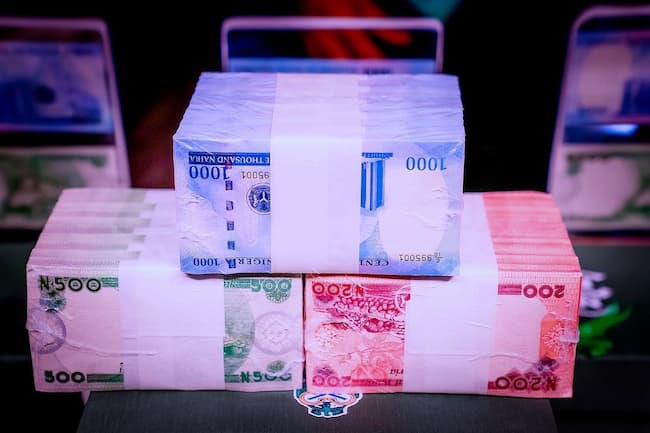
Naira Exchange Rate Margin Narrows As Optimism Builds Over CBN’s Forex Strategy

Federation Account Amasses Over ₦5trn In 6months- RMAFC

In the recently concluded trading week, the disparity between Nigeria’s official exchange rate and the parallel market narrowed once more, settling at just a N2 difference. This movement is bolstering expectations among financial analysts that the naira may remain resilient well into 2025, particularly as the Central Bank of Nigeria (CBN) sustains its foreign exchange interventions.

Analysts anticipate continued monetary support by the CBN, reinforcing the belief that the local currency could experience greater stability in the coming months. This sentiment has reduced speculative trading and increased the confidence of foreign investors in Nigeria’s currency environment.

Investor optimism has been largely driven by stronger market confidence in CBN’s policies and the removal of distortions surrounding foreign currency repatriation by offshore players. This has helped ease hoarding tendencies and minimized arbitrage risks.

Based on market sentiment, the naira could appreciate further, with only limited risks of depreciation. This is due to the consistent injection of foreign currency into the financial system through the CBN’s sales to commercial banks and interventions in the parallel market.

As a result, the naira has maintained relative stability, creating unfavorable conditions for speculators and reducing the attractiveness of storing foreign currency locally. In fact, the growing alignment of exchange rates across segments of the market has discouraged opportunistic trades.

At the Nigerian Foreign Exchange Market (NFEM), the local currency experienced a mild dip over the week due to persistent demand pressure. Trading commenced quietly, with the naira fluctuating within the N1532–N1535.5 range and settling at a daily fixing of N1535.50 per dollar.

Midweek trading remained steady, marked by only minor fluctuations. By the end of Friday’s session, the naira closed at N1533.74 to the dollar, down slightly from the previous week’s closing rate of N1534.71. Meanwhile, the parallel market rate stood at N1535.

To attract foreign capital, the CBN held a substantial Open Market Operations (OMO) auction worth N1.6 trillion, signaling its intent to encourage capital inflows and deepen liquidity. This tactic has kept market sentiment stable despite increased dollar demand.

Also contributing to market resilience, Nigeria’s gross external reserves increased by $726.80 million to reach $39.36 billion as of July 30, providing much-needed support for the local currency.

Financial analysts project continued naira stability in the near term, citing refinements in monetary policy and complementary fiscal measures as key drivers. Despite a minor slide in currency value, broader global market trends offered some optimism.

Crude oil prices advanced during the week, buoyed by renewed fears over international sanctions on Russian and Iranian oil exports. Brent crude rose by $1.45 or 2.13%, closing at $69.50 per barrel, while U.S. West Texas Intermediate (WTI) climbed $2.16 or 3.32% to $67.25.

Additionally, gold prices jumped by 0.8%, triggered by underwhelming U.S. employment data that reignited expectations of a Federal Reserve rate cut and increased demand for safe-haven assets amid growing geopolitical trade tensions.

As a U.S. envoy prepares to visit Russia, global markets remain alert to the evolving impact of sanctions and tariffs, which could reshape global trade flows in the weeks ahead.

Nigerian Bond Yields Surge Following Post-Auction Sell-Offs

FGN Bond For Jan. 2021 Oversubscribed

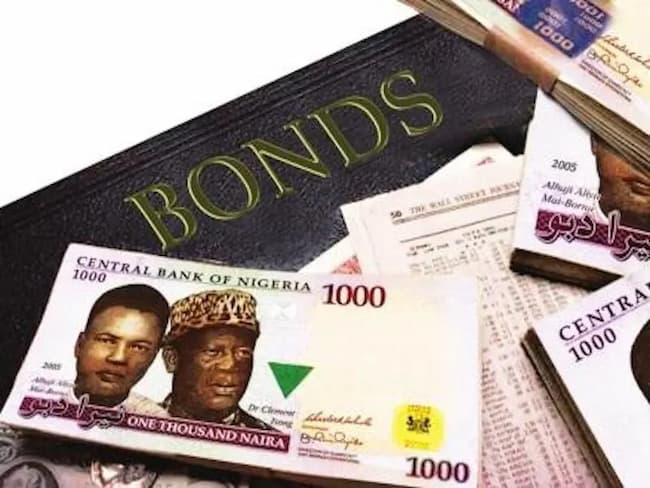
Investor sentiment in Nigeria’s fixed income market turned bearish last week, as bond yields spiked across the curve due to profit-taking following the July bond auction. Yields rose by 15 basis points on average, reaching 16.35%, according to data from the secondary market.

The surge in yields was prompted by cautious trading behavior, as investors reassessed their positions amidst evolving expectations on domestic interest rates and constrained support from the primary market. Offers grew more competitive following a higher-than-anticipated auction size, fueling post-auction liquidation.

Cordros Capital reported that yields widened across all maturities—short-term (+8 basis points), mid-term (+34 basis points), and long-term (+3 basis points)—as investors rotated out of their positions.

Specifically, yields on the JAN-2026, FEB-2031, and JUN-2053 bonds climbed significantly, rising by 73 basis points, 59 basis points, and 35 basis points, respectively, highlighting targeted sell-offs along key segments of the yield curve.

At the Federal Government of Nigeria (FGN) bond auction held by the Debt Management Office (DMO) in July, a total of N80 billion in bonds was issued. The offering was evenly split between the 14.55% APR 2029 and 14.70% JUN 2032 maturities.

This represented a notable decrease from previous auctions—N100 billion in June and N300 billion in May—suggesting that the DMO is deliberately reducing supply to avoid further upward pressure on yields.

Despite the limited offering, investor appetite remained tepid. The auction recorded total subscriptions of N300.7 billion, resulting in a bid-to-offer ratio of 1.62x. This marked a steep decline from the June auction, which attracted bids totaling N602.9 billion with a much stronger ratio of 6.03x.

The lukewarm response indicates rising investor caution, likely due to moderated expectations for future yield performance, as well as tightening liquidity conditions in the system.

With risk-adjusted returns becoming more scrutinized, portfolio managers appear to be prioritizing short-term liquidity over long-term exposure to sovereign debt.

Looking ahead, analysts expect this conservative approach to persist in the domestic bond market. The DMO is likely to maintain a measured approach in bond issuance to stabilize yields and reduce volatility, particularly as macroeconomic uncertainty lingers.

The broader fixed income landscape in Nigeria continues to adjust to shifting market signals, including monetary policy dynamics, inflation concerns, and fiscal recalibration, all of which will influence bond investor behavior in the months ahead.

Akpabio Demands Public Apology From Senator Natasha Before Senate Resumption

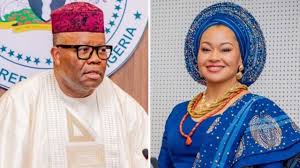
Senate President Godswill Akpabio has insisted that Senator Natasha Akpoti-Uduaghan must issue a public apology before she can be allowed to return to the Senate chamber, following her six-month suspension.

Akpoti-Uduaghan, who represents Kogi Central, attempted twice to resume her legislative duties after citing a Federal High Court ruling that she claimed nullified her suspension. However, she was turned away on both occasions by Senate officials.

In a statement released on Monday, Akpabio’s Special Adviser on Legal and Public Affairs, Kenny Okolugbo, said the senator’s actions were misleading and staged for public attention. He clarified that the court did not explicitly overturn the Senate’s decision, contrary to her claims.

Referencing the case Natasha Akpoti-Uduaghan v. Clerk of the National Assembly & Others, Okolugbo noted that while the judge viewed the suspension as excessive, there was no clear directive reinstating her or instructing the Senate to lift the sanction.

“There has been no official communication from the court to the Senate leadership or the Clerk directing her reinstatement. What we saw instead was a media spectacle—arriving at the National Assembly with cameras and supporters as though the Senate were a reality TV show,” he said.

He emphasised that if there had been a valid court order, the appropriate internal procedures would have been followed, starting with a notification from the Clerk and deliberation by the Senate leadership.

According to Okolugbo, Senator Akpoti-Uduaghan’s suspension was enacted in line with Senate Standing Orders and the constitutional authority granted under Section 60 of the 1999 Constitution.

“This is not personal. It is procedural. All she needed to do was issue a public apology and the suspension would have been lifted. Even the Brekete Family programme advised her to do so, but she refused,” he added.

Despite her absence from plenary, Okolugbo noted that legislative business in her constituency had not been affected. He pointed out that her sponsored bills, including one to establish a Federal Medical Centre in Ihima, continued to progress.

He warned that actions like those of Senator Akpoti-Uduaghan could set a troubling precedent for women in politics.

“Nigeria currently has only four female senators. When one begins to weaponise gender or misrepresent facts, it does more harm than good to the real struggle for female representation in governance,” he said.

Gold Gains As Hopes For A September Rate Cut Grow Amid Mounting Economic Concerns

Gold

Gold is seeing a slight pullback today following the over 2% surge it recorded last Friday, while still attempting to hold above the $2,360 per ounce level.

This sideways price action reflects the conflicting market drivers, torn between rising optimism over a potential interest rate cut in the U.S. this September and mounting concerns about economic resilience following a string of disappointing data, as well as persistent uncertainty surrounding the state of global trade negotiations.

After expectations of multiple rate cuts dwindled, especially following hawkish remarks from Fed Chair Jerome Powell, markets have grown more confident in a single rate cut by September, and are even pricing in up to 75 basis points of easing before year-end. According to CME’s FedWatch Tool, the probability of a September cut has surged to over 80%, up from 63% a week ago. The odds of ending the year with rates lowered by 75 basis points have risen from 20% to 47%.

This sentiment was triggered by underwhelming July nonfarm payroll and unemployment data, which showed the U.S. economy adding just 73,000 jobs, which was well below expectations of 106,000, while unemployment climbed to 4.2%. Manufacturing activity also contracted at a faster-than-expected pace, weighed down by weak external demand and reduced sector hiring amid trade-related uncertainty, according to the July ISM Manufacturing PMI.

Adding to the dovish narrative, Federal Reserve Governor Adriana Kugler submitted her resignation ahead of the end of her term, giving President Trump an unexpected opportunity to nominate a new member and possibly influencing future Fed decisions.

However, this monetary policy outlook cannot be separated from the uncertain trajectory of trade policy, with negotiations still unresolved, particularly with China, Canada, and Mexico. The tariff truce between the U.S. and China is set to expire in the coming days, with no deal in place to defuse tensions.

Although hopes rose after deals were reached with the EU and some Asian nations, an agreement with China remains far more complex. Unlike other trading partners, China holds considerable leverage. For example, the Wall Street Journal recently reported that Beijing has tightened restrictions on exports of critical minerals, severely disrupting Western defense supply chains and exposing the U.S. military’s heavy reliance on Chinese-sourced rare earth elements. Delays and shipment denials, especially for defense applications, have led to production slowdowns, spiking costs, and material shortages. Despite Washington’s attempts to diversify, including a $400 million Pentagon investment, viable alternatives remain years away, underscoring both Beijing’s strategic leverage and the fragility of America’s defense industrial base.

This suggests the negotiation path may be extremely bumpy and could trigger multiple market shocks. Should Trump fail to impose trade terms on China, he may escalate tensions or prolong talks in search of more favorable terms, where both scenarios posing considerable risks. Even if tariffs remain suspended, prolonged uncertainty around trade policy could continue to weigh on business investment and job creation, just as highlighted in several recent PMI reports.

Written by Samer Hasn, Senior Market Analyst at XS.com

Afreximbank Signs $1.35 Billion Financing As Lead Arranger In $4 Billion Syndicated Facility To Refinance Dangote Refinery Construction

African Export-Import Bank (Afreximbank) (www.Afreximbank.com) is pleased to announce the signing of a US$1.35 billion financing facility in favour of Dangote Industries Limited (DIL). The facility is part of a larger approximately US$4 billion syndicated financing arrangement for Dangote Industries Limited (DIL), Africa’s largest industrial conglomerate. Afreximbank acted as the Mandated Lead Arranger, for the syndication. 

This financing— one of the largest syndicated loans in recent African financial markets—will refinance capital expended on constructing the Dangote Petroleum Refinery and Petrochemicals Complex, the biggest single-train refinery in the world with a capacity of 650,000 barrels per day. The financing alleviates initial operational expenditures and enhances DIL’s balance sheet, supporting its continued growth trajectory. 

Afreximbank contributed US$1.35 billion, the largest share among participating banks, underscoring its commitment to large-scale infrastructure that advances Africa’s industrialization, energy security, and intra-African trade. 

Since operations at the refinery complex began in February 2024, Afreximbank has continued to support the Dangote Refinery by providing key financing solutions—for crude supply and product offtake—ensuring uninterrupted operations and reinforcing its role in Africa’s most significant refining intervention.  

Commenting on the development, Professor Benedict Oramah, President & Chairman of Board of Directors at Afreximbank, said: 

“With this landmark deal, we once again demonstrate that Africa’s development can only be meaningfully financed from within. It is only when African institutions lead the way that others can follow. The journey to utilise African resources for its own economic transformation is well underway. Through the Bank’s funding support, we are enhancing the capacity of the Dangote Refinery and Petrochemical Industries Ltd to produce and supply high quality refined petroleum products to the Nigerian market, as well as for export to the entire continent and the world. Our energy security is in sight.” 

Alhaji Aliko Dangote, President/Chief Executive, Dangote Industries Limited, added: 

“Afreximbank’s contribution to this milestone financing underscores our shared vision to industrialize Africa from within. This refinancing strengthens our balance sheet and accelerates with ease the refinery’s suppy of high-quality refined petroleum products across Africa. 

The syndicated facility attracted strong participation from leading African and international financial institutions, reflecting enduring confidence in Africa’s industrial potential and Dangote’s vision in transforming Africa”. 

D’Tigress Make History With Fifth Straight Afrobasket Title, Extend Unbeaten Streak To 29 Games

  • Nigeria cements dominance in African women’s basketball with record-breaking win over Mali

Nigeria’s senior women’s basketball team, D’Tigress, has etched its name in the annals of African sports history by clinching a fifth consecutive FIBA Women’s AfroBasket title, defeating Mali 78–64 in a thrilling final on Sunday night in Kigali, Rwanda.

The victory not only earned D’Tigress their seventh AfroBasket championship overall but also marked a historic milestone, as they became the first African team—male or female—to win the tournament five times in a row.

The win extended the team’s unbeaten streak in AfroBasket competition to 29 games, a remarkable run that dates back to 2015 and remains unmatched on the continent. Their dominance has set a new benchmark for consistency, excellence, and resilience in African women’s basketball.

Led by a dynamic blend of experienced players and rising talents, D’Tigress weathered Mali’s early pressure before pulling away with commanding precision and energy. Their triumph in Kigali adds yet another golden chapter to Nigeria’s growing legacy in international women’s basketball.

This latest title further solidifies D’Tigress as the undisputed queens of the court in Africa—and a force to reckon with on the global stage.

Customs Intercept Over 1,600 Exotic Birds At Lagos Airport

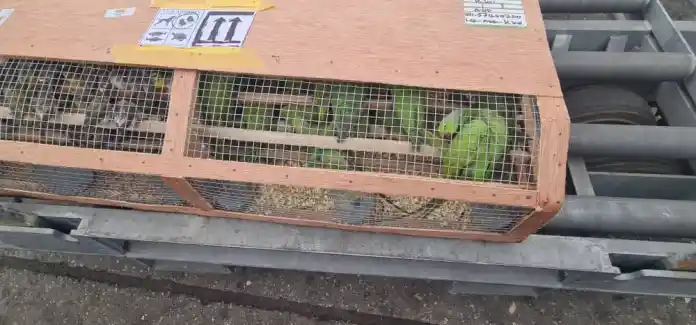
In a major anti-smuggling breakthrough, officers of the Nigeria Customs Service (NCS) at the Murtala Muhammed International Airport (MMIA) have intercepted a large consignment of exotic birds en route to Kuwait. The birds, numbering over 1,620, were seized on July 31, 2025, as part of the Service’s ongoing efforts to safeguard Nigeria’s economy and biodiversity.

The interception, carried out under the leadership of the Customs Area Controller, Comptroller Michael Toyin Awe, was the result of routine inspections by vigilant officers of the MMIA Command.

According to Comptroller Awe, the seized birds included Ring-necked Parakeets (parrots) and Green and Yellow-fronted Canaries—species protected under the Convention on International Trade in Endangered Species of Wild Fauna and Flora (CITES). He stressed that such consignments are required by international law to be accompanied by valid CITES permits and other documentation proving the legality of the trade and ensuring it does not endanger the species’ survival.

“Under my watch, no illegal shipment will pass through this airport. My officers are on high alert at all times. Their eagle eyes are trained to detect and intercept any unlawful activity,” Awe affirmed.

The Nigeria Customs Service noted that Nigeria, as a signatory to CITES, is committed to preventing illegal wildlife trafficking and ensuring that international trade in endangered species is regulated, responsible, and sustainable.

While investigations are ongoing to identify and apprehend those behind the attempted smuggling, the fragile birds will be handed over to the National Parks Service (NPS) for rehabilitation and possible reintroduction into their natural habitat.

The handover underscores the Customs Service’s commitment to inter-agency cooperation, in line with the policy direction of the Comptroller-General of Customs, Bashir Adeniyi Adewale, MFR, who also serves as the current Chairman of the World Customs Organization (WCO) Council.

Oil Prices Climb Amid Rising U.S.-Russia Tensions

Oil prices edged higher on Monday, driven by geopolitical tensions between the United States and Russia, despite the decision by the Organization of the Petroleum Exporting Countries and its allies (OPEC+) to increase oil output in September.

Brent crude, the international benchmark, rose 0.30% to $69.48 per barrel, while U.S. West Texas Intermediate (WTI) crude climbed 1.86% to $66.77, up from the previous close of $65.55.

The market’s reaction was influenced by rising friction between U.S. President Donald Trump and former Russian President Dmitry Medvedev, as well as provocative rhetoric involving nuclear submarines. These developments have reignited concerns over global energy security.

On Sunday, OPEC+ announced that eight member countries—Saudi Arabia, Russia, Iraq, the United Arab Emirates, Kuwait, Kazakhstan, Algeria, and Oman—would raise oil production by a combined 547,000 barrels per day (bpd) in September. This increase is part of a gradual rollback of 2.2 million bpd in voluntary output cuts that began in April. The group emphasized that this plan remains flexible and could be paused or reversed based on evolving market conditions.

Despite the additional supply, oil prices remained supported by tightening U.S. crude inventories and uncertainty surrounding global political developments.

“Tensions between Washington and Moscow are again shaping market sentiment,” said Daniel Hynes, senior commodity strategist at ANZ. “While the supply increase would typically pressure prices, geopolitical risks are keeping bullish sentiment alive for now.”

The Energy Information Administration (EIA) recently reported that U.S. crude inventories remain tight, adding to the upward pressure on prices. At the same time, weak U.S. job growth in July—only 73,000 new jobs versus expectations of over 150,000—has renewed expectations that the Federal Reserve may cut interest rates in September to stimulate the economy.

Lower interest rates typically weaken the U.S. dollar, making oil cheaper for buyers using other currencies and boosting demand.

Meanwhile, President Trump escalated rhetoric against Russia, announcing the deployment of two U.S. nuclear submarines in response to Medvedev’s veiled threat involving Russia’s Cold War-era “Dead Hand” nuclear response system. Medvedev had warned that Western pressure could push the Ukraine conflict into a broader confrontation involving the U.S.

In response, Trump shortened a previously announced 50-day deadline for Russia to end the war in Ukraine to just over a week, threatening new sanctions and secondary tariffs. He also took to Truth Social to warn Medvedev to “watch his words,” calling the Russian’s comments “highly provocative” and a threat to international security.

“These foolish and inflammatory statements cannot be ignored,” Trump said. “We’ve repositioned our forces just in case.”

Analysts warn that while global oil supply is increasing, political instability and military posturing could maintain volatility in the market.

“For now, geopolitical risks are balancing out the bearish fundamentals from supply growth,” said Hynes. “But if tensions escalate further, energy markets could see sharper price reactions in the coming weeks.”

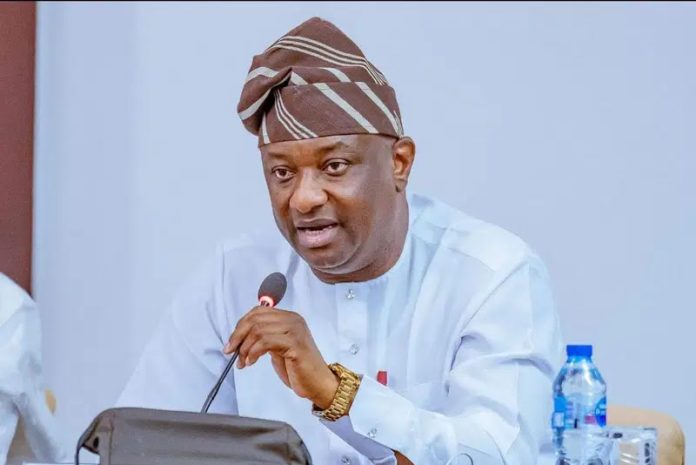
Keyamo: Obi’s 2023 Support Base Unlikely To Hold In 2027

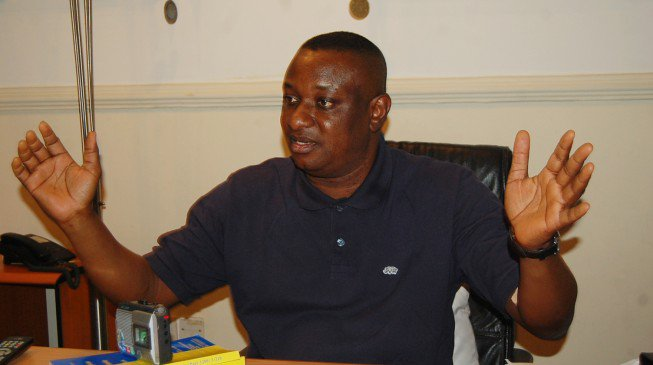
Minister of Aviation and Aerospace Development, Festus Keyamo, has argued that Labour Party presidential candidate Peter Obi’s support base in the 2023 elections was built on temporary demographic sentiments that may not be replicated in 2027.

Speaking on Channels Television’s Sunday Politics, Keyamo said Obi’s 2023 success was driven by religious sentiment, ethnic solidarity from the South-East, and a surge of support from young Nigerians.

“Three demographic factors delivered Peter Obi in 2023, but all three will collapse,” he said.

He noted that Obi, as the only major Christian candidate in the last race, benefited from faith-based voting, while the South-East rallied around him due to ethnic identity.

“The South-East felt cheated, so they went to one point because of the Igbo man,” he said.

The third pillar of support, according to Keyamo, was the youth movement known as the Obidients, who rallied behind Obi as a younger alternative to the older candidates.

However, Keyamo, a member of the All Progressives Congress (APC), dismissed suggestions that a possible merger between Obi and former Vice President Atiku Abubakar under the African Democratic Congress (ADC) would pose a threat to the APC.

“They are going nowhere in terms of demography,” he stated. “We have our structures in the North, governors and ground game. Obi cannot penetrate the North.”

He acknowledged the opposition’s activities as a healthy challenge for the APC, saying it keeps the ruling party alert ahead of the 2027 polls.

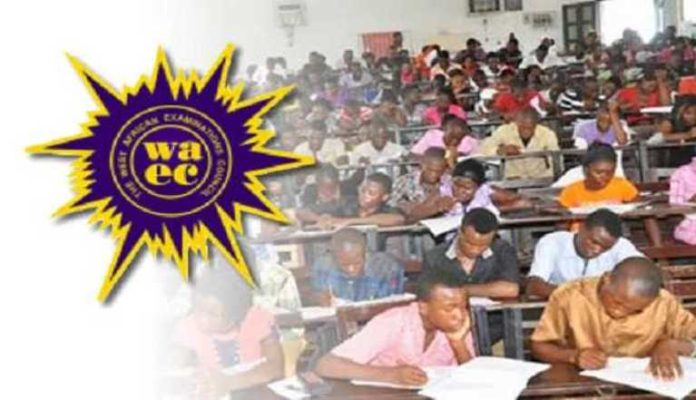
WAEC Unveils 2025 WASSCE Results As Digital Systems Simplify Access For Candidates

The West African Examinations Council (WAEC) has officially released the 2025 May/June West African Senior School Certificate Examination (WASSCE) results for school candidates, bringing relief and excitement to thousands of students across Nigeria and other West African nations.

WAEC Debunks Cancellation Rumours with Official Update

Following weeks of speculation and misleading social media posts suggesting the cancellation of the exams due to alleged widespread malpractice, WAEC has now firmly addressed the misinformation. The examination body confirmed that the marking process has been completed successfully and that candidates can begin accessing their results starting from August 4, 2025, via designated platforms.

Seamless Digital Result Checking Now the New Normal

In keeping with its commitment to digital innovation, WAEC has provided multiple user-friendly channels for students to retrieve their scores.

1. Online Portal Access

Students can check their results through WAEC’s official portal by following these steps:

  • Navigate to the WAEC result checker website
  • Enter your 10-digit examination number
  • Choose “School Candidate Result” as the exam type
  • Input your e-PIN and serial number
  • Click on Submit to view your result

2. SMS Result Service for Offline Users

For students without reliable internet access, WAEC has maintained its SMS-based result checking system. Simply send the following message:

markdownCopyEditWAEC*ExamNumber*PIN*ExamYear

to the shortcode 32327. This service is available to subscribers on MTN, Glo, and Airtel networks. A service fee of ₦30 is charged per attempt, and each e-PIN allows five free result-checking attempts before a new PIN is required.

Empowering Young Nigerians Through Technology

The streamlined process isn’t just about convenience—it marks a critical shift in how young Nigerians interact with digital systems:

  • Instant Access: Long queues at WAEC offices are now obsolete as students can receive their results instantly from anywhere.
  • Affordable Accessibility: At just ₦30 via SMS, the cost is low, ensuring wide accessibility.
  • Digital Exposure: Navigating WAEC’s digital systems offers young Nigerians early experience with tech-driven services.
  • Cyber-Safety Education: By using only official platforms, students gain awareness about online security and the importance of verifying digital sources.

What to Do If You Encounter Access Issues

Students encountering difficulties in retrieving their results are advised to:

  • Double-check their exam number, PIN, and serial number for any typographical errors
  • Use WAEC’s official support channels or visit the nearest WAEC office for assistance
  • Avoid unofficial websites or agents to steer clear of fraud and misinformation

Digital Integrity in the Face of Misinformation

WAEC’s proactive efforts in combating social media rumors and promoting tech-enabled solutions highlight the strength of trusted digital platforms in restoring public confidence. The successful rollout of this year’s result-checking process further cements the Council’s position as a forward-looking institution committed to transparency and innovation.

As students begin to shape their next paths—whether in higher education, entrepreneurship, or the workforce—WAEC’s enhanced digital access ensures that one of the most significant milestones in their academic lives is both secure and easy to reach.

Nigeria Sits On 220 Untapped Oil Blocks Amid Soaring Debt

Nigeria has 220 open oil blocks scattered across its onshore and offshore basins, despite mounting debt and crude supply challenges, data from the Nigerian Upstream Petroleum Regulatory Commission (NUPRC) has revealed. The deep offshore region accounts for the highest number of unlicensed blocks at 59, followed by the Benue Trough with 41, the Chad Basin with 40, Sokoto Basin with 28, and the Bida Basin with 16. Even mature zones like the Niger Delta and Anambra Basin still have several idle blocks.

The NUPRC said that 24 blocks were recently awarded through the 2022/2023 and 2024 licensing rounds, adding that Nigeria’s deepwater areas remain underexplored despite hosting prolific fields such as Agbami, Bonga, Egina, and Akpo. As of January 1, 2025, the deepwater terrain contributed 19 percent of Nigeria’s oil and 12 percent of gas reserves.

Industry observers say the untapped blocks reflect a disconnect between Nigeria’s oil potential and its actual output. This mismatch is compounded by a debt stock that rose to N149.39 trillion in Q1 2025, while local refineries continue to suffer crude shortages. Dangote Refinery recently resorted to importing up to 10 million barrels of crude from the US in July alone.

In April, Minister of State for Petroleum Resources (Oil), Senator Heineken Lokpobiri, warned that oil blocks left idle for decades would be withdrawn and reallocated. He urged both international and local investors to collaborate on field development and boost supply to Nigeria’s growing refining sector.

The NUPRC is also considering a cluster development model to encourage cost-efficient production in smaller accumulations, as it prepares for a new bid round later this year.

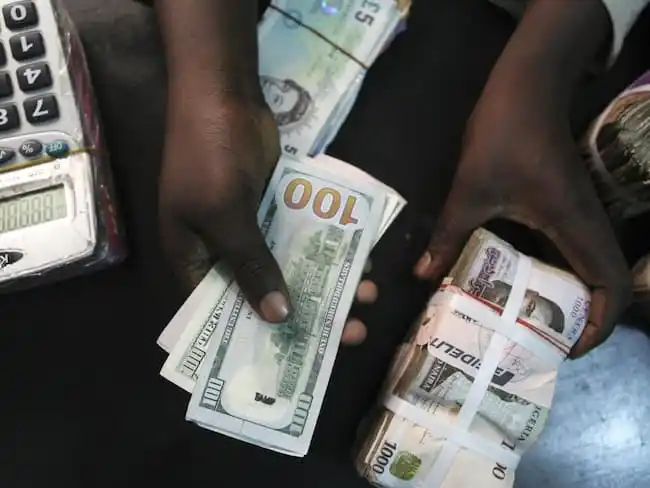
Dollar To Naira Exchange Rate For 4th August 2025

Dollar To Naira Exchange Rate For 8th Dec 2023

The exchange rate between the Naira and the US dollar, according to the data released on the FMDQ Security Exchange, the official forex trading portal, showed that the naira closed at 1560.00 per $1 on Monday, August 4th , 2025. The naira traded as high as 1532.00 to the dollar at the investors and exporters (I&E) window on Sunday.

How much is a dollar to naira today in the black market?

Dollar to naira exchange rate today black market (Aboki dollar rate):

The exchange rate for a dollar to naira at Lagos Parallel Market (Black Market) players buy a dollar for ₦1555 and sell at ₦1560 on Sunday 3rd August, 2025, according to sources at Bureau De Change (BDC).

Please note that the Central Bank of Nigeria (CBN) does not recognize the parallel market (black market), as it has directed individuals who want to engage in Forex to approach their respective banks.

Dollar to Naira Black Market Rate Today

Dollar to Naira (USD to NGN)Black Market Exchange Rate Today
Buying Rate₦1555
Selling Rate₦1560

Dollar to Naira CBN Rate Today

Dollar to Naira (USD to NGN)CBN Rate Today
Highest Rate₦1535
Lowest Rate₦1532

Please note that the rates you buy or sell forex may be different from what is captured in this article because prices vary.

FG Secures N70bn To Kick-Start Renewed Hope Housing Scheme

FG To Commission 1,071 Houses In 8 States To Combat Housing Deficit

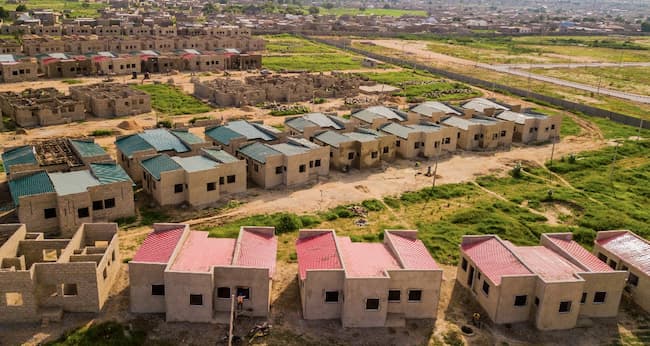
The Federal Government has successfully mobilised over N70 billion in private capital through Public-Private Partnerships (PPPs) to drive its flagship Renewed Hope Housing Programme — an ambitious initiative aimed at bridging Nigeria’s vast housing deficit.

This was revealed by the Minister of Housing and Urban Development, Ahmed Musa Dangiwa, during the opening ceremony of the 19th Africa International Housing Show (AIHS), where he also unveiled a state-by-state homeownership and housing development campaign to intensify efforts at closing the national housing gap.

According to a press statement signed by Mark Chieshe, Special Assistant, Media & Strategy at the Ministry, the Renewed Hope Housing Programme is structured around three tiers: Renewed Hope Cities, Renewed Hope Estates, and Renewed Hope Social Housing Estates. Dangiwa described this model as the government’s blueprint for delivering affordable, accessible, and inclusive housing across the country.

“To date, over N70bn in private capital has been mobilised under PPPs for large-scale urban housing developments,” the minister said. “This administration is not just building houses; we are addressing the structural and macroeconomic barriers that have long made affordable housing inaccessible to many Nigerians.”

Dangiwa also spotlighted a range of innovative housing finance solutions being championed by the Federal Mortgage Bank of Nigeria (FMBN), including the Rent-to-Own Scheme and the Rental Assistance Product, designed to ease the housing burden for urban workers, low-income earners, and young families. He further announced that the upcoming MOFI Real Estate Investment Fund would significantly improve access to long-term, affordable mortgage financing.

A key highlight of the minister’s address was the launch of a new state-by-state housing delivery campaign. This initiative aims to deepen subnational implementation of federal housing policies by embedding housing reform champions within state governments, hosting state housing roundtables, and providing direct support for project development and funding mobilisation.

“We are aligning federal agencies, state governments, private developers, and development partners to deliver locally tailored solutions that reflect Nigeria’s housing realities,” Dangiwa said.

He also reaffirmed the government’s commitment to inclusive urban renewal and slum upgrading, in accordance with global frameworks such as the UN-Habitat Global Action Plan and the Addis Ababa Declaration on Inclusive Urban Development.

“No one and no place will be left behind,” the minister stressed.

Dangiwa concluded by calling for stronger collaboration with development finance institutions, donor agencies, and private sector investors to transform policy dialogue into real-world impact.

“Housing is not a privilege — it is a right. When we invest in housing, we invest in people, jobs, cities, and our shared future,” he affirmed.

LAUTECH Resident Doctors Begin Indefinite Strike Over Wage

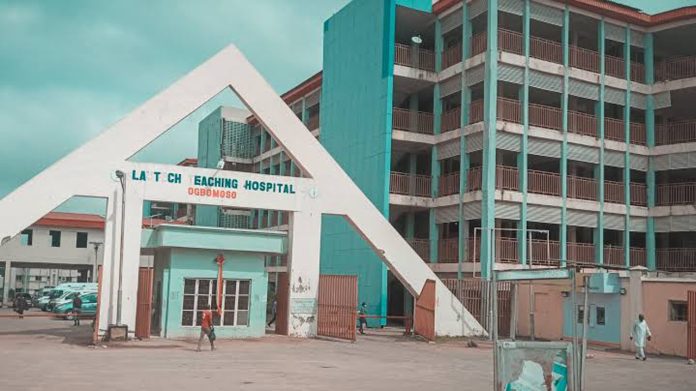
Resident doctors at the Ladoke Akintola University of Technology Teaching Hospital, Ogbomoso, Oyo State, have commenced an indefinite strike due to the non-implementation of key welfare demands by the hospital management and the state government.

The Association of Resident Doctors announced the action after the expiration of a three-week ultimatum issued on July 8, citing unresolved issues including the implementation of the new minimum wage, disbursement of the Medical Residency Training Fund, accoutrement allowance, staff recruitment, and renovation of call rooms.

The doctors had previously suspended a month-long strike on April 8 to allow time for the government and management to meet their demands. However, after what they described as minimal progress, they notified the hospital’s Chief Medical Director, Prof. Olawale Olakulehin, in a letter dated July 28 that the strike would begin on July 29.

In the letter signed by the association’s President, Dr Stephen Adedokun, and General Secretary, Dr Adedapo Mustapha, the doctors accused the government of ignoring their core grievances and warned of worsening conditions at the facility due to mass resignations and dwindling staff strength.

They noted that while other health workers in the state enjoy the new minimum wage, LAUTECH doctors continue to work under outdated pay structures, creating pay disparities and difficulty attracting new personnel.

“Despite an ample window of engagement granted over the past three months and three weeks, it is with deep concern that we hereby declare a total and indefinite industrial action commencing from 12:00 am, Tuesday 29th July 2025,” the letter read.

Dr Adedokun, in an interview with our correspondent, confirmed the strike had begun as planned and stressed that the association would not call off the action until tangible and acceptable steps were taken to resolve their demands.

Earlier in July, the doctors had warned of an imminent collapse of the hospital, citing poor remuneration, massive staff exits, and a lack of government support. According to them, the number of resident doctors at the facility has plummeted from nearly 270 to fewer than 65.

Keyamo Faces Backlash, Stands By N712bn Airport Renovation Plan

‘Tinubu Will Be Sworn In’ – Festus Keyamo Replies Onaiyekan

Minister of Aviation and Aerospace Development, Festus Keyamo, has defended the federal government’s decision to spend N712 billion on the renovation of the E and D wings of the Old Murtala Muhammed International Airport terminal in Lagos, following widespread public criticism over the project’s cost.

The minister recently announced that the Federal Executive Council had approved the comprehensive revamp, which will give the decades-old terminal its first full-scale facelift since it was inaugurated in 1979. The contract, awarded to China Civil Engineering Construction Corporation (CCECC), includes terminal upgrades, apron expansion, new access roads, and the construction of two ring roads and a connecting bridge.

However, the announcement sparked a wave of backlash on social media, with many Nigerians questioning the scale of the investment. Critics argue that the N712bn price tag is excessive, especially given the country’s economic challenges.

Activist Omoyele Sowore described the terminal’s dilapidated state as “a war zone,” accusing the government of allowing the facility to deteriorate deliberately to justify an inflated renovation cost. “Now I understand that the situation at Murtala Mohammed International Airport… was not accidental. It appears that it was intentionally neglected to facilitate a massive scheme for ‘repairs’ totaling N712bn,” he said.

Others echoed the concerns. “Is that what you’re spending N712bn on when people are starving?” asked user Eze Uchenna Francis. Another commentator, Tosin Olugbenga, noted that the amount was equivalent to about $500 million at the official exchange rate — enough, in his view, to construct a new world-class airport entirely from scratch.

In contrast, some Nigerians defended the minister. A user identified as Baámofín Esà Okè pointed out that $500 million would not cover the cost of a modern airport when compared with global benchmarks. “The new Ethiopian airport is estimated at $7.8bn. Heathrow Terminal 5 cost £4.3bn,” he said.

Retired pilot, Capt. Muhammad Badamosi, criticised the lack of transparency surrounding the project and demanded a detailed breakdown of the budget. “In a country without accountability, any amount can be declared for a project with no fear of contradiction. We must ask for full disclosure,” he stated, citing Ghana as a model for transparency in infrastructure development.

Aviation industry expert John Ojukwu also questioned the project’s focus. He urged the government to leave non-aeronautical developments to the private sector through concession agreements and instead concentrate on improving core aeronautical services in line with international standards.

In response to the criticism, Keyamo said the renovation had become inevitable due to years of neglect and a surge in passenger traffic that has overwhelmed the terminal’s capacity.

“Due to years of neglect and increased traffic, the facilities at Terminal One became completely decrepit. Patch jobs over the years were no longer enough,” Keyamo explained.

He said the renovation will not only expand the building and apron to accommodate larger aircraft but also correct long-standing design flaws — such as installing a bridge to connect directly to the upper level of Terminal 2, improving ease of access for departing passengers.

The minister also clarified that the project would not be funded through external borrowing. Instead, the funds will come from the Renewed Hope Infrastructure Development Fund, financed through savings from the removal of fuel subsidies.

“This is a necessary and transformative investment. We’re not borrowing for this — the money comes from what we’ve saved through reforms. Nigerians deserve an airport infrastructure that reflects their aspirations,” Keyamo concluded.

Ghana Orders DStv to Slash Prices By 30% Or Risk Suspension

  • Accuses MultiChoice of Overpricing Despite Cedi Appreciation

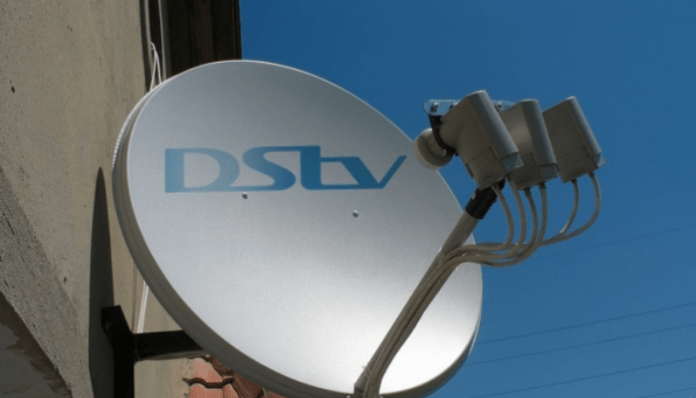
The Ghanaian government has issued a firm ultimatum to MultiChoice, operators of satellite television service DStv, demanding a 30% reduction in subscription fees by August 7 or face a suspension of its broadcasting license.

The directive, as reported by Ghana’s state-owned Daily Graphic, is aimed at bringing local subscription rates in line with regional peers and adjusting for the Ghanaian cedi’s significant gains against the US dollar in recent months.

Minister of Communication, Digital Technology and Innovations, Samuel Nartey George, criticised MultiChoice Ghana for hiking its subscription prices by 15% in April, calling the increase unjustified in light of the local currency’s appreciation.

“The same premium DStv bouquet that costs $83 in Ghana goes for just $29 in Nigeria,” George noted, pointing to what he described as pricing discrepancies that do not reflect current economic realities.

He further disclosed that MultiChoice had offered to freeze prices and temporarily suspend the repatriation of profits to its headquarters. However, the government rejected the proposal, insisting on a direct reduction in prices.

So far this year, the cedi has appreciated by 40% against the US dollar, making it the world’s second-best performing currency according to Bloomberg, trailing only the Russian rouble.

In response, MultiChoice said the government’s proposed pricing structure is impractical.

“It is not tenable to reduce the DStv subscription fees in the manner proposed by the minister,” the company said in a statement. “We strive to keep fees as low as possible despite the extremely challenging competitive and macroeconomic environment, without compromising on customer choice and service quality.”

The standoff has stirred public debate in Ghana, where consumers have long complained about rising pay-TV costs. The outcome of this regulatory challenge could set a precedent for how multinational media firms price services across African markets.

Nigeria’s Insurance Sector Urged To Strengthen Risk Management Amid US Tariff Hike

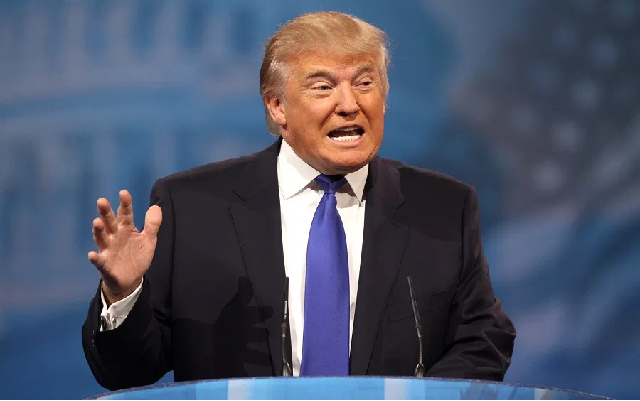
Donald Trump

Nigeria’s insurance sector has been urged to enhance its risk management strategies and product offerings in response to the United States’ imposition of a 15% tariff on Nigerian exports, effective August 2025.

The tariff increase, announced through President Donald Trump’s executive order on July 31, 2025, forms part of a broader revision of America’s reciprocal tariff system. The new measures place Nigeria alongside approximately 40 other countries facing penalties for what the U.S. considers an “unbalanced” trade relationship.

Insurance expert and public affairs analyst, Mr. Ade Adesokan, highlighted that this significant trade policy shift comes at a pivotal time, as Nigeria’s insurance sector has shown remarkable growth and resilience.

“The sector must adapt strategically to continue its impressive growth trajectory while supporting Nigerian exporters through this period of trade uncertainty,” Adesokan stated.

The 15% tariff marks an escalation from the 14% rate initially imposed in April 2025, which was temporarily suspended for 90 days and extended for an additional month to allow for negotiations. Under the new system, countries with a U.S. trade deficit face a default 15% duty on all imports, while those with a surplus pay a lower 10% rate. Nigeria, now part of the BRICS group of nations as of January 2025, faces further complications, with President Trump threatening an additional 10% tariff on countries aligned with BRICS policies. This could bring Nigeria’s tariff rate to 25%.

Despite these challenges, Nigeria’s insurance market has shown impressive growth, with total premiums reaching N1.56tn in 2024, a 56% increase from N1.00tn in 2023. Non-life insurance, particularly, accounted for N1.1tn, while life insurance contributed N470bn. The industry’s total assets grew to N3.9tn, up 46.1% from N2.67tn in 2023, with market capitalization rising to N1.2tn, a 41% increase from N850bn the previous year. The industry paid approximately N622bn in claims in 2024, with non-life insurance claims amounting to N437bn and life insurance claims N185bn.

Adesokan pointed out several insurance segments likely to face immediate challenges due to the tariff increase. Marine insurance is expected to be among the most affected, as insurers covering goods in transit may need to revise pricing models. Exporters might reduce shipment frequencies or consolidate cargo to manage the added cost burden.

“Trade Credit Insurance,” Adesokan noted, “is likely to see increased demand as exporters seek protection against non-payment due to market uncertainties in the U.S. However, this could also lead to a rise in claims if American customers delay payments or cancel contracts because of the tariff costs.”

Additionally, sectors such as Property and Casualty Insurance could be affected as manufacturing facilities and agricultural plants reliant on U.S. exports may reconsider expansion plans, prompting insurers to reassess asset valuations and coverage limits. Business Interruption Insurance could also see a surge in claims if Nigerian businesses, heavily dependent on the U.S. market, face operational disruptions or reduced revenues.

Adesokan further suggested that the tariff could accelerate Nigeria’s existing trend toward export diversification, which may have significant implications for the insurance industry.

“As exporters look to new markets beyond the U.S., insurers will need to adapt by developing expertise in assessing risks in these emerging trade corridors,” Adesokan explained. “This diversification could benefit insurers by spreading risk across different regions, though it will require investment in market intelligence and new risk assessment capabilities.”

He called for greater collaboration between key industry bodies such as the National Insurance Commission (NAICOM), the Nigerian Insurers Association (NIA), and the Nigerian Council of Registered Insurance Brokers (NCRIB) to monitor the situation and offer necessary guidance. He also suggested regulatory flexibility to enable insurers to innovate in response to evolving market conditions while ensuring adequate consumer protection and financial stability.

“Ultimately, the insurance industry must remain agile, responsive, and proactive to help mitigate the impacts of this new trade reality,” Adesokan concluded.

Interswitch Showcases Hospitality-Focused Payment Innovations At Hotel Managers Conference.

Interswitch, Leading African technology company focused on creating solutions that enable individuals and communities prosper, has reaffirmed its commitment to transforming the continent’s hospitality sector through technology during its participation as an exhibitor at the Hotel Managers Conference Africa (HMC) 2025, held on June 28–29 at the Lagos Continental Hotel.

The two-day conference brought together stakeholders across the hospitality industry to explore new pathways for sustainable growth through technology, strategic partnerships, and global best practices. Interswitch’s participation spotlighted its comprehensive portfolio of payment solutions tailored to the evolving needs of hospitality businesses.

The company showcased its Interswitch Smart POS, a high-speed, multifunctional terminal with innovative features relevant in the hospitality sector. In addition to Verve Cards, it boasts of international card acceptance from Visa; Mastercard; American Express; China UnionPay; Discover; Diners Club and Japan Credit Bureau. It also offers USD settlement for foreign transactions, allowing hotels to cater to international guests with ease. Additionally, the Smart POS includes a card-not-present feature, enabling secure remote payments for use cases such as pre-arrival deposits and incidental charges.

Also featured was the Interswitch Payment Gateway, which enables hotels to accept online bookings securely and process payments from major international card schemes such as American Express, Mastercard, and Visa cards. The gateway is designed for effortless integration with existing systems and provides USD settlement capabilities for international transactions, helping hospitality operators serve a broader customer base without complexity.

Interswitch also demonstrated its trusted bulk disbursement platform that simplifies payments to vendors, staff, and service providers, ensuring timely and efficient transactions with minimal manual input.

The Interswitch booth attracted significant interest from key decision-makers and hospitality business owners, many of whom expressed interest in adopting the company’s integrated solutions to streamline their operational efficiency and elevate guest experience. Commenting on the engagement, Osasere Atohengbe, Vice President, Sales and Account Management, Interswitch, stated:

“Our participation at HMC 2025 reinforces our mission to be a technology partner for hospitality businesses. We’re not just providing tools, we’re enabling transformation, and it was rewarding to connect directly with operators who are ready to take the next leap.”

With thousands of businesses across sectors relying on Interswitch’s trusted infrastructure, including industry leaders like Eko Hotels, Marriot Hotel, and The George Hotel, the company continues to lead innovation in digital payment solutions tailored for African markets.

Its engagement at Hotel Managers Conference 2025 represents another key step in strengthening ties with the hospitality sector, while advancing its broader mission of inclusive growth through strategic partnerships and merchant-focused solutions.

NiMet Forecasts Heavy Rainfall, Flood Risk In Several States

The Nigerian Meteorological Agency (NiMet) has forecast widespread thunderstorms and light to moderate rainfall across the country from Monday to Wednesday, warning of a high risk of flash flooding in several states.

In its three-day weather outlook released on Sunday in Abuja, NiMet projected morning thunderstorms and moderate rains on Monday over parts of Adamawa, Taraba, Sokoto, Kebbi, Zamfara, Jigawa, Kano and Katsina states. More intense rainfall is expected across the northern region later in the day.

The agency warned that flood is highly likely in parts of Adamawa, Taraba and Bauchi states during the forecast period.

For the North Central region, light morning showers are anticipated in Benue, the Federal Capital Territory (FCT), Niger, Kogi and Nasarawa states. Intermittent rain is also forecast for Nasarawa, Kwara, Kogi, Plateau, Niger, Benue and the FCT in the afternoon and evening hours.

In the South, cloudy skies with light rains are expected on Monday morning in parts of Ebonyi, Enugu, Imo, Anambra, Abia, Ogun, Edo, Delta, Lagos, Rivers, Cross River, Akwa Ibom and Bayelsa. Rainfall is expected to persist across the region into the evening, with possible flooding in Oyo, Ogun, Edo and Delta states.

On Tuesday, thunderstorms and moderate rains are forecast in the morning over Taraba, Katsina, Kebbi, Sokoto, Kaduna and Zamfara states, with widespread rainfall likely across the rest of the North later in the day.

The central region is expected to see intermittent light rain in parts of FCT, Niger, Nasarawa, Kwara, Kogi, Plateau and Benue.

Southern states such as Ebonyi, Imo, Abia, Enugu, Anambra, Ondo, Ekiti, Ogun, Osun, Oyo, Lagos, Edo, Delta, Rivers, Bayelsa, Cross River and Akwa Ibom will also experience intermittent rainfall. Flash floods are likely in parts of Anambra, Delta, Bayelsa, Cross River and Akwa Ibom.

For Wednesday, NiMet predicts morning thunderstorms in Taraba and Kaduna, with isolated storms later over Borno, Bauchi, Gombe, Yobe, Jigawa, Kano and Adamawa.

Light rains are expected in the FCT, Niger and Nasarawa in the morning, extending to Kwara, Kogi, Plateau and Benue states later in the day.

Southern states will continue to experience cloudy skies and light rains throughout the day, with Bayelsa flagged as a high-risk area for flooding.

NiMet advised the public to avoid driving during heavy downpours and called on states at risk of flooding to activate emergency response plans. It also urged residents to secure loose objects, wear warm clothing during cold nights and disconnect electrical appliances during storms.

Airline operators were also advised to obtain location-specific weather information from NiMet for flight planning.

BizWatchNigeria.Ng
Privacy Overview

This website uses cookies so that we can provide you with the best user experience possible. Cookie information is stored in your browser and performs functions such as recognising you when you return to our website and helping our team to understand which sections of the website you find most interesting and useful.