







Home Blog Page 10

What New Traders Should Know About Trading the EURUSD Pair

The EURUSD (euro to United States dollar) pair is the most liquid foreign exchange market. Traders watch the pair closely to see how political and economic events influence the price. Here’s what new traders should know.

Quick basics

The pair shows how many dollars are needed to buy one euro. Price shifts reflect how investors view the strength of each economy. When the price rises it suggests the euro is gaining strength compared with the dollar. When the price falls it indicates the dollar is gaining strength compared with the euro.

Observing this relationship on an EURUSD chart, provided by platforms like Exness, can help new traders understand the balance between the two economies. With regular observation traders learn that the pair reacts strongly to central bank statements and to economic releases that influence interest rate expectations.

Liquidity

High liquidity usually results in tighter spreads and faster trade execution. For new traders this can be helpful because the cost of entering and leaving a position is often more predictable. Liquidity also tends to reduce sharp price jumps that can occur when markets absorb new information.

Liquidity cannot eliminate volatility, but it can make short term movements easier to interpret. A liquid market attracts many types of traders, which means different styles often coexist and there is a steady flow of orders that encourages a more stable trading environment.

Economic data

Economic data guides most short-term adjustments in the euro dollar relationship. Common reports include employment figures, inflation readings, consumer surveys and industrial output.

When inflation appears persistent, investors may expect the central bank to raise interest rates that can strengthen that currency. When employment data weakens, traders may anticipate slower economic activity which can affect rate expectations.

For beginners the key is not to memorize every number but to understand how data influences sentiment (the collective view of traders and investors). A calendar that marks major economic events can help new traders prepare for increases in volatility. Preparation is helpful because data releases often move price quickly and this movement may happen too fast for manual reaction unless a plan is already in place.

Central banks

The European Central Bank and the Federal Reserve guide long term direction for the euro and the dollar. Their policy statements offer clues about future interest rates and economic expectations.

When one bank signals a willingness to adjust policy earlier than the other, the pair often begins to trend gradually. New traders should try to read central bank summaries with patience since the language may appear technical at first. Over time the basic themes become clearer, and the clarity helps traders place news events in context.

It’s worth noting that markets often respond not only to the policy itself but to the anticipated path of future decisions. This is why the pair may move even when interest rates remain the same.

Common trading sessions

The pair is active throughout the day due to global market overlap. The European session often sets the early directional tone while the United States session can reinforce or reverse it. During these periods trading volume tends to be higher which can create more structured movement.

New traders might be tempted to enter positions during very quiet hours, which may lead to unexpected price drift. The overlap between European and United States sessions is often the most active period, which means it can offer more reliable movement for traders who rely on short term signals.

Sentiment

Changes in sentiment can create short lived surges or declines even when there is no major news. For example, a shift toward safer assets can strengthen the dollar since it’s often viewed as a useful reserve currency. A shift toward risk taking can strengthen the euro if investors seek assets in that region.

New traders will learn from observing these shifts, because understanding sentiment helps explain price behaviour during periods without clear data releases.

Some traders track commodities because certain shifts in commodity markets can influence expectations about economic strength. Advanced traders observe the US dollar’s relationship with various assets, including gold; the XAU USD price today is available on the same platforms, such as Exness. Monitoring related markets can build a more complete picture of global activity.

Improving risk management

Beginners might focus on entry signals and overlook risk management. A structured plan can prevent large and unexpected losses. One simple step is to decide how much account capital to risk on any single trade.

Another is to place protective orders that close a position if price moves beyond a chosen level. New traders should choose these levels before entering a trade because decisions made during stress can lead to inconsistent outcomes.

Calm planning improves the chance of maintaining discipline. Consistent risk management also gives traders a reliable way to measure performance over time which is essential for making meaningful improvements. All traders should be wary of overconfidence: Investopedia’s Adam Hayes notes that overconfidence can result in losing money much more quickly.

Setting realistic expectations

Newcomers might expect quick progress, but trading skill develops gradually. The euro dollar pair offers learning opportunities because it reacts to major global events with more clarity than some other markets.

Patience helps traders learn from experience rather than rushing into new strategies. Keeping a simple record of trades and noting the reason for each decision can help identify useful patterns. With steady practice traders can begin to recognize how the pair behaves according to common events.

A solid routine for learning

A routine helps new traders filter information and respond more consistently. A basic routine might include reviewing recent price movement, reviewing scheduled economic events, and selecting levels that guide trade decisions.

Having a routine in place will also support emotional control, which is important when price moves unexpectedly. As traders gain confidence they might experiment with new analytical methods. Even when exploring new techniques, it may be helpful to keep the core routine unchanged since consistency will support a clearer evaluation of results.

A solid routine helps traders avoid confusion and maintain steady progress, which is often more valuable than rapid strategy changes.

Tinubu, Sanwo-Olu Reaffirm Commitment To Nigerian Armed Forces

President Bola Tinubu has reaffirmed his administration’s unwavering commitment to the welfare, professionalism and operational effectiveness of the Nigerian Armed Forces, underscoring the central role of the military in safeguarding national unity and security.

The President gave the assurance on Monday at the opening of the 2025 Chief of Army Staff (COAS) Annual Conference in Lagos. Represented by Vice-President Kashim Shettima, Tinubu paid glowing tribute to serving and retired senior military officers, noting that their sacrifices, leadership and institutional memory have continued to shape the Nigerian Army.

He described the gathering of elder statesmen and former service chiefs as a powerful testament to the enduring heritage, professionalism and fighting spirit of the Armed Forces, and commended officers and soldiers who consistently place national duty above personal comfort.

According to him, the sacrifices made by personnel in defence of Nigeria’s sovereignty and territorial integrity would remain indelibly etched in the nation’s history.

Tinubu noted that the annual conference provides a vital platform for honest reflection, strategic assessment and continuous improvement in the Army’s training, administration and operations, particularly in the face of evolving global, regional and national security challenges.

Lagos State Governor, Babajide Sanwo-Olu, also emphasised the critical link between security and development, describing security as a fundamental prerequisite for sustainable growth. He commended the Nigerian Army for its pivotal role in preserving national unity and protecting democratic governance.

The governor specifically lauded the Headquarters 81 Division of the Nigerian Army for its contributions to peace and stability in Lagos State, assuring the continued support of the state government.

“Nigeria’s military history is deeply interwoven with our national journey—from the early years of independence through periods of profound challenge and transition to our present democratic dispensation. The Nigerian Army has remained a defining institution in the preservation of our territorial integrity and national cohesion,” Sanwo-Olu said.

He added that history had consistently demonstrated that security is essential for national development, noting that the Army remains one of the most critical instruments through which nations project stability, authority and confidence.

Also speaking, the Minister of Defence, General Christopher Musa (rtd), described the conference as a strategic forum for reviewing operational posture, assessing readiness and aligning the Army’s future direction with Nigeria’s national security priorities.

He commended the resilience and professionalism of Army personnel and acknowledged the contributions of past and serving service chiefs and senior officers. Musa stressed the importance of joint operations, inter-agency collaboration and a whole-of-society approach in addressing the country’s complex security challenges.

The defence minister urged senior commanders to ensure that deliberations at the conference translate into concrete operational actions and measurable results on the battlefield.

Earlier, in his welcome address, the Chief of Army Staff, Lieutenant General Waidi Shaibu, expressed deep appreciation to President Tinubu for his sustained political will and strategic support for the military, particularly in the areas of personnel welfare, equipment modernisation, training and institutional reforms.

He also acknowledged the legislative and budgetary support of the National Assembly, which he said had significantly enhanced the Army’s operational readiness across all theatres of operation.

Trump Files $10bn Lawsuit Against BBC Over Edited Documentary Clip

Former US President Donald Trump has filed a lawsuit seeking at least $10 billion in damages from the British Broadcasting Corporation (BBC), alleging that a documentary aired by the broadcaster unlawfully edited his January 6, 2021, speech to supporters ahead of the US Capitol riot.

The suit, filed on Monday in a federal court in Miami, brings two counts against the BBC—defamation and violation of the Florida Deceptive and Unfair Trade Practices Act—seeking no less than $5 billion in damages for each claim.

Trump, 79, had earlier indicated that legal action was imminent, accusing the BBC of misrepresenting his remarks and claiming the broadcaster “put words in my mouth,” suggesting the possibility that artificial intelligence had been used to alter the footage.

The documentary in question aired last year on Panorama, the BBC’s flagship current affairs programme, shortly before the 2024 US presidential election. According to the lawsuit, the programme combined two separate excerpts from Trump’s speech on January 6, 2021, creating the impression that he directly encouraged supporters to attack the Capitol, where lawmakers were certifying Joe Biden’s 2020 election victory.

In a statement to AFP, a spokesperson for Trump’s legal team accused the broadcaster of deliberately manipulating the footage. “The formerly respected and now disgraced BBC defamed President Trump by intentionally, maliciously, and deceptively doctoring his speech in a brazen attempt to interfere in the 2024 Presidential Election,” the statement said. It further alleged that the BBC had a history of misleading coverage of Trump, driven by what it described as a partisan political agenda.

The controversy surrounding the edited clip resurfaced last month following a media report, triggering a period of upheaval within the BBC. The scandal culminated in the resignations of the broadcaster’s director-general and its most senior news executive.

Trump’s lawsuit contends that the edited speech was “fabricated and aired by the Defendants one week before the 2024 Presidential Election in a brazen attempt to interfere in and influence the Election’s outcome to President Trump’s detriment.”

While the BBC has denied the allegations of legal defamation, its chairman, Samir Shah, has issued a letter of apology to Trump. Shah also told a UK parliamentary committee that the corporation should have acted more swiftly to acknowledge the error after it was identified in an internal memo later leaked to The Daily Telegraph.

The action against the BBC is the latest in a series of lawsuits Trump has brought against media organisations in recent years, several of which have resulted in multi-million-dollar settlements.

Enugu Approves Construction, Reconstruction Of 1,022 Urban Roads

Japa: Peter Mbah Vows To Provide More Opportunities For Young People
Peter Mbah, Governor of Enugu State.

The Enugu State Government has approved the construction and reconstruction of 1,022 urban roads as part of Governor Peter Mbah’s plan to ensure that all roads within the state capital are paved before the end of his first term in office.

The decision was announced at the end of the Enugu State Executive Council meeting held at the weekend. Briefing journalists at the Government House, the Commissioner for Information and Communication, Dr Malachy Agbo, alongside the Commissioner for Works and Infrastructure, Engr Osita Okoh, and the Commissioner for Trade, Investment and Industry, Dr Sam Ogbu-Nwobodo, said the council also approved the Business Enabling Reform Action Plan for 2026 and endorsed a series of activities for the upcoming Christmas and New Year festivities.

Providing details on the road projects, Okoh said the approval was designed to take advantage of the dry season by awarding contracts early and ensuring contractors are mobilised to sites from January 2026. He explained that the road programme is being implemented in phases, noting that the first phase covered more than 90 roads, while the second phase exceeded the initial target of 141 urban roads.

According to him, the third phase will cover all remaining unpaved roads in the Enugu metropolis. He said the roads cut across areas such as New GRA, Old GRA, Emene Zone, Abakpa Zone, Thinkers Corner, Airport Corner, Upper Meniru in Awkunanaw, Idaw River Layout, Gariki, Maryland, Achara Layout, Uwani, One Day and Upper One Day, Trans Ekulu, Independence Layout and Phase II, Coal Camp Zone, Pocket Layout, Ogui and Asata, among others.

Okoh said the objective is to ensure that no part of the Enugu metropolis is left out, stressing that the administration is determined to cover all currently unpaved urban roads.

Also speaking, Ogbu-Nwobodo said the approval of the Business Enabling Reform Action Plan for 2026 is aimed at strengthening Enugu’s business-friendly environment. He noted that the state has recorded a significant improvement in its ease of doing business ranking, moving from 36th position to sixth nationally.

He said the improved ranking reflects stronger engagement with the private sector and increased investor confidence, adding that transparent and predictable processes in areas such as land administration, taxation, permits and business-to-government interactions have helped to attract more capital inflows into the state.

Africa Housing Deficit Hits 50 Million Units – Dangiwa

Africa is grappling with a housing deficit of at least 50 million units, alongside an estimated $1.4 trillion gap in housing finance, the Minister of Housing and Urban Development, Ahmed Musa Dangiwa, has said.

Speaking at the 7th Africa Housing Awards in Abuja, Dangiwa described the housing crisis as one of the continent’s most pressing development challenges, warning that the deficit could worsen significantly if urgent action is not taken.

He said the housing shortfall could rise to about 130 million units by 2030, noting that housing has become one of Africa’s most critical development pressures. According to him, about 54 million Africans currently live in urban slums, underscoring the scale of unmet demand driven by rapid urbanisation, weak housing finance systems and limited large-scale housing delivery.

Dangiwa said housing shortages are increasingly central to economic growth constraints, social stability risks and urban resilience challenges across the continent. He added that Nigeria reflects the wider African situation, with a conservatively estimated housing deficit of more than 17 million units.

The minister said the Federal Government is responding by moving away from fragmented housing projects to a structured national housing delivery programme under President Bola Tinubu’s Renewed Hope Agenda. He disclosed that more than 10,000 housing units have been commenced across 14 states and the Federal Capital Territory over the past two years, alongside urban renewal and slum upgrade projects affecting more than 150 communities nationwide.

Despite these efforts, Dangiwa stressed that no single country can resolve the housing crisis alone, calling for stronger continental collaboration, deeper private sector involvement and scalable housing finance models.

The housing deficit featured prominently at the Africa Housing Awards, where 52 individuals and institutions were recognised for initiatives aimed at closing supply gaps. The convener of the awards, Festus Adebayo, said the housing and construction sector remains a key driver of jobs and economic growth but is under increasing strain from rising demand, regulatory weaknesses and global economic pressures.

He said these challenges informed the creation of the awards platform to promote accountability and best practices across the sector, adding that the Housing Development Advocacy Network is enforcing a zero-tolerance policy against unethical practices. Adebayo warned that the group would expose fraud and sharp practices in the sector, including by award recipients, to protect homebuyers and investors.

He added that stakeholders are engaging with the National Assembly, the Federal Capital Territory Administration, the Federal Ministry of Housing, Lagos State and other regulators to strengthen housing regulations in line with international best practices.

Customs, NMDPRA Strengthen Collaboration To Curb Fuel Diversion

The Nigeria Customs Service (NCS) and the Nigerian Midstream and Downstream Petroleum Regulatory Authority (NMDPRA) are intensifying efforts to prevent the diversion of petroleum products intended for domestic consumption, reinforcing Nigeria’s energy security framework.

The renewed partnership was highlighted during a meeting in Abuja between Comptroller-General of Customs, Adewale Adeniyi, and NMDPRA Executive Director of Distribution Systems, Storage and Retailing Infrastructure, Ogbugo Ukoha.

Speaking at the engagement, Adeniyi reaffirmed the Customs Service’s commitment to interagency cooperation, emphasising the importance of ensuring that petroleum products for local use are not illegally diverted to neighbouring countries. He noted that collaborative initiatives, particularly Operation Whirlwind, had already yielded measurable results. The operation was described as a model for intelligence sharing, joint enforcement, and coordinated field operations.

“The Nigeria Customs Service remains fully aligned with ongoing reforms in the petroleum regulatory sector and will continue to provide technical input, operational feedback, and border management expertise to support NMDPRA’s implementation of new guidelines,” Adeniyi said.

He also commended the Authority for harmonising legacy processes with the Petroleum Industry Act (PIA), stressing that efficient export point procedures are critical as Nigeria transitions from a net importer to an emerging exporter of petroleum products.

“We welcome every initiative that strengthens energy security, protects national interest, supports legitimate trade, and maintains a transparent system stakeholders can trust. We will continue to work closely with sister agencies to sustain these outcomes,” he added.

In his remarks, Ukoha highlighted the longstanding and productive relationship between NMDPRA and the Customs Service. He cited Operation Whirlwind as a pivotal achievement, where joint deployment of personnel, intelligence exchange, and border monitoring led to a significant reduction in cross-border diversion of petroleum products.

Ukoha explained that the meeting also provided an opportunity to brief the CGC on newly developed guidelines for designating export points, reflecting Nigeria’s expanding refining capacity. He noted that the guidelines were being reviewed with key institutions, including the Central Bank of Nigeria, Federal Ministry of Industry, Trade and Investment, and the Nigerian Navy, to ensure operational feasibility prior to implementation.

Recalling past joint initiatives, including the launch of Operation Whirlwind in Yola, Ukoha emphasised that enforcement measures, coupled with the removal of fuel subsidies, had significantly reduced incentives for cross-border smuggling.

He assured that the NMDPRA will continue working closely with the Customs Service to safeguard the domestic supply chain, regulate petroleum exports, and protect Nigeria’s energy security.

The meeting underscores the shared commitment of both agencies to strengthen transparency, curb illicit trade, and ensure sustainable management of Nigeria’s petroleum resources.

10 Players Report To Super Eagles Camp Ahead Of 2025 AFCON

Ten players have officially reported to the Super Eagles’ camp as Nigeria ramps up preparations for the 2025 Africa Cup of Nations (AFCON) in Morocco.

The camp opened on Sunday at the Renaissance Hotels in Cairo, with the coaching staff and backroom team already in attendance. Goalkeeper Francis Uzoho was the first to arrive, touching down shortly after 2 a.m. local time, marking his return to the national team after over a year on the sidelines. Uzoho is one of three goalkeepers named in head coach Eric Chelle’s 28-man squad.

He was followed by Stanley Nwabali, with Fisayo Dele-Bashiru and Ebenezer Akinsanmiro joining later, bringing the initial total to four. Six more players — Amas Obasogie, Semi Ajayi, Ademola Lookman, Igho Ogbu, Bright Osayi-Samuel, and Tochukwu Nnadi — subsequently arrived, completing the first group of ten players in camp. Additional squad members are expected to join in the coming hours as preparations intensify.

The three-time African champions are scheduled to hold their first training session later on Sunday evening. As part of their build-up, the Super Eagles are set to face Egypt’s Pharaohs in a friendly at the Cairo International Stadium on Tuesday.

Nigeria will head into the 2025 AFCON aiming to build on their runners-up finish at the last tournament, where they lost 2–1 to hosts Ivory Coast in the final. The team is targeting a fourth continental title, having previously lifted the trophy in 1980, 1994, and 2013. The tournament kicks off on December 21, 2025, and will conclude on January 18, 2026.

Meanwhile, concerns have emerged over the fitness of Stanley Nwabali, the Super Eagles’ first-choice goalkeeper. According to Supersport.com, quoting Chippa United head coach Vusimuzi Vilakazi, Nwabali sustained injuries to his ankle and hand, which may require surgery. If surgery is necessary, he could miss the AFCON.

Vilakazi said, “I doubt it. Looking at the state of his injury, I don’t think he will make it, but he is confident he will recover very soon. You understand a player wants to be there at the Cup of Nations finals. The reality is that, for now, he is still injured. It is an ankle injury, but the hand also needs an operation because he has been playing with that injury for a while, and he aggravated it while in Morocco. We hope for the best that he might find himself there.”

The Super Eagles’ camp will continue to strengthen as the squad finalises preparations for one of Africa’s most prestigious football tournaments.

Residents Laud Calabar Governor’s Free Christmas Bus Service

Residents of Calabar, the capital of Cross River State, have commended Governor Bassey Otu for launching a free Christmas bus service, describing it as a timely relief that eases the burden of high transportation costs during the festive season.

The initiative, branded “Xmas Free Transport Service,” was launched recently to assist residents and visitors in moving around the city with ease and at no cost. Governor Otu explained that the service forms part of his administration’s “People First” agenda and complements the Carnival Calabar theme for 2025, “Traces of Time.”

Speaking at the flag-off ceremony on December 1, 2025, the governor emphasised that the initiative was designed to bring joy, convenience, and a sense of unity to Cross Riverians during Christmas.

Residents, speaking with The PUNCH on Monday, hailed the scheme as a practical and impactful measure.

Ukomma Sampson said, “I want to throw a big shout-out to our Governor, Sen. Bassey Otu, our sweet Prince, for providing free buses that take us wherever we need to go. Since the launch, I have not paid for transportation, and it has really helped us save money.”

Mary Obi, a trader in Calabar South, added, “This is the first time in years that I can travel home after sales with ease. I just carry my loads, take a free bus, and reach home without spending a dime. I thank our governor and hope he sustains this kind gesture beyond the Christmas season.”

Pascal Ijom, a resident of Ekorinim in Calabar Main Town, described the service as a boost to the local economy. He also urged the government to address other cost-of-living challenges, including the high cost of rent, to create a balanced urban environment.

Effiom Ekeng, a father of four from Marian, Calabar Main Town, commended the initiative but suggested that the free bus service be expanded to other parts of the state, including Ikom, Obubra, Obudu, Obanliku, Bakassi, Akpabuyo, and Odukpani, to benefit more residents.

Traders at the popular Watt Market, in separate remarks, praised Governor Otu’s initiative, describing it as a deliberate effort to support the less privileged and improve accessibility across the city during the festive period.

The free Christmas bus service has thus been widely welcomed as a tangible demonstration of Governor Otu’s commitment to easing economic pressures for residents while enhancing mobility during the festive season.

BUA Rewards 510 Long-Serving Employees With N30bn At 2025 Night Of Excellence

BUA Group has disbursed a total of N30 billion to 510 employees in recognition of long service, loyalty and outstanding performance at its 2025 Night of Excellence and Long Service Awards, marking one of the largest employee reward initiatives by a private sector company in Nigeria.

The ceremony celebrated staff whose years of service span from five years to more than four decades, underscoring the Group’s long-held belief that sustainable and enduring businesses are built on the dedication of their people.

Speaking at the event, the Founder and Executive Chairman of BUA Group, Abdul Samad Rabiu, described the occasion as an opportunity to honour commitment, resilience and shared ownership of the company’s growth story. He recalled that from humble beginnings 36 years ago, BUA has evolved into one of Nigeria’s most valuable listed conglomerates, with a combined market capitalisation now running into trillions of naira.

Rabiu stressed, however, that the transformation was not the product of individual effort or capital alone, but the collective contribution of employees who believed in the Group’s vision long before its successes became evident.

“Every factory built, every system strengthened, every challenge overcome and every milestone achieved bears the imprint of employees who committed themselves to the vision long before the results were visible,” he said.

He reaffirmed that BUA regards its workforce as partners in a shared legacy rather than merely employees, adding that loyalty, professionalism and excellence must be recognised in practical and meaningful ways.

Under the 2025 awards programme, N30 billion was allocated to 510 awardees across several long-service and excellence categories. Owing to time constraints, only 41 recipients—those in the highest award brackets—received their honours on stage from the chairman during the ceremony. These awards ranged from N100 million to N1 billion.

The on-stage recipients included 16 staff who received N100 million each, nine recipients of N200 million each, seven recipients of N250 million each, three recipients of N500 million each, five recipients of N1 billion each, as well as one special award recipient whose cash award was not disclosed at the event.

The special award was presented to Kabiru Rabiu in recognition of his exceptional loyalty, leadership and long-standing contribution to the growth and stability of the BUA Group.

All other awardees had received their plaques and cheques ahead of the ceremony or are scheduled to receive them at their respective plants and operational locations across the country.

Rabiu described the financial rewards as a token of appreciation, noting that no amount of money could fully compensate for decades of dedication, personal sacrifice and belief in the company’s mission.

Looking ahead, he said the Group would continue to expand capacity, invest in advanced technologies and deepen its presence across its core sectors, including cement, food, sugar and infrastructure, while ensuring that the people who built the organisation continue to grow alongside it.

The Night of Excellence and Long Service Awards, he added, reflects BUA Group’s culture of shared prosperity, long-term thinking and respect for its workforce.

The event was attended by staff, partners and customers, as well as prominent captains of industry and dignitaries, including Aliko Dangote, the Governor of Ogun State, Dapo Abiodun, the Minister of State for Finance, Doris Uzoka-Anite, and the Minister of Arts, Culture, Tourism and the Creative Economy, Hannatu Musawa, alongside friends and well-wishers of the Group.

Presidency Dismisses Claims Of EFCC Weaponisation Against Opposition

The Presidency has dismissed allegations by opposition political parties that President Bola Tinubu’s administration is deploying the Economic and Financial Crimes Commission (EFCC) as a tool to harass or witch-hunt political opponents.

Reacting to the claims on Sunday, the President’s spokesperson, Mr Bayo Onanuga, said the allegations were unfounded, stressing that the Presidency neither directs nor interferes in the operations of the EFCC. He described the anti-graft agency as an independent institution established by law and empowered to carry out its statutory responsibilities without fear or favour.

According to Onanuga, individuals invited or investigated by the EFCC should be prepared to defend themselves if they are confident of their innocence. He emphasised that President Tinubu does not issue instructions to any anti-corruption agency on who to investigate, arrest or prosecute.

“President Tinubu has far-reaching state matters to address and does not engage in political targeting,” the spokesperson said, adding that prosecutions are conducted through due process in the courts, not by executive manipulation. He noted that those found not guilty would, in the end, be vindicated.

The Presidency’s response followed recent arrests and investigations involving former senior government officials. Among them is Abubakar Malami, former Attorney-General of the Federation and Minister of Justice under the administration of the late President Muhammadu Buhari, who is being investigated by the EFCC over alleged irregularities in the management of funds recovered from the late military ruler, General Sani Abacha, among other issues.

Similarly, the EFCC recently arraigned a former Minister of Labour and Employment, Chris Ngige, over allegations of misappropriation of more than N2.2 billion during his tenure in office.

Malami, who was initially granted bail, later had it revoked over claims that he failed to meet the stipulated bail conditions. The African Democratic Congress (ADC) described the revocation as a political witch-hunt, linking it to Malami’s reported appearance at a political gathering in Kebbi State ahead of the 2027 governorship race.

However, the Presidency urged opposition parties to recognise the EFCC as an agency mandated to investigate and prosecute financial crimes regardless of an individual’s political affiliation or social standing.

It expressed concern that politicians who claim to be committed to national renewal were now, in its view, undermining accountability and probity. The Presidency argued that allegations of “weaponisation” were distractions by politicians struggling to present credible alternatives to the achievements of President Tinubu and the ruling All Progressives Congress (APC) in less than three years in office.

Reiterating that no one is above the law, the Presidency stressed that political affiliation should not serve as a shield against investigation or prosecution. It noted that the EFCC’s work had contributed to Nigeria’s recent removal from the Financial Action Task Force (FATF) grey list.

The Presidency also observed that some signatories to the opposition’s statement had previously been investigated or prosecuted by the EFCC even before President Tinubu assumed office in 2023, while others had been implicated in international money laundering probes, with some accomplices already jailed abroad.

“Such politicians should not undermine the integrity of national institutions or weaken the collective fight against corruption by politicising legitimate investigations,” the statement said, adding that the anti-corruption campaign is a shared national responsibility that should not be trivialised by what it described as baseless and politicised narratives.

The Presidency further accused opposition parties of seeking scapegoats for their failures and attempting to mislead the public for short-term political gain. It also rejected claims that multiparty democracy was under threat due to the defection of prominent politicians to the APC.

According to the Presidency, Nigeria’s Constitution guarantees freedom of association, including the right of citizens to change political parties at will. It insisted that no individual was coerced into joining the ruling party, noting that defections were driven by confidence in the Tinubu administration’s reform agenda.

“Those who joined the APC did so voluntarily, motivated by the visible gains of President Tinubu’s reform programme,” the Presidency said.

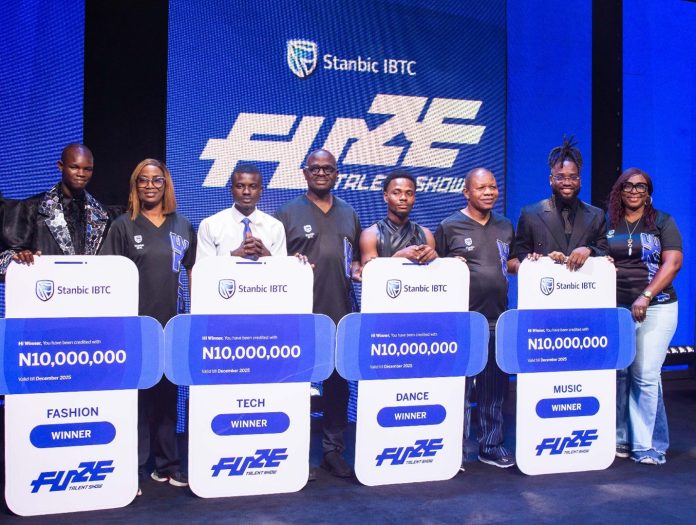
Stanbic IBTC FUZE Talent Show 4.0 Concludes With A Spectacular Showcase, Spotlighting Nigeria’s Next Generation Of Stars

Stanbic IBTC Holdings, a member of Standard Bank Group, turned up the energy in Nigeria’s creative scene with the broadcast finale of its FUZE Talent Show 4.0, spotlighting the innovation and artistry of the nation’s brightest young talents. Aired on 14 December 2025, the finale delivered a spectacular celebration of creativity and ambition.

Taking things a notch higher this year, Stanbic IBTC distributed ₦90 million in prizes, its biggest prize pool yet, in recognition of the creativity, resilience, and excellence displayed by contestants. The 2025 edition drew over 6,000 entries nationwide and continued to inspire a new wave of innovation among young Nigerians in fashion, technology, dance, and music.

After weeks of intense competition, mentorship, and captivating performances, 12 finalists progressed to the finale, where four exceptional individuals emerged as category winners: Oyindamola Timothy (Fashion), Steve Adeyemo (Tech), Uche Kalu (Dance), and Emmanuel Elijah (Music). Each winner received ₦10 million, along with mentorship opportunities, industry exposure, and support to advance their creative journeys.

This year, the FUZE Talent Show also introduced an exciting new twist: The Fan Favourite Feature, which allowed viewers across the country to vote for the contestant who most inspired them. This addition deepened audience participation and further strengthened FUZE’s mission to connect creativity with community support.

The grand finale episode of FUZE Talent Show 4.0 was broadcast nationwide on AIT (DStv Channel 253) at 7:00 PM, Africa Magic Showcase (DStv Channel 151) at 5:00 PM, and streamed live on the official Stanbic IBTC YouTube channel, connecting millions of viewers to the excitement and energy of the show.

Chuma Nwokocha, Chief Executive, Stanbic IBTC Holdings, expressed pride in the success of this year’s edition and highlighted the brand’s ongoing commitment to empowering young Nigerians through creativity and innovation.

“FUZE 4.0 truly lived up to its promise as ‘The Ultimate Show’, a platform that celebrates courage, creativity, and innovation. Every contestant who graced that stage reminded us of the extraordinary potential of Nigerian youths. At Stanbic IBTC, we are proud to continue creating opportunities that help young people dream bigger, think bolder, and achieve more. It is all about home-grown talent for us as we power the ‘made-in-Nigeria’ initiative.”

As excitement builds for FUZE Festival coming up on Saturday, 20 December 2025, attendees can anticipate experiencing this year’s edition theme – The Ultimate Show” in full, with circus-style attractions, from magicians and parade performers to flash mobs and art displays. An expanded marketplace, freebies from participating partners and on-site Stanbic IBTC services will enhance convenience, while performances by Wande Coal, Pheelz, Chike, and Ms DSF will add a nostalgic, high-energy finish. Interested attendees can register to attend via the Stanbic IBTC Events App or visit www.events.stanbicibtc.com to secure their spot.

For more information about the FUZE Talent Show 4.0 and to relive highlights from this year’s event, visit Stanbic IBTCs website or follow Stanbic IBTC on social media platforms.

Aurora Tech Award Announces Top 100 Female Founders

The Aurora Tech Award, the only global award dedicated to supporting outstanding female tech founders from emerging markets, has unveiled its Top 100 founders to watch for 2026. This year, a record 3,400 applications were submitted from 127 countries, reflecting unprecedented growth from last year’s 2,018 submissions across 116 nations.

The Top 100 highlights the global breadth of women-led innovation, with the highest number of applications coming from Nigeria, Kazakhstan, Kenya, Colombia, Egypt, Brazil, India, Chile, Pakistan, and Mexico.

According to key sector trends, Healthtech remains the strongest sector across the Top 13 countries represented. This year’s cohort comprises 23 health-focused startups, continuing last year’s trend, in which health tech also led the field.  Founders are tackling many aspects of this sector, including wellbeing, longevity, digital medical tools, productivity platforms, life sciences, sports tech and more. Across these sectors, women founders consistently gravitate toward solving real, tangible problems rooted in their local communities, which strongly shapes the types of innovations emerging from each region.

Along with healthtech, agritech, and edtech, these sectors remain highly relevant, reflecting ongoing global demand and innovation. AI continues to expand rapidly across these solutions, paired with blockchain and IoT technologies. Additionally, this year saw a rise in fintech representation, with 19 fintech startups included in the Top 100. This increase is partly due to the introduction of a dedicated fintech track in partnership with inDrive. Money that drew high-quality founders developing solutions in financial inclusion, digital payments, lending, and broader fintech innovation across emerging markets.

HR tech applications were dominated by founders from Latin America, followed by those from Africa and the MENA region, while agritech entries, primarily from Africa and LATAM, remain focused on B2B business models. Edtech has also retained its relevance, with 18 startups demonstrating some of the highest adoption of AI-driven tools.

Across regions like Kenya, Nigeria, and South Africa, agritech and foodtech startups stand out, highlighting both agricultural innovation and growing demand for energy solutions essential for the sector’s development.

Across all top countries, AI consistently emerges as a core enabling technology within the leading sectors, underscoring its role as a universal driver of innovation.

Two notable insights from this year’s applications include AI adoption in healthtech and edtech, as a standard component of product development and alignment of Founders missions with the UN Sustainable Development Goals (SDGs), signaling a shift toward impact-driven entrepreneurship.

Business model trends show a strong lean toward B2B, especially in Chile (84%), India (79%), and Peru (69%), reflecting market maturity and demand for enterprise solutions.

The award’s open call also provides insight into how much capital early-stage founders are seeking across emerging markets. Startups from India are pursuing the highest average investment, at roughly $1.25 million, followed by those in Kenya at around $840,000 and Colombia at approximately $620,000. Founders in Egypt seek close to $540,000, while those in Nigeria are looking for about $510,000 in funding.

Several other countries show more moderate capital needs, generally under $500,000—including Mexico (about $500,000), Brazil and South Africa (both just under $480,000), Pakistan (around $460,000), Chile (nearly $400,000), and Kazakhstan (around $380,000).

The least capital-seeking applicants come from Peru and Morocco, where founders are looking for approximately $300,000–$340,000 to grow their ventures.

“From more than 3,400 applications, our Top 100 represent the top three percent, truly exceptional founders. They’re building commercially powerful, category-defining companies that solve real problems their communities and markets face. We’re thrilled they chose to apply and proud to spotlight their impact” said Isabella Ghassemi-Smith, Head of the Aurora Tech Award.

Aurora’s venture network now spans four major regions—LATAM, MENA, Africa, and South Asia. Together, these regions represent roughly 70% of the world’s emerging-market innovation hubs, demonstrating both the global investor appetite for the new wave of female founders and Aurora’s growing ability to unlock downstream capital by aligning the right startups with the right investors.

The Aurora Tech Award empowers the most ambitious female founders in emerging markets with more than recognition. Winners receive up to US$50,000 in non-dilutive funding, tailored support and resources, and access to an industry-leading network of investors and experts. They also gain global visibility and media exposure, helping to amplify their business impact and scale solutions that shape the future.

Last year’s Aurora Tech Award ceremony in Cairo celebrated the achievements of exceptional female founders from emerging markets. The 2025 winners were Solape Akinpelu (HerVest, Nigeria) in first place, Loretxu Garcia Arraztoa (Nido Contech, Chile) in second, and Shreya Prakash (FlexiBees, India) in third, Laura Velásquez Herrera (Arkangel AI, Colombia) and Leonie Korn (UpLeap, Switzerland) in fourth and fifth places respectively.

The number of top finalists is set to be announced in February 2026, with the winners being celebrated at a global ceremony later in the year.

InDrive Reaffirms Commitment To Economic Growth, Affordable Transportation In Nigeria

 InDrive, the global mobility and urban services platform, has reaffirmed its commitment to improving the economic prosperity of Nigerians through job creation and pocket-friendly transportation.

The Country Representative, inDrive Nigeria, Oladimeji Timothy, disclosed this during a workshop held at the Art of Technology Lagos 7.0 on Thursday, December 4, 2025.

Oladimeji explained that since 2021, when inDrive established its presence in Nigeria, the ride-hailing company has been instrumental in supporting mobility while also creating jobs for Nigerians, and providing access to affordable transportation across seven cities.

“It has been a worthwhile journey with Nigerians, and we are very proud of how far we have come together from being the underdog to being the Number 2 largest ride-hailing player in Nigeria today. It is no small feat. We have Nigerians to thank for this,” he said.

He noted that despite increasing economic pressure resulting from the removal of fuel subsidies, the ride-hailing company has continued to offer fair pricing to passengers and drivers, while also embarking on initiatives to support the welfare of its drivers.

He further explained that the company’s principle of fairness and transparency has enabled the driver to choose profitable trips, even as the platform offers passengers the right to select a driver of their preference.

During a breakout session titled ‘From Fuel to Future: The Rise of E-mobility in Nigeria’, Oladimeji said that with the rise in fuel cost, many drivers or fleet owners are more likely to switch to EVs.

He emphasised the significance of building a robust electric vehicle ecosystem to promote adoption among drivers and fleet owners due to the low level of awareness and education regarding the access and operational costs of EVs in Nigeria.

Explaining that financing and charging infrastructure remain significant challenges hindering the mass adoption of electric vehicles in Nigeria, he said, “We need to increase education about EV access among Nigerian drivers and the general public, informing them how it will lower operational costs. It is a journey that all stakeholders must be ready to undertake so that people can develop a more positive attitude toward acquiring EVs. It is a marathon, not a sprint,” he added.

However, beyond awareness, he was also convinced that it has become imperative for players in the E-mobility space to develop a financing model that will help Nigerians access funding for EVs.

Financing is a significant obstacle to EV adoption in Nigeria. There are many misconceptions about the cost of owning EVs in Nigeria. Many people are unaware that drivers often pay a substantial amount when they purchase a car through hire purchase. The cost of financing EVs is high, but their operational expenses are lower. The primary challenge with EVs is the lack of available financing options,” he said.

InDrive was also awarded the ‘Service Transformation Leadership Award’ at the event, which reinforces its place within the sector.

Equity Mutual Funds Post Strong YtD Gains As Assets Hit N79.9bn By October 2025

Nigeria’s equity mutual funds recorded robust year-to-date (YtD) performance as of October 2025, buoyed by a sustained rally in the equities market, according to latest data from the Securities and Exchange Commission (SEC).

The data show that total assets under management in the equity mutual fund segment rose to N79.94 billion, underscoring growing investor appetite for equity-focused collective investment schemes (CIS).

Equity mutual funds have emerged as the best-performing CIS category in Nigeria, significantly outperforming money market and fixed-income funds. While money market funds prioritise liquidity and capital preservation, and bond funds depend largely on interest income, equity funds benefit directly from share price appreciation, improved corporate earnings and heightened investor risk appetite.

During the review period, equity mutual funds delivered above-average YtD returns by capturing strong gains in select consumer and blue-chip stocks, supported by improving corporate fundamentals and increased participation from both retail and institutional investors.

The steady rise in net asset values (NAVs), alongside growth in unitholder numbers across leading funds, points to sustained confidence in equity-based investment strategies.

Top-performing equity mutual funds as of October 2025

10. Afrinvest Equity Fund

  • YtD return: 53.52%
  • Fund NAV: N4.46 billion
  • Unitholders: 1,695

Afrinvest Equity Fund delivered a year-to-date return of 53.52 per cent in October 2025, up from 45.17 per cent in September, reflecting continued gains in the equities market.

The fund’s net asset value expanded to N4.46 billion, with a total of 1,695 unitholders. Its offer price stood at N614.15, while it accounted for about 5.58 per cent of the total equity mutual fund market.

The fund has sustained its performance through a diversified portfolio of large- and mid-capitalisation equities, providing investors with broad exposure to key segments of the Nigerian stock market.

Afrinvest Equity Fund is managed by Afrinvest Asset Management, the asset management subsidiary of Afrinvest West Africa Limited, a diversified financial services group with interests spanning asset management, securities trading, investment banking, research and consulting.

PenCom Expands Pension Remittance Platform With Remita, ETranzact Approval

The National Pension Commission (PenCom) has approved Remita and eTranzact as additional Payment Solution Service Providers (PSSPs) to support pension contribution remittances, a move aimed at improving efficiency, competition and system reliability.

With the approval, the number of authorised PSSPs under PenCom’s Pension Contribution Remittance System has increased to 11, expanding the options available to employers and strengthening the infrastructure of Nigeria’s contributory pension scheme.

PSSPs are licensed entities responsible for facilitating the transfer of pension contributions from employers to employees’ Retirement Savings Accounts (RSAs). They play a critical role in ensuring that contributions are remitted accurately, promptly and transparently within the pension system.

Industry stakeholders say the inclusion of Remita and eTranzact is expected to enhance system resilience, ease operational bottlenecks and boost confidence among employers and contributors.

PenCom introduced the Pension Contribution Remittance System earlier this year as part of broader reforms to modernise pension administration and eliminate inefficiencies. In a notice published on its website over the weekend, the commission said the expansion of approved providers would support smoother onboarding of employers as the new remittance process gains traction.

Other approved PSSPs include Paypen, Pencentral, Penshere, Penremit, Pensol, Penco, Awabah, Epcoss by Nigeria Inter-Bank Settlement Systems Plc, and Interswitch.

The commission reiterated that all employers are required to adopt any of the approved PSSPs in line with the new remittance framework.

“To ensure timely and accurate remittance of pension contributions for their employees, all employers are required to promptly adopt any of the approved PSSPs as the new remittance process commences in June 2025,” PenCom said.

FG Bans Admission, Transfer Of Students Into SS3 To Curb Exam Malpractice

The Federal Government has announced a nationwide ban on the admission and transfer of students into Senior Secondary School Three (SS3) in both public and private secondary schools, as part of efforts to curb examination malpractice and eliminate the use of so-called “special centres.”

The directive was issued by the Federal Ministry of Education and will take effect from the 2026/2027 academic session, according to a statement released on Tuesday by the ministry’s Director of Press and Public Relations, Mrs Folasade Boriowo.

Under the new policy, students will only be eligible for admission or transfer into Senior Secondary School One (SS1) and Senior Secondary School Two (SS2). Admission or transfer into SS3 will no longer be permitted under any circumstances.

The ministry explained that the decision was prompted by the rising incidence of examination irregularities, particularly the practice of moving students to schools perceived to offer undue advantages during external examinations.

Titled “FG Prohibits Admission and Transfer of Students into SS3 to Curb Examination Malpractice,” the statement said the policy is designed to discourage last-minute student movement, which has been identified as a major contributor to examination fraud and the proliferation of special centres.

The ministry noted that the measure would also enhance proper academic monitoring of students, ensure continuity in teaching and learning, and strengthen the credibility of Nigeria’s education system.

“All school proprietors, principals and administrators are hereby directed to comply strictly with this directive,” the statement said, warning that violations would attract appropriate sanctions in line with existing education laws, regulations and guidelines.

Reaffirming the Federal Government’s commitment to maintaining academic standards, the ministry described the policy as part of broader reforms aimed at promoting fairness, integrity and discipline within the education sector.

Reps Give NNPC Pension Fund Three Months To Pay Retirees’ Arrears

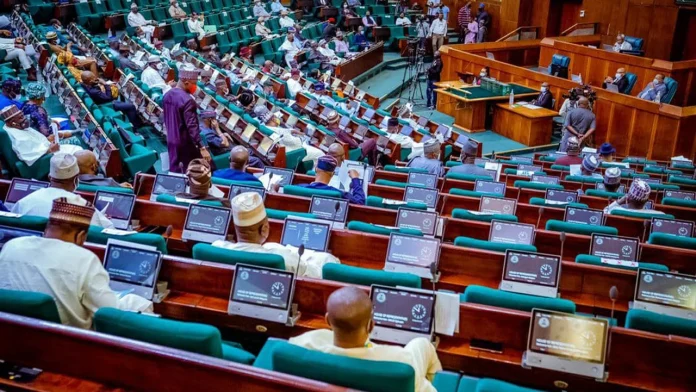
The House of Representatives has given the Nigerian National Petroleum Corporation Pension Fund Limited a three month deadline to commence payment of all outstanding pensions and arrears owed to its retirees.

The House also directed its Committee on Pensions to investigate the operations of the NNPC Pension Fund Limited, including its financial records, investment portfolios and asset management practices, and to recommend appropriate sanctions where violations are established.

The resolutions followed the adoption of amendments to a motion sponsored by Muhammad Shehu, who represents Fagge Federal Constituency in Kano State.

Presenting the motion, Shehu drew attention to what he described as the prolonged hardship faced by retirees and contributors under the scheme. He accused the management of the Fund of inappropriate operations, injustice, financial mismanagement, non payment of entitlements and gross negligence.

He explained that the NNPC Pension Fund Limited was originally established in 1983 as a Trust Fund to manage the pension assets of the Nigerian National Petroleum Corporation and the Nigerian Upstream Petroleum Regulatory Commission. The fund was reconstituted in 1986 as the Incorporated Trustees of the NNPC Pension Fund and later transformed into NNPC Pension Fund Limited following the enactment of the Pension Reform Act 2014.

Shehu reminded lawmakers that the Pension Reform Act 2014 was enacted to establish uniform rules, regulations and standards for the administration and payment of retirement benefits across the public service of the federation. He noted that retirement savings accounts remain the primary financial lifeline for retirees after leaving active service.

Despite this, he said many NNPC retirees are unable to access their retirement benefits even after meeting all statutory requirements under the contributory pension scheme. According to him, this has resulted in widespread hardship, inequality and disillusionment among affected retirees.

The lawmaker further alleged that the management of the NNPC Pension Fund Limited has repeatedly failed to comply with court orders directing the payment of harmonised pensions. He said this has forced elderly retirees to resort to repeated protests in pursuit of their entitlements.

He also accused the Fund of violating Section 50(1)(a) of the Pension Reform Act 2014 and the approved conditions of the scheme, which require pension funds to be fully funded at all times and mandate that any funding shortfall must be remedied within 90 days.

Shehu said years of poor financial management, lack of transparency and disregard for regulatory standards have eroded confidence in the pension system. He added that many retirees, after decades of service to the country, are now facing serious health and financial challenges due to what he described as the inaction and negligence of those responsible for managing their welfare.

He argued that the current structure of the NNPC Pension Fund Limited falls short of international best practices and called on the Federal Government to adopt globally accepted pension fund frameworks that promote sustainable investment, transparency and accountability in pension management.

a

Tariff politics, N4trn debt stall Nigeria’s power sector reform – CPPE

Nigeria’s protracted electricity reform programme is facing renewed pressure as tariff politics, deep structural weaknesses and a mounting liquidity crisis continue to undermine the sustainability of the power sector, a new policy brief by the Centre for the Promotion of Private Enterprise (CPPE) has warned.

In the policy brief, dated December 14, 2025, and signed by CPPE’s Chief Executive Officer, Dr Muda Yusuf, the think tank said the electricity industry remains one of the most complex and challenging components of Nigeria’s economic reform agenda, despite years of restructuring efforts.

Titled “Nigeria’s Power Sector Reform: Managing Complexity, Liquidity, and Political Economy Constraints,” the document described the sector’s challenges as multidimensional, ranging from political economy constraints and tariff distortions to weak investor capacity, transmission bottlenecks and a persistent liquidity crisis across the electricity value chain.

A key concern identified in the brief is the difficulty of implementing a fully cost-reflective tariff regime. CPPE noted that electricity tariffs remain capped largely due to social and political sensitivities, particularly in the aftermath of recent macroeconomic reforms, a situation that has entrenched subsidy dependence and widened the sector’s financing gap.

According to the think tank, the inability to fully reflect costs in tariffs has compelled the Federal Government to intervene repeatedly to prevent system collapse and sustain electricity supply. However, it warned that the current approach, with sector liabilities estimated at about N4 trillion, is fiscally unsustainable without deeper structural reforms, improved transparency and credible implementation strategies.

CPPE stressed that power sector reform is critical to Nigeria’s economic competitiveness, industrial growth and social welfare, but progress has been slow and uneven. It explained that the tightly interconnected nature of the electricity value chain means that weaknesses in any segment—gas supply, generation, transmission or distribution—quickly cascade across the system.

Recent macroeconomic measures, including foreign exchange unification and the removal of fuel subsidies, have further complicated the reform landscape by intensifying cost-of-living pressures and strengthening public resistance to tariff adjustments in the power sector.

On the political economy of electricity pricing, CPPE described tariff reform as one of the most sensitive and technically demanding aspects of the current reform programme.

“Without cost-reflective pricing, the sector cannot generate sufficient liquidity to sustain operations or attract new investment,” the policy brief stated.

It added that the resulting subsidy burden has forced the government to absorb inefficiencies and revenue shortfalls, effectively transferring financial risks onto the public balance sheet.

Beyond tariff issues, CPPE highlighted lingering structural weaknesses associated with the post-privatisation framework of the sector. These include concerns about the technical and financial capacity of some private investors, transparency gaps during the privatisation process, and persistent governance and operational inefficiencies, particularly among electricity distribution companies (Discos) and the Transmission Company of Nigeria (TCN).

The brief noted that these shortcomings have constrained service delivery, weakened revenue collection and limited operators’ ability to invest in network upgrades and reduce technical and commercial losses.

Transmission infrastructure remains a major bottleneck. CPPE observed that TCN, which remains wholly government-owned, continues to grapple with operational inefficiencies, inadequate investment and slow network expansion, all of which restrict generation capacity utilisation and reduce system reliability.

While acknowledging that recent interventions under the Presidential Power Initiative have helped reduce the frequency of grid collapses, the think tank said weaknesses in the transmission segment continue to exacerbate liquidity and service delivery challenges across the sector.

The policy brief also underscored the severity of the liquidity crisis, noting that financial distress in one segment quickly spreads to others. Generating companies, it said, struggle to pay gas suppliers, while Discos are unable to generate enough revenue to meet their obligations to Gencos, further eroding investor confidence.

Given the scale of the crisis, CPPE said government financial intervention has become unavoidable in the short term. It pointed to recent bond issuances to settle outstanding obligations, particularly to gas suppliers and generation companies, as necessary steps to avert a breakdown of electricity supply.

“Such interventions are necessary to maintain power availability for households and businesses while longer-term reforms are gradually implemented,” the document stated.

Despite the challenges, CPPE identified some positive developments, noting that an abrupt removal of subsidies may be politically unrealistic. It advocated phased and incremental reforms, citing measures such as differentiated tariff bands, increased decentralisation with states taking on greater regulatory and operational roles, the expansion of independent power projects, and growing adoption of renewable energy solutions by households and businesses.

However, the think tank warned that the current financing model is unsustainable, with sector liabilities nearing N4 trillion and continuing to rise. It called for outstanding claims to be properly verified, subjected to rigorous audits and managed transparently.

Drawing parallels with Nigeria’s experience with fuel subsidies, CPPE cautioned that subsidy regimes are prone to abuse without strong oversight, making transparency and accountability critical to any continued government support for the power sector.

Among its recommendations, CPPE urged the adoption of a clear and predictable roadmap towards cost-reflective tariffs, supported by targeted social protection measures for vulnerable consumers. It also called for stronger governance and accountability in subsidy management, debt verification and financial settlements.

The brief further recommended stricter enforcement of performance benchmarks for Discos, including recapitalisation, technical upgrades and loss reduction, as well as exploring alternative management or concession models for TCN to improve efficiency and investment.

CPPE also emphasised the need to support decentralisation, independent power projects and renewable energy adoption to reduce pressure on the national grid, while insisting that government financial support should be time-bound and tied to measurable reform milestones to limit fiscal exposure.

While acknowledging that power sector reform is inherently complex and incremental, CPPE warned that without decisive action to address structural inefficiencies, strengthen governance and enforce fiscal discipline, Nigeria’s electricity sector will remain unsustainable and ill-equipped to support long-term economic growth and development.

Aviation Growth Slumps To 2.88% As High Airfares Bite

Aviation sector growth slowed sharply to 2.88 percent in the third quarter of 2025 as passengers continued to grapple with high airfares, according to the latest Gross Domestic Product report released by the National Bureau of Statistics.

The NBS data showed that the nominal year on year growth rate of air transport dropped significantly from 30.60 percent in the second quarter and 57.21 percent in the first quarter of 2025. The slowdown came despite an increase in the sector’s output value during the period under review.

At current basic prices, air transport GDP rose from N78.71 billion in the third quarter of 2024 to N80.98 billion in the same period of 2025. In the first quarter of 2025, output increased from N67.28 billion recorded a year earlier to N105.77 billion, while the second quarter expanded from N28.59 billion to N37.35 billion.

Quarterly figures for 2025 highlight the volatility in the sector. Output fell by about 64.7 percent between the first and second quarters, declining from N105.77 billion to N37.35 billion. It then rebounded strongly in the third quarter, rising by about 116.8 percent to N80.98 billion. However, because growth is measured against corresponding quarters of the previous year, the year on year growth rate still declined sharply.

The data also showed that aviation’s contribution to the overall economy remained marginal. The sector accounted for 0.07 percent of total GDP in the third quarter of 2025, slightly lower than the 0.08 percent recorded in the same quarter of 2024. Its share stood at 0.11 percent in the first quarter of 2025 and 0.04 percent in the second quarter.

In contrast, the broader economy continued to expand in nominal terms. GDP at current basic prices increased from N96.16 trillion in the third quarter of 2024 to N113.59 trillion in the corresponding period of 2025. Quarterly figures also rose from N79.51 trillion in the first quarter of 2024 to N94.05 trillion in the first quarter of 2025, and from N84.48 trillion to N100.73 trillion between the second quarters of 2024 and 2025.

Real GDP figures indicate that the aviation sector has moved out of contraction but with weakening momentum. Real growth remained negative throughout 2024, recording minus 9.51 percent in the first quarter, minus 11.18 percent in the second quarter, and minus 9.90 percent in the third quarter. In 2025, the sector returned to positive territory, posting minus 0.81 percent in the first quarter, 6.34 percent in the second quarter, and 1.60 percent in the third quarter.

Overall, the figures show an industry that recorded strong year on year growth at the start of 2025 but experienced a steep slowdown by the third quarter, even though output levels remained higher than in 2024. The moderation comes at a time when travellers are facing rising ticket prices, raising concerns about the sustainability of growth amid high operating costs and pressured demand.

Against this backdrop, the Senate recently summoned the Minister of Aviation and Aerospace Development, Festus Keyamo, alongside key industry stakeholders, for an emergency meeting following public outcry over sharp increases in domestic airfares ahead of the festive season.

The summons followed a motion sponsored by Senator Buhari Abdulfatai, who warned that soaring ticket prices threaten national mobility and could disrupt end of year travel plans for millions of Nigerians.

Reports indicate that one way fares on several domestic routes, particularly to the South South and South East, have risen by as much as 200 percent, with some tickets exceeding N300,000. Before the festive rush, fares on the same routes averaged around N120,000.

Checks on airline booking platforms showed that some fares increased by more than 150 percent compared to pre holiday levels, deepening concerns among travellers already strained by inflation and rising transport costs.

During plenary, Senator Abdulfatai cited complaints from constituents, noting that a one way ticket from Abuja to Lagos now sells for between N400,000 and N600,000, a level many Nigerians can no longer afford, especially as insecurity and poor road conditions have made air travel the preferred option.

He urged urgent engagement with aviation stakeholders, saying immediate steps were needed to address the situation before the festive period.

Dangote Sets N739 Per Litre As New Petrol Pump Price

The Dangote Petroleum Refinery has announced a new pump price of N739 per litre for Premium Motor Spirit (petrol), with partner filling stations expected to begin implementation from Tuesday, barring any last-minute changes.

The announcement follows a recent reduction in the refinery’s gantry price from N828 to N699 per litre. Speaking during a press briefing at the Lekki refinery in Lagos on Sunday, President of the Dangote Group, Alhaji Aliko Dangote, said the price adjustment was aimed at ensuring Nigerians benefit directly from local refining.

Dangote disclosed that MRS Oil Nigeria, a key retail partner of the refinery, would be the first to commence sales at the new price, while other partners would subsequently align.

He, however, expressed concern that despite lower ex-depot prices, some filling stations often retain high pump prices, thereby frustrating efforts to ease the burden on consumers.

“I am aware that even when the gantry price comes down, some marketers keep prices high. We have been told that certain marketers were encouraged to maintain high prices to sabotage the reduction,” Dangote said.

According to him, the refinery would deploy all available measures to ensure that the new pricing regime is enforced nationwide, particularly during the festive period.

“For December and January, we do not want petrol to be sold for more than N740 per litre across the country. Those who want to keep prices high to sabotage the government, we will resist as much as possible,” he stated.

Dangote explained that the cost of transporting petrol from the Lekki refinery within Lagos does not exceed N15 per litre, questioning the justification for pump prices as high as N900 per litre in some locations.

“If freight within Lagos is N10 to N15, then the total cost should be about N715. Why should anyone sell at N900? Nigerians deserve to pay the real price,” he said.

He further accused the Nigerian Midstream and Downstream Petroleum Regulatory Authority (NMDPRA) of issuing what he described as “reckless” import licences, alleging that 47 licences had been approved to import more than seven billion litres of petrol in the first quarter of 2026, despite assurances of adequate local supply.

Dangote warned that continued large-scale fuel imports could undermine domestic refining investments, including modular refineries, many of which he said were already struggling to remain viable.

“NNPC was once the only supplier of fuel imports. Now, we are among the few producing locally, yet licences are still being issued. Those who claim monopoly should come and build refineries or acquire and operate existing ones if it is profitable,” he said.

Reaffirming his commitment to price stability, Dangote assured Nigerians that the N739 per litre pump price would be enforced, starting with MRS stations from Tuesday.

“If you have a truck, you can come and buy petrol here at N699 per litre. That price already includes regulatory charges. Starting Tuesday, MRS will sell at N739 per litre, and we will ensure compliance,” he said.

When contacted for comment, the NMDPRA spokesman, Mr George Ene-Ita, declined to respond, saying only: “For now, no comment.”

BizWatchNigeria.Ng
Privacy Overview

This website uses cookies so that we can provide you with the best user experience possible. Cookie information is stored in your browser and performs functions such as recognising you when you return to our website and helping our team to understand which sections of the website you find most interesting and useful.