





By Boluwatife Oshadiya | October 20, 2026
Key Points
- Finance Minister Taiwo Oyedele warns that considering a return to petrol subsidies could trigger capital flight and push the naira towards ₦3,000–₦4,000 per dollar
- Oyedele says private investment rose from about $300 million in 2023 to $6 billion in 2026, while net foreign reserves increased to more than $45 billion
- CBN Governor Olayemi Cardoso says policy consistency and transparency remain critical to attracting long-term capital and maintaining economic stability
Main Story
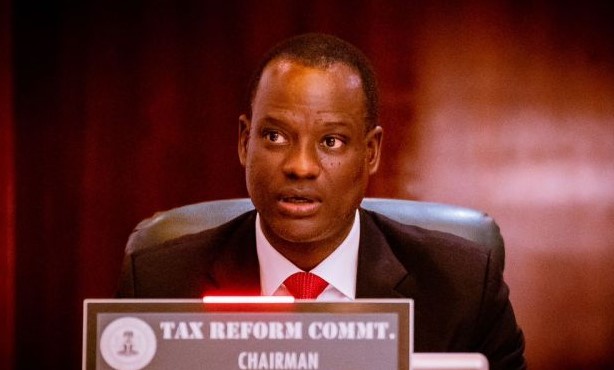
Nigeria’s Finance Minister, Taiwo Oyedele, has warned that even considering a return to petrol subsidies could trigger capital flight and push the naira towards ₦4,000 per dollar, undermining investor confidence and increasing economic pressure on households.
Speaking at the closing press briefing of the International Monetary Fund (IMF) and World Bank Annual Meetings in Bangkok, Thailand, Oyedele said investors expected President Bola Tinubu’s administration to maintain its economic reforms rather than reverse them ahead of the next election cycle.
“If, for any reason, the President were to say we are merely considering the return of fuel subsidy, capital would react immediately,” Oyedele said.
He warned that renewed pressure on the foreign exchange market could make imports more expensive and worsen the cost of living. According to the minister, the naira could weaken towards ₦3,000, ₦3,500 or ₦4,000 per dollar, making petrol more expensive in local currency despite any attempt to subsidise it.
Oyedele added that capital flight could involve not only foreign investors but also wealthy Nigerians, business owners and middle-class investors seeking protection in dollar-denominated assets.
He also rejected the description of the Nigerian National Petroleum Company Limited’s temporary reduction in petrol retail margins as a return to subsidies. He argued that a company voluntarily reducing its profit margin for commercial reasons was different from a subsidy financed with public funds.
The minister cited improvements in investment and external reserves as evidence of progress under the government’s reforms. He said private investment increased from about $300 million in 2023 to $6 billion in 2026, while net foreign reserves rose from barely $3 billion to more than $45 billion.
Oyedele said the government’s next priority was to convert improved macroeconomic stability into greater investment, lower financing costs and job creation. CBN Governor Olayemi Cardoso also stressed the importance of consistent and transparent policies in attracting long-term capital.
What’s Being Said
“The very fuel people want subsidised would become far more expensive in naira terms,” Taiwo Oyedele, Nigeria’s Minister of Finance and Coordinating Minister of the Economy, said while warning of the potential consequences of reversing reforms.
Central Bank Governor Olayemi Cardoso emphasised policy consistency and transparency as conditions for attracting long-term capital and sustaining economic stability. The supplied report contains no direct quotation from Cardoso or independent analyst response.
What’s Next
- The government’s stated priority is to translate improved macroeconomic stability into stronger investment, lower financing costs and job creation.
- Investors will monitor government policy signals on fuel pricing and foreign exchange management for indications of whether the current reform direction will continue.
Bottom Line
The Bottom Line: Oyedele’s warning highlights the potential cost of policy uncertainty: expectations of a subsidy reversal could weaken confidence before any actual policy change occurs. Sustaining investor confidence will depend on consistent policy signals and the government’s ability to translate improved external reserves and investment into tangible economic benefits for households and businesses.