











Key points
- NPA says digital reforms are aimed at reducing bottlenecks and improving port efficiency.
- Approved deep seaport projects in Badagry, Ibaka and Olokola are awaiting full implementation by investors.
- Cargo volumes and market demand continue to influence port investment decisions.
- The Authority plans broader stakeholder engagement as the Federal Government advances port modernisation.
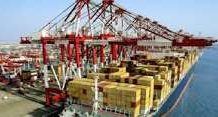
The Nigerian Ports Authority (NPA) is intensifying its port automation and infrastructure modernisation programme as approved deep seaport projects in Badagry, Ibaka and Olokola await full implementation by investors.
The General Manager, Corporate and Strategic Communications at the NPA, Ikechukwu Onyemekara, disclosed this during a meeting with members of the Congress of Nigerian Maritime Media Practitioners (CONMMEP).
Onyemekara said the Authority’s digital reforms, including the Electronic Truck Call-Up system, known as ETO, were introduced to reduce operational bottlenecks, improve traffic management and enhance efficiency around Nigeria’s ports.
The electronic call-up system was designed to regulate the movement of trucks into the Lagos port corridors, where prolonged congestion has historically affected cargo evacuation and port operations.
According to Onyemekara, resistance to some of the reforms has come from interests that previously benefited from inefficiencies within the port system.
He said the NPA had continued to work with relevant law enforcement agencies to address traffic congestion along port access corridors.
Although the Authority does not have direct law enforcement powers, Onyemekara said congestion around port corridors affects cargo movement, operational efficiency and Nigeria’s competitiveness as a maritime destination.
NPA defends digital port reforms
The NPA said automation and improved traffic management remained central to its efforts to align Nigerian ports with international operational standards.
Onyemekara noted that major international ports adopt strict traffic management measures, including temporary restrictions on truck access when congestion reaches critical levels.
He said Nigeria’s port system would require similar operational discipline and increased technology adoption to compete with major maritime hubs.
The NPA cited the Lekki Deep Sea Port as an example of how automation, modern infrastructure and improved port management could support cargo throughput and operational efficiency.
Lekki Port’s technology-driven operations have also increased attention on the infrastructure and efficiency gaps at Nigeria’s older port complexes.
Deep seaport projects await implementation
Beyond Lagos’ existing ports, the NPA said investment in port infrastructure would continue to be influenced by cargo volumes and market demand.
Onyemekara explained that Lagos handles the largest share of cargo traffic because it serves the country’s biggest commercial market and major consumption centres.
However, he said the Authority was also supporting the development of eastern ports and encouraging private investment in deep seaport infrastructure.
Approved deep seaport projects in Badagry, Ibaka and Olokola have reached a stage where investors are expected to progress from regulatory approvals to project implementation, according to the NPA.
The projects form part of efforts to expand Nigeria’s maritime infrastructure, increase port capacity and create alternative cargo gateways.
Greater private sector participation is expected to play a significant role in financing the development of new deep seaports, particularly as the government seeks to reduce pressure on existing public infrastructure.
Stakeholder engagement on port modernisation
The NPA is also developing a media and stakeholder engagement strategy around the Federal Government’s port modernisation programme.
Onyemekara said stakeholders would be briefed before, during and after the implementation of major projects.
“We want everybody to understand what we are doing, why we are doing it and the benefits it will bring. There will be adequate stakeholder engagement, including site visits for journalists to appreciate the scale of the modernisation project,” he said.
The engagement strategy is expected to provide information on project implementation and the operational changes associated with the port modernisation programme.
CONMMEP President Udo Onyeka said digital initiatives and infrastructure investments at Nigerian ports had contributed to operational improvements.
He reaffirmed the association’s commitment to reporting developments within the maritime industry and monitoring the implementation of ongoing port reforms.
Bottom line
The NPA’s port modernisation drive is increasingly focused on automation, traffic management and private investment in new deep seaport infrastructure.
While Lagos remains Nigeria’s dominant cargo hub, the implementation of approved deep seaport projects in Badagry, Ibaka and Olokola could expand port capacity and diversify cargo gateways.
The pace at which investors move the projects from approvals to construction, alongside the success of digital reforms at existing ports, will be important to Nigeria’s efforts to improve maritime competitiveness.



 is intensifying its port automation and infrastructure modernisation programme as approved deep ...)