








Key points
- The naira weakened to N1,576 per euro from N1,569 the previous week.
- Nigeria’s external reserves exceeded $51 billion by mid-2026.
- High domestic inflation continues to create long-term pressure on the local currency.
- The euro ended the week largely unchanged against the US dollar at above $1.14.
Main story
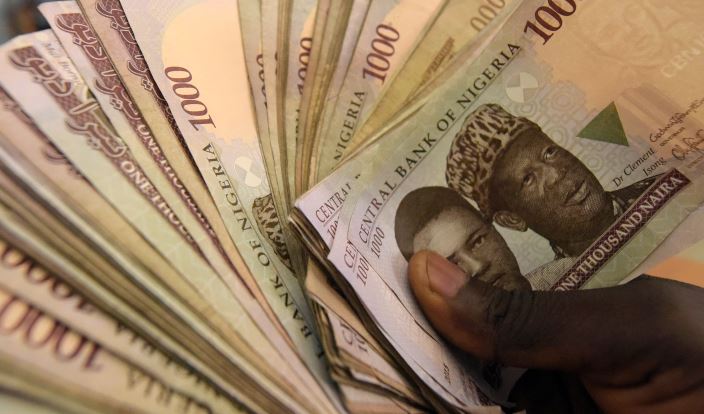
The naira recorded a marginal depreciation against the euro this week, slipping to N1,576/€1 from N1,569/€1 in the previous week despite Nigeria’s external reserves rising above $51 billion.
Latest exchange rate data from the Central Bank of Nigeria showed that the local currency remained under pressure against the major European currency after recovering significantly from its January 2026 low.
The euro-naira exchange rate had climbed to about N1,774/€1 in January before retreating to a multi-month low of around N1,555/€1.
Recent market activity has placed the N1,550/€1 region as a key support level, with foreign exchange liquidity from the CBN and market participants helping to limit further volatility.
A sustained break below N1,550/€1 could strengthen the naira towards the N1,500/€1 level. However, the local currency would need to close firmly below N1,500 against the euro to extend its broader recovery.
Monetary policy supports naira outlook
Nigeria’s tight monetary policy environment remains one of the major factors supporting the naira.
The Monetary Policy Rate has remained within the 26.50 per cent to 27.50 per cent range, while Treasury bill yields of about 16 per cent could support foreign portfolio inflows into naira-denominated assets.
Nigeria’s external reserves, which exceeded $51 billion by mid-2026, also provide the CBN with a stronger liquidity buffer to meet foreign exchange obligations and manage speculative pressure in the currency market.
However, Nigeria’s inflation rate remains significantly higher than that of the Eurozone.
With domestic headline inflation at about 15 to 16 per cent compared with roughly two per cent in the Eurozone, the wide inflation differential continues to create structural depreciation pressure on the naira.
Euro holds above $1.14 amid Middle East tensions
The euro ended the week largely unchanged against the US dollar, trading slightly above $1.14 as investors assessed geopolitical developments in the Middle East and mixed economic data from Europe.
Market sentiment remained cautious following renewed tensions involving the United States and Iran.
The June agreement between Washington and Tehran established a 60-day ceasefire under a 14-point memorandum of understanding, but major disagreements remain unresolved.
The United States has demanded an end to Iran’s nuclear development activities, while tensions surrounding the Strait of Hormuz remain a significant risk to global energy markets.
Recent attacks and comments by US President Donald Trump suggesting that the agreement could be over have increased concerns about a renewed escalation.
However, global financial markets have avoided a major panic response.
West Texas Intermediate crude traded near $71.50 per barrel, broadly unchanged from the previous week, as oil transit through the Strait of Hormuz remained stable.
The relatively muted oil market response has limited demand for the US dollar as a safe-haven asset, providing temporary support for the euro.
Eurozone data sends mixed signals
Economic indicators from the Eurozone presented a mixed picture during the week.
The Sentix Investor Confidence Index improved to -3.1 in July from -13.4 in June, signalling an improvement in investor sentiment.
Retail sales increased by 0.2 per cent in May, recording their slowest growth since March but remaining in positive territory.
Producer prices, however, rose by 5.9 per cent year-on-year from five per cent, exceeding market expectations of 5.7 per cent.
The combination of weak economic growth and persistent price pressures could influence the European Central Bank’s monetary policy outlook in the coming months.
Further increases in producer prices and inflation could also affect the euro, particularly if geopolitical tensions ease and investors return their focus to economic fundamentals.
Technical outlook remains bearish for euro
Technical indicators suggest the euro remains under pressure against the US dollar.
The EUR/USD pair has struggled to move above its longer-term moving averages, with the 20-day simple moving average at 1.1439 acting as a resistance level.
The 20-day average remains below the 100-day SMA of 1.1604 and the 200-day SMA of 1.1646, indicating that bearish momentum remains dominant.
The currency pair has yet to establish a confirmed reversal of its broader downtrend.
Bottom line
The naira’s marginal decline to N1,576 against the euro highlights the competing forces shaping Nigeria’s currency market. Stronger external reserves, tight monetary policy and attractive fixed-income yields provide support for the local currency, but Nigeria’s inflation differential with the Eurozone remains a major structural risk.
The naira’s next direction against the euro will depend on foreign exchange liquidity, portfolio inflows and domestic inflation, while developments in the Middle East and the Eurozone’s economic outlook are expected to influence the euro.