





Key points
- The Federal Government has launched a reform roadmap to improve electricity supply and restore investor confidence.
- Seven million prepaid meters will be installed over the next three years under the Presidential Metering Initiative.
- The reforms include grid upgrades, regulatory harmonisation and plans for a national super grid.
Main story
The Federal Government has unveiled a comprehensive roadmap to reposition Nigeria’s electricity sector through reforms aimed at improving power supply, strengthening infrastructure, enhancing market sustainability and restoring investor confidence.
Minister of Power, Mr Joseph Tegbe, announced the reforms during an interactive media engagement in Lagos, describing the initiative as a reset designed to address long-standing technical, commercial, governance and liquidity challenges across the electricity value chain.
He said the programme builds on previous reforms and seeks to make electricity more reliable, accessible and financially sustainable while supporting economic growth and industrialisation.
According to the minister, the government will place greater emphasis on reliable electricity access for households, businesses and industries rather than focusing solely on generation capacity.
As part of the reforms, Tegbe said the Presidential Metering Initiative aims to deploy seven million prepaid meters over the next three years, with procurement challenges already resolved and about 1.56 million meters expected to be installed before the end of the year.
He added that the government had begun training 5,000 young Nigerians in meter installation and basic electrical engineering to close the metering gap and create jobs.
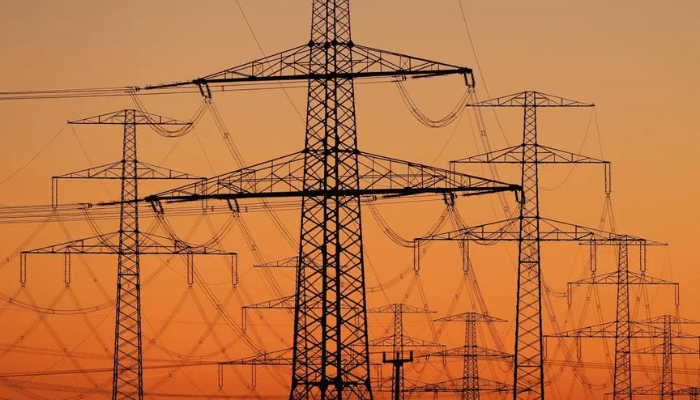
On transmission infrastructure, Tegbe said investments would be guided by commercial viability and electricity demand, while priority projects include a nationwide technical audit of the transmission network, grid stabilisation, improved revenue collection, harmonisation of federal and state electricity regulations, asset optimisation and the development of a national super grid capable of transmitting up to 30,000 megawatts.
The minister also highlighted ongoing Energy for Education and Energy for Health programmes, under which universities and teaching hospitals are being powered through solar mini-grids, adding that between 12 and 15 additional university solar projects would be inaugurated within the next eight weeks.
He said the government targets increasing solar energy’s contribution to Nigeria’s electricity mix to 40 per cent by 2060 alongside hydro and gas-fired generation.
The issues
Nigeria’s electricity sector continues to face persistent challenges, including inadequate transmission capacity, low metering levels, poor revenue collection and liquidity constraints. While reforms such as the Electricity Act 2023 have opened the sector to greater state participation and private investment, sustained implementation will be critical to improving supply reliability, attracting capital and supporting economic growth.
What’s being said
“Our objective is clear: make electricity more available, make the grid more reliable, make the market financially sustainable and restore investors’ confidence.” — Joseph Tegbe, Minister of Power.
“Electricity must be generated, transmitted, distributed and paid for. Every part of the value chain must work efficiently for Nigerians to enjoy reliable power.” — Joseph Tegbe, Minister of Power.
“We are resetting the sector to ensure that electricity becomes a driver of industrialisation, economic growth and improved quality of life for every Nigerian.” — Joseph Tegbe, Minister of Power.
What’s next
The government will roll out priority reforms, including meter deployment, transmission upgrades, grid stabilisation, regulatory harmonisation and expansion of renewable energy projects, while monitoring implementation over the next two to three years.
Bottom line
The reform agenda signals a broader shift from expanding electricity generation alone to improving the performance of the entire power value chain, with success depending on consistent execution, investment and stronger market governance.