







By Boluwatife Oshadiya | July 29, 2026
Key Points
- Nigeria’s net foreign liabilities increased by $7.5 billion to $90.2 billion in 2025, according to the Central Bank of Nigeria.
- Higher foreign portfolio investments and direct investment liabilities drove the increase, despite stronger external reserves.
- Economists say attracting more long-term foreign direct investment remains critical to reducing external financing risks.
Main Story
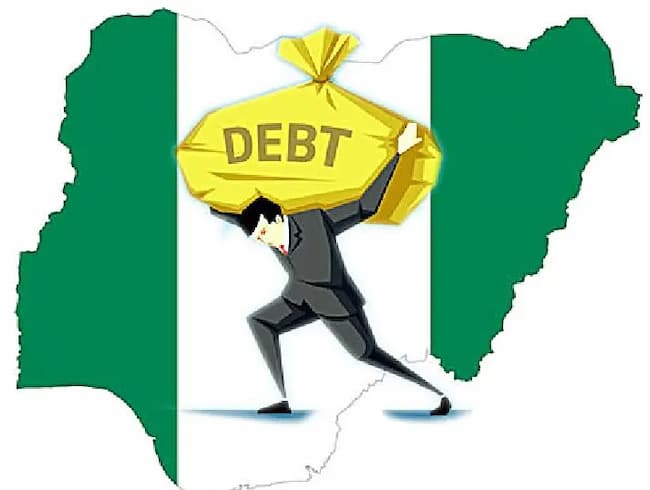
Nigeria’s net foreign liability position rose to $90.2 billion in 2025 from $82.7 billion a year earlier, as foreign investors expanded their holdings of Nigerian assets faster than Nigerians increased investments abroad, according to the Central Bank of Nigeria (CBN).
Data contained in the CBN’s latest International Investment Position (IIP) report showed the country’s external assets stood at $125.6 billion, while foreign liabilities climbed to $215.8 billion, leaving Nigeria with a net liability position of $90.2 billion.
The increase was largely driven by a $10.1 billion rise in portfolio investment liabilities, reflecting stronger foreign participation in Nigerian government debt instruments, particularly Open Market Operations (OMO) bills. The high-yield environment created by the CBN’s tight monetary policy has continued to attract offshore investors seeking better returns.
Direct investment liabilities also increased by $6.7 billion year-on-year, indicating stronger foreign ownership interests in Nigerian companies and subsidiaries across key sectors of the economy.
On the asset side, Nigeria’s reserve assets expanded by $5.6 billion, strengthening the country’s external buffers and its ability to withstand external shocks. Nigerian residents also increased their holdings of direct, portfolio and other foreign assets by an additional $3.3 billion.
“The International Investment Position provides a snapshot of Nigeria’s stock of external financial assets and liabilities, offering a broader picture of the country’s external financial position beyond annual capital flows,” the Central Bank of Nigeria stated in the report.
Unlike the Balance of Payments, which tracks cross-border transactions over a period, the International Investment Position measures the value of a country’s foreign financial assets and liabilities at a specific point in time, making it an important indicator of external vulnerability and investor confidence.
What’s Being Said
The CBN’s data suggests Nigeria continues to attract significant foreign capital, supported by elevated domestic interest rates and improved foreign exchange market reforms.
However, economists have cautioned that the growing concentration of foreign portfolio investments—often regarded as “hot money”—could expose the economy to sudden capital reversals if global financial conditions tighten or investor sentiment weakens. They argue that sustained improvements in foreign direct investment, non-oil exports and external reserves will be essential to strengthening Nigeria’s long-term external position.
What’s Next
- Investors will monitor whether the CBN maintains its tight monetary policy, which has supported foreign portfolio inflows into government securities.
- Market participants will watch future reserve levels and foreign exchange liquidity for signs of continued external sector stability.
- Economists expect policymakers to intensify efforts to attract long-term foreign direct investment and expand non-oil export earnings to reduce reliance on short-term capital inflows.
Bottom Line: Nigeria’s higher net foreign liabilities reflect renewed investor confidence in the country’s financial markets, but they also underscore a growing dependence on portfolio capital. Sustaining external stability will depend on converting short-term inflows into long-term productive investment while strengthening export earnings and foreign exchange reserves.