





By Boluwatife Oshadiya | May 18, 2026, 11:58 AM
Key Points
- Nigeria’s food inflation rose to 16.06% in April 2026, exceeding headline inflation for the first time since August 2025
- Rising prices of staple foods including garri, tomatoes, beans and yam drove the increase
- Enugu, Kwara and Adamawa recorded the highest food inflation rates nationwide
Main Story
Nigeria’s food inflation rate rose above the country’s headline inflation rate in April 2026 for the first time in eight months, signalling renewed pressure on household food costs despite broader moderation in consumer prices.
Data compiled from the National Bureau of Statistics’ Consumer Price Index report showed that food inflation increased to 16.06% in April, slightly higher than the all-item inflation rate of 15.69%.
The development marked the first reversal since August 2025, when food inflation last exceeded headline inflation.
According to the data, food inflation had remained below headline inflation for seven consecutive months between September 2025 and March 2026. In January 2026, food inflation dropped to 8.89% while headline inflation stood significantly higher at 15.10%.
However, food prices accelerated sharply during the first four months of 2026. Food inflation climbed from 12.12% in February to 14.31% in March before reaching 16.06% in April.
The increase represented a rise of approximately 80.6% between January and April, compared to a modest 3.9% increase in headline inflation over the same period.
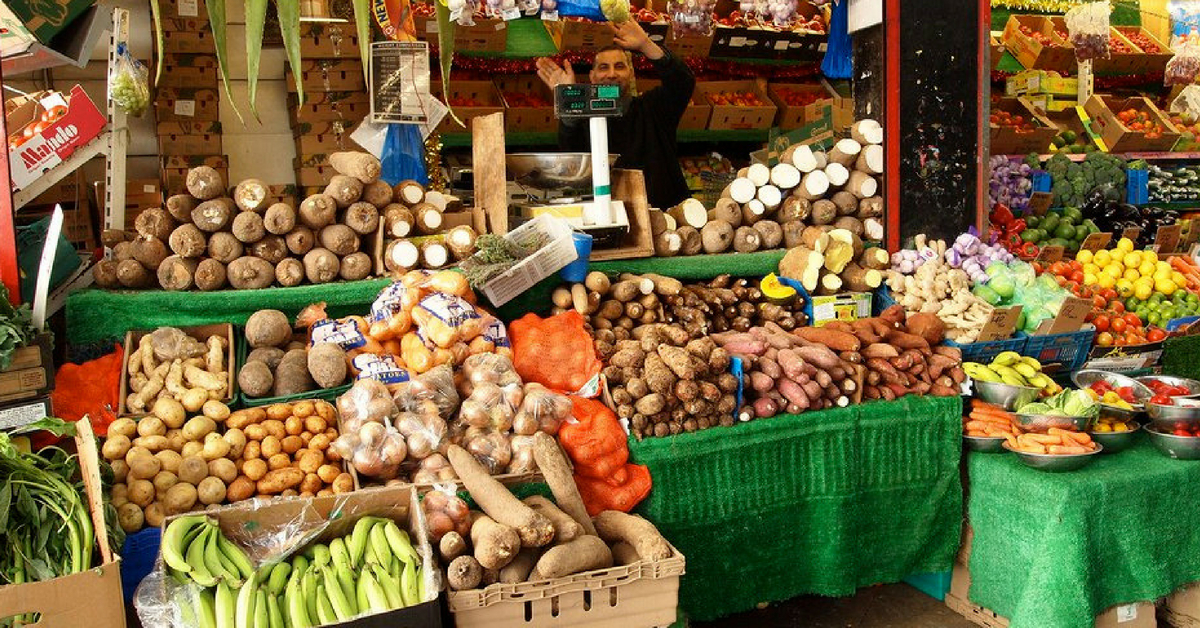
The National Bureau of Statistics attributed the rise in food inflation to higher average prices of staple commodities including millet, yam flour, fresh pepper, beef, garri, tomatoes, cassava tuber, beans, crayfish, soybeans, wheat grain and plantain.
Although the year-on-year food inflation rate accelerated, the month-on-month food inflation figure moderated slightly to 3.63% in April from 4.17% recorded in March.
At the broader level, headline inflation rose marginally from 15.38% in March to 15.69% in April, while the Consumer Price Index increased from 135.4 points to 138.3 points.
The NBS stated that food and non-alcoholic beverages remained the largest contributor to overall inflation, accounting for 6.40 percentage points of the headline figure. Restaurants and accommodation services contributed 3.56 percentage points, while transport accounted for 1.70 percentage points.
At the state level, Enugu recorded the highest food inflation rate at 32.67%, followed by Kwara at 30.77% and Adamawa at 30.14%.
The Issues
The renewed acceleration in food inflation highlights the persistent structural weaknesses within Nigeria’s food supply chain despite recent moderation in broader inflation trends.
Rising transportation costs, insecurity affecting agricultural production areas, exchange-rate pressures on imported food inputs, and post-harvest losses continue to increase the cost of food distribution nationwide.
The sharp increase in staple food prices also raises concerns about household purchasing power, particularly for low-income earners already dealing with elevated living costs.
Food inflation remains one of the most politically and economically sensitive indicators in Nigeria because it directly affects consumption patterns, poverty levels, and social stability. Sustained increases could complicate the CBN’s broader inflation management efforts even as headline inflation shows signs of stabilisation.
What’s Being Said
“Food prices remain highly vulnerable to supply-side disruptions, especially transportation and production challenges affecting key agricultural regions,” said Taiwo Oyedele, Chairman of the Presidential Committee on Fiscal Policy and Tax Reforms.
“The latest figures suggest inflationary pressures are increasingly concentrated in food items, which could weaken consumer spending if the trend continues,” said an economist at Lagos-based research firm Comercio Partners.
“Despite moderation in headline inflation, the rising cost of staple foods continues to affect millions of households across the country,” said Muda Yusuf, Chief Executive Officer of the Centre for the Promotion of Private Enterprise.
What’s Next
- Analysts expect the next inflation reports to determine whether food prices continue to outpace headline inflation in the second quarter
- Government agencies are likely to intensify interventions targeted at food production and distribution to stabilise staple prices
- The CBN’s future monetary policy decisions may increasingly consider food-driven inflationary pressures alongside broader macroeconomic indicators
The Bottom Line: Nigeria’s broader inflation environment may be cooling compared to 2025 levels, but rising food prices remain a major threat to household purchasing power and economic stability. The return of food inflation above headline inflation suggests supply-side pressures are once again becoming the dominant driver of consumer hardship.