




By Boluwatife Oshadiya | March 6, 2026
Key Points
- Nigeria’s electric vehicle (EV) ecosystem is expanding rapidly, driven by subsidy removal, rising fuel costs, and private-sector innovation
- Local manufacturers including Innoson Vehicle Manufacturing, Saglev Electromobility, Jet Motor Company and Electric Motor Vehicle Company are assembling electric cars, buses, and tricycles locally
- International brands such as BYD have entered the Nigerian market through distribution partnerships with LOXEA Nigeria
- Battery swapping systems and solar-powered charging stations are emerging as practical solutions to infrastructure constraints
Main Story
Nigeria’s electric vehicle market, once dismissed as premature for a country grappling with unreliable power supply and limited auto manufacturing capacity, is steadily taking shape as one of the most dynamic emerging sectors in the country’s transport ecosystem.
As of 2026, a growing mix of indigenous startups, established local automakers, and global EV giants are assembling, importing, financing, and deploying electric motorcycles, tricycles, taxis, vans, and passenger vehicles across Nigeria.
The catalyst has been economic as much as environmental. The removal of petrol subsidies in 2023 dramatically increased fuel costs, forcing transport operators and fleet owners to seek cheaper energy alternatives. Electric mobility — once viewed as aspirational — is increasingly becoming a cost-management strategy.
From Lagos to Abuja to Ogun State, new factories, assembly plants, and battery swap stations are quietly altering the narrative.
The Companies Powering Nigeria’s EV Transition
1. Innoson Vehicle Manufacturing (IVM)
Founded in 2007 by Innocent Chukwuma, Innoson is Nigeria’s first indigenous automaker. In 2024, the company formally unveiled its electric lineup, including the IVM EX02, EX01, and IVM Link.
The EX02 — a five-seater electric hatchback — sells for approximately ₦38.4 million and delivers a range of 330–400 kilometres per charge. Production takes place at its Nnewi facility, positioning it as one of the few four-wheeled EV manufacturers operating within Nigeria. The move into EVs marks a strategic pivot for a company historically known for petrol, diesel, and CNG vehicles.
2. Saglev Electromobility
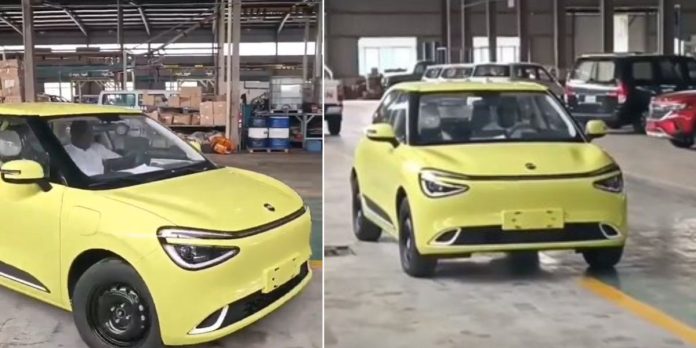
Operating from Ikorodu, Lagos, Saglev assembles electric vehicles under multiple brands, including luxury EVs from Dongfeng’s Voyah division and the budget-friendly Nammi 01.
The Voyah Chasing Light, a luxury electric sedan assembled locally, boasts a 680km range and advanced semi-autonomous features, positioning it within Nigeria’s emerging high-end EV market. Saglev’s strategy combines SKD/CKD assembly with a broader ambition: positioning Nigeria as a West African EV assembly hub.
3. Jet Motor Company
Founded by Chidi Ajaere, Jet Motor Company produces electric buses, vans, and commercial fleet vehicles from its Lekki facility. Its flagship Jet Mover bus — a 13-seater electric vehicle with a lithium iron phosphate battery — has been deployed by GIG Mobility and several state governments.
Commercial fleet electrification is emerging as one of Nigeria’s strongest EV entry points, particularly for logistics and public-sector transport.
4. Electric Motor Vehicle Company (EMVC)
Founded by Prince Mustapha Audu, EMVC focuses on affordable mobility solutions. Its three-wheeled “Igwe” EV and Adoja M1/M2 models target the mass-market and commercial segments.
The Igwe tricycle, priced around ₦3.5 million, offers up to 200km per charge and is positioned as a cleaner alternative to petrol-powered “keke” tricycles. By focusing on three-wheelers and smaller urban EVs, EMVC addresses a crucial gap: affordable electrification for Nigeria’s informal transport economy.
5. MAX
Originally a logistics and ride-hailing company, MAX pivoted into EV financing in 2021. It now deploys electric motorcycles and tricycles under rent-to-own and subscription models. Its MAX M3 motorcycle travels up to 110km per charge and operates within a growing battery swap ecosystem. According to company data, over 45,000 drivers have accessed vehicles through its platform. By pairing financing with infrastructure, MAX has made EV ownership accessible to transport workers previously excluded by high upfront costs.
6. Spiro
Backed by Equitane Group, Spiro has become one of Africa’s largest electric motorcycle providers. In Nigeria, it is building a $40 million assembly plant in Ogun State with plans to scale local production. Spiro’s battery-swapping model — developed in partnership with Horwin — allows riders to purchase bikes without batteries and rent swappable units, dramatically lowering entry costs.
7. BYD via LOXEA Nigeria
Chinese EV giant BYD officially entered Nigeria through LOXEA Nigeria, a subsidiary of CFAO Mobility. Models such as the Atto 3 and Dolphin are now available locally, accompanied by charging infrastructure rollouts in Lagos. While manufacturing remains overseas, the partnership signals Nigeria’s growing relevance in the global EV supply chain.
The Issues
Despite visible growth, Nigeria’s EV ecosystem remains nascent.
First is infrastructure. Public charging networks are limited, though private operators increasingly deploy hybrid solar-powered stations to mitigate unreliable grid supply.
Second is technician capacity. EV maintenance requires specialised training that Nigeria’s automotive workforce is only beginning to develop.
Third is financing scale. While startups have secured millions in funding, global EV leaders such as Tesla scaled through billions in investment and government subsidies — capital levels Nigeria has yet to match.
Still, market dynamics are shifting. Battery swapping, home charging, solar integration, and fleet-first strategies are neutralising many early objections about feasibility.
What’s Being Said
Industry leaders argue that economics now favour electrification.
“Charging an electric motorcycle costs less than half what riders spend daily on petrol. Once drivers experience the savings, adoption becomes inevitable,” said a senior executive at MAX.
However, critics remain cautious.
Tope Ojo, CEO of Autogig International Resources Limited, has argued publicly that Nigeria must first resolve infrastructure and technical gaps before large-scale EV penetration becomes viable.
Meanwhile, policymakers are reviewing a national EV action plan, and the Senate has passed a bill transitioning Nigeria toward electric mobility for second reading.
What’s Next
- Ogun State’s EV assembly initiatives are expected to begin scaled production in 2025–2026
- Additional battery swap stations are being rolled out in Lagos and Abuja
- Federal authorities are reviewing regulatory frameworks for EV incentives and local manufacturing support
- Private fleet operators are testing electric buses and taxis in Abuja, Lagos, and Akwa Ibom
Bottom Line
Nigeria’s electric vehicle market is no longer speculative — it is operational. While structural constraints remain, local manufacturing, battery swapping innovation, and rising fuel costs are converging to accelerate adoption. The next five years will determine whether Nigeria becomes merely a consumer of imported EVs — or a credible assembly and manufacturing hub for West Africa’s electric future.