Key points
- Nigeria plans to reduce its trade imbalance with China by increasing exports under China’s zero-tariff policy.
- Bilateral trade between both countries is valued at about $28 billion, with Nigeria accounting for about $3 billion.
- The Nigerian Embassy in China is engaging stakeholders to promote awareness of the policy.
- Nigeria is seeking to improve production, quality and value addition to boost exports.
Main story
The Federal Government has reaffirmed its commitment to reducing Nigeria’s trade imbalance with China by maximising China’s zero-tariff policy and expanding exports to the Chinese market.
Nigeria’s Ambassador to China, Abdulrahman Dambazau, disclosed this during an interview with members of the Nigerian delegation participating in the African Mainstream Media Workshop organised by the International Department of the Communist Party of China in Beijing.
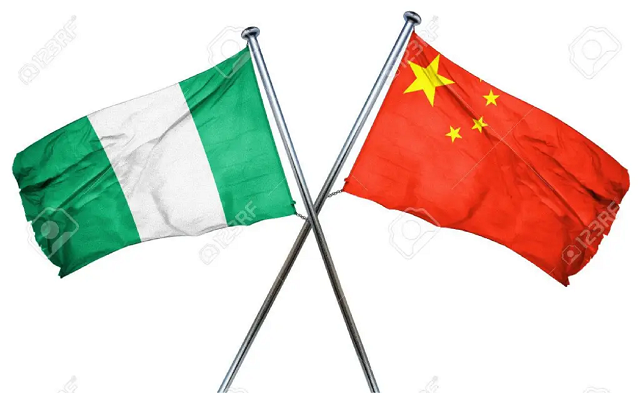
Dambazau said bilateral trade between Nigeria and China currently stands at about $28 billion, but noted that Nigeria accounts for only about $3 billion of the total trade volume.
He described the trade imbalance as a major concern that requires deliberate efforts to expand Nigeria’s export capacity.
According to the ambassador, China’s zero-tariff policy provides a significant opportunity for Nigerian businesses to increase exports, provided they understand and comply with the policy’s requirements.
He said the Nigerian Embassy had begun engagements to examine the implementation framework of the initiative and create awareness among farmers, traders and exporters.
Dambazau stressed that Nigeria must strengthen production, improve product quality and increase value addition to maximise the benefits of the policy.
He added that the embassy would continue working with government institutions and the private sector to ensure Nigeria derives greater value from its economic partnership with China.
The issues
Nigeria’s exports to China remain significantly lower than its imports, highlighting the need to improve competitiveness, increase value-added production and take advantage of preferential market access to narrow the trade gap.
What’s being said
“We have to study the policy itself, understand the conditions and requirements and then take the information to our farmers, traders and exporters so they can take advantage of it.” — Abdulrahman Dambazau, Nigeria’s Ambassador to China
What’s next
The Nigerian government and its embassy in China are expected to deepen engagement with exporters and relevant institutions to improve awareness of the zero-tariff policy and increase Nigeria’s exports to the Chinese market.
Bottom line
Nigeria is seeking to leverage China’s zero-tariff policy to boost exports, reduce its trade deficit and strengthen the economic benefits of its bilateral partnership with China.