








Key points:
- Federal Capital Territory Internal Revenue Service says new tax reforms will exempt low-income earners from taxation.
- Officials say the reform aims to create a simpler, fairer and more efficient tax system.
- Experts believe the new framework will also provide relief for households and support small businesses.
Main story
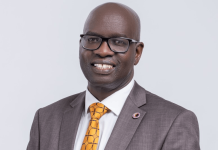
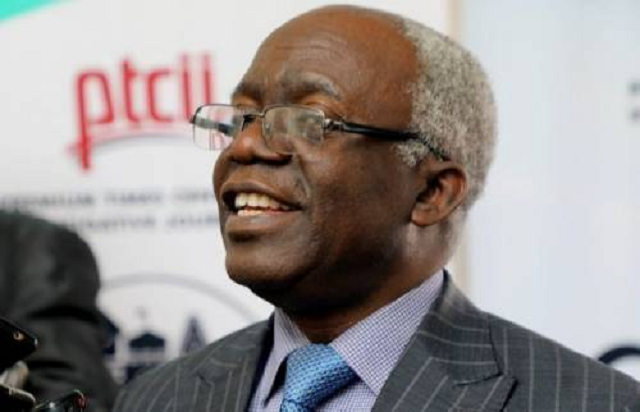
The Acting Executive Chairman of the Federal Capital Territory Internal Revenue Service (FCT-IRS), Michael Ango, has said that Nigeria’s new tax reform is aimed at reducing the financial burden on low-income earners while promoting fairness in the country’s tax system.
Ango stated this on Thursday at the BusinessDay Tax Reform Conference held in Abuja, themed “Navigating the New Tax Regime: What It Means for Your Wallet.”
He explained that the reform is designed to promote equity in revenue collection by exempting individuals who earn below a specified income threshold from paying taxes, while ensuring that higher-income earners contribute a fair share to government revenue.
Ango noted that taxation should be viewed as a partnership between citizens and government, through which public resources are mobilised to provide essential services and drive national development.
He noted that improved tax compliance would enable the government to invest more in critical infrastructure such as schools, hospitals, roads and security.
Ango also urged Nigerians to familiarise themselves with the provisions of the new tax framework and seek clarification from relevant government institutions where necessary, noting that the reform is intended to strengthen the country’s fiscal system and support inclusive economic progress.
The issues
Nigeria’s tax system has long been criticised for inefficiencies, complexity and a perceived disproportionate burden on lower-income groups.
Economic analysts argue that reforms aimed at simplifying tax processes, improving compliance and broadening the tax base are critical to boosting government revenue while ensuring fairness for taxpayers.
The latest reform forms part of efforts by the federal government to modernise tax administration and improve economic efficiency.
What’s being said
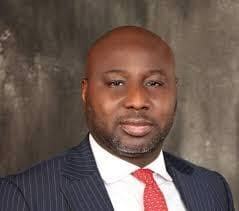
Chairman of the National Tax Implementation Committee, Joseph Tegbe, said the new tax framework is designed to be simple, fair and efficient.
‘’Nigerians should not be apprehensive about the reform, noting that individuals who feel over-taxed can lodge complaints with the relevant authorities for review.’’
“The goal of this reform is to make the tax system simpler, fairer and more efficient for government, businesses and for all of us who live and work in the country,” Tegbe said.
Earlier, Publisher of BusinessDay, Frank Aigbogun, represented by the newspaper’s Executive Director John Osadolor, said the conference was organised to bridge the gap between policy intentions and the everyday economic realities faced by Nigerians.
He explained that the dialogue aimed to provide deeper insights into the recent tax reforms introduced by President Bola Tinubu.
“These laws are designed to simplify Nigeria’s tax landscape, drive economic growth, increase revenue generation and enhance effective tax administration across all levels of government,” Osadolor said.
Meanwhile, an economist at Nasarawa State University, Keffi, Prof. Uche Uwaleke, said the reform could provide relief for households and stimulate small business growth.
“For many households, the reform will provide significant relief by expanding exemptions for low-income earners and protecting pensions and healthcare contributions from additional tax burdens,” he said.
What’s next
Tax authorities are expected to intensify public awareness campaigns and stakeholder engagements to help citizens and businesses understand the implications of the new tax framework.
Implementation committees will also continue working with relevant agencies to ensure effective enforcement of the reforms nationwide.
BOTTOM LINE
Officials say Nigeria’s new tax reform is aimed at creating a fairer system that shields low-income earners while ensuring that higher-income groups contribute more toward funding national development.
FCT-IRS







, Michael Ango, has said that Nigeria’s ...)