








By Boluwatife Oshadiya
Key Points
- The naira appreciated at the Nigerian Foreign Exchange Market (NFEM) as FX liquidity improved.
- Interbank foreign exchange turnover rose sharply to $130.55 million across 130 deals.
- The naira also recorded gains at the parallel market, closing at N1380/$.
- Global market uncertainty linked to US-Iran tensions and the upcoming Trump-Xi meeting continues to shape investor sentiment.
Main Story
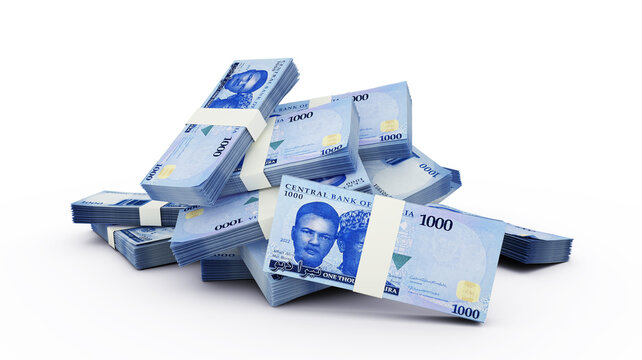
The naira recorded gains against the United States dollar on Wednesday at the Nigerian Foreign Exchange Market (NFEM) as improved hard currency liquidity eased pressure from rising foreign exchange demand for international payments and offshore obligations.
Data released by the Central Bank of Nigeria (CBN) showed that the local currency closed at N1370.56/$, improving from N1375.62/$ recorded in the previous trading session.
Trading activity during the session reflected moderate volatility, with the dollar quoted between an intraday high of N1376/$ and a low of N1367/$.
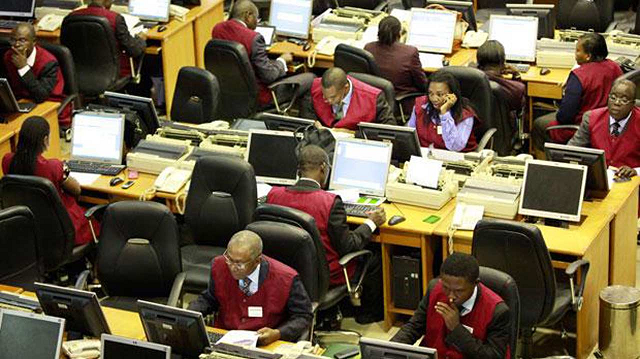
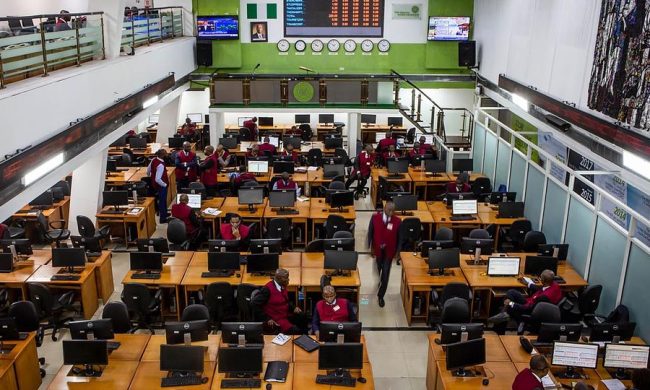
Market turnover also strengthened significantly as interbank FX liquidity increased to $130.549 million across 130 deals, compared with $74.467 million traded in the previous session. The higher liquidity level helped improve dollar availability in the official market and supported the naira’s recovery.
At the parallel market, the naira also appreciated slightly to close at N1380/$, reflecting improving sentiment across both official and informal FX segments.
Analysts said recent efforts by the CBN to improve transparency and liquidity in the foreign exchange market, including tighter monitoring of speculative activities and increased FX supply to authorised dealers, have continued to stabilise the naira in recent months.
However, global developments continue to pose risks to emerging market currencies. Investor sentiment remained cautious following renewed uncertainty surrounding the fragile ceasefire between the United States and Iran.
US President Donald Trump stated that the ceasefire arrangement was on “life support,” raising fears of further geopolitical instability in the Middle East.
The renewed tensions pushed Brent crude and West Texas Intermediate (WTI) oil prices higher during intraday trading, while investors moved away from riskier emerging market assets.
The US dollar also strengthened against major global currencies as traders adopted a more defensive position ahead of the expected meeting between Chinese President Xi Jinping and Trump later this week.
Meanwhile, the People’s Bank of China reportedly continued its gradual adjustment of the yuan reference rate ahead of the high-level bilateral talks expected to focus on trade, energy security and broader geopolitical tensions.
What’s Being Said
Currency market analysts said the improvement in official FX turnover signals stronger market participation and better liquidity conditions.
They noted that sustained FX inflows from oil exports, foreign portfolio investments and diaspora remittances could further support exchange rate stability if maintained over the coming weeks.
Some analysts, however, warned that external geopolitical risks and elevated global oil prices could still create short-term volatility for emerging market currencies, including the naira.
What’s Next
Market participants are expected to monitor further interventions by the CBN alongside developments from the Trump-Xi meeting and ongoing Middle East tensions.
Investors will also watch Nigeria’s external reserves position, crude oil receipts and foreign portfolio inflows for clearer direction on the naira’s medium-term outlook.
Bottom Line
Improved FX liquidity at the official market helped the naira regain value against the dollar, but external geopolitical risks and global market uncertainty remain key factors that could influence the currency’s near-term performance.








 as improved hard...)